Algeciras Aqueduct El Cobre
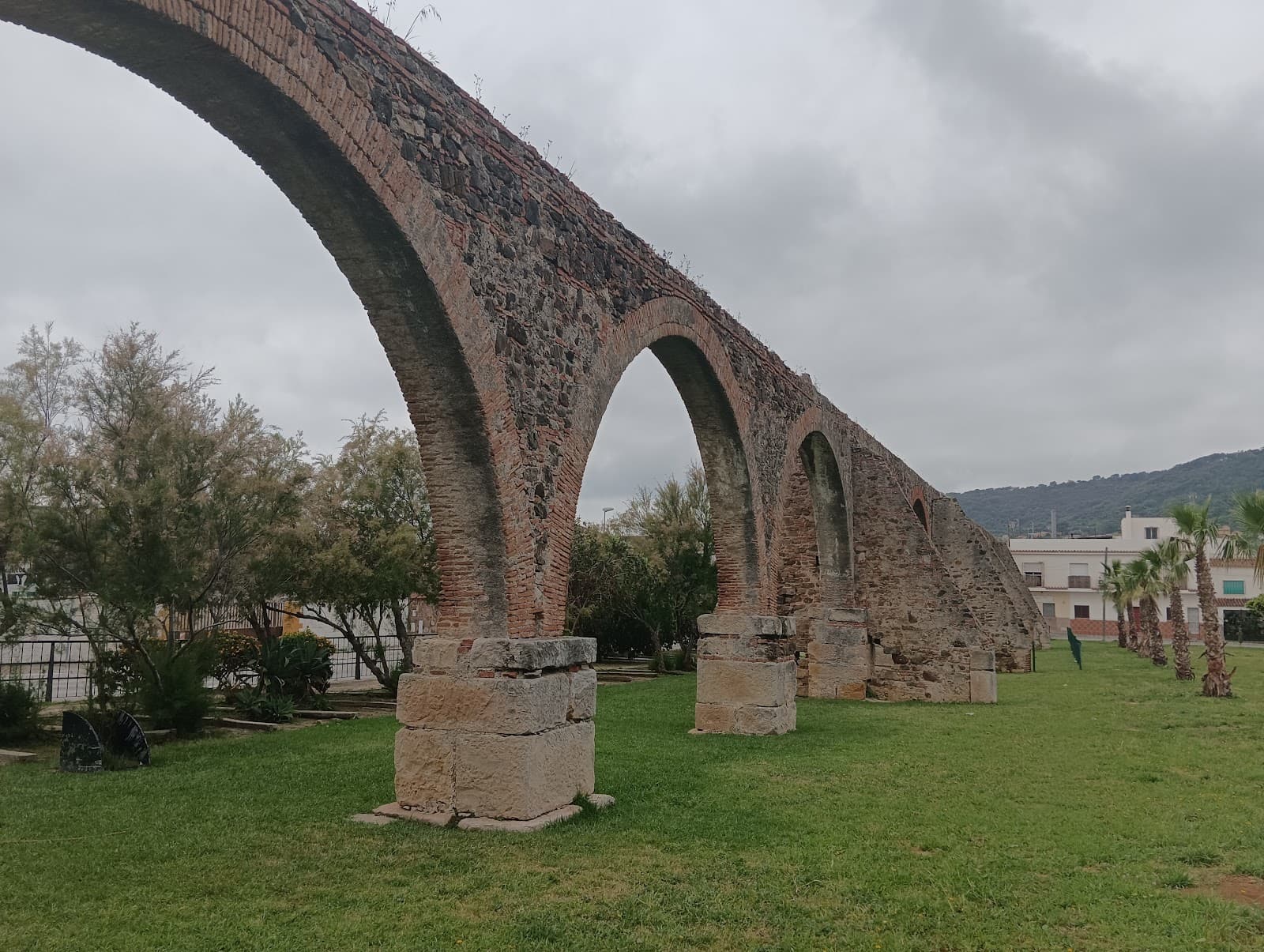
Explore the beautifully restored 18th-century El Cobre Aqueduct, a historical water marvel integrated into a serene green space in Algeciras.
Highlights
Must-see attractions

Social
From TikTok & Reddit
Best Time
Best for appreciating the arches
Algeciras Aqueduct El Cobre
Best Time
Best for appreciating the arches
Highlights
Must-see attractions
Explore the beautifully restored 18th-century El Cobre Aqueduct, a historical water marvel integrated into a serene green space in Algeciras.
"A peaceful historical gem, perfect for a stroll and connecting with Algeciras's past."
🚶♀️ Hike the Río de la Miel Trail
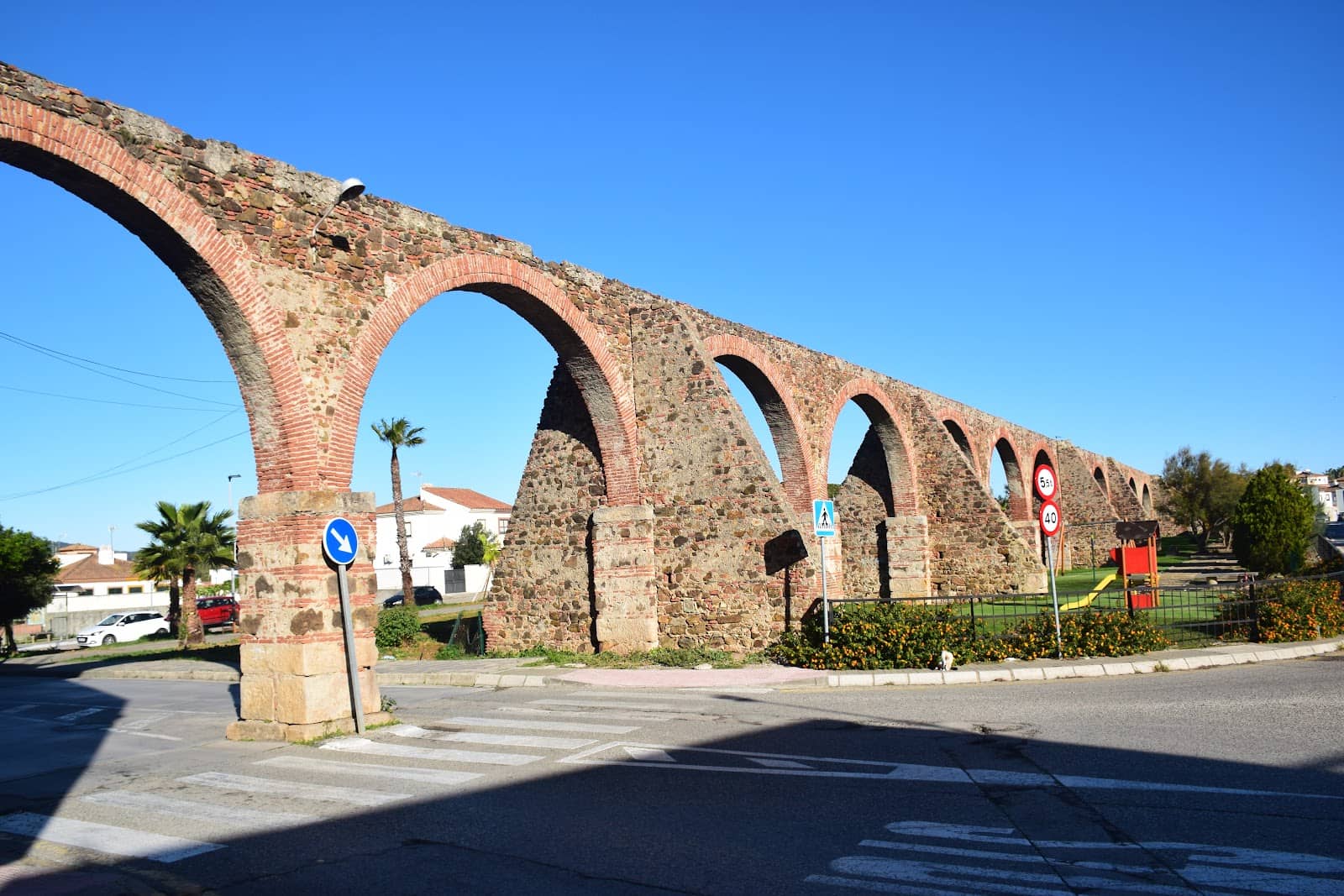
Cross beneath the aqueduct's arches on this scenic trail for unique photo ops and a refreshing walk.
📚 Learn the History First
Understand its 18th-century origins and water supply role to truly appreciate this engineering feat.
Quick Facts
Rating
4.7 · 53 reviews
Type
Historical Landmark
Highlights
Discover the most iconic attractions and experiences
Arcos de El Cobre
Integrated into a green space
Majestic 18th-century arches, restored and part of a tranquil park. A testament to Algeciras's historical water management.
Fuente Nueva
Algeciras city center
One of the original five fountains supplied by the aqueduct, inaugurated in 1783. A historical landmark in the city.
Río de la Miel Trail
Near the aqueduct
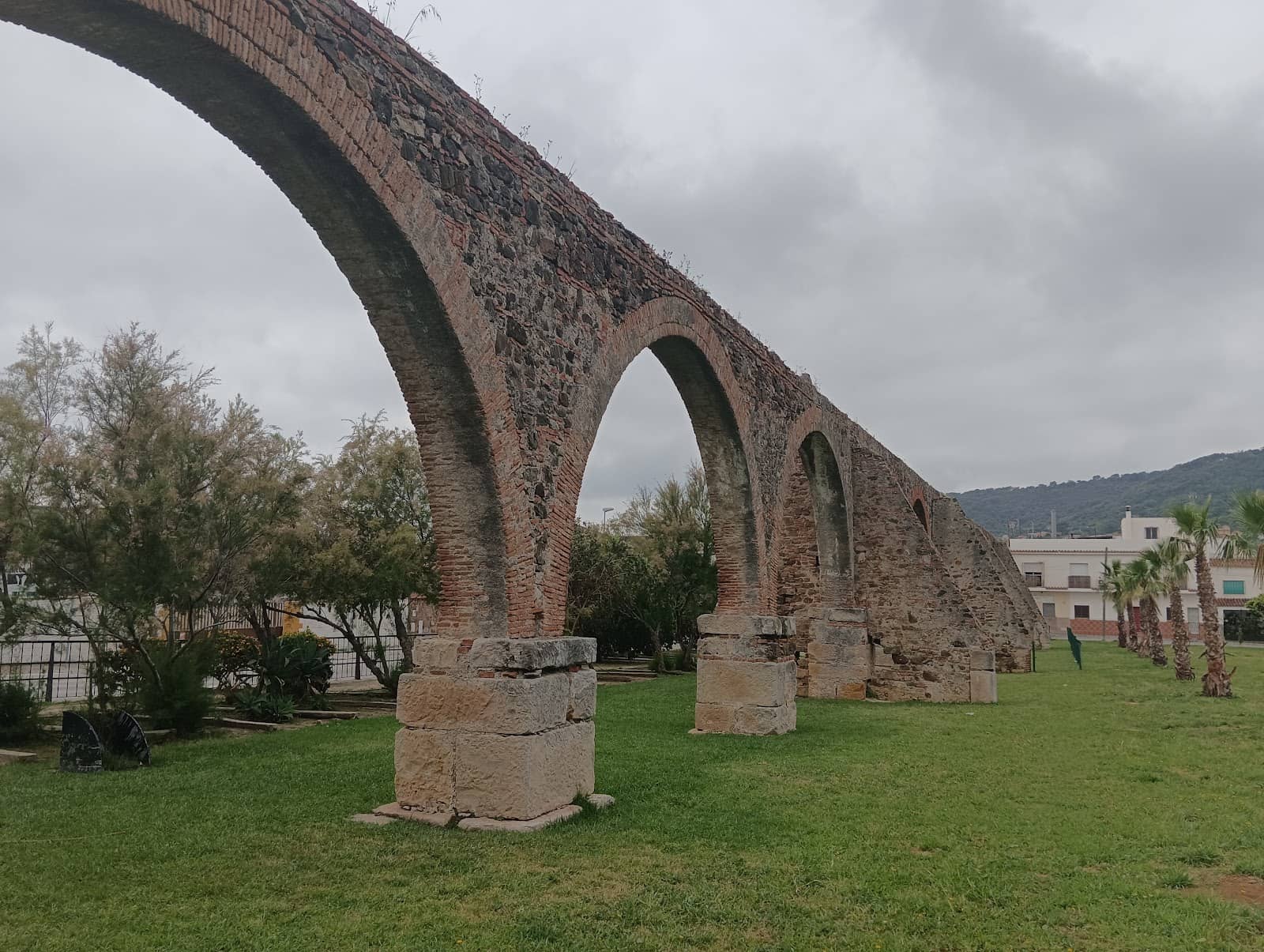
Hike this trail to cross beneath the aqueduct's arches, offering unique perspectives and a connection to nature.
Plans like a pro.
Thinks like you
Planning Your Visit
Timing is Key for El Cobre
Understand its History
Best Times
Insider Tips
from TikTok, Instagram & Reddit
🚶♀️ Hike the Río de la Miel Trail
Cross beneath the aqueduct's arches on this scenic trail for unique photo ops and a refreshing walk.
📚 Learn the History First
Understand its 18th-century origins and water supply role to truly appreciate this engineering feat.
🌳 Enjoy the Green Space
The restored aqueduct is part of a lovely park with playgrounds and green areas, perfect for a relaxed afternoon.
📸 Capture Unique Angles
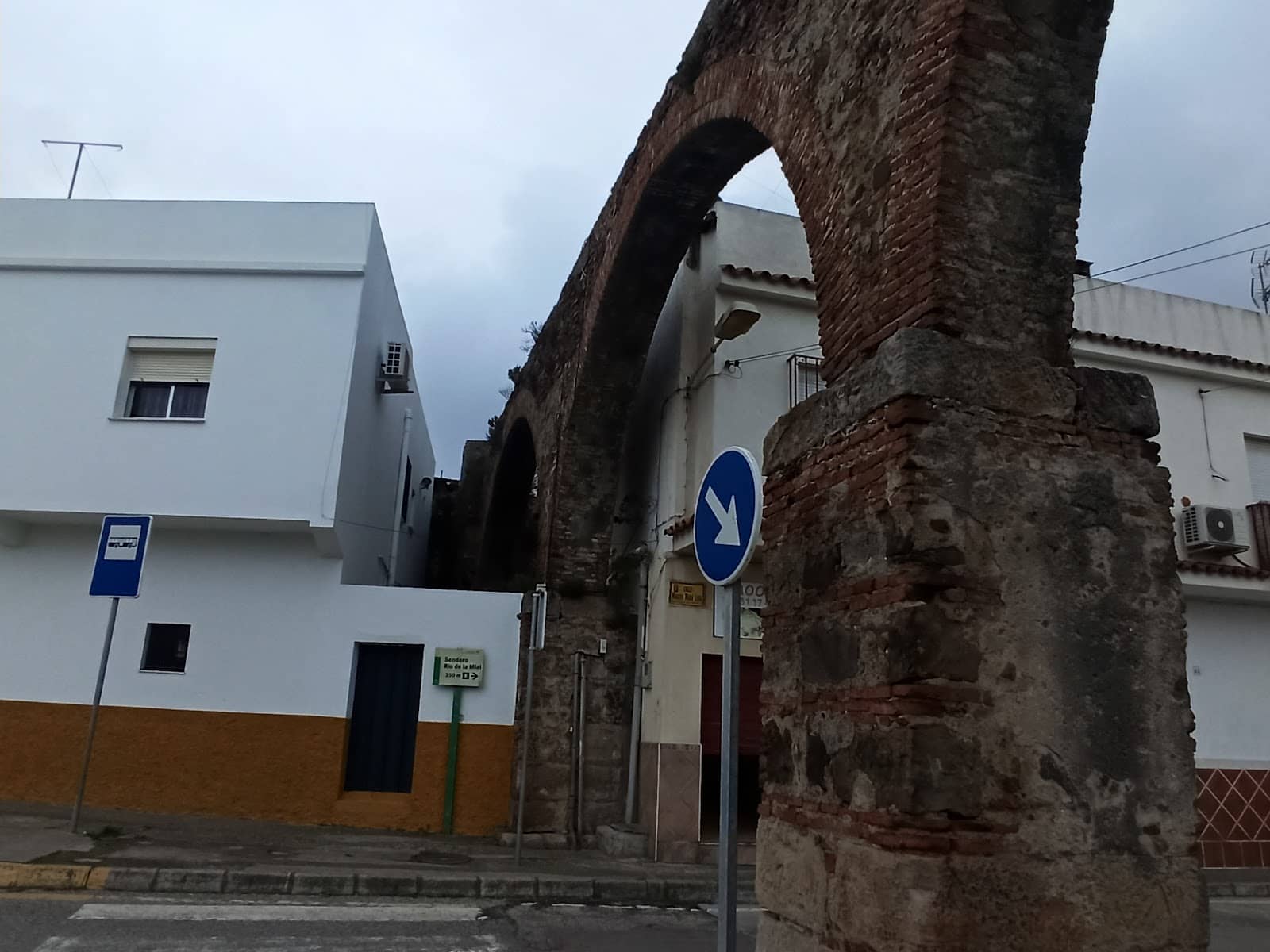
The integration of houses and green spaces around the arches offers diverse photographic opportunities.
Tips
from all over the internet
🚶♀️ Hike the Río de la Miel Trail
Cross beneath the aqueduct's arches on this scenic trail for unique photo ops and a refreshing walk.
📚 Learn the History First
Understand its 18th-century origins and water supply role to truly appreciate this engineering feat.
🌳 Enjoy the Green Space
The restored aqueduct is part of a lovely park with playgrounds and green areas, perfect for a relaxed afternoon.
📸 Capture Unique Angles
The integration of houses and green spaces around the arches offers diverse photographic opportunities.
What Travellers Say
Reviews Summary
Visitors appreciate the historical significance and the peaceful atmosphere of the El Cobre Aqueduct, especially its integration into a well-maintained green space. The opportunity to hike beneath its arches on the Río de la Miel trail is a highlight. Some wish for more historical interpretation on-site.
"Shortly after its inauguration, the architects of the structure themselves recognized the need to build a second section to bridge the uneven terrain at the El Cobre height. These unevenness meant that water pressure regularly caused the underground pipes to burst, requiring constant repair. Despite this recommendation, work on the second section, now known as the Arcos de El Cobre, did not begin until 1841 and was completed in 1845. The arches of El Cobre were lower than those built in the previous century and had buttresses added at the time of construction.
This aqueduct carried water from Las Minillas (a water source in a nearby mountain range) to five fountains scattered throughout the city: the Fuente Nueva, the two fountains in Plaza Alta, a fountain in Plaza Baja, and one near the mouth of the river on the Marina Sidewalk. The first of these fountains, the Fuente Nueva, was inaugurated immediately after the completion of the La Bajadilla aqueduct section in 1783, while the remaining fountains were built during the first years of operation of the supply lines beneath the urban core of the city.
Fuente Nueva, Algeciras
Currently, the El Cobre section is preserved in relatively good condition and has been restored and integrated into the surrounding area as a green space. However, the La Bajadilla section collapsed over much of its length in the 1960s, and the few remaining arches were absorbed and incorporated into various structures. One section, each with four arches, remains standing. The demolition of some garages built by private individuals in 2008 was restored and integrated into the surrounding area in 2008."
Andreas Mauersberger
"We visited them when we hiked the Honey River Trail.
It's part of a water system dating back to 1777, although many people believe it's a Roman aqueduct."
Guillermo Cruz Beltrán
"On the way to the Río de la Miel trail, you cross beneath its arches.
In the 18th century, the water from the Río de la Miel and nearby wells was already insufficient for the population, and it was agreed to bring more water from the Nacimiento de las Minillas, which prompted the construction of this aqueduct. The houses are currently integrated and interspersed between the arches, and residents have built a playground and green areas at their feet."
Elena De Miguel
What People Like
What People Dislike
Frequently Asked Questions
🚇 🗺️ Getting There
The El Cobre aqueduct is integrated into a green space in Algeciras. It's often accessed via the Río de la Miel trail. You can reach the trailhead by car or local transport, with parking available nearby. Check local maps for the most direct route to the park area surrounding the aqueduct.
While there might not be direct public transport to the aqueduct itself, local buses serve the Algeciras city center, from where you can walk or take a short taxi ride to the park area. It's advisable to check current bus routes and schedules for Algeciras.
Yes, driving is a convenient option. There is typically parking available near the green space where the aqueduct is located. Use GPS navigation to guide you to the park area.
Many visitors enjoy hiking the Río de la Miel trail, which passes under the aqueduct's arches. This offers a great way to see the structure from different angles and enjoy the natural surroundings.
The aqueduct is part of a restored green space, which generally offers good accessibility. However, the Río de la Miel trail might have uneven terrain in parts, so comfortable walking shoes are recommended.
🎫 🎫 Tickets & Entry
No, the El Cobre aqueduct and the surrounding green space are generally open to the public and do not require an entrance fee. It's a free historical site to explore.
As it's an outdoor historical site integrated into a public park, there are no strict opening or closing hours. It's accessible during daylight hours, which is recommended for the best viewing experience.
The park area surrounding the El Cobre aqueduct is a public green space and is free to enter. You can wander through the park and admire the aqueduct at your leisure.
While the area is technically accessible, visiting at night is not recommended. Daylight hours are best for appreciating the historical structure and ensuring safety.
Information on official guided tours is limited. However, many visitors find it enriching to research the aqueduct's history beforehand or explore the area independently.
🎫 🏞️ Onsite Experience
You can see the impressive 18th-century arches of the El Cobre aqueduct, which have been restored and integrated into a green space. The area also features playgrounds and recreational zones.
Many visitors recommend hiking the Río de la Miel trail, which allows you to walk beneath the aqueduct's arches. This provides a unique perspective and a chance to connect with the history and nature.
As it's a green space, basic facilities might be available, but it's best to check locally. It's advisable to bring your own water and snacks, especially if you plan to hike the trail.
The green space surrounding the aqueduct is ideal for picnics. Enjoying a meal amidst the historical arches and natural surroundings is a popular activity.
Besides admiring the historical structure, you can enjoy walking, hiking the Río de la Miel trail, picnicking, and simply relaxing in the green space. It's a peaceful spot for an afternoon outing.
📸 📸 Photography
The Río de la Miel trail offers fantastic vantage points to capture the aqueduct's arches from below. The surrounding green space also provides opportunities for framing the structure with nature.
Early mornings or late afternoons, during the 'golden hour,' provide beautiful lighting that enhances the texture and form of the aqueduct's stone arches.
Generally, photography for personal use is allowed. However, always be respectful of the site and any local regulations.
Drone usage is often restricted in historical sites and public parks. It's crucial to check local drone regulations for Algeciras before flying.
Experiment with wide shots to capture the scale of the arches against the landscape, and closer shots to highlight the architectural details and the integration with the surrounding environment.

Social
from TikTok, Instagram & Reddit