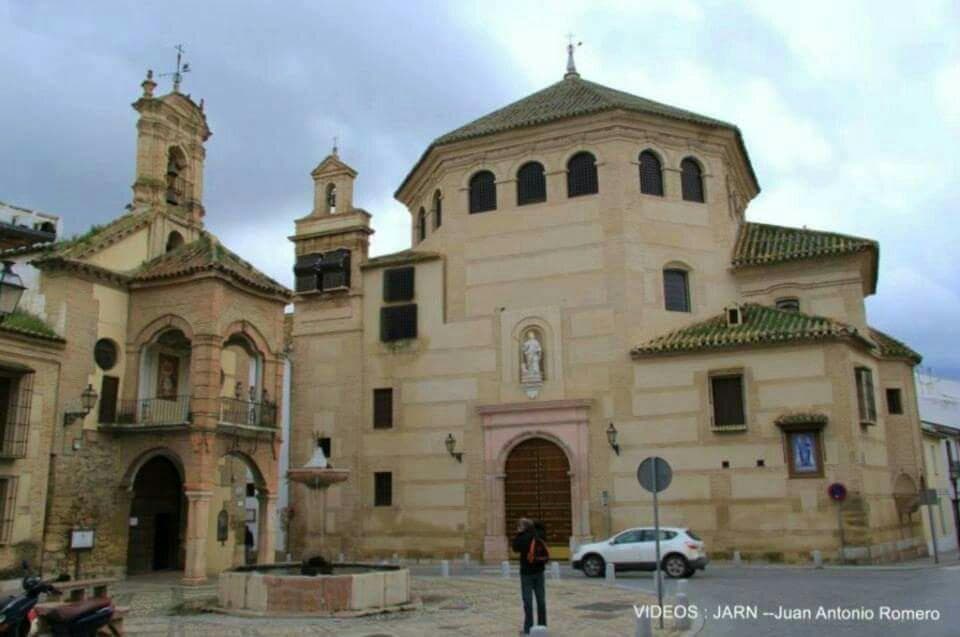
Church of Santa Eufemia
A serene convent church in Antequera, Spain, renowned for its stunning Baroque altarpieces and distinctive octagonal architecture.
Highlights
Must-see attractions

Social
From TikTok & Reddit
Best Time
Fewer crowds, peaceful atmosphere
Church of Santa Eufemia
Best Time
Fewer crowds, peaceful atmosphere
Highlights
Must-see attractions
A serene convent church in Antequera, Spain, renowned for its stunning Baroque altarpieces and distinctive octagonal architecture.
"It is worth the visit because of how well preserved it is."
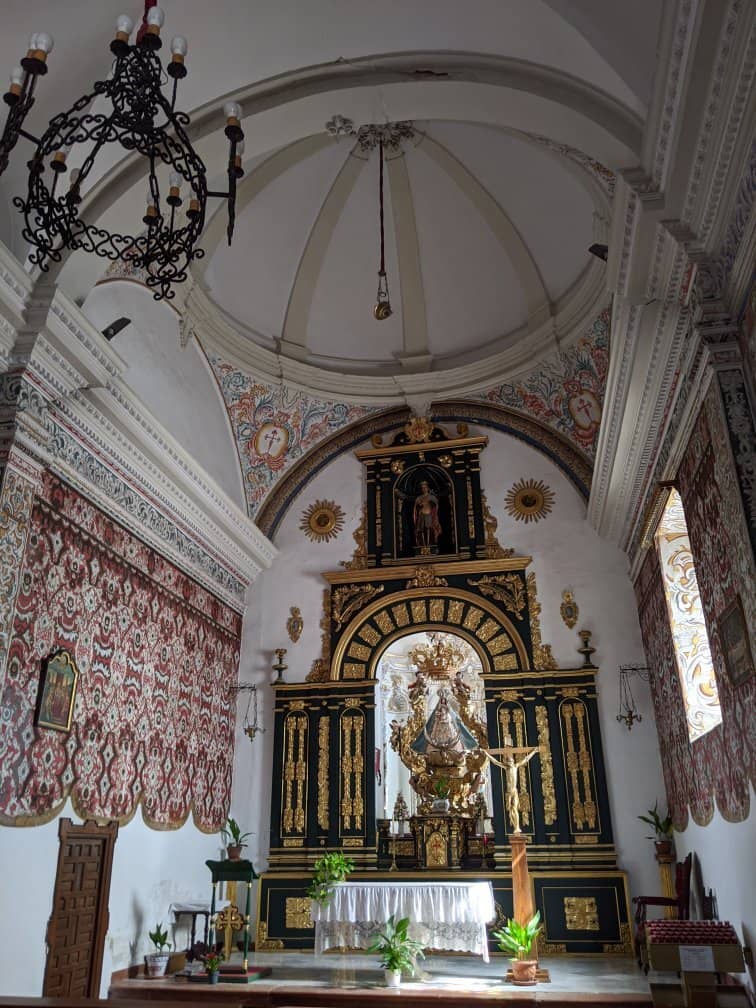
📸 Capture the details
Focus on the intricate details of the Baroque altarpieces and the unique octagonal architecture for stunning photos.
🤫 Be mindful of services
Check for any ongoing religious services before visiting to ensure a quiet and respectful experience.
Quick Facts
Hours
Rating
4.4 · 27 reviews
Type
Church
Website
minimas.orgHighlights
Discover the most iconic attractions and experiences
Baroque Altarpieces
Interior
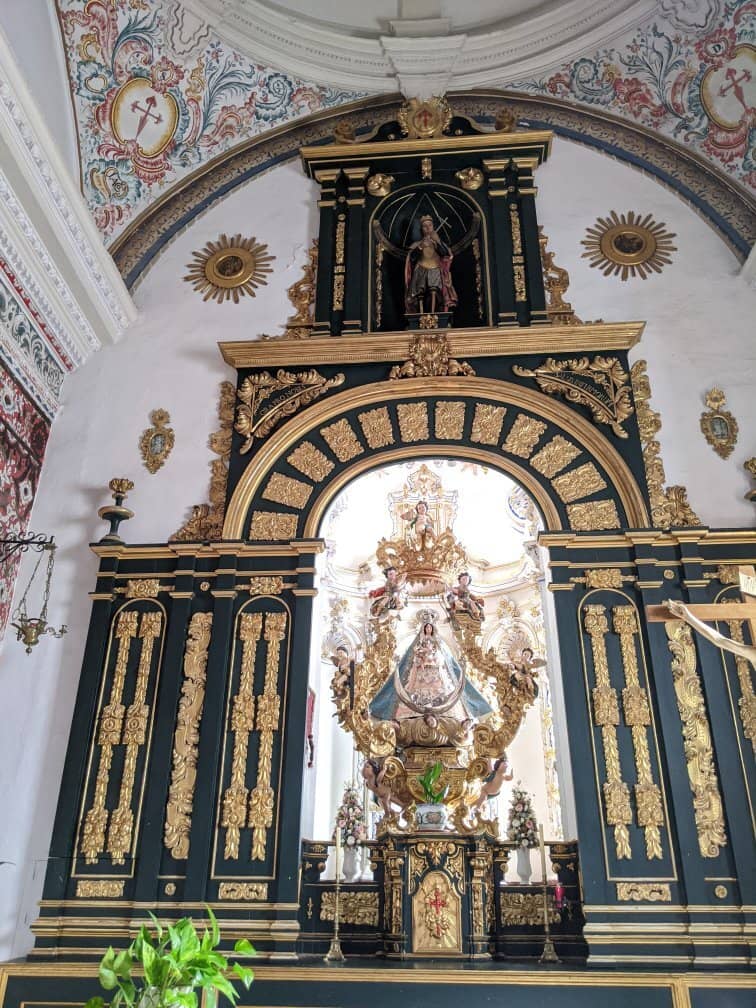
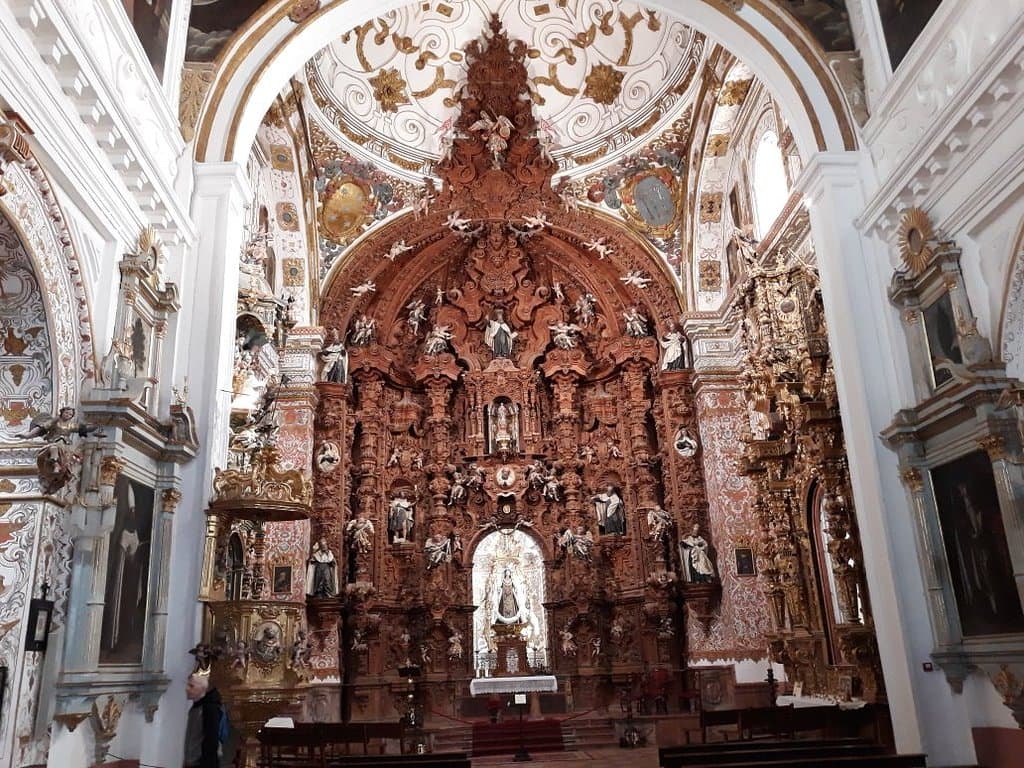
Marvel at the intricate Baroque altarpieces, particularly the main one and that of Our Lady of Sorrows. These are stunning examples of religious art.

Octagonal Architecture
Exterior and Interior
Admire the unique octagonal floor plan, a distinctive architectural feature that gives the church its special character and height.

Museum of Saint Eufemia
Within the Convent
Explore the dedicated museum showcasing artifacts and information about Saint Eufemia, the co-patron saint of Antequera.
Plans like a pro.
Thinks like you
Planning Your Visit
Timing Your Visit
Respectful Attire
Best Times
Insider Tips
from TikTok, Instagram & Reddit
📸 Capture the details
Focus on the intricate details of the Baroque altarpieces and the unique octagonal architecture for stunning photos.
🤫 Be mindful of services
Check for any ongoing religious services before visiting to ensure a quiet and respectful experience.
🚶♀️ Explore the convent
Don't miss the adjacent convent, which offers a glimpse into monastic life and houses the museum.
📍 Location context
Note that 'Santa Eufemia' can refer to multiple churches; this one is in Antequera, Spain. 
Tips
from all over the internet
📸 Capture the details
Focus on the intricate details of the Baroque altarpieces and the unique octagonal architecture for stunning photos.
🤫 Be mindful of services
Check for any ongoing religious services before visiting to ensure a quiet and respectful experience.
🚶♀️ Explore the convent
Don't miss the adjacent convent, which offers a glimpse into monastic life and houses the museum.
📍 Location context
Note that 'Santa Eufemia' can refer to multiple churches; this one is in Antequera, Spain.
What Travellers Say
Reviews Summary
Visitors consistently praise the Church of Santa Eufemia for its well-preserved Baroque altarpieces and unique octagonal architecture. The adjacent museum dedicated to Saint Eufemia is also highlighted as a worthwhile addition to the visit. While the exterior is noted for its sobriety, the interior's artistic richness leaves a strong impression.
"Beautiful church next to the convent. Octagonal in plan with images and altarpiece from the 27th century. It is worth the visit because of how well preserved it is."
Fran Ramos Martos
"The convent's temple is austere on the outside, and the church is octagonal. However, its interior features beautiful Baroque altarpieces."
Sergio Fernández Bueno
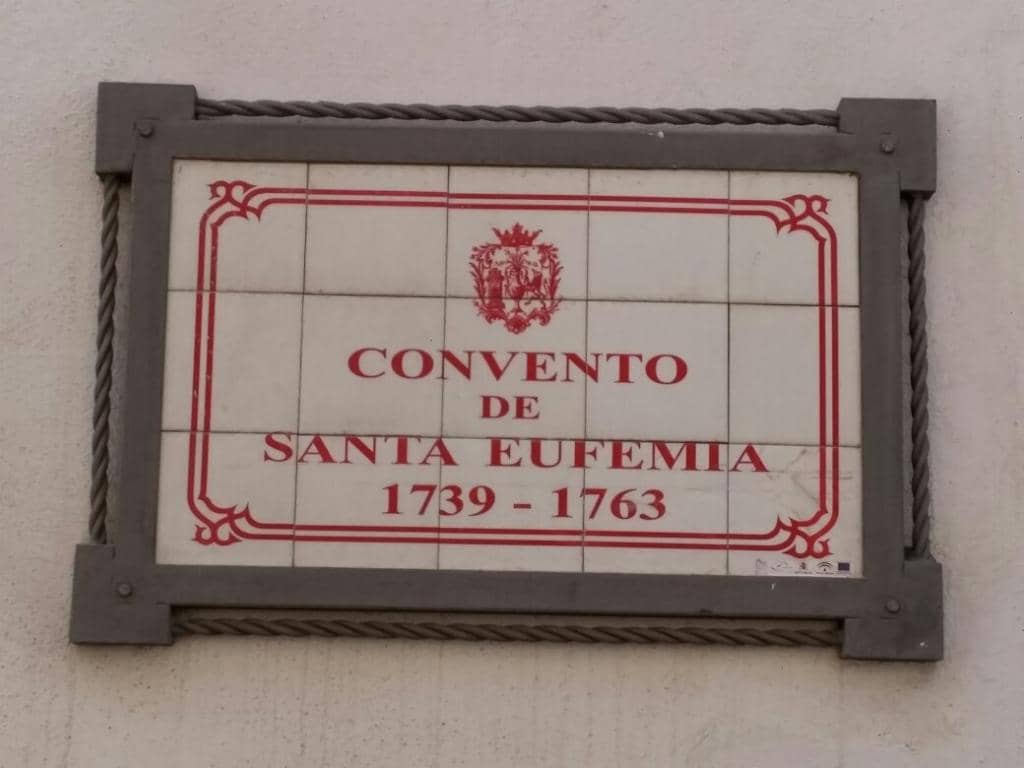
"Dedicated to the city's patron saint, this monastery was founded in 1601, although the church was built between 1739 and 1763. Its exterior displays the same sobriety as other Antequera monuments. Inside, there is an image of the patron saint and two interesting altarpieces: the main one and that of Our Lady of Sorrows."
Jesus Solero
What People Like
What People Dislike
Frequently Asked Questions
🚇 🗺️ Getting There
The Church of Santa Eufemia is located in Antequera, Spain. If arriving by car, there is usually parking available nearby. Public transport options might be limited, so checking local bus routes or considering a taxi from the city center is advisable.
While direct public transport to the church itself might be infrequent, Antequera is well-connected by bus and train. From the main bus or train station, you can take a local bus or a taxi to reach the vicinity of the church.
If you are already in Antequera, the church is often within walking distance of the city center, especially if you are exploring other historical sites. A leisurely stroll will allow you to appreciate the surroundings.
Drivers should navigate towards the historic center of Antequera. GPS coordinates or a reliable navigation app will be helpful. Be aware that some streets in the old town can be narrow.
The main entrance to the church is typically well-marked. If you plan to visit the museum, follow signs for the Convent of Santa Eufemia.
🎫 🎫 Tickets & Entry
Entry to the church itself is often free, but there might be a fee to enter the museum within the Convent of Santa Eufemia. It's always a good idea to check the official website or inquire locally for the most up-to-date information on admission fees.
Opening hours can vary, especially on weekends and holidays. Generally, churches are open during daylight hours, but it's best to confirm specific times, particularly if you wish to visit the museum.
While not strictly enforced for general visiting, it is recommended to dress modestly out of respect for the religious nature of the site. Covering shoulders and knees is advisable.
Photography is usually permitted inside churches, but flash photography might be prohibited to protect the artwork and maintain a solemn atmosphere. Always look for signage or ask permission if unsure.
Guided tours might be available, especially for groups or through local tourism initiatives. Inquire at the tourist information center in Antequera or at the church itself for details.
🎫 🏛️ Onsite Experience
Inside, you'll find beautiful Baroque altarpieces, including the main altarpiece and that of Our Lady of Sorrows. The church's octagonal design is also a significant interior feature.
The museum is dedicated to Saint Eufemia, the co-patron saint of Antequera. It houses artifacts and exhibits related to her life and veneration.
The church's interior is generally accessible, but some older buildings may have uneven floors or steps. The museum's accessibility should be confirmed beforehand.
A visit to the church and the museum typically takes about 1 to 1.5 hours, depending on your interest in the exhibits and the architectural details.
Restrooms may be available within the convent complex. A dedicated gift shop is less common for churches of this size, but local souvenir shops can be found in Antequera's city center.
📸 📸 Photography
The exterior, with its unique octagonal shape and Baroque details, offers great photo opportunities. Inside, focus on the ornate altarpieces and architectural elements.
Flash photography is generally discouraged inside religious buildings to protect artwork and maintain a respectful atmosphere. Always check for signs or ask for clarification.
Late afternoon often provides beautiful natural light, creating a warm glow on the facade and interior. Early mornings can also be good for fewer crowds and softer light.
Drone photography is typically restricted in urban areas and around religious sites due to privacy and safety regulations. It's best to avoid using drones unless you have explicit permission.
A versatile lens, such as a 24-70mm, is useful for both wide shots of the architecture and details of the altarpieces. A prime lens with a wide aperture can be great for low-light interior shots.




Social
from TikTok, Instagram & Reddit