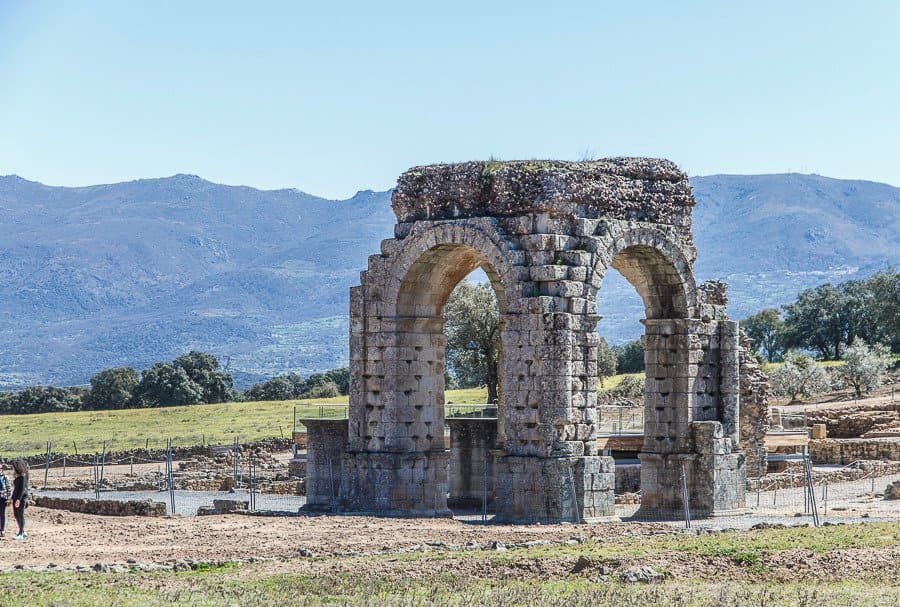
Arco de Cáparra
Discover the unique Arco de Cáparra, a rare Roman quadrifront arch and excavated city in Extremadura, Spain. A historical gem on the Via de la Plata.
Highlights
Must-see attractions

Social
From TikTok & Reddit
Best Time
Pleasant temperatures for exploring
Arco de Cáparra
Best Time
Pleasant temperatures for exploring
Highlights
Must-see attractions
Discover the unique Arco de Cáparra, a rare Roman quadrifront arch and excavated city in Extremadura, Spain. A historical gem on the Via de la Plata.
"Unbelievable that this Roman arch located in Caparra is still alive and in perfect condition today."

Wear Comfortable Shoes
You'll be walking on uneven terrain and potentially hiking a bit to reach the ruins. :athletic_shoe:
Check Restoration Status
Ongoing work might affect views. Confirm accessibility before you go. 💁
Quick Facts
Hours
Rating
4.7 · 414 reviews
Type
Monument
Address
Highlights
Discover the most iconic attractions and experiences
The Unique Quadrifront Arch
Center of the Roman city
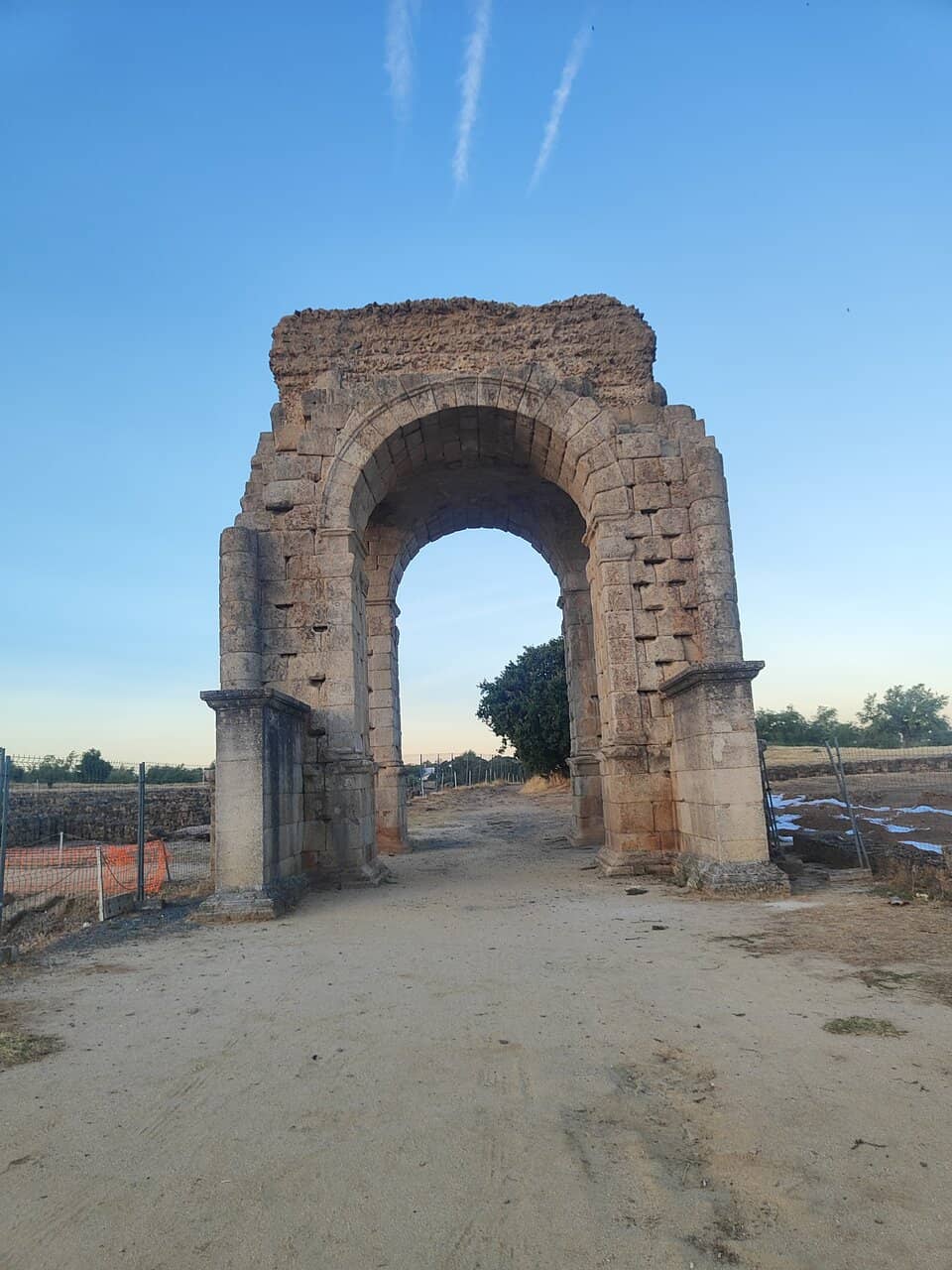
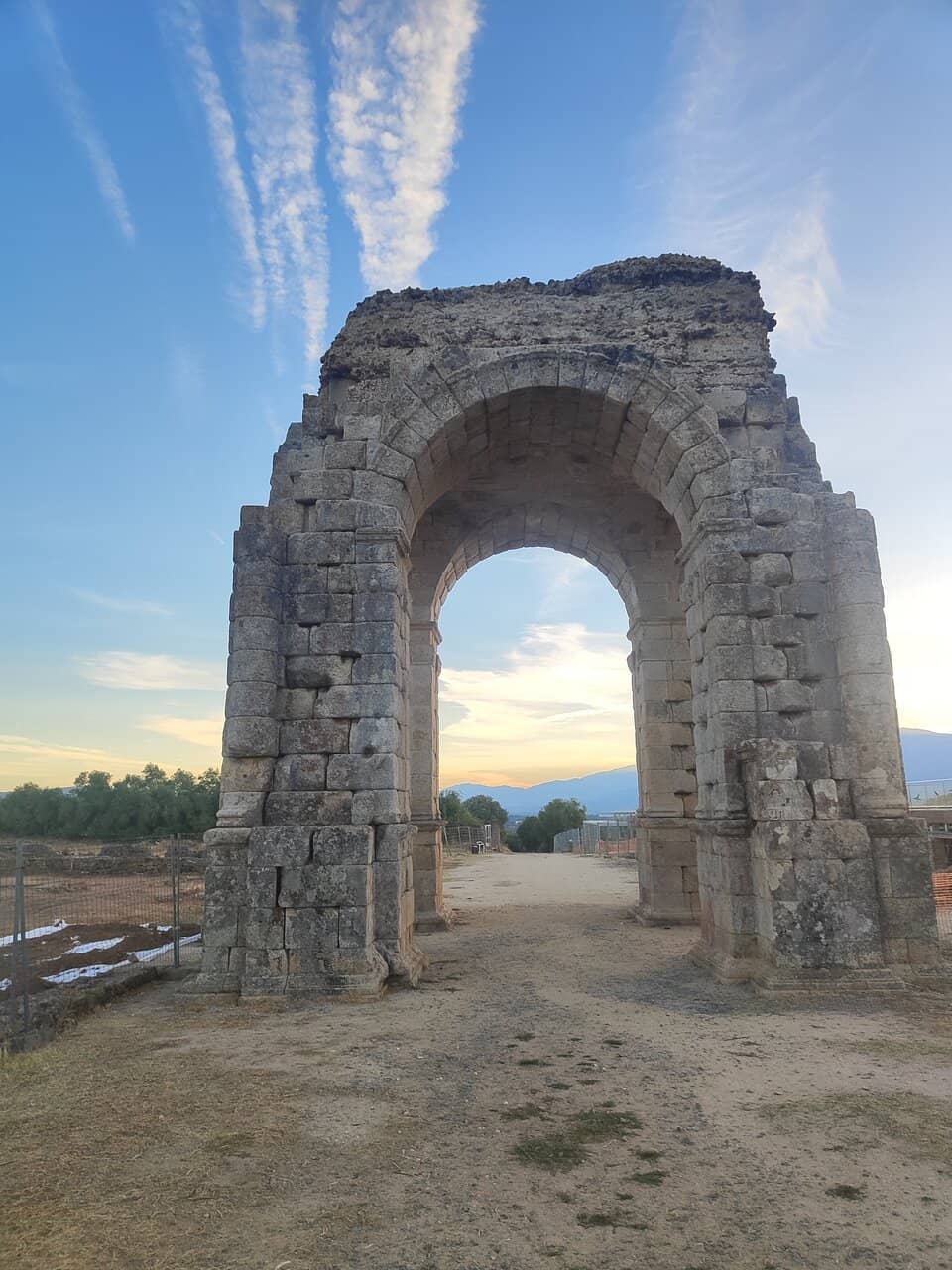
A quadrifront arch with four entrances, a rare architectural marvel in the Iberian Peninsula.
 +2
+2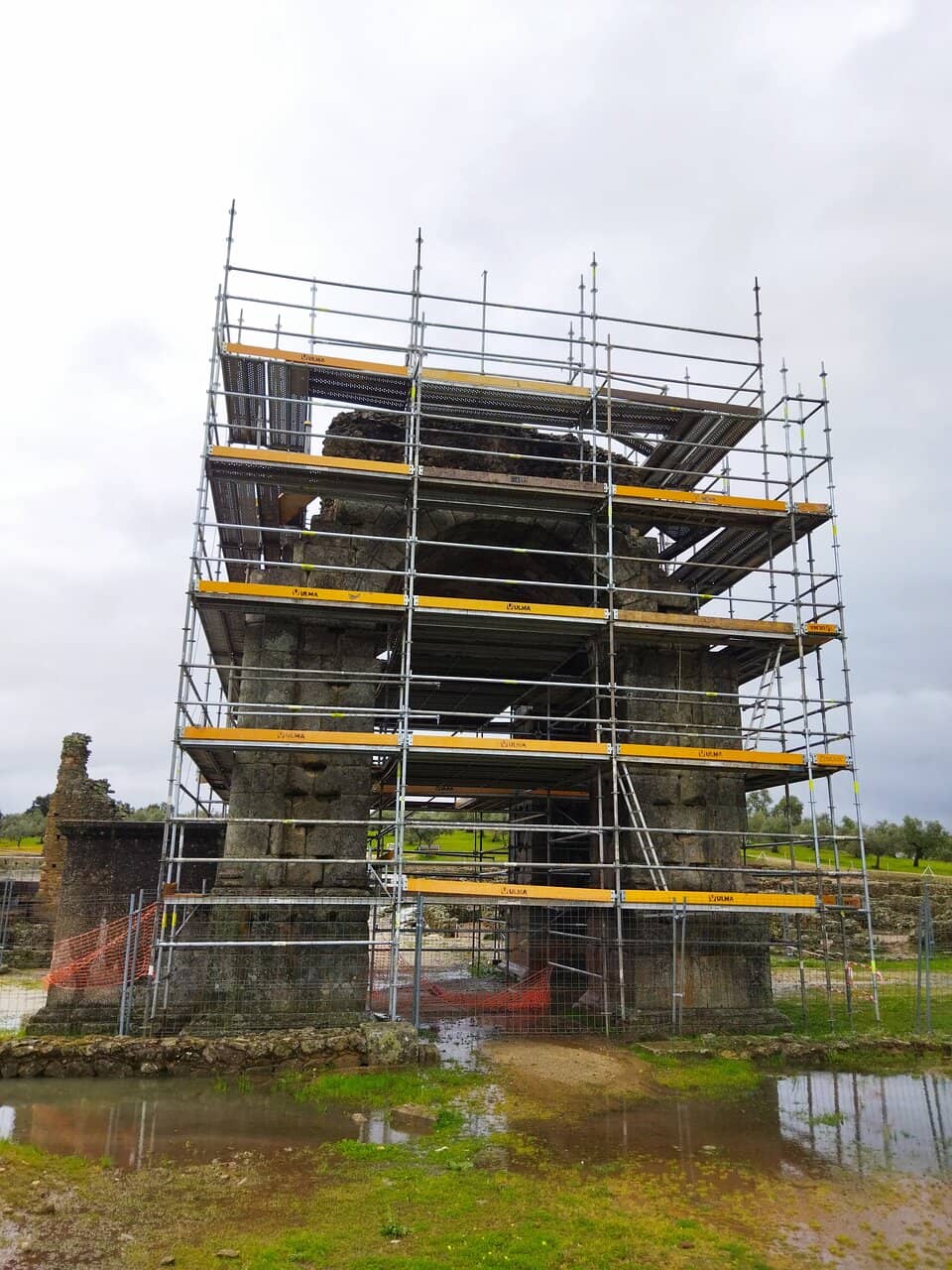
Roman City of Cáparra
Extremadura, Cáceres
Explore the excavated remains of a Roman city, including roads and foundations, offering a glimpse into ancient life.
+1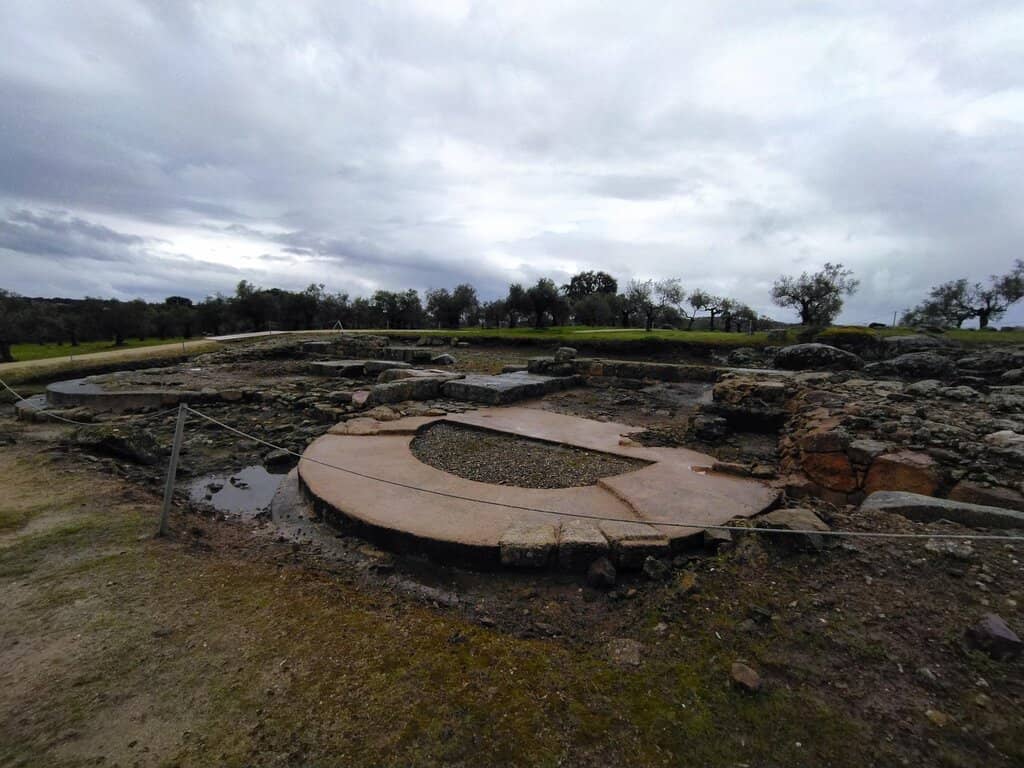
Via de la Plata Route
Passing through the site
The ancient Roman road, Via de la Plata, runs through the site, connecting historical pathways.
+1Plans like a pro.
Thinks like you
Planning Your Visit
Plan for Ongoing Restoration
Accessing the Ruins
Best Times
Insider Tips
from TikTok, Instagram & Reddit
Wear Comfortable Shoes
You'll be walking on uneven terrain and potentially hiking a bit to reach the ruins. :athletic_shoe:
Check Restoration Status
Ongoing work might affect views. Confirm accessibility before you go. 💁
Bring Water & Snacks
Limited facilities on-site, so pack essentials for your exploration. :water_wave:
Drone Photography Allowed
Capture stunning aerial views of the arch and ruins. :camerawithflash:
Tips
from all over the internet
Wear Comfortable Shoes
You'll be walking on uneven terrain and potentially hiking a bit to reach the ruins. :athletic_shoe:
Check Restoration Status
Ongoing work might affect views. Confirm accessibility before you go. 💁
Bring Water & Snacks
Limited facilities on-site, so pack essentials for your exploration. :water_wave:
Drone Photography Allowed
Capture stunning aerial views of the arch and ruins. :camerawithflash:
What Travellers Say
Reviews Summary
Visitors praise the unique and impressive quadrifront arch and the historical significance of the Roman city ruins. The free entry and scenic location are also highlighted as positives. However, some note that ongoing restoration work can limit full visibility, and access to the ruins requires a short hike.
"Restoration is going on so it wasn't visible the whole thing."
Efren Pavo
"Unbelievable that this Roman arch located in caparra is still alive and in perfect condition today. However, there is practically nothing in caparra as it hasn't been touched for 2000 years."
Gergő QED
"Via De la plata route goes directly through. Can't access the ruins without a hike up the road."
Jane S.
What People Like
What People Dislike
Frequently Asked Questions
🚇 🗺️ Getting There
The Arco de Cáparra is located in the province of Cáceres, Extremadura. It's best accessed by car, as it's situated off the main roads. The Via de la Plata route passes nearby.
Public transportation options are limited. It's highly recommended to travel by car for easier access to the site and surrounding areas.
The Roman city of Cáparra is located between the municipalities of Guijo de Granadilla and Oliva de Plasencia in Cáceres.
You can drive close to the site, but you will need to walk a short distance up the road to access the excavated ruins and the arch itself.
Yes, the site is situated along the historic Via de la Plata, an ancient Roman road.
🎫 🎫 Tickets & Entry
The entrance to the Arco de Cáparra and the archaeological site is generally free.
As an open-air archaeological site, it is typically accessible during daylight hours. However, it's advisable to check for any specific local restrictions or seasonal changes.
No advance booking is usually required as the site is free to enter.
The site is currently undergoing restoration, which may affect the visibility of certain parts. It's a good idea to check for the latest updates before your visit.
Information on guided tours can be limited. It's best to inquire locally or check regional tourism websites for potential offerings.
🎫 🏛️ Onsite Experience
You can see the impressive quadrifront arch, excavated Roman roads, building foundations, and other remnants of the ancient city, offering a glimpse into Roman urban planning.
Allow at least 1-2 hours to explore the arch and the excavated ruins, including the walk from the parking area.
Absolutely! The unique arch and the surrounding landscape make it a fantastic spot for photography, especially during golden hour. Drones are also permitted.
Facilities are very limited on-site. It's recommended to use restrooms and purchase refreshments in nearby towns before visiting.
It's the only quadrifront arch of its kind in Spain and served as a monumental gateway at the intersection of two main streets in the Roman city.
📸 📸 Photography Tips
Late afternoon offers beautiful golden hour light that enhances the arch and ruins. Early mornings can also provide soft light and fewer visitors.
Yes, drone photography is permitted, allowing for unique aerial perspectives of the arch and the archaeological site.
Focus on the unique quadrifront design of the arch, the scale of the ruins, and the surrounding natural landscape. Wide-angle lenses are great for capturing the arch's grandeur.
Generally, personal photography is allowed. Be mindful of any temporary signage related to restoration work.
Position yourself to show the arch at one end of the ancient road, emphasizing its historical context and the journey it represented.

Social
from TikTok, Instagram & Reddit