
Calle Maldonado Moorish Arch
Discover a rare 11th-12th century Moorish arch with intricate details, a hidden gem in Arcos de la Frontera's historic heart.
Highlights
Must-see attractions

Social
From TikTok & Reddit
Best Time
Pleasant weather for exploring
Calle Maldonado Moorish Arch
Best Time
Pleasant weather for exploring
Highlights
Must-see attractions
Discover a rare 11th-12th century Moorish arch with intricate details, a hidden gem in Arcos de la Frontera's historic heart.
"A part of history worth visiting, showcasing rare Andalusian architecture and inscriptions."
👟 Wear Comfortable Shoes
The historic streets are charming but can be uneven. Comfortable footwear is essential for exploring the arch and surrounding walls.
🕰️ Allow Ample Time
Take your time to soak in the history. The arch is a small but significant piece of a larger historical site.

Quick Facts
Rating
5 · 5 reviews
Type
Historical Landmark
Highlights
Discover the most iconic attractions and experiences
Moorish Arch
Boticas Street, number 9
A rare lobed arch with intricate latticework and Arabic inscriptions, a testament to the area's rich Andalusian past.
Wall of Arcos
Southeast of the town
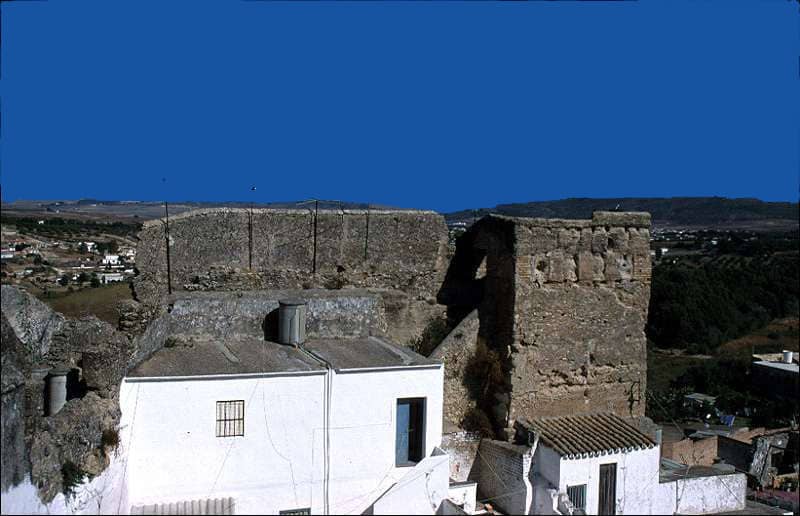
Explore preserved sections of the ancient Andalusian wall, including towers and the Matrera Gate, offering a glimpse into medieval defenses.
Alcazaba Remains
Incorporated into the castle
Discover remnants of the Alcazaba, which were later integrated into the 15th-century castle, showcasing layers of history.
Plans like a pro.
Thinks like you
Planning Your Visit
Uncover Hidden History
Navigating the Old Town
Best Times
Insider Tips
from TikTok, Instagram & Reddit
👟 Wear Comfortable Shoes
The historic streets are charming but can be uneven. Comfortable footwear is essential for exploring the arch and surrounding walls.
🕰️ Allow Ample Time
Take your time to soak in the history. The arch is a small but significant piece of a larger historical site.
📸 Capture the Details
The intricate latticework and inscriptions on the arch are stunning. Bring your camera to capture these unique historical details.
Tips
from all over the internet
👟 Wear Comfortable Shoes
The historic streets are charming but can be uneven. Comfortable footwear is essential for exploring the arch and surrounding walls.
🕰️ Allow Ample Time
Take your time to soak in the history. The arch is a small but significant piece of a larger historical site.
📸 Capture the Details
The intricate latticework and inscriptions on the arch are stunning. Bring your camera to capture these unique historical details.
What Travellers Say
Reviews Summary
Visitors find the Calle Maldonado Moorish Arch a fascinating piece of history, appreciating its unique Andalusian architecture and inscriptions. It's seen as a valuable remnant of the town's rich past, offering a tangible connection to Moorish heritage. While the arch itself is a highlight, its charm is amplified by the surrounding historical context of Arcos de la Frontera's ancient walls and fortifications.
"A part of history worth visiting"
Juan José Arroyo
"If you want to know more, continue reading: The wall of Arkûs, an Andalusian settlement covering 14.5 hectares, was erected sometime between the 11th and 12th centuries, although there is no confirmation that the entire land within it was consolidated by the construction. This settlement was mostly defined as hisn by Islamic sources, and twice served as the seat of ephemeral independent states, reaching its period of greatest splendor in the Almohad period (Viguera Molins, 2003: 40-41).
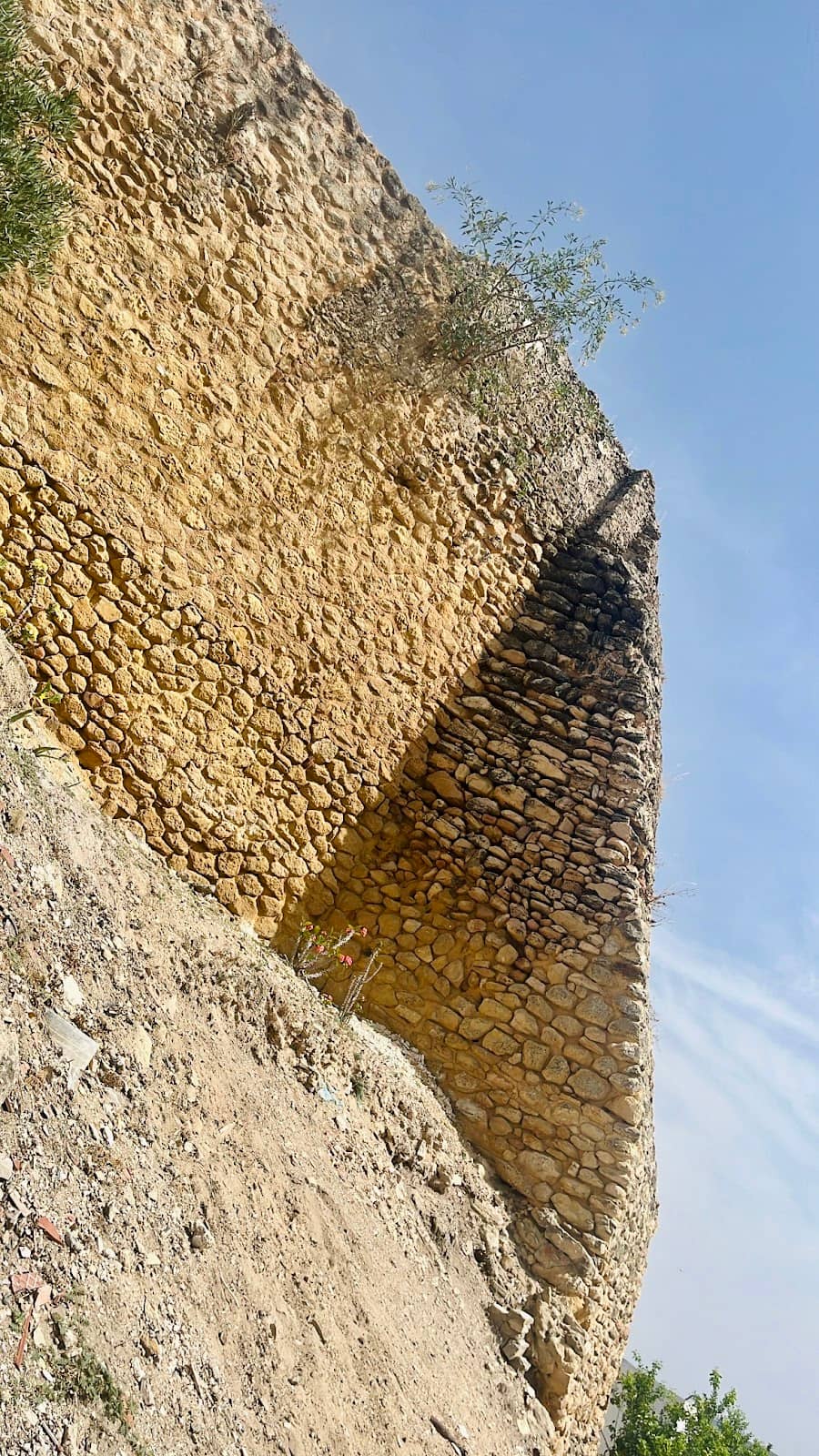
The most important remains of the urban wall have been preserved around the Matrera Gate, to the southeast of the town. Some sections of the Alcazaba have also been preserved, which were incorporated into the castle, rebuilt in the 15th century. It is very likely that other vestiges are masked in the current buildings, which may house remnants of Andalusian construction, such as the lobed arch that appeared in the building at number 9, Boticas Street, with interesting latticework bas-reliefs and Arabic inscriptions.
The southeast face of the wall had eight towers in the Andalusian period, of which six have been preserved, at least one angled entrance—currently known as the Puerta del Cómpeta—and a keep near the northern cliff (Alonso Ruiz and García-Pulido, 2013). At least three building phases have been documented on this face during the Andalusian period. The first corresponds to three typologies: one with predominantly earthy walls, another with walls with some lime and sandstone, and a third with formwork containing sandstone ashlars arranged in a row and header, documented in the wall or coracha that joins the keep to the enclosure (García Pulido and Alonso Ruiz, 2013: 37-52). In the different types of walls documented from the 11th to the 18th century in the medieval wall of Arcense and in the buildings that have been attached to it over time, the use of earth is noteworthy, both in itself and in conjunction with other construction materials.
After the Castilian conquest and during the Late Middle Ages, there is documentation relating to serious renovations carried out on the castle and the wall from the late 14th century onwards (Pérez Regordán, 2002: 44). It was precisely at this time, or well into the 15th century, that the corner gate of the Torre del Cómpeta was completely rebuilt according to fully Mudejar standards. Apart from the possible postern gate next to the cliff, it must have been the only one existing on this side of the town at this time. This is the first evidence of the reuse of the earth from the Andalusian wall, in this case as the solid core of the tower that encloses the fence next to the northern cliff.
During the Modern Age, once the reality of the Frontier had disappeared, important processes of urban transformation took place that profoundly changed the appearance of Arcos de la Frontera on its southeastern front. The wall gradually fell into ruin and was abandoned, at least from the mid-16th century onwards, in parallel with the rise of new houses that invaded various areas of the wall, building against it and reusing its construction materials. From the 16th century onwards, Arcos ceased to be a military colony, becoming a more stable settlement with a certain urban life. Throughout this period, the town center did not extend beyond the walls for defensive reasons. It was not until the end of the 18th century that the city finally developed beyond the walled enclosure. Under the auspices of the Enlightenment, sanitation, and urban development measures, the Peña de Arcos rock near the Cómpeta Tower was lowered again, and the wall's battlement was finally rebuilt due to the presence of a chapel with an image of the Virgin of Pilar. If you liked it, give it a like."
ClÁsico
"Spectacular"
Antonio Morales.
What People Like
What People Dislike
Frequently Asked Questions
🚇 🗺️ Getting There
The arch is located in the historic center of Arcos de la Frontera, specifically at number 9, Boticas Street. You'll likely arrive in Arcos de la Frontera by car or bus. From the town center, it's best explored on foot due to the narrow, winding streets. Parking can be challenging, so consider parking outside the immediate historic core and walking in.
Yes, Arcos de la Frontera is accessible by bus from major cities in Andalusia like Seville and Cadiz. Once in Arcos, you'll need to navigate the old town on foot to reach the arch.
Walking is the best way to experience the historic charm of Arcos de la Frontera. The arch is part of a larger historical area, including the ancient walls and Alcazaba remains, which are best discovered by foot.
🎫 🎫 Tickets & Entry
The Calle Maldonado Moorish Arch is located on a public street (Boticas Street) and is visible from the outside. There is no admission fee to view the arch itself.
As the arch is part of a building on a public street, it can be viewed at any time. However, it's best to visit during daylight hours for optimal viewing and photography.
While there might not be specific tours solely for the arch, guided tours of Arcos de la Frontera often cover the historical significance of the old town, including its Moorish heritage and fortifications. Inquire locally for current tour options.
📸 📸 Photography
Early morning or late afternoon light can create beautiful shadows and highlight the intricate details of the arch. Avoid midday sun for softer, more flattering light.
Generally, there are no restrictions on photographing the arch from the street. However, if it's part of a private building, be mindful of private property if you're trying to get too close.
The entire old town of Arcos de la Frontera offers numerous picturesque spots, including the ancient walls, narrow alleyways, and panoramic viewpoints overlooking the surrounding landscape.
🎫 🏛️ History & Architecture
The arch is a rare surviving example of Andalusian architecture, dating back to the 11th-12th centuries. It features unique lobed arch designs, intricate latticework, and Arabic inscriptions, offering a direct link to the region's Moorish past.
The Wall of Arcos was a significant defensive fortification built between the 11th and 12th centuries to protect the Andalusian settlement. It served as a crucial part of the town's military strategy and was seat to ephemeral independent states.
Arcos de la Frontera showcases a blend of architectural styles due to its long history. You can see remnants of Andalusian construction, Mudejar standards in later renovations, and subsequent modifications from the 15th century onwards, reflecting periods of conquest and urban development.




Social
from TikTok, Instagram & Reddit