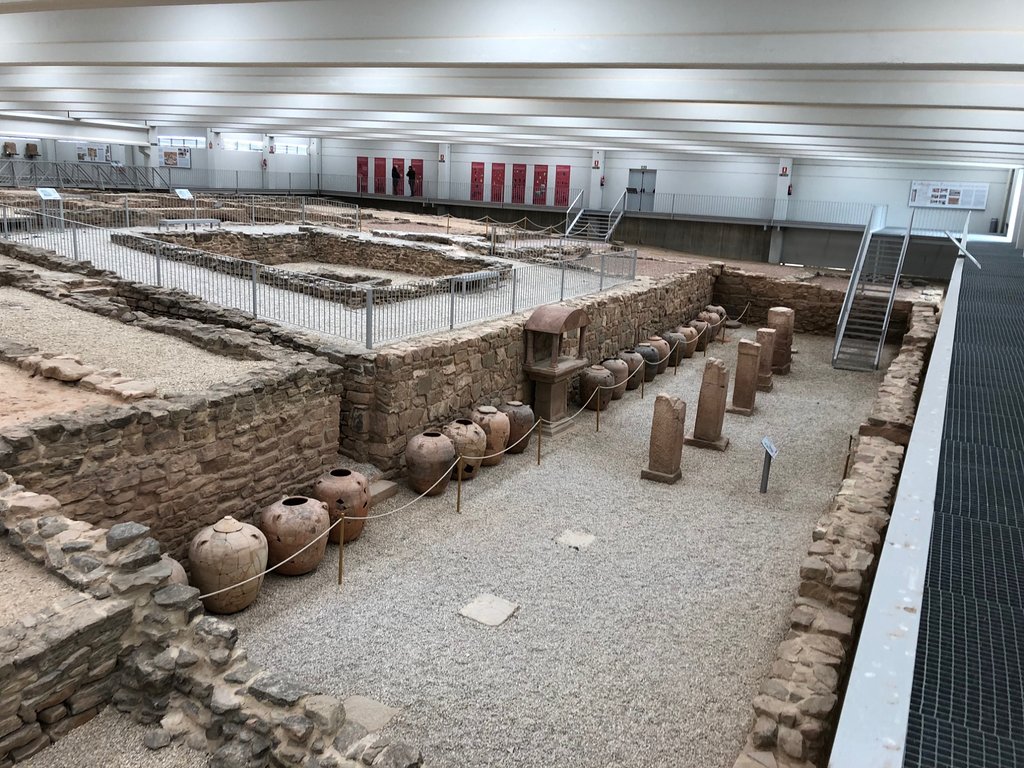
Museo de la Villa Romana de El Molino de Cereales
Explore a remarkably preserved Roman villa, featuring an ancient winery and stunning mosaics. Step back 2,000 years into Roman life in Navarra.
Highlights
Must-see attractions

Social
From TikTok & Reddit
Best Time
Fewer crowds, better photos
Museo de la Villa Romana de El Molino de Cereales
Best Time
Fewer crowds, better photos
Highlights
Must-see attractions
Explore a remarkably preserved Roman villa, featuring an ancient winery and stunning mosaics. Step back 2,000 years into Roman life in Navarra.
"An excellent place to observe what this Roman villa was like, how people lived, and their work."
🚗 Follow Road Signs
Ignore GPS for the last bit; road signs lead to paved access. Gravel roads can be tricky!
📱 Use Translation Apps
Limited English info. Download offline translation for a richer understanding.
Quick Facts
Hours
Rating
4.6 · 348 reviews
Type
Historical Landmark
Highlights
Discover the most iconic attractions and experiences
Roman Winery (Cella Vinaria)
Main excavation site
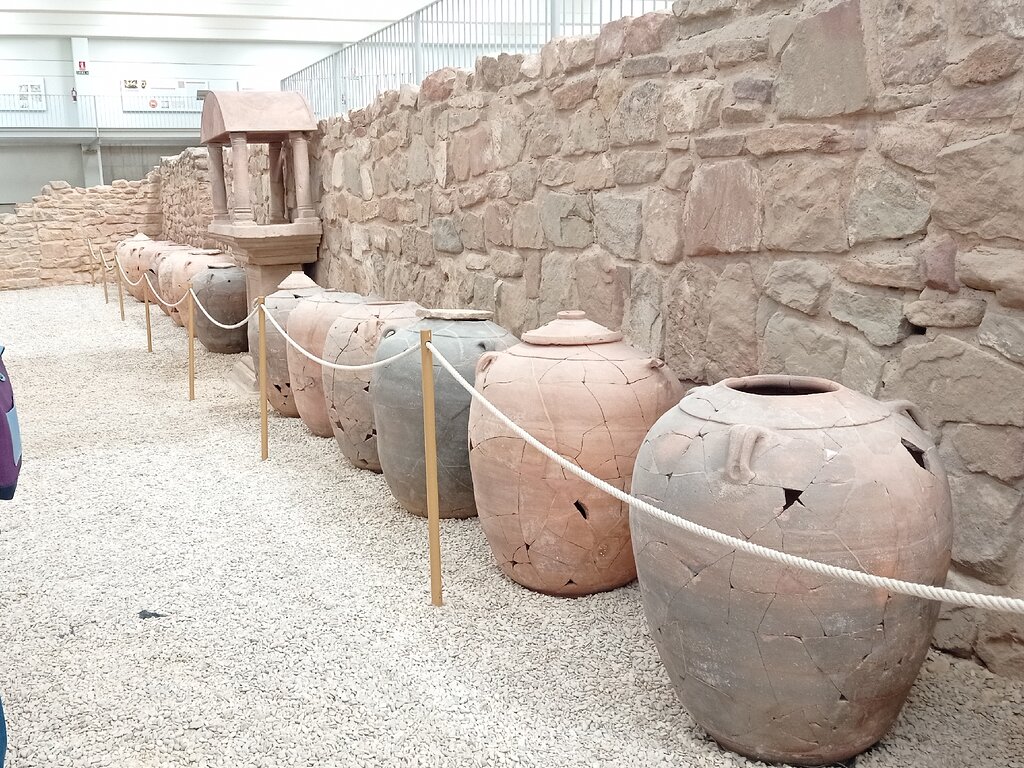
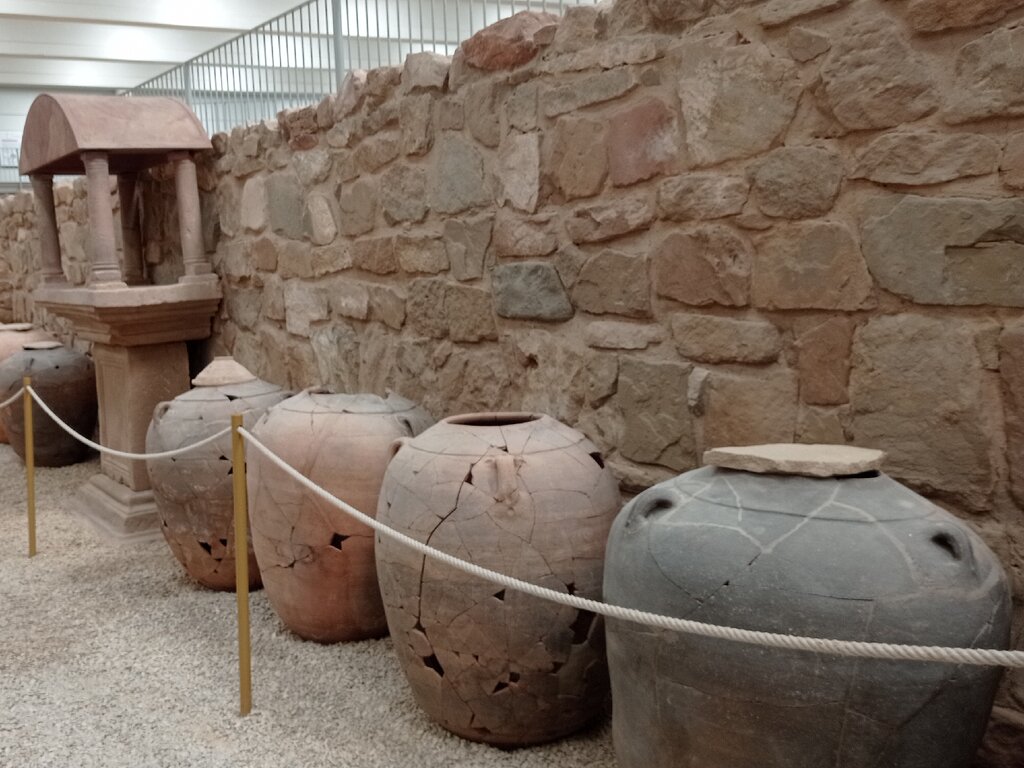
Step back 2,000 years to see how Romans produced wine, with preserved dolia (storage jars).
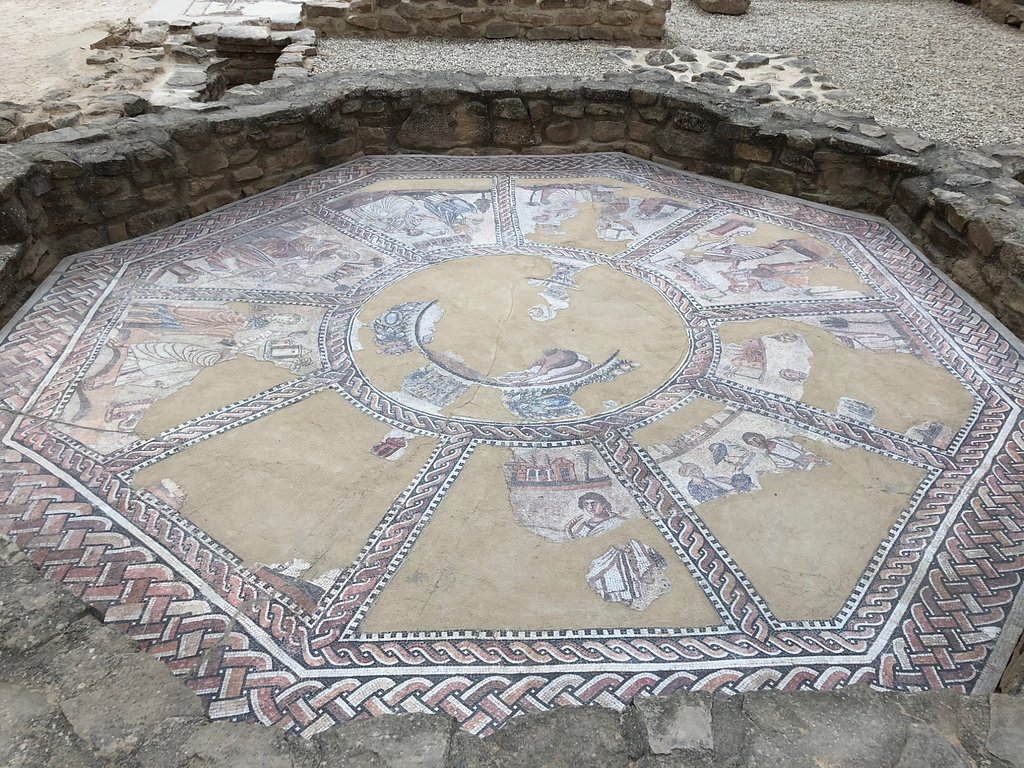
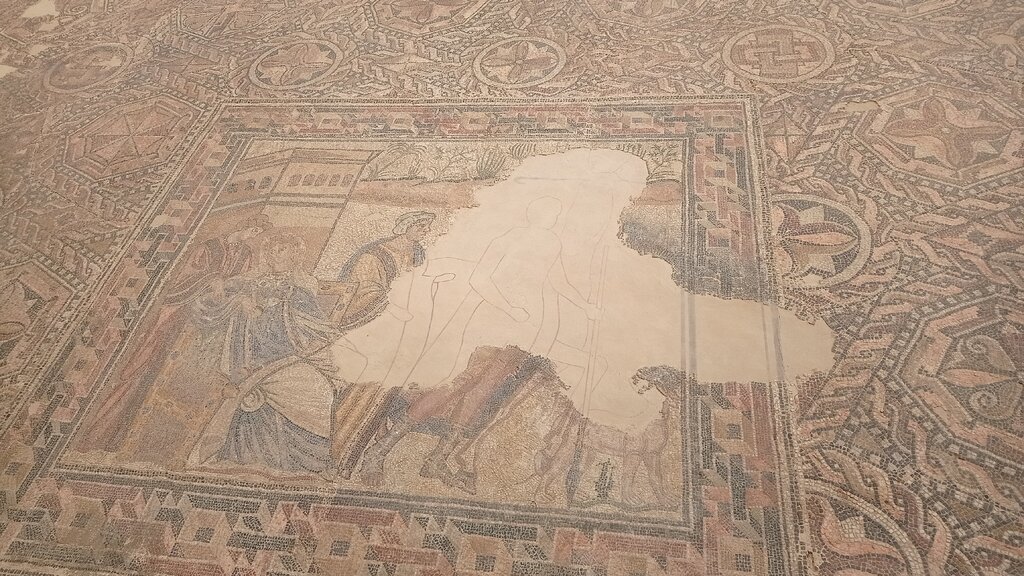
Intricate Mosaics
Various rooms
Marvel at the detailed mosaics, including a replica of the 'Muses' mosaic, showcasing Roman artistry.
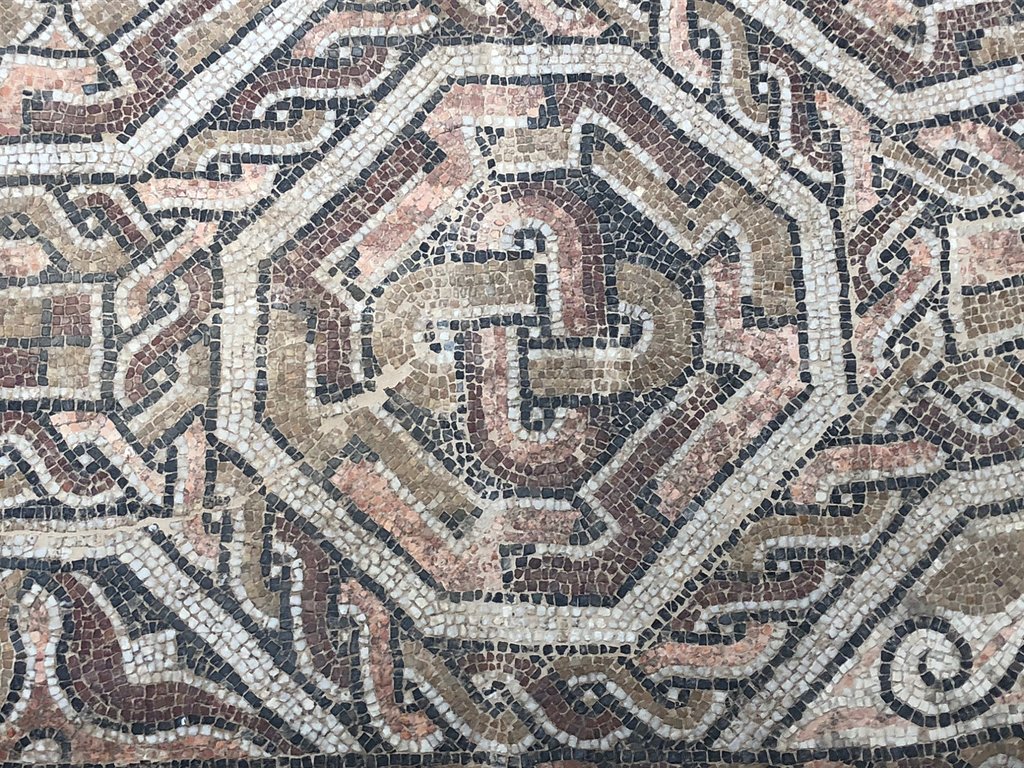
Preserved Villa Structures
Entire site
Explore the well-maintained ruins, offering a glimpse into Roman daily life, work, and architecture.
Plans like a pro.
Thinks like you
Planning Your Visit
Navigating to the Villa
Unlock Ancient History
Best Times
Insider Tips
from TikTok, Instagram & Reddit
🚗 Follow Road Signs
Ignore GPS for the last bit; road signs lead to paved access. Gravel roads can be tricky!
📱 Use Translation Apps
Limited English info. Download offline translation for a richer understanding.
💰 Affordable Entry
Incredible value at just €2.50. A must-visit for history buffs!
📸 Capture the Details
The mosaics and preserved structures are incredibly photogenic.
Tips
from all over the internet
🚗 Follow Road Signs
Ignore GPS for the last bit; road signs lead to paved access. Gravel roads can be tricky!
📱 Use Translation Apps
Limited English info. Download offline translation for a richer understanding.
💰 Affordable Entry
Incredible value at just €2.50. A must-visit for history buffs!
📸 Capture the Details
The mosaics and preserved structures are incredibly photogenic.
What Travellers Say
Reviews Summary
Visitors praise the Museo de la Villa Romana de El Molino de Cereales for its excellent preservation, fascinating insights into Roman life, and incredibly affordable entry fee. The well-maintained site and the unique Cella Vinaria are frequently highlighted as major draws. Some reviewers note the limited opening hours and the primary use of Spanish for information, suggesting translation apps as a helpful tool.
"Amazing ruins of a Roman "winery"
Very interesting visit, they did a great archeological and work.
The site is covered and very well design.
Don't follow Google Maps indications but the signs on the road to get there, otherwise you'll have to drive on gravel."
Jorge Petrina
"Only €2.50 to go in. Its well worth a visit. Lots of history. Leaflets in English and most languages. Very beautiful area also where it is."
Jackie Lyons
"Some nice mosaics, nothing in English, but good signal so you can use Google translate. Very limited hours open"
Stephen Walker
What People Like
What People Dislike
Frequently Asked Questions
🚇 🗺️ Getting There
While Google Maps might suggest gravel roads, it's best to follow the official road signs for the Villa Romana de Arellano to ensure you reach the site via paved routes. This avoids potential issues with your vehicle and makes for a smoother arrival.
Yes, there is typically ample parking available at the site, especially if you arrive during off-peak hours. The designated parking area is convenient for accessing the main attractions.
Arellano is best reached by car, offering the most flexibility to explore the surrounding beautiful area. Public transport options might be limited, so driving is recommended for ease of access.
🎫 🎫 Tickets & Entry
The villa has very limited opening hours, so it's crucial to check them before your visit. Planning your trip around these specific times will ensure you don't miss out.
Admission is very affordable, costing only €2.50 per person. This makes it an excellent value for the historical experience offered.
Tickets are typically available for purchase upon arrival at the site. However, due to limited hours, it's always a good idea to confirm this if you are traveling from a distance.
While not always explicitly advertised, some visitors have reported having great guides. It's worth inquiring upon arrival if a guided tour is an option for a more in-depth understanding.
🎫 🏛️ Onsite Experience
You can explore impressive Roman ruins, including a well-preserved winery (Cella Vinaria) with storage jars (dolia), intricate mosaics, and the remains of residential buildings, offering insights into Roman life.
The site is very well-maintained and designed for controlled access, making it easy to explore. Explanations and drawings are provided to help visitors understand the historical context.
Information panels may be primarily in Spanish. However, the site has good signal, allowing you to use translation apps on your phone to understand the details.
The Cella Vinaria was a Roman winery where grape must was stored in large 'dolia' (jars) for fermentation. It's a key feature of the villa, showcasing ancient wine production techniques.
Yes, there is a replica of the 'Mosaic of the Muses' displayed in its original location, allowing visitors to compare it with the original fragments and appreciate the artistry.
📸 📸 Photography
Photography is generally allowed within the site, and it's a fantastic place to capture historical architecture and detailed mosaics.
The Cella Vinaria with its dolia and the intricate mosaics are particularly photogenic. The overall ruins also offer great perspectives for capturing the scale of the villa. +1
Late afternoon often provides beautiful golden hour light that enhances the textures of the ruins and mosaics, making for stunning photographs.

Social
from TikTok, Instagram & Reddit