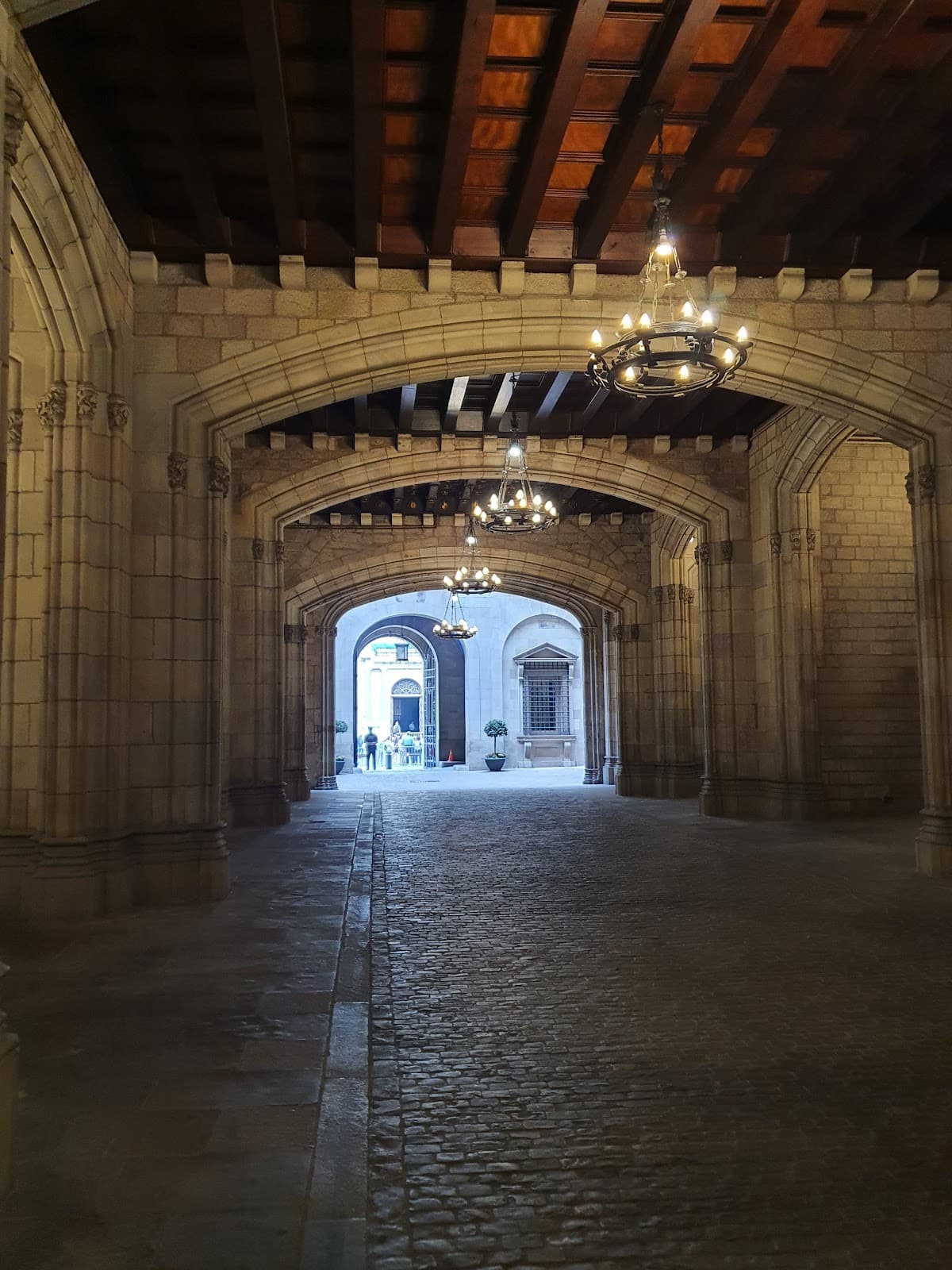
Casa de la Ciutat Industrial
Step into Barcelona's civic heart! Explore centuries of history, from Gothic halls to neoclassical grandeur, in the free-to-enter City Hall.
Highlights
Must-see attractions

Social
From TikTok & Reddit
Best Time
Fewer crowds, more serene
Casa de la Ciutat Industrial
Best Time
Fewer crowds, more serene
Highlights
Must-see attractions
Step into Barcelona's civic heart! Explore centuries of history, from Gothic halls to neoclassical grandeur, in the free-to-enter City Hall.
"A place that invites you not only to look—to admire the architecture—but to listen: the echoes of decisions, of urban transformations."
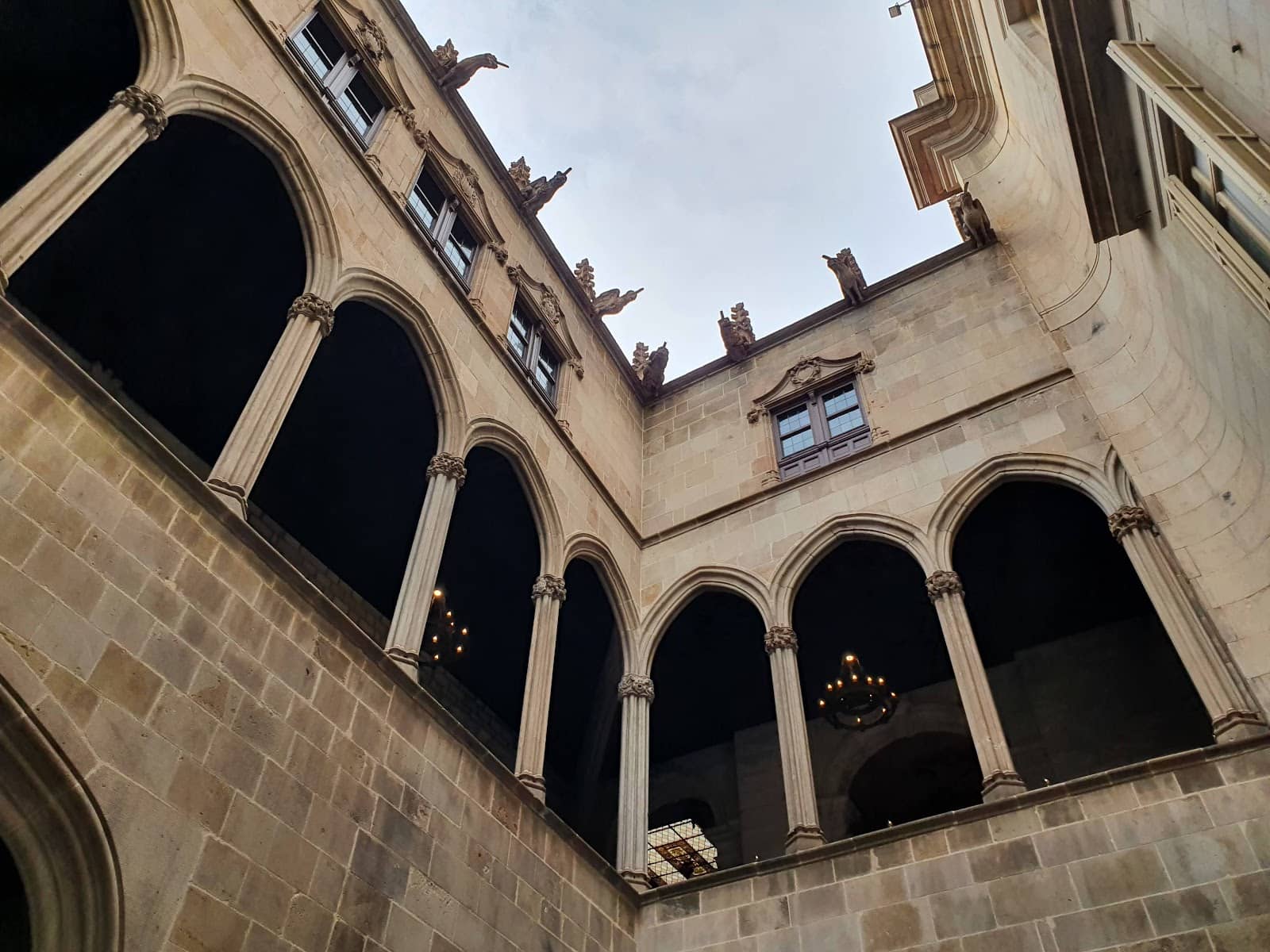
🎯 Free Admission!
Enjoy exploring this historic gem without any cost. A true bargain for history buffs!
👟 Comfortable Shoes Recommended
You'll be doing some walking and exploring grand halls, so wear comfy shoes.
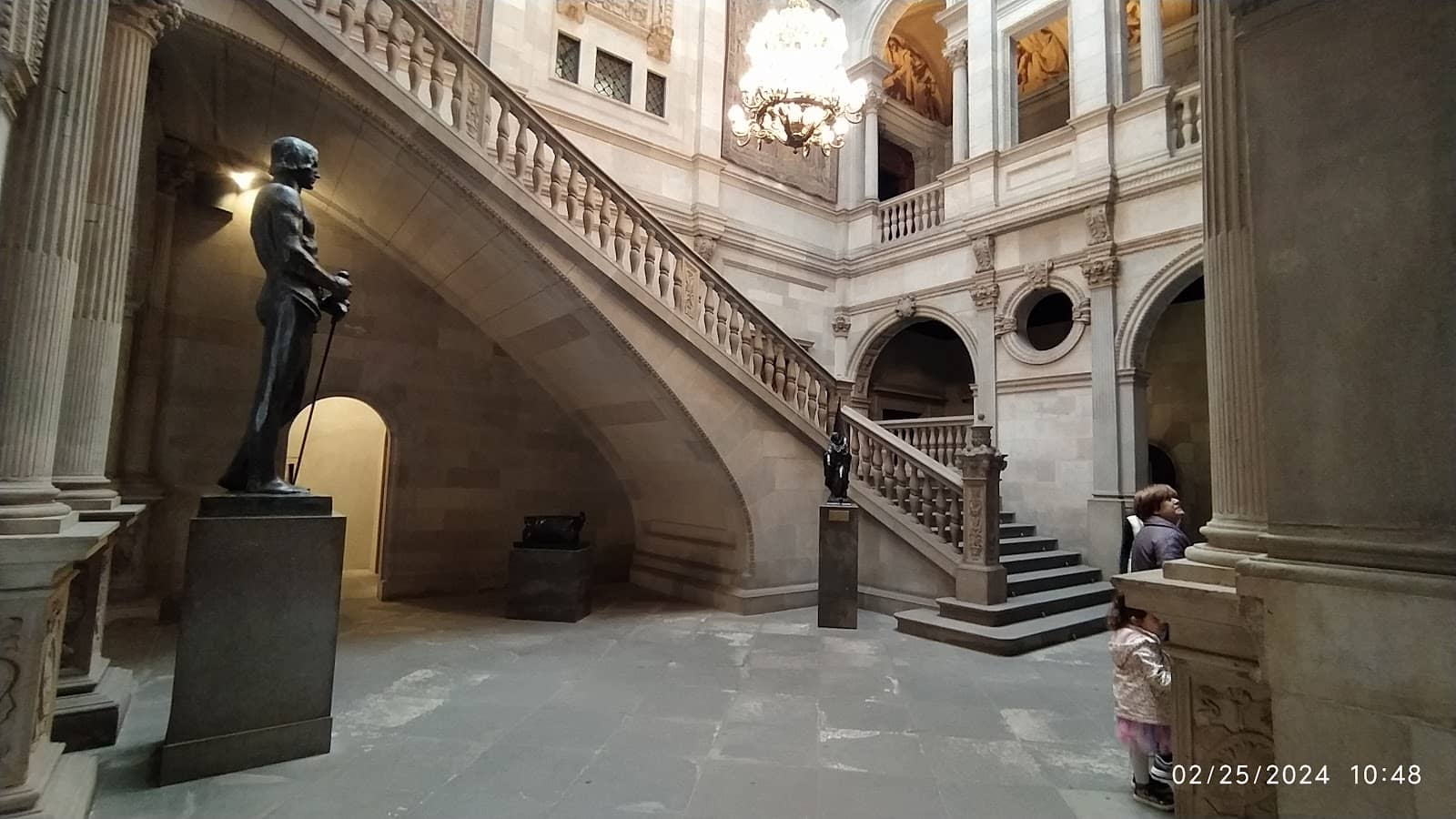
Quick Facts
Rating
4.9 · 10 reviews
Type
Historical Landmark
Highlights
Discover the most iconic attractions and experiences
Saló de Cent
Gothic Heart
Marvel at the historic hall where the Consell de Cent met, featuring carved wooden ceilings and walls echoing centuries of debate.
Neoclassical Facade
Plaça Sant Jaume
Admire the grand 19th-century facade, a testament to architectural transformation and civic pride.
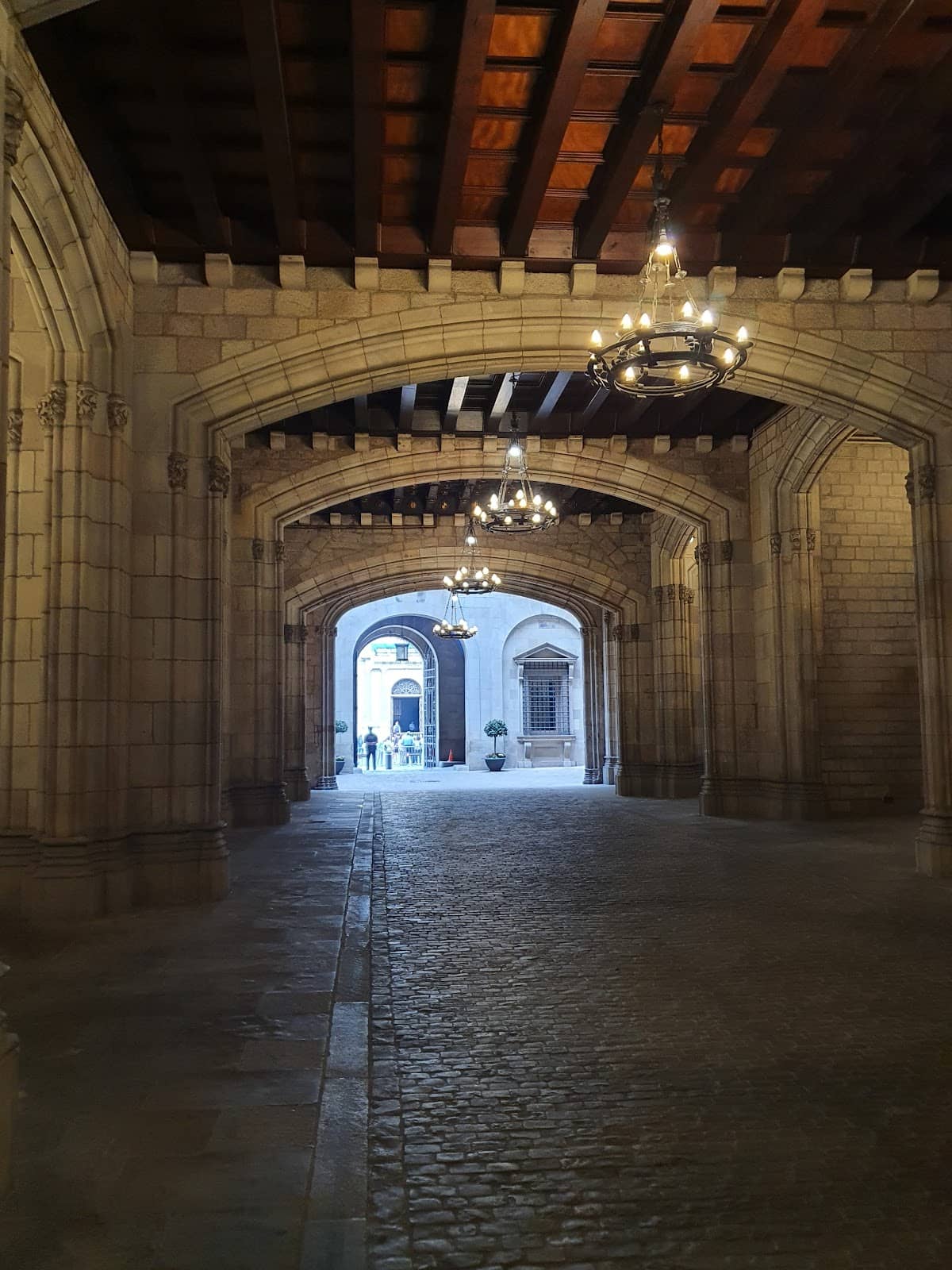
Central Courtyard
Interior Courtyard
Find a moment of calm amidst arcades and sculptures, a space that bridges the building's historical eras.
Plans like a pro.
Thinks like you
Planning Your Visit
Free Entry, Rich History
Gothic Meets Neoclassical
Best Times
Insider Tips
from TikTok, Instagram & Reddit
🎯 Free Admission!
Enjoy exploring this historic gem without any cost. A true bargain for history buffs!
👟 Comfortable Shoes Recommended
You'll be doing some walking and exploring grand halls, so wear comfy shoes.
📸 Capture the Details
Don't just see the grand spaces; look for intricate carvings, stained glass, and sculptures.
⏳ Allow Ample Time
Soak in the atmosphere and history; don't rush through this layered architectural marvel.
Tips
from all over the internet
🎯 Free Admission!
Enjoy exploring this historic gem without any cost. A true bargain for history buffs!
👟 Comfortable Shoes Recommended
You'll be doing some walking and exploring grand halls, so wear comfy shoes.
📸 Capture the Details
Don't just see the grand spaces; look for intricate carvings, stained glass, and sculptures.
⏳ Allow Ample Time
Soak in the atmosphere and history; don't rush through this layered architectural marvel.
What Travellers Say
Reviews Summary
Visitors consistently praise Casa de la Ciutat for its stunning blend of Gothic and neoclassical architecture and its rich historical significance. The free entry is a major highlight, allowing everyone to experience the grandeur of Barcelona's City Hall, including the impressive Saló de Cent. Some note that it can get busy, and specific opening times for certain halls might require checking ahead.
"I entered the Casa de la Ciutat, the historic building that houses Barcelona City Council, located in the heart of the Gothic Quarter, on Plaça Sant Jaume.
As I stepped through its doors, I felt the interweaving of centuries of history, civic decisions, and architecture that speaks of power, identity, and transformation.
History and Transformation
The building has deep medieval roots. The Gothic heart of the complex is the famous Saló de Cent, the hall where the former Consell de Cent—the city government—had met since 1373.
Over the centuries, the building was expanded and transformed to adapt to the needs of a constantly changing city. Its neoclassical façade (facing Plaça Sant Jaume) was designed between 1838 and 1847 by the architect Josep Mas i Vila.
Architecture and Impressive Spaces
Walking through its interior, I paused to admire the grandeur of the Saló de Cent: carved wooden ceilings, walls that have witnessed important debates, and soaring Gothic windows. The combination of medieval and modern is striking—one finds Gothic arches alongside 19th-century staircases, 20th-century stained-glass windows, and contemporary sculptures that engage with the past.
Another corner that caught my attention was the central courtyard, a space that invites pause and displays sculptures by Barcelona artists amidst arcades.
Interesting Facts I Discovered
On the neoclassical façade, flanking the entrance door, there are two sculptures: one of King James the Conqueror and the other of his advisor, Joan Fiver, both works from 1844.
In the Saló de Cent hall, there is a plaque marking the start date of the Consell de Cent meeting: August 17, 1373.
Visits to the building are free and allow you to see the historical heritage from within: plenary halls, Gothic galleries, stained-glass windows...
My Feeling
Walking through the halls of the Casa de la Ciutat, I had the sensation of being between layers of time: medieval Barcelona, the modern city of the 19th century, the global metropolis of today. It is a place that invites you not only to look—to admire the architecture—but to listen: the echoes of decisions, of urban transformations, of active citizenship. As I climbed the steps and looked toward the main facade, it seemed to me that I was peering into the skin of the city."
Perico Polite
"Strolling through the historic center of Barcelona, we come across this beautiful neoclassical building, known as the Casa de la Ciudad, which houses Barcelona City Hall. Its monumental main façade was completed in 1847 and is the work of architect José Mas Vila (1779-1855)."
José Julio Melgares
"A super beautiful nativity scene"
Alejandro René Camacho Martinez
What People Like
What People Dislike
Frequently Asked Questions
🚇 🗺️ Getting There
Casa de la Ciutat, also known as Barcelona City Hall, is centrally located in the Gothic Quarter on Plaça Sant Jaume. You can easily reach it by metro to Jaume I (L4) or Liceu (L3), followed by a short walk. Many bus routes also stop nearby.
Yes, it's very accessible. The nearest metro stations are Jaume I and Liceu, both within a 5-10 minute walk. Numerous bus lines also serve the area, making it convenient to reach.
From Las Ramblas, head towards the Gothic Quarter. You can walk through Carrer del Bisbe or explore smaller alleys until you reach Plaça Sant Jaume. It's a pleasant stroll through historic streets.
Parking in the Gothic Quarter can be challenging and expensive. It's highly recommended to use public transport. If you must drive, consider public parking garages like Saba Estació BCN-Gòtic.
Absolutely! The Barcelona Cathedral is just a few minutes' walk from Plaça Sant Jaume. Simply head south through the charming streets of the Gothic Quarter.
🎫 🎫 Tickets & Entry
No, entry to Casa de la Ciutat (Barcelona City Hall) is completely free! You can explore its historical halls and courtyards without purchasing a ticket.
Opening hours can vary, especially for specific halls or during special events. It's best to check the official Barcelona City Council website for the most up-to-date information before your visit.
The Saló de Cent is a key part of the free visit. While generally accessible, it's wise to confirm access during your planned visit, as it might be used for events.
Yes, it is typically open on weekends, but hours might differ from weekdays. Always verify the current schedule on the official website to avoid disappointment.
While general entry is free and self-guided, sometimes special events or specific times might offer guided tours. Check the City Council's cultural agenda for any announcements.
🎫 🏛️ Onsite Experience
Don't miss the magnificent Saló de Cent with its Gothic architecture, the plenary hall where municipal sessions are held, and the serene central courtyard. The blend of medieval and neoclassical styles is captivating.
To truly appreciate the history and architecture, allocate at least 1-2 hours. This allows time to explore the main halls, courtyard, and absorb the atmosphere.
Generally, photography for personal use is permitted in most public areas. However, it's always good practice to be discreet and respectful, and check for any specific signage.
It's a fascinating mix! The building has deep medieval Gothic roots, most notably in the Saló de Cent, and a prominent neoclassical facade added in the 19th century.
While the building itself is the main artifact, you'll see historical plaques, sculptures, and architectural elements that tell the story of Barcelona's governance through the ages.
📸 📸 Photography
The Saló de Cent offers dramatic interior shots with its Gothic arches and ceilings. The central courtyard provides a more tranquil, architectural backdrop. The neoclassical facade on Plaça Sant Jaume is also a key photo opportunity.
Yes, personal photography of the sculptures and architectural details is usually allowed. Focus on the intricate craftsmanship and how they complement the historical setting.
Late afternoon light can be beautiful on the neoclassical facade, casting a warm glow. Morning light is also good, especially if you want to capture the activity in Plaça Sant Jaume.
Absolutely. Drone photography is strictly prohibited in urban areas like this, especially around government buildings, for safety and privacy reasons.
The Saló de Cent can be dimly lit. Use a wider aperture (lower f-number) to let in more light and consider a slightly higher ISO if needed. A tripod might be helpful if allowed and space permits, but be mindful of other visitors.
Social
from TikTok, Instagram & Reddit