
Hospital de Sant Julià
A 12th-century Romanesque gem in Besalú, serving as both a pilgrim hospital and church, famed for its intricate facade.
Highlights
Must-see attractions

Social
From TikTok & Reddit
Best Time
Best light for facade details
Hospital de Sant Julià
Best Time
Best light for facade details
Highlights
Must-see attractions
A 12th-century Romanesque gem in Besalú, serving as both a pilgrim hospital and church, famed for its intricate facade.
"A magnificent remnant from the 12th century, worth seeing for its Romanesque beauty and historical significance."

📸 Capture the Details
Focus on the beautiful archivolts and capitals; they are the true gems of this Romanesque structure. :camerawithflash:
🚶♂️ Explore Besalú
This gem is part of the historic town of Besalú. Wander its medieval streets after your visit! 🚶

Quick Facts
Rating
4.1 · 18 reviews
Type
Church
Highlights
Discover the most iconic attractions and experiences
Romanesque Facade
Exterior
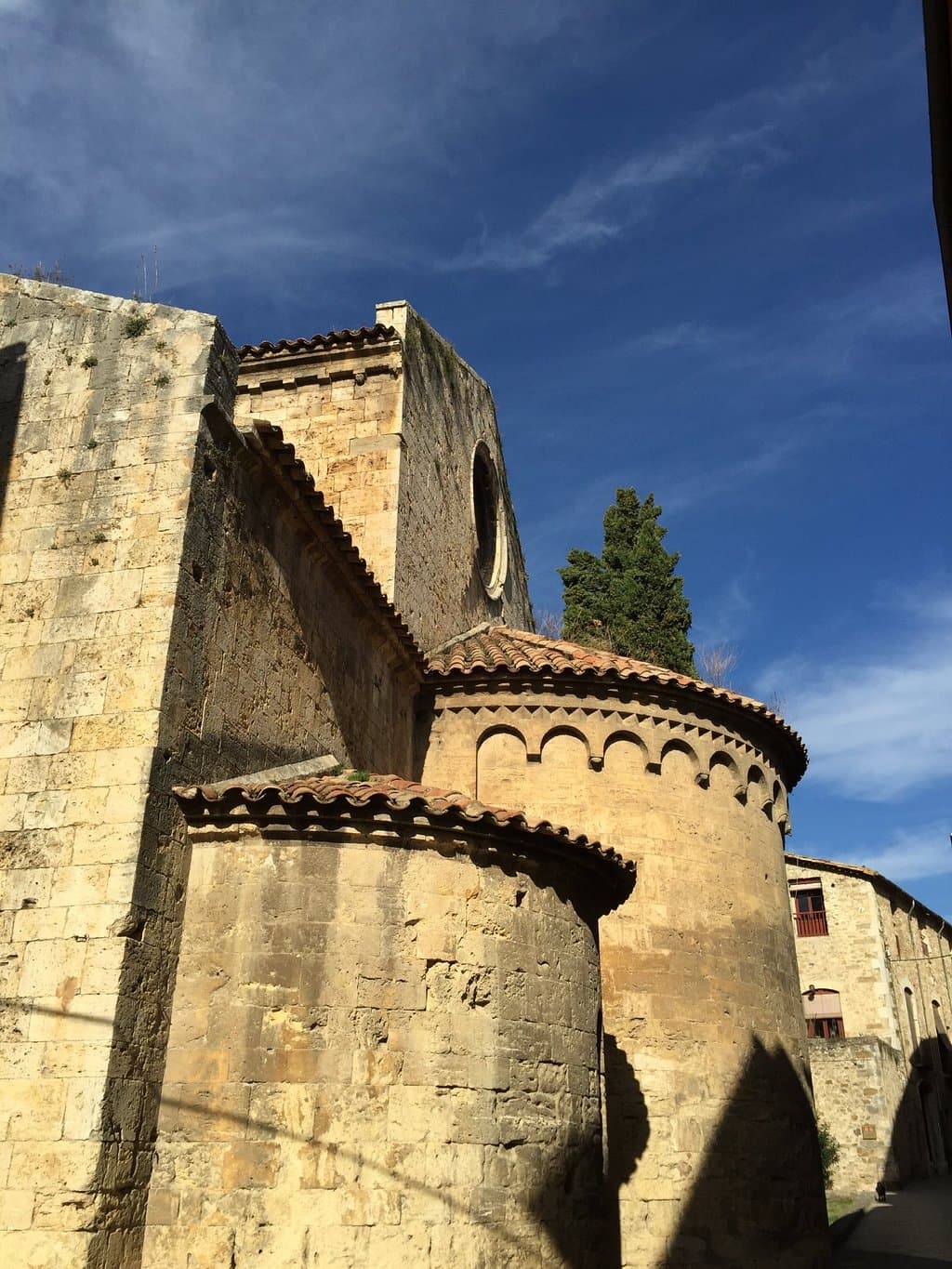
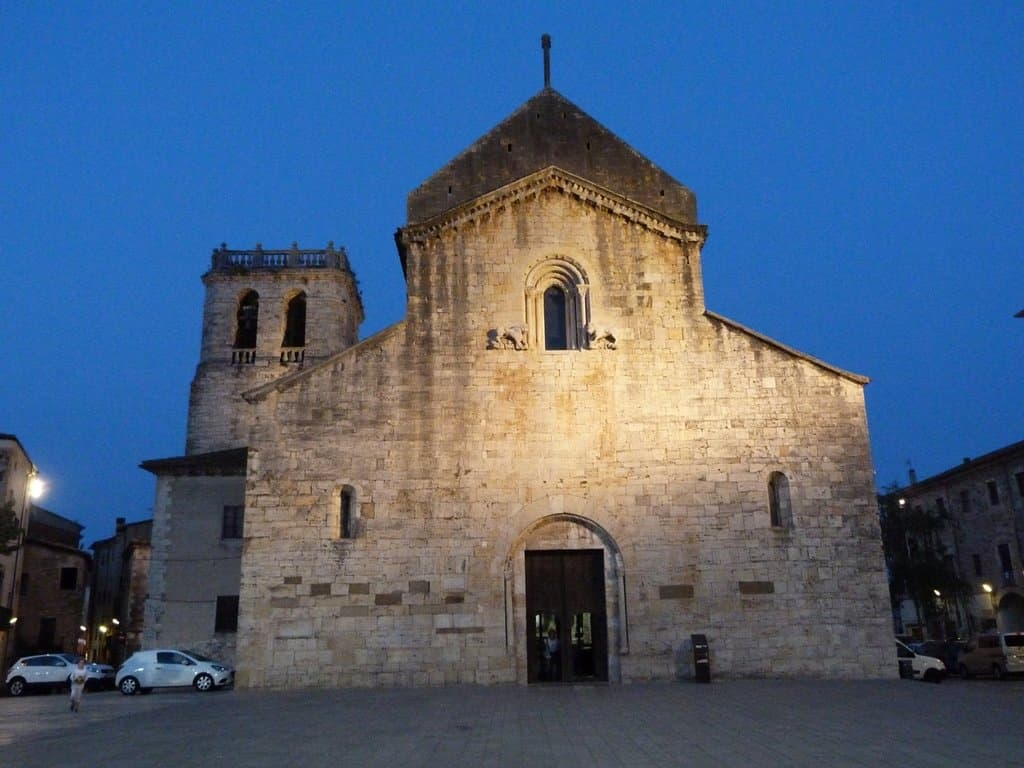
Admire the intricate archivolts and beautifully carved external capitals of this 12th-century masterpiece.
Pilgrim Hospital History
Information signs
Learn about its original function as a vital aid station for pilgrims on the Camino de Santiago.
Plans like a pro.
Thinks like you
Planning Your Visit
Understand its Dual Purpose
Admire the Romanesque Facade
Best Times
Insider Tips
from TikTok, Instagram & Reddit
📸 Capture the Details
Focus on the beautiful archivolts and capitals; they are the true gems of this Romanesque structure. :camerawithflash:
🚶♂️ Explore Besalú
This gem is part of the historic town of Besalú. Wander its medieval streets after your visit! 🚶
📚 Read the Signs
Information signs provide fascinating context about its dual role as a hospital and church. 📚
Tips
from all over the internet
📸 Capture the Details
Focus on the beautiful archivolts and capitals; they are the true gems of this Romanesque structure. :camerawithflash:
🚶♂️ Explore Besalú
This gem is part of the historic town of Besalú. Wander its medieval streets after your visit! 🚶
📚 Read the Signs
Information signs provide fascinating context about its dual role as a hospital and church. 📚
What Travellers Say
Reviews Summary
Visitors praise the Hospital de Sant Julià for its magnificent Romanesque facade, highlighting the beautiful archivolts and carved capitals. Many appreciate its historical significance as a pilgrim hospital, noting it's a well-preserved remnant of the 12th century. While some point out it's primarily an exterior viewing experience, its architectural merit and historical context are consistently lauded.
"Very nice Medieval stone-built church"
Alexandre Nunes de Oliveira
"I think it was never a church.... The Romanesque references in the main entrance are due to the prevailing fashion of the time in construction matters, Romanesque. I don't see Christian symbolism anywhere.
The archivolts and external capitals are beautiful.
💯x💯 Romanesque and worthy of admiration.
I loved it. You never get tired of looking at them ❤️"
Enric Caujapé
"The Church of Sant Julià de Besalú is a 12th-century Romanesque church located in the city of Besalú, in the province of Girona, Catalonia, Spain. It is one of the most important monuments in the city and one of the best examples of Catalan Romanesque architecture.
It was used as a hospital for pilgrims who came and went to Santiago de Compostela."
Davinciviews
What People Like
What People Dislike
Frequently Asked Questions
🚇 🗺️ Getting There
Hospital de Sant Julià is located within the historic town of Besalú, Catalonia, Spain. If you're driving, there are parking areas outside the medieval center. Public transport options might involve buses from nearby cities like Girona, followed by a walk into the town. Check local bus schedules for the most up-to-date information.
Yes, once you are in Besalú, Hospital de Sant Julià is easily accessible on foot as it's situated within the charming medieval town. Wear comfortable shoes for exploring the cobblestone streets. :athletic_shoe:
🎫 🎫 Tickets & Entry
The Hospital de Sant Julià is primarily viewed from the exterior, and access to the facade is generally free. It's part of the historic town of Besalú, which you can wander through. 🎟️
As it's an exterior architectural feature within the town, there are no specific opening hours. You can admire the Romanesque facade at any time during your visit to Besalú.
No, there is typically no entrance fee to see the exterior of the Hospital de Sant Julià. It's a historical monument integrated into the town's landscape.
🎫 🏛️ Onsite Experience
The main attraction is its well-preserved 12th-century Romanesque facade, featuring beautiful archivolts and carved capitals. It's a significant example of Catalan Romanesque architecture. ⭐
It was founded in the 12th century to serve as a hospital for pilgrims traveling to Santiago de Compostela, as well as functioning as a church. This dual purpose is a key historical aspect. 🙏
The surviving structure primarily consists of the exterior facade. While it was historically a hospital and church, public access to the interior may be limited or non-existent, with the focus being on appreciating the architecture from the outside.
The building is a prime example of Romanesque architecture, specifically Catalan Romanesque. Its facade showcases the characteristic elements of this style from the 12th century. :building_construction:
Absolutely! For anyone interested in medieval history, Romanesque architecture, or the Camino de Santiago, it's a significant and beautiful monument worth seeing in Besalú. 👍
📸 📸 Photography
The best photo opportunities are directly in front of the facade to capture the full scope of the Romanesque architecture, including the archivolts and capitals. Early morning or late afternoon light can enhance the textures. :iphone:
Generally, there are no restrictions on photography for personal use of the exterior. However, always be mindful of other visitors and the historical nature of the site. 📷


Social
from TikTok, Instagram & Reddit