
Sant Esteve de Betren
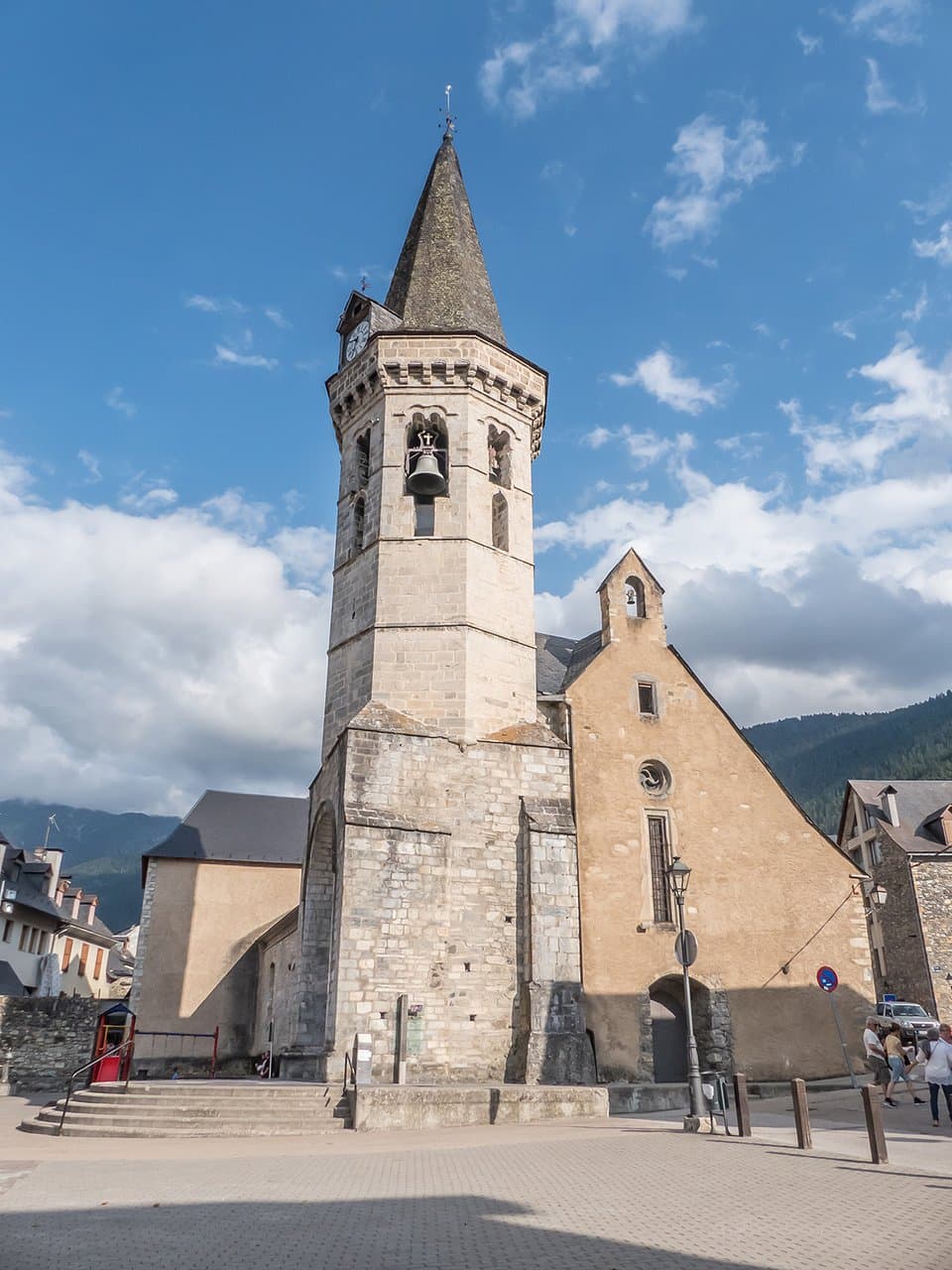
A 14th-century church in Betren, showcasing unique transitional Romanesque-Gothic architecture with a striking portal and windows.
Highlights
Must-see attractions

Social
From TikTok & Reddit
Best Time
Best for exterior viewing
Sant Esteve de Betren
Best Time
Best for exterior viewing
Highlights
Must-see attractions
A 14th-century church in Betren, showcasing unique transitional Romanesque-Gothic architecture with a striking portal and windows.
"This church is an interesting example of transitional architecture between Romanesque and Gothic."

Check Opening Hours
The church interior is often closed. Verify local schedules before your visit to avoid disappointment. :informationdeskperson:
Appreciate the Exterior
Even when closed, the church's unique architecture and carvings are worth admiring from the outside. :camerawithflash:
Quick Facts
Rating
4.2 · 32 reviews
Type
Church
Highlights
Discover the most iconic attractions and experiences
Transitional Architecture
Exterior of Sant Esteve de Betren
Admire the unique blend of Romanesque and Gothic styles, a testament to 14th-century craftsmanship.
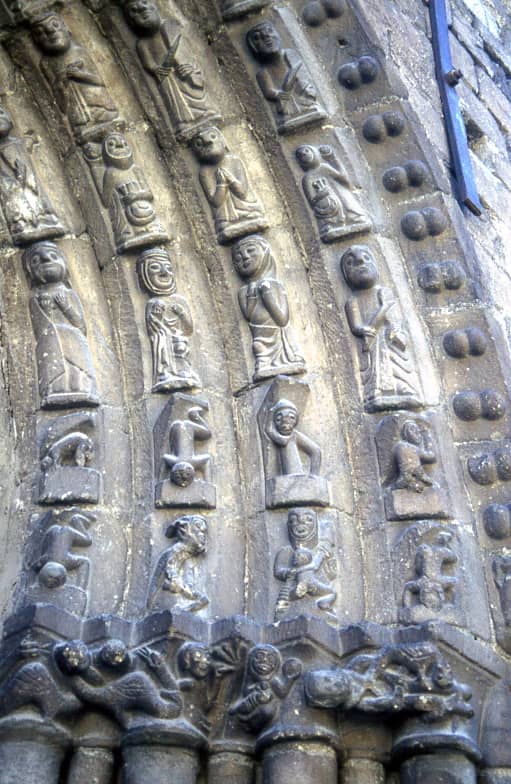
Ornate Portal
Church Entrance
Marvel at the detailed entrance door with columns and archivolts, featuring a Virgin Mary and Child carving.

Multi-Arched Windows
Church Facade
Note the striking windows with multiple arches, adding to the church's distinctive visual appeal.
Plans like a pro.
Thinks like you
Planning Your Visit
Timing Your Visit
Exploring Betren
Best Times
Insider Tips
from TikTok, Instagram & Reddit
Check Opening Hours
The church interior is often closed. Verify local schedules before your visit to avoid disappointment. :informationdeskperson:
Appreciate the Exterior
Even when closed, the church's unique architecture and carvings are worth admiring from the outside. :camerawithflash:
Explore Betren Village
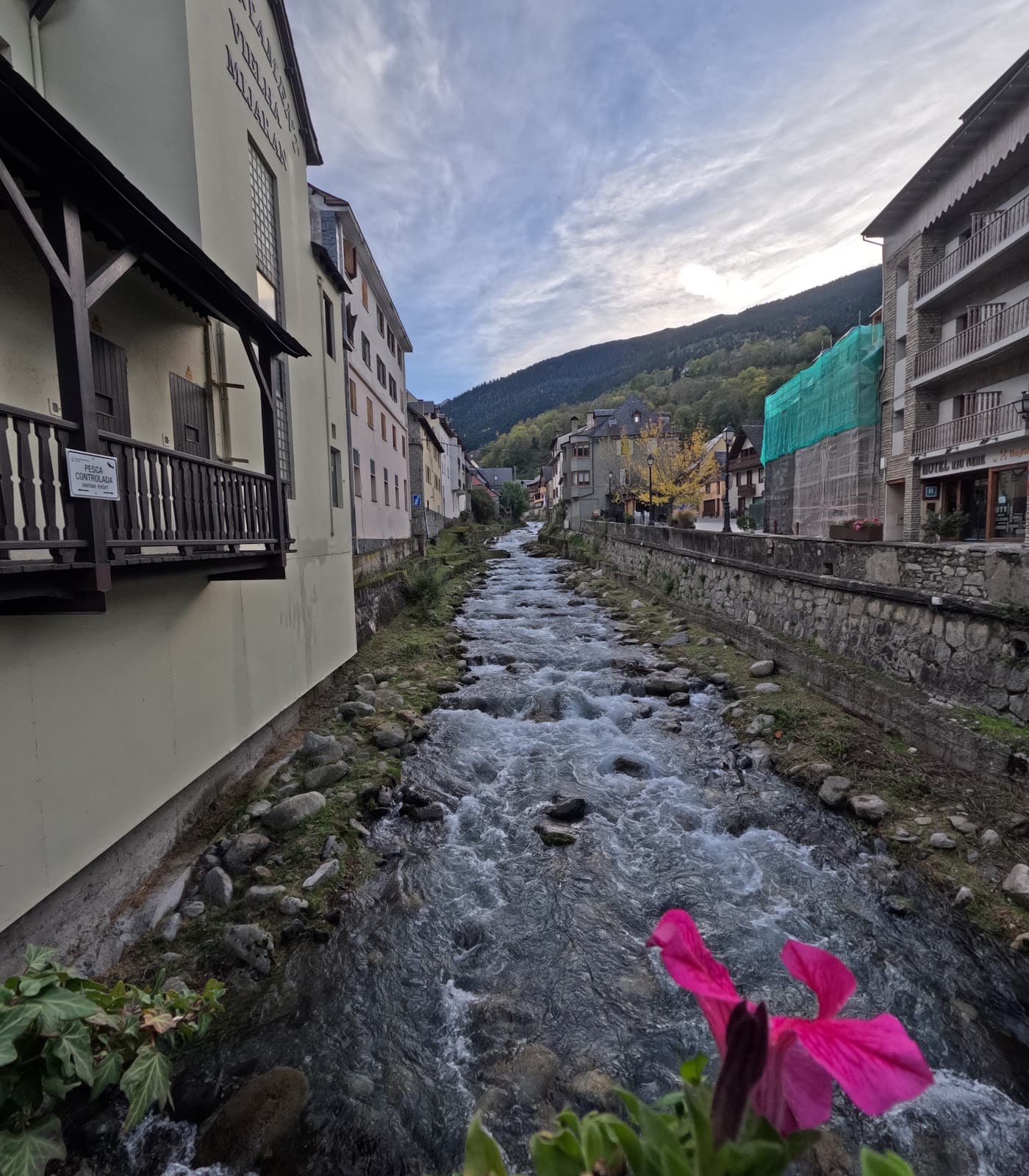
Wander through the quiet streets of Betren to soak in the local atmosphere and traditional Pyrenean charm. 🚶
Tips
from all over the internet
Check Opening Hours
The church interior is often closed. Verify local schedules before your visit to avoid disappointment. :informationdeskperson:
Appreciate the Exterior
Even when closed, the church's unique architecture and carvings are worth admiring from the outside. :camerawithflash:
Explore Betren Village
Wander through the quiet streets of Betren to soak in the local atmosphere and traditional Pyrenean charm. 🚶
What Travellers Say
Reviews Summary
Visitors praise Sant Esteve de Betren for its beautiful village setting and unique 14th-century architecture, a blend of Romanesque and Gothic styles. The ornate portal and multi-arched windows are frequently highlighted as impressive features. However, many note that the church interior is often closed, limiting the full experience.
"Beautiful town!"
Marco M
"This village is connected to Vielha if you come from Arties by road, which becomes an avenue as you enter the towns. This church dates from the 14th century, an interesting example of transitional architecture between Romanesque and Gothic. What's interesting about this church is that it doesn't have a bell tower. The windows with multiple arches are striking, as is the entrance door with columns, with the Virgin Mary and Child in her lap standing out at the top. We were unable to visit the interior as it was closed."
Lluis Higini Melero Peris
"Located in the town of Betren, in the Municipality of Vielha e Mijaran. It is a transitional building between the Romanesque and Gothic styles. It consists of a single nave, covered with a pointed vault and with a large presbytery topped with three polygonal apses. Also notable is the portal with pointed archivolts, very ornamented. The bell tower, with a gable, is on the frontispiece, with two large eyes, and an upper body with a single eye. Inside, a Renaissance marble blessing font is preserved, with a Romanesque foot, and a simple baptismal font. There is also an altarpiece of Sant Sernilh,"
Sebastià Grinyó Martí
What People Like
What People Dislike
Frequently Asked Questions
🚇 🗺️ Getting There
Sant Esteve de Betren is located in the village of Betren, which is connected to Vielha. If you are coming from Arties by road, Betren will be on your way as you enter Vielha. It's easily accessible by car.
While specific bus routes directly to Betren might be limited, it's well-connected to Vielha, which has a more robust public transport network. Check local bus schedules for routes serving the Vielha e Mijaran municipality.
Parking is generally available on the streets of Betren. As it's a small village, finding a spot should be straightforward, especially outside of peak tourist seasons.
🎫 🎫 Tickets & Entry
There is no admission fee to view the exterior of Sant Esteve de Betren. However, the interior is often closed, so tickets are not typically required for entry.
The interior of Sant Esteve de Betren is frequently closed to visitors. It's advisable to check local tourist information or community boards for any specific opening times, though exterior viewing is always possible.
Unfortunately, many visitors report that the interior of Sant Esteve de Betren is closed. You can admire its significant architectural features from the outside.
📸 📸 Photography
Focus on capturing the unique transitional architecture, the ornate portal with its carvings, and the distinctive multi-arched windows. The surrounding village also offers charming photo opportunities.
Photography of the exterior of Sant Esteve de Betren is generally permitted. If by chance the interior is open, always check for any specific photography restrictions inside.
🎫 🏛️ History & Architecture
Sant Esteve de Betren is a fascinating example of transitional architecture, bridging the Romanesque and Gothic periods, dating back to the 14th century. It features a single nave, a pointed vault, and a large presbytery with three polygonal apses.
A notable feature is the absence of a traditional bell tower; instead, it has a gable on the frontispiece with two large eyes and an upper body with a single eye. The portal with pointed archivolts and decorative capitals is also a highlight.
While often inaccessible, historical descriptions mention a Renaissance marble blessing font with a Romanesque foot, a simple baptismal font, and an altarpiece of Sant Sernilh.


Social
from TikTok, Instagram & Reddit