Casa de Sefarad
Discover Cordoba's rich Sephardic heritage through captivating exhibits and enchanting live music in a historic Juderia home.

Highlights
Must-see attractions

Social
From TikTok & Reddit
Best Time
Live music adds magic
Casa de Sefarad
Best Time
Live music adds magic
Highlights
Must-see attractions
Discover Cordoba's rich Sephardic heritage through captivating exhibits and enchanting live music in a historic Juderia home.
"This museum is WOW! It's definitely MUST to visit when in Cordoba."
🎯 Catch a Live Performance
Don't miss the chance to hear traditional Sephardic songs; staff often perform and explain in multiple languages.
♿ Wheelchair Accessible
The museum is accessible for wheelchair users via a ramp and lift.
Quick Facts
Hours
Rating
4.5 · 776 reviews
Type
Museum
Highlights
Discover the most iconic attractions and experiences
Forbidden Books Exhibition
Explore a poignant display of books banned and burned throughout history, highlighting censorship and suppression.
Sephardic Music Performance
Experience captivating traditional Jewish Andalusian songs performed live, often in Hebrew and Ladino.
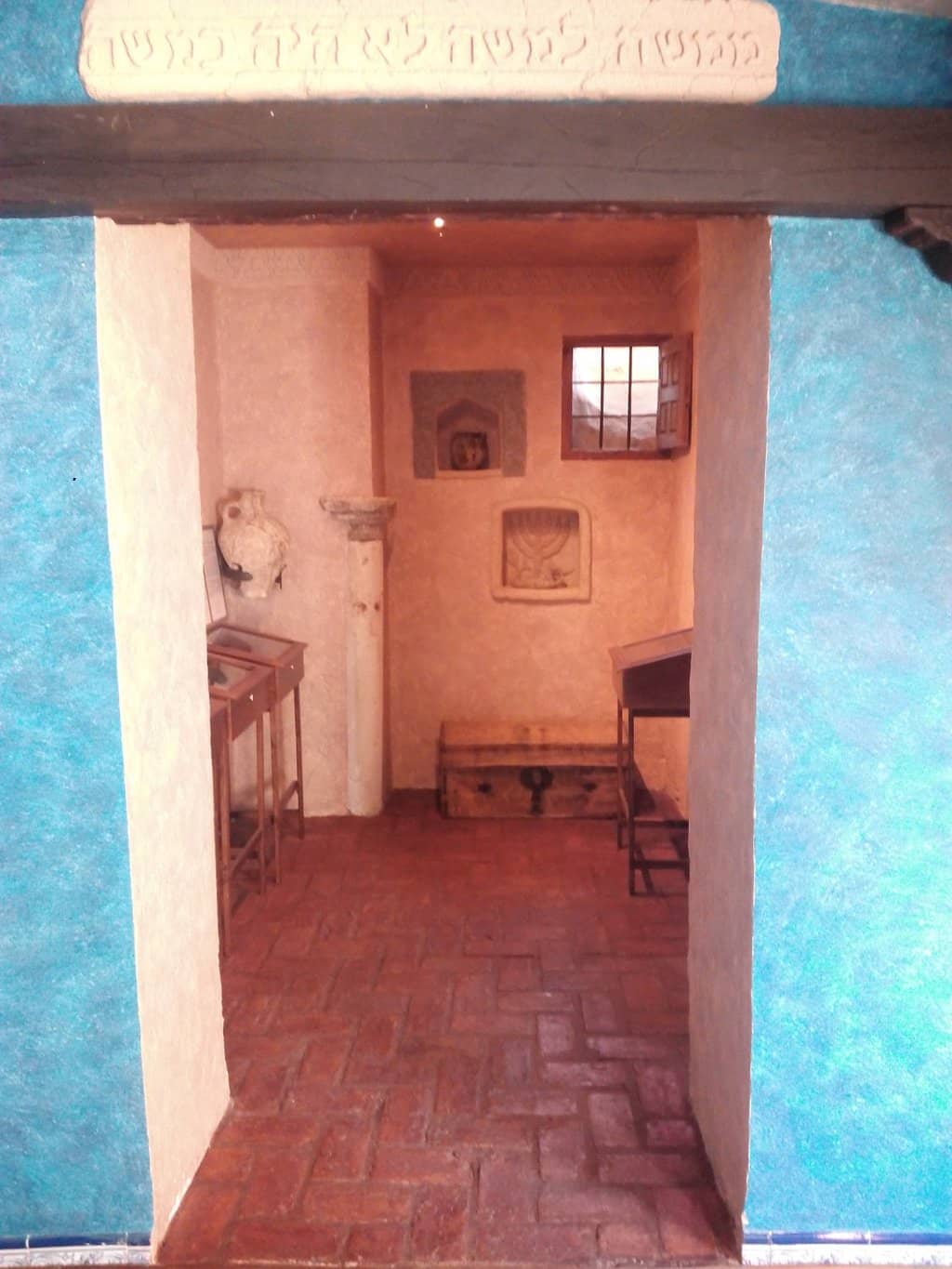
Reconstruction of Cordoba Synagogue
Step back in time with a detailed reconstruction of the historic Cordoba Synagogue on the upper floor.
Jewish Religious Objects
Admire a collection of silver religious items, including Chanukiya candelabras, primarily from North Morocco.
Plans like a pro.
Thinks like you
Planning Your Visit
Timing is Key for a Richer Experience
Understand the Historical Context
Best Times
Insider Tips
from TikTok, Instagram & Reddit
🎯 Catch a Live Performance
Don't miss the chance to hear traditional Sephardic songs; staff often perform and explain in multiple languages.
♿ Wheelchair Accessible
The museum is accessible for wheelchair users via a ramp and lift.
📚 Read the Display Boards
Exhibits are well-explained, offering deep dives into Sephardic culture and broader historical themes.
⏳ Allow ample time
There's a lot to absorb; give yourself at least an hour to fully appreciate the exhibits.
Tips
from all over the internet
🎯 Catch a Live Performance
Don't miss the chance to hear traditional Sephardic songs; staff often perform and explain in multiple languages.
♿ Wheelchair Accessible
The museum is accessible for wheelchair users via a ramp and lift.
📚 Read the Display Boards
Exhibits are well-explained, offering deep dives into Sephardic culture and broader historical themes.
⏳ Allow ample time
There's a lot to absorb; give yourself at least an hour to fully appreciate the exhibits.
What Travellers Say
Reviews Summary
Visitors consistently praise Casa de Sefarad as a 'WOW' and 'MUST-VISIT' in Cordoba, highlighting its deeply informative and moving portrayal of Sephardic Jewish history. The intimate musical performances are a standout, adding a magical layer to the experience. While the museum is small, its impact is significant, offering a poignant look at cultural heritage and historical persecution.
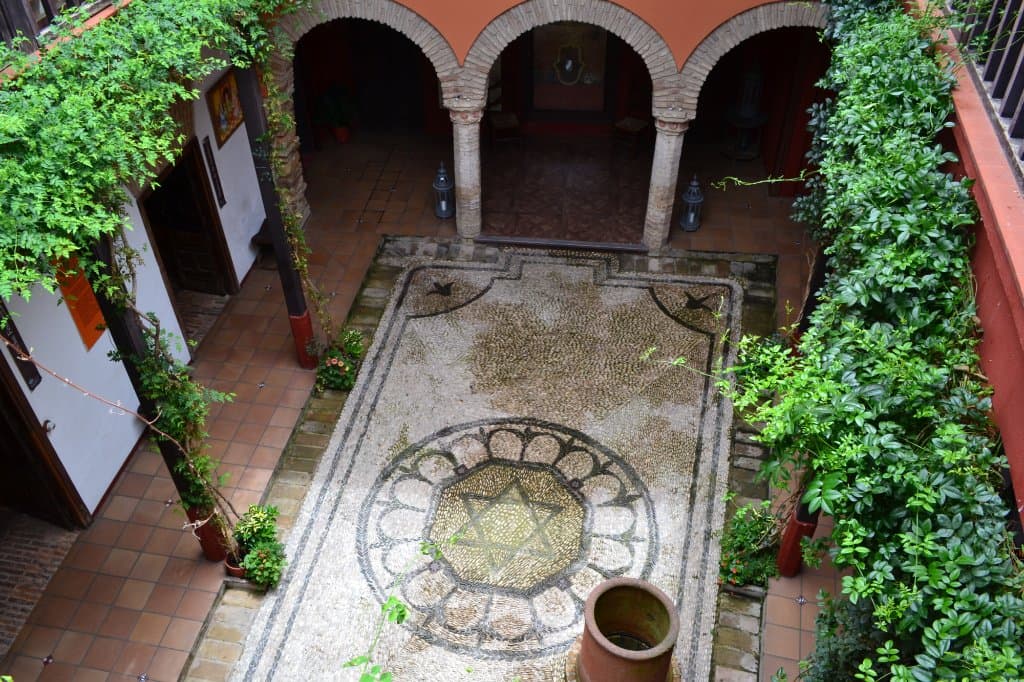
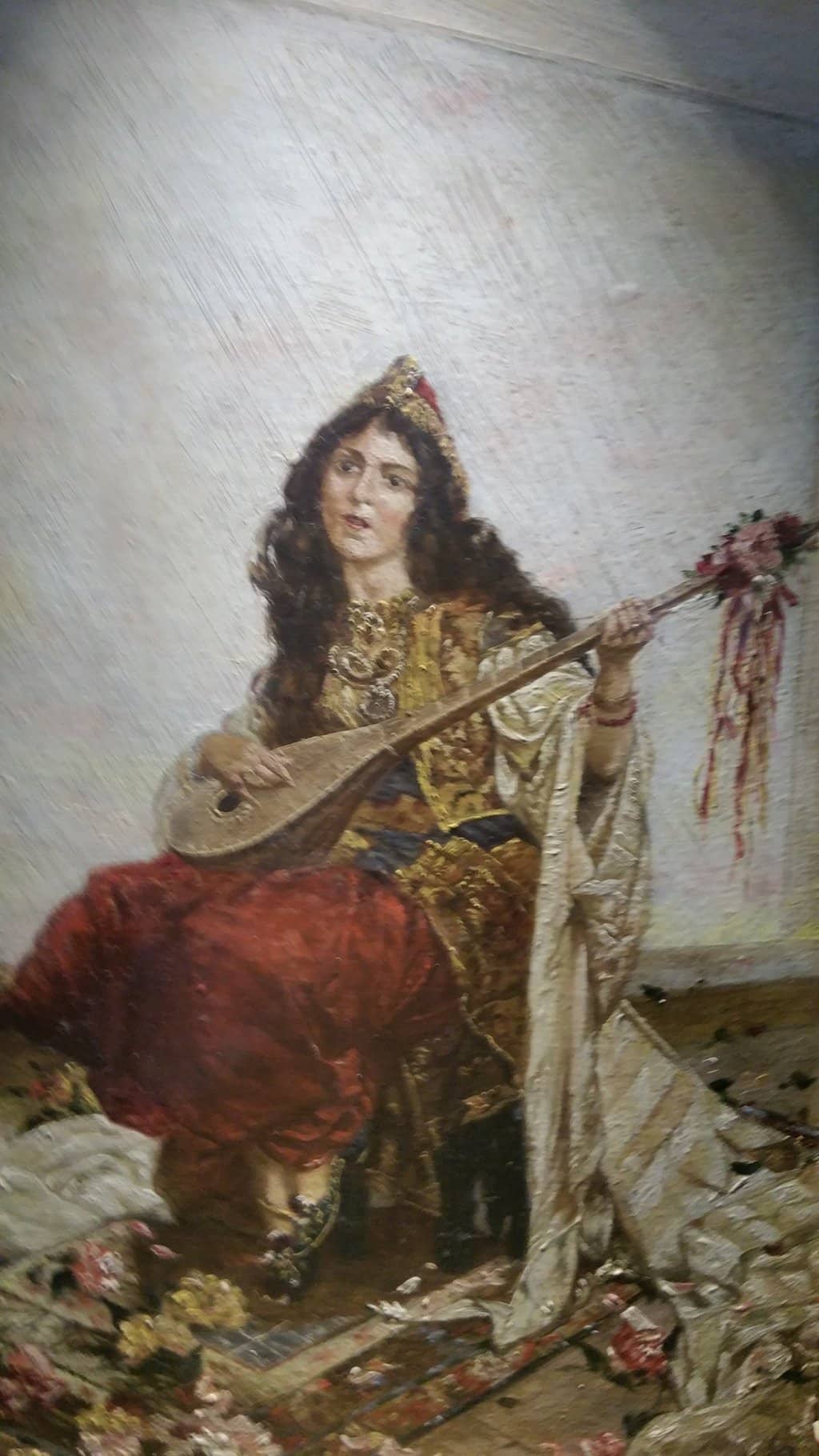
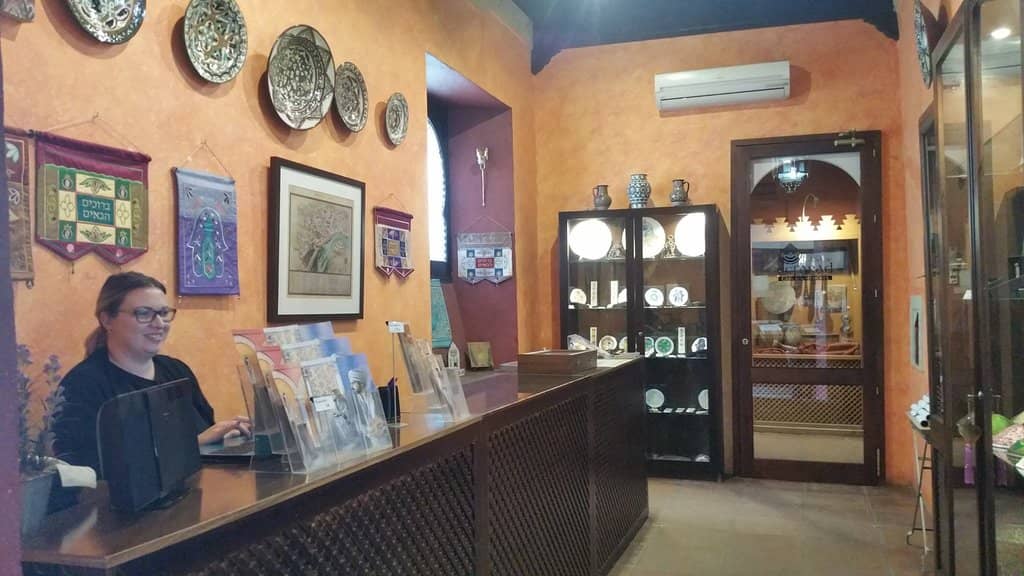
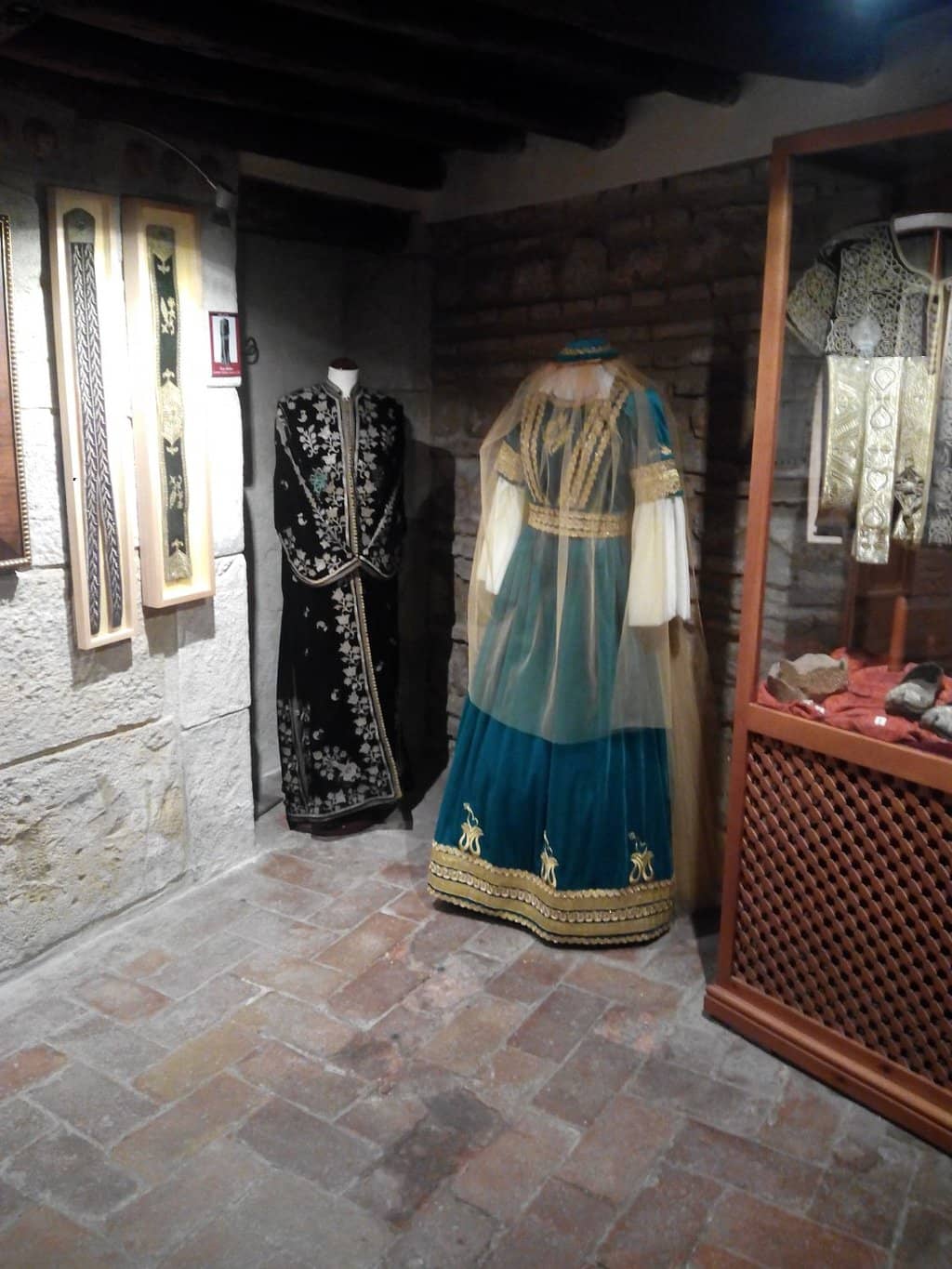
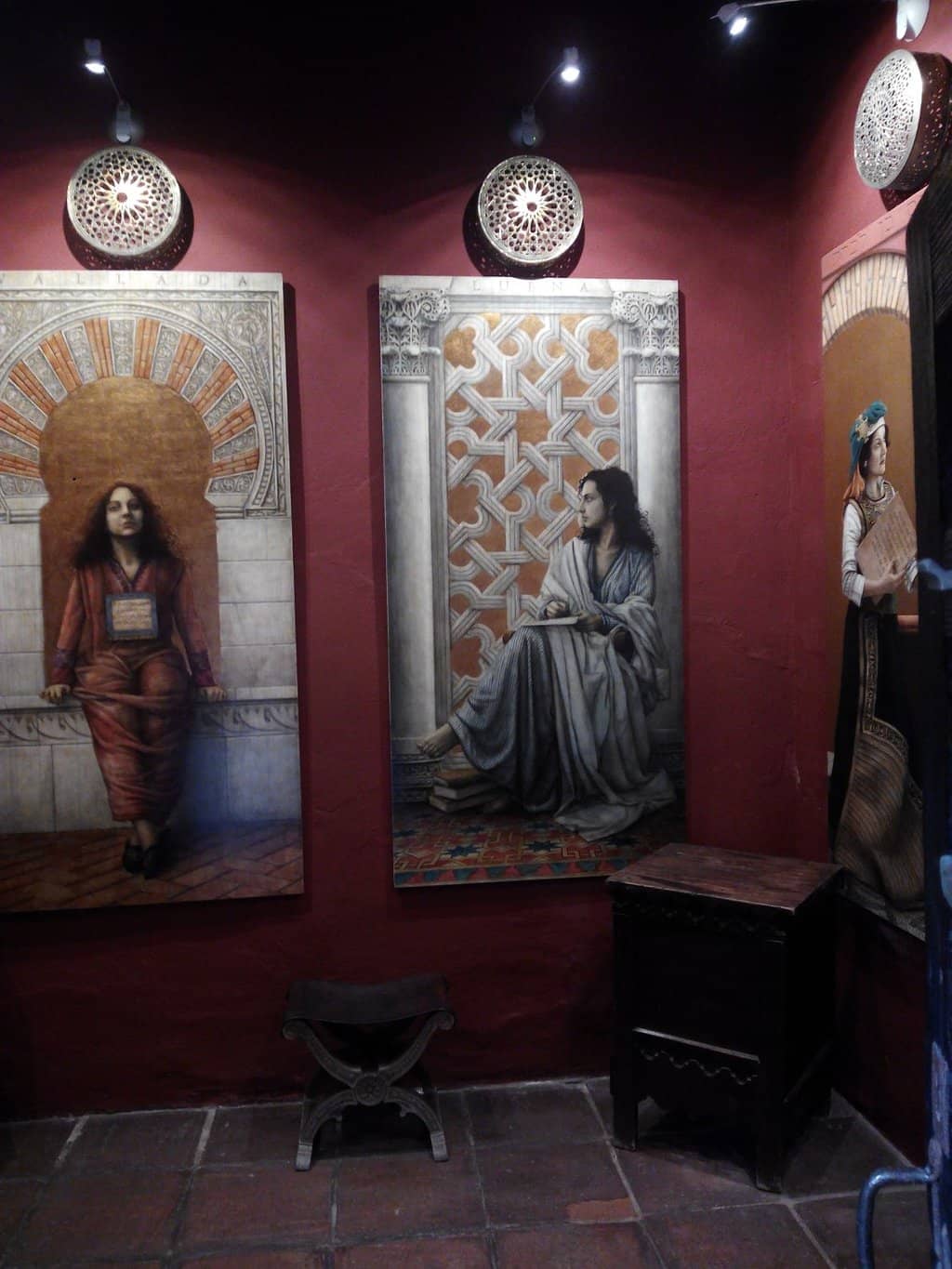
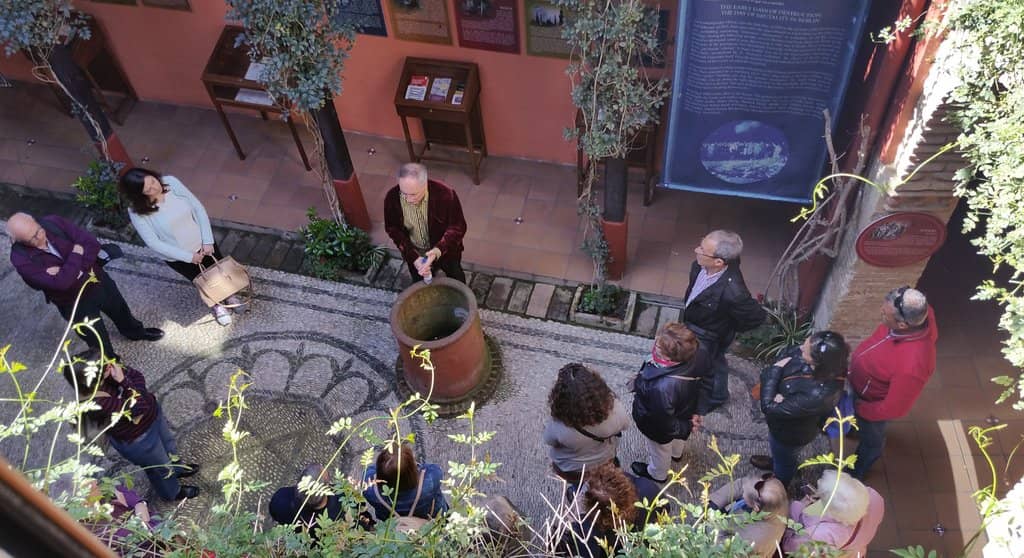
"Well, this museum is WOW! It's definitely MUST to visit when in Cordoba. Museum is in old Jewish house with internal patio, typical house of Juderia quarter. Ground floor is dedicated to forbidden books and showing what books were banned and burned during the far or close history in different countries as a forbidden or dangerous. Three more small rooms host exhibition of silver Jewish religious objects, Chanukiya candelabras, mostly from north Morocco, one room dedicated to Jewish music, other to paintings of important women in Jewish history. One other room with traditional Jewish clothes of Andalous and Morocco is right behind the cashier in the entrance. I got there exactly when there were short performance of traditional Jewish Andalousian songs, in Hebrew and Spanish - Ladino performed by guy who sell the tickets there. He got to visitors also explanation in 3 languages, Spanish, French and English without any accent in every and each one. Really talented!
Upper floor is dedicated to Synagogue of Cordoba and its internal reconstruction, to Rambam- Moshe ben Maimon - Maimonides, and showing also old book and document from the 15th century Inquisition processes.
Over all very informative, very interesting museum showing past Jewish life in Cordoba before expulsion of Jews from Spain by catholic monarchs in 1492."
Tomi Valny
"Interesting museum on the Sephardic Jews covering not just their Golden Age under the Umayyad caliphate but other periods as well.
It is accessible for wheelchair users via a ramp and lift. There is no AC but it is not too hot either."
Andrés Bidegain
"We absolutely loved the experience! We learned so much about Jewish culture and history, and we will definitely return when we go back to Cordoba!"
Gabriela Conde
What People Like
What People Dislike
Frequently Asked Questions
🚇 🗺️ Getting There
Casa de Sefarad is located in the heart of the historic Juderia quarter of Cordoba. It's easily accessible on foot if you're staying in the city center. Local buses also stop nearby, and taxis are readily available.
Parking in the Juderia can be challenging due to narrow streets. It's recommended to use public parking garages on the outskirts of the old town and walk, or take public transport.
🎫 🎫 Tickets & Entry
Opening hours can vary, so it's best to check their official website or social media for the most up-to-date information before your visit.
Admission fees are generally reasonable. Some reviews mention that ticket sellers also perform music, so the ticket price often includes a cultural experience.
For most visits, booking in advance isn't strictly necessary, especially if you're not aiming for a specific performance time. However, during peak tourist seasons, it might be wise to check if advance booking is recommended.
The museum offers a rich historical and cultural experience that can be engaging for older children and teenagers. The music performances are also a highlight for all ages.
🎫 🧭 Onsite Experience
Casa de Sefarad focuses on tracing the rich Jewish heritage in Cordoba, showcasing their cultural, religious, and historical contributions before and after the expulsion.
While formal guided tours might not be a standard offering, the staff are often very knowledgeable and can provide explanations in multiple languages, especially during performances.
Some visitors have noted that there isn't air conditioning, but it generally doesn't get excessively hot inside, especially in the older stone building.
You can expect to see religious silver objects, Chanukiya candelabras, traditional Jewish clothing, historical documents, and exhibits on Jewish music and prominent women in Jewish history.
Most visitors find that 1 to 1.5 hours is sufficient to explore the exhibits thoroughly and enjoy any performances.
📸 📸 Photography
Photography policies can vary. It's always best to check for signage or ask staff upon arrival. Generally, non-flash photography for personal use is often permitted in museums.
The internal patio, the religious artifacts, and the reconstructed synagogue area offer visually appealing opportunities for photography.


Social
from TikTok, Instagram & Reddit