Museum of Fine Arts Castellón
A free museum showcasing rich ceramics, historical art, and striking modern architecture in Castellón.

Highlights
Must-see attractions

Social
From TikTok & Reddit
Best Time
Fewer crowds, more freedom
Museum of Fine Arts Castellón
Best Time
Fewer crowds, more freedom
Highlights
Must-see attractions
A free museum showcasing rich ceramics, historical art, and striking modern architecture in Castellón.
"A gem of cultural and architectural significance, blending history, artistry, and contemporary design."
Free Entry Alert! 🎟️
Admission is free, making it a budget-friendly cultural gem. Enjoy the art without the ticket hassle!
Admire the Building Too! 🏛️
The museum's modern architecture is a highlight. Take time to appreciate its unique stepped design.
Quick Facts
Hours
Rating
4.5 · 1,269 reviews
Type
Museum
Website
mbacas.ivc.gva.es/esHighlights
Discover the most iconic attractions and experiences
Ceramics Collection
Ground floor and upper levels
Vibrant display of over 800 ceramic pieces from renowned Valencian regions.

Sorolla and Contemporaries
Period wing
Enchanting paintings by Joaquín Sorolla and his contemporaries await.

Modern Architecture
Entire building
A striking contemporary design with unique stepped levels offering dynamic views.

Archaeology and Ethnology
Basement
Immersive exhibits detailing local life from prehistoric times.
Plans like a pro.
Thinks like you
Planning Your Visit
Free Admission Gem
Architectural Masterpiece
Best Times
Insider Tips
from TikTok, Instagram & Reddit
Free Entry Alert! 🎟️
Admission is free, making it a budget-friendly cultural gem. Enjoy the art without the ticket hassle!
Admire the Building Too! 🏛️
The museum's modern architecture is a highlight. Take time to appreciate its unique stepped design.
Photography Friendly 📸
Many visitors found they had plenty of freedom to take pictures, especially when the museum is less crowded.
Don't Miss Ceramics! 🏺
The extensive collection of Valencian ceramics is a must-see, showcasing regional craftsmanship.
Tips
from all over the internet
Free Entry Alert! 🎟️
Admission is free, making it a budget-friendly cultural gem. Enjoy the art without the ticket hassle!
Admire the Building Too! 🏛️
The museum's modern architecture is a highlight. Take time to appreciate its unique stepped design.
Photography Friendly 📸
Many visitors found they had plenty of freedom to take pictures, especially when the museum is less crowded.
Don't Miss Ceramics! 🏺
The extensive collection of Valencian ceramics is a must-see, showcasing regional craftsmanship.
Check for Events 📅
The museum hosts tours, workshops, and concerts. Check their schedule for special activities.
What Travellers Say
Reviews Summary
Visitors consistently praise the Museum of Fine Arts Castellón as a hidden gem, highlighting its free admission and the stunning modern architecture as major draws. The rich collections, particularly the ceramics and paintings by Sorolla, are frequently mentioned as highlights, offering a rewarding cultural experience. Some visitors noted the museum was almost empty, allowing for a peaceful and unhurried exploration.
"We saw an excellent permanent exhibition in the grim-looking museum. A rich collection of tiles, paintings and sculptures await on four levels, and in the period wing, fortunately for us, we were enchanted by the beautiful pictures of J. Sorolla and his contemporaries. I definitely recommend it!"
Andrea Gönczi
"There some masterpiece I really enjoyed visiting it as it almost empty u have plenty of time and freedoms to visit and take pictures"
shiva sotoudeh
"The Museo de Bellas Artes de Castellón is a gem of cultural and architectural significance, blending history, artistry, and contemporary design in a compelling way.
1. Architectural Marvel
The current museum building, inaugurated in 2001 and masterfully designed by architects Emilio Tuñón Álvarez and Luis Moreno Mansilla, is not merely a container for art—it is a work of art in itself. Its refined form, a warm wooden interior crisply framed by a sleek aluminum exterior, exudes a sense of restrained elegance and modern identity . Over the years, it has earned numerous architectural accolades, including the COACV Prize (1999–2000), the FAD Architecture Prize (2001), and recognition as a finalist for the prestigious Mies van der Rohe Award .
2. Rich Historical Legacy and Collections
Founded in 1845 through post-disentailment acquisitions, the museum’s collections encompass centuries of regional heritage. Its holdings include pieces from the original provincial fine arts museum, key donations and legacies from names like the Puig Roda-Alcácer brothers, Juan Bautista Adsuara and Porcar, as well as the notable collection of Zurbarán workshop oils from the Capuchin convent .
3. Diverse and Thematic Exhibition Layout
Spread across multiple floors, the museum's thematic layout ensures a thoughtful visitor experience:
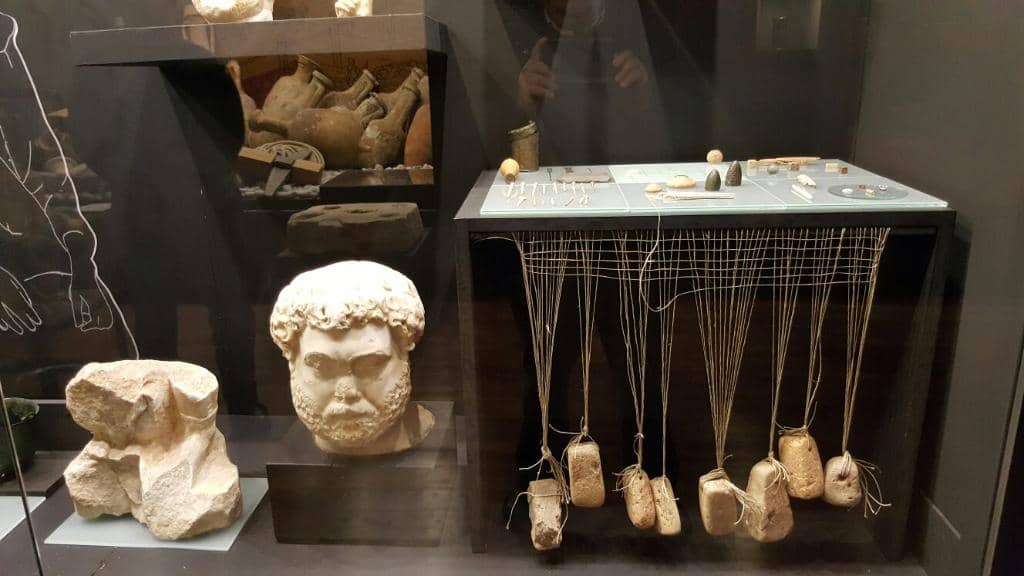
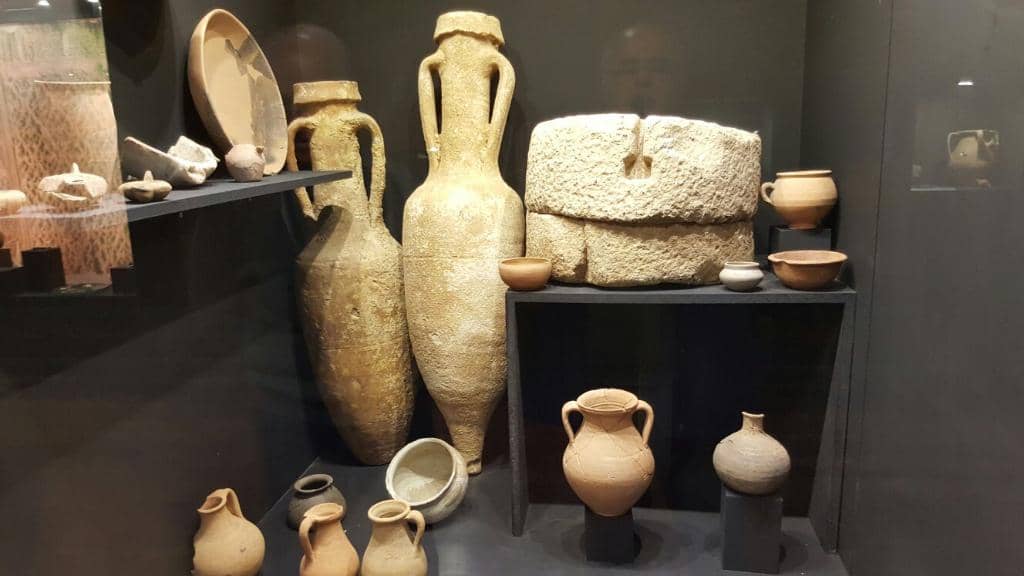
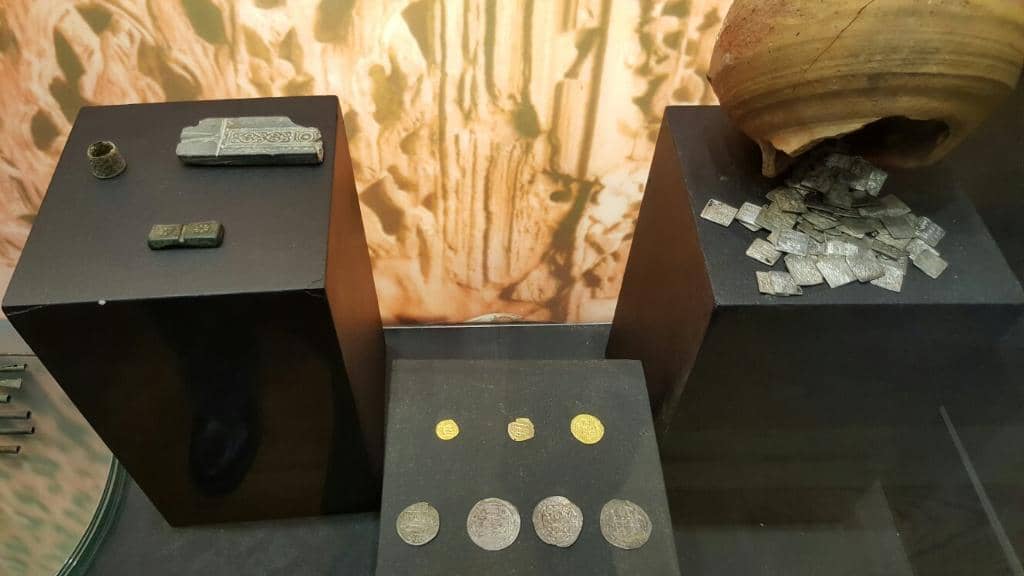
• Basement: Immersive archaeology and ethnology exhibitions, narrating local life from prehistoric eras onward .
• Ground floor and upper levels: The centerpiece ceramic collection—over 800 pieces from L’Alcora, Onda, Ribesalbes, and beyond—offers a vibrant glimpse into Valencian craftsmanship .
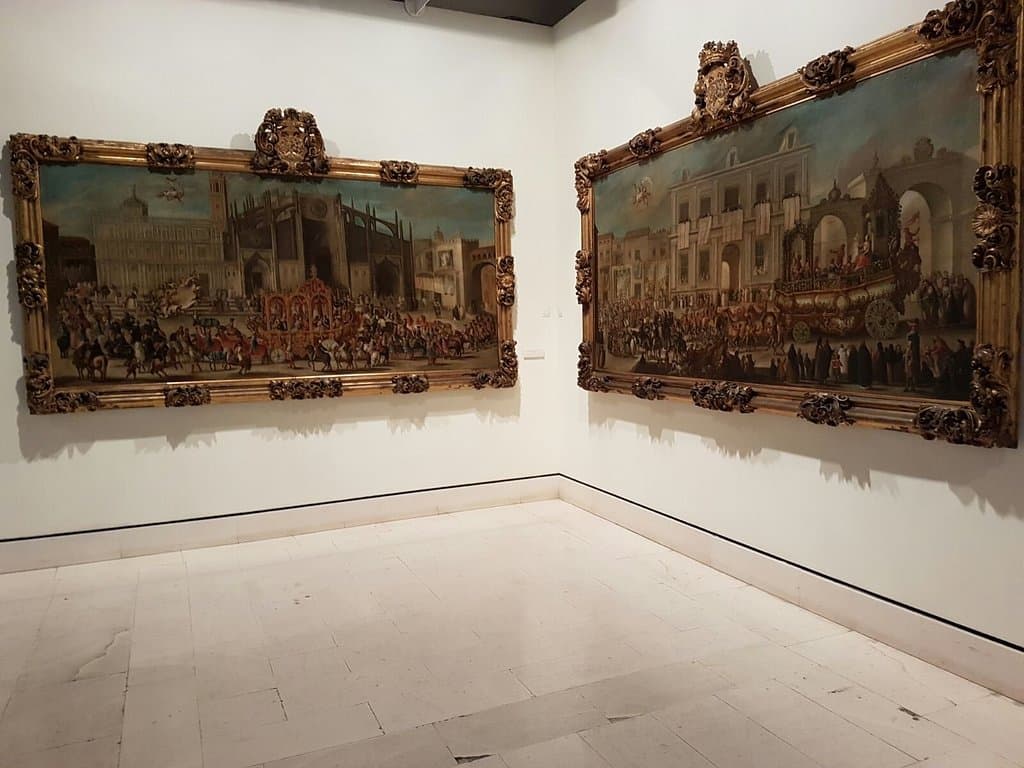
• Upper galleries: Paintings and sculptures by both regional masters and renowned artists such as Ribera, Juan de Juanes, Zurbarán’s workshop, Sorolla, Benlliure, Puig Roda, and more, spanning the 14th to 20th centuries .
4. Cultural Hub & Amenities
The museum goes beyond being a gallery—it is a cultural hub. Its facilities include six exhibition rooms, a library, an auditorium for concerts and lectures, a conservation studio, and multipurpose spaces like workshops and a temporary exhibition hall . Visitors can also enjoy a museum shop and a café, which enhance the overall experience .
Moreover, the museum regularly hosts events—guided tours, workshops, film cycles, concerts, and seminars—that actively engage the public and enrich the city’s cultural life .
5. Visitor-Focused Practicality
• Location: Easily accessible at Avenida Hermanos Bou, 28, in Castellón de la Plana .
• Opening hours:
• Tuesday to Saturday: 10:00–14:00 and 16:00–20:00
• Sunday and public holidays (non-Monday): 10:00–14:00
• Closed Mondays
• Library and shop hours align with the museum’s schedule .
• Admission: Free entry, making it accessible to a wide audience"
Anna Maria D'Amico
What People Like
What People Dislike
Frequently Asked Questions
🚇 🗺️ Getting There
The museum is located at Avenida Hermanos Bou, 28, in Castellón de la Plana. It's easily accessible by public transport or a short walk from the city center.
While specific parking details aren't widely shared, the museum is centrally located, suggesting street parking or nearby public lots are likely options. It's best to check local parking apps upon arrival.
The museum's modern design, including its stepped levels, is generally well-regarded. While specific accessibility features aren't detailed in reviews, its contemporary construction suggests good accessibility.
From the Castellón train station, you can take a local bus or a taxi to reach the museum, which is a short ride away. Walking is also an option if you enjoy a stroll through the city.
Information on specific language availability for guided tours isn't readily available. It's recommended to check the museum's official website or inquire at the information desk upon arrival.
🎫 🎫 Tickets & Entry
Admission to the Museum of Fine Arts Castellón is completely free, making it a fantastic value for visitors.
The museum is open Tuesday to Saturday from 10:00 to 14:00 and 16:00 to 20:00. On Sundays and public holidays (excluding Mondays), it's open from 10:00 to 14:00. It is closed on Mondays.
Since entry is free, advance booking is not typically required. You can usually walk in during opening hours.
The museum regularly hosts events like guided tours, workshops, film cycles, and concerts. It's advisable to check their official website for the latest schedule.
Yes, photography is generally allowed inside the museum, and visitors have noted having ample freedom to take pictures, especially during less crowded times.
🎫 🏛️ Onsite Experience
Highlights include a rich collection of ceramics, paintings by Sorolla and contemporaries, archaeological exhibits, and the striking modern architecture of the building itself.
Most visitors find 1.5 to 3 hours sufficient to explore the collections and appreciate the architecture. You can spend longer if you delve deeper into specific exhibits or attend an event.
Absolutely! Art lovers will appreciate the diverse collections, from historical paintings and sculptures to the extensive ceramic displays and contemporary art.
The museum is a prime example of contemporary architecture, designed by Emilio Tuñón Álvarez and Luis Moreno Mansilla, featuring a distinctive stepped design and a sleek aluminum exterior.
Yes, the museum includes a gift shop and a cafe, providing amenities for visitors to enhance their experience.
🍽️ 🍽️ Food & Dining
Yes, the museum has a cafe where visitors can relax and enjoy refreshments.
The museum is located in Castellón de la Plana, a city with numerous restaurants and cafes offering local Spanish cuisine. You'll find many options within walking distance.
Generally, it's best to consume outside food and drinks before entering or use the designated cafe area. Check with museum staff for specific policies.
Castellón de la Plana offers a variety of dining establishments, and you should be able to find vegetarian and vegan options at many restaurants, especially those serving modern Spanish cuisine.
When dining in Castellón, look for local dishes like 'arroz a banda' (rice dish with seafood), 'paella' (rice dish), and fresh seafood. The region also produces excellent olive oil and wines.
📸 📸 Photography
Yes, photography is permitted inside the museum, and visitors have reported having ample freedom to capture images, especially during quieter periods.
The unique stepped architecture offers many interesting angles. The vibrant ceramic displays and the Sorolla paintings also make for excellent photographic subjects.
While generally allowed, it's always wise to be mindful of other visitors and avoid using flash photography in areas where it might be prohibited or disruptive.
A versatile camera, whether a DSLR or a good smartphone, will work well. Consider a wide-angle lens for capturing the architectural spaces and a good zoom for details in the artwork.
Drone usage is typically restricted in urban areas and around public buildings. It's highly unlikely to be permitted and could lead to legal issues. Always check local regulations.


Social
from TikTok, Instagram & Reddit