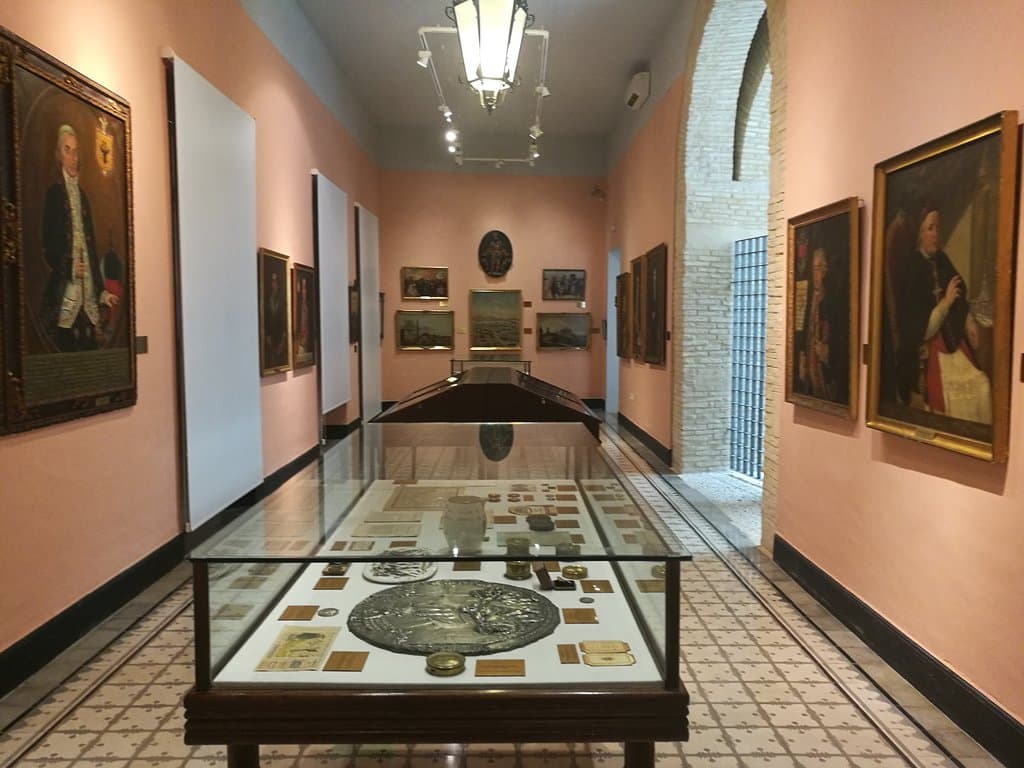
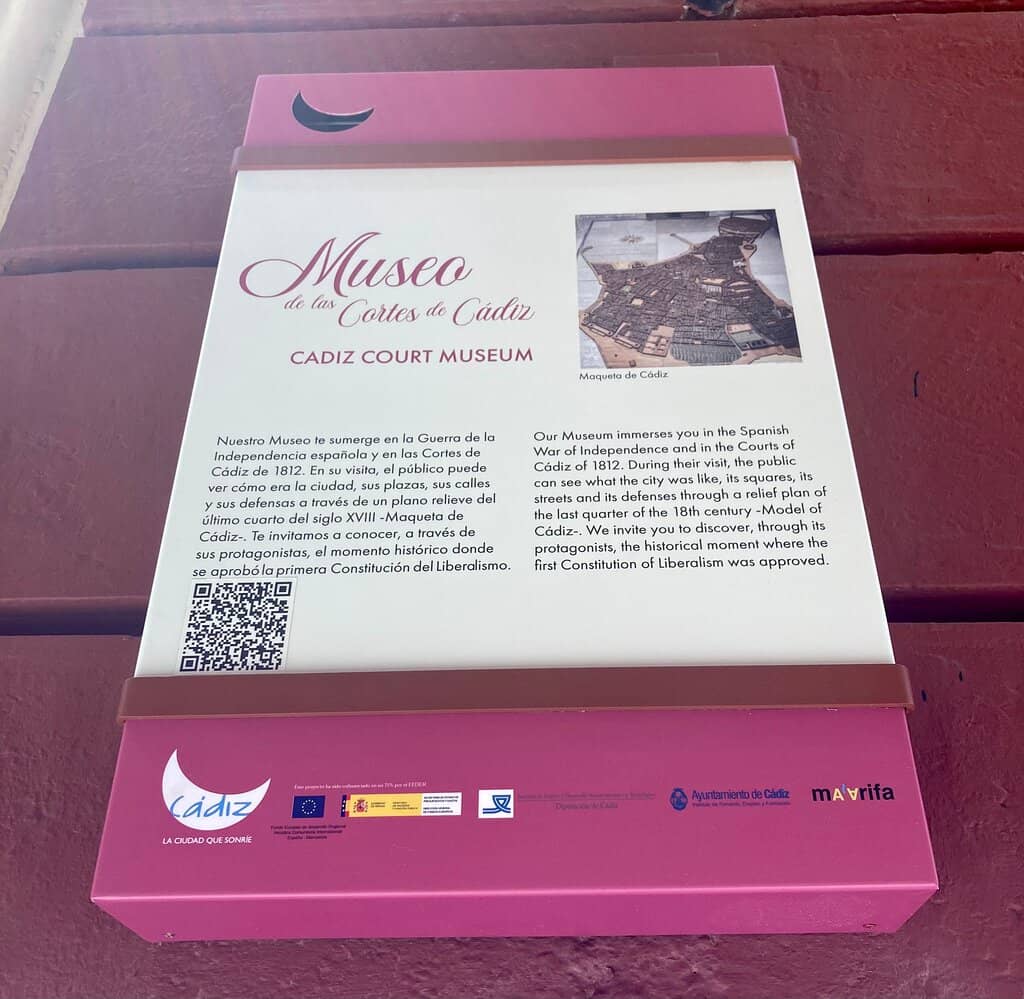
Museo de las Cortes de Cádiz
Discover Cádiz's pivotal role in Spanish history, from Napoleonic sieges to the birth of its first constitution.

Highlights
Must-see attractions

Social
From TikTok & Reddit
Best Time
Fewer crowds, more peaceful viewing
Museo de las Cortes de Cádiz
Best Time
Fewer crowds, more peaceful viewing
Highlights
Must-see attractions
Discover Cádiz's pivotal role in Spanish history, from Napoleonic sieges to the birth of its first constitution.
"The 18th-century city model is a true marvel, offering a unique glimpse into Cádiz's past. 
⏳ Beat the Crowds
Visit on weekday mornings for a more serene experience. #Cádiz #Museo
🗣️ Language Barrier
More English translations would enhance the experience for overseas visitors. #TravelTips
Quick Facts
Hours
Rating
4.3 · 537 reviews
Type
Museum
Highlights
Discover the most iconic attractions and experiences
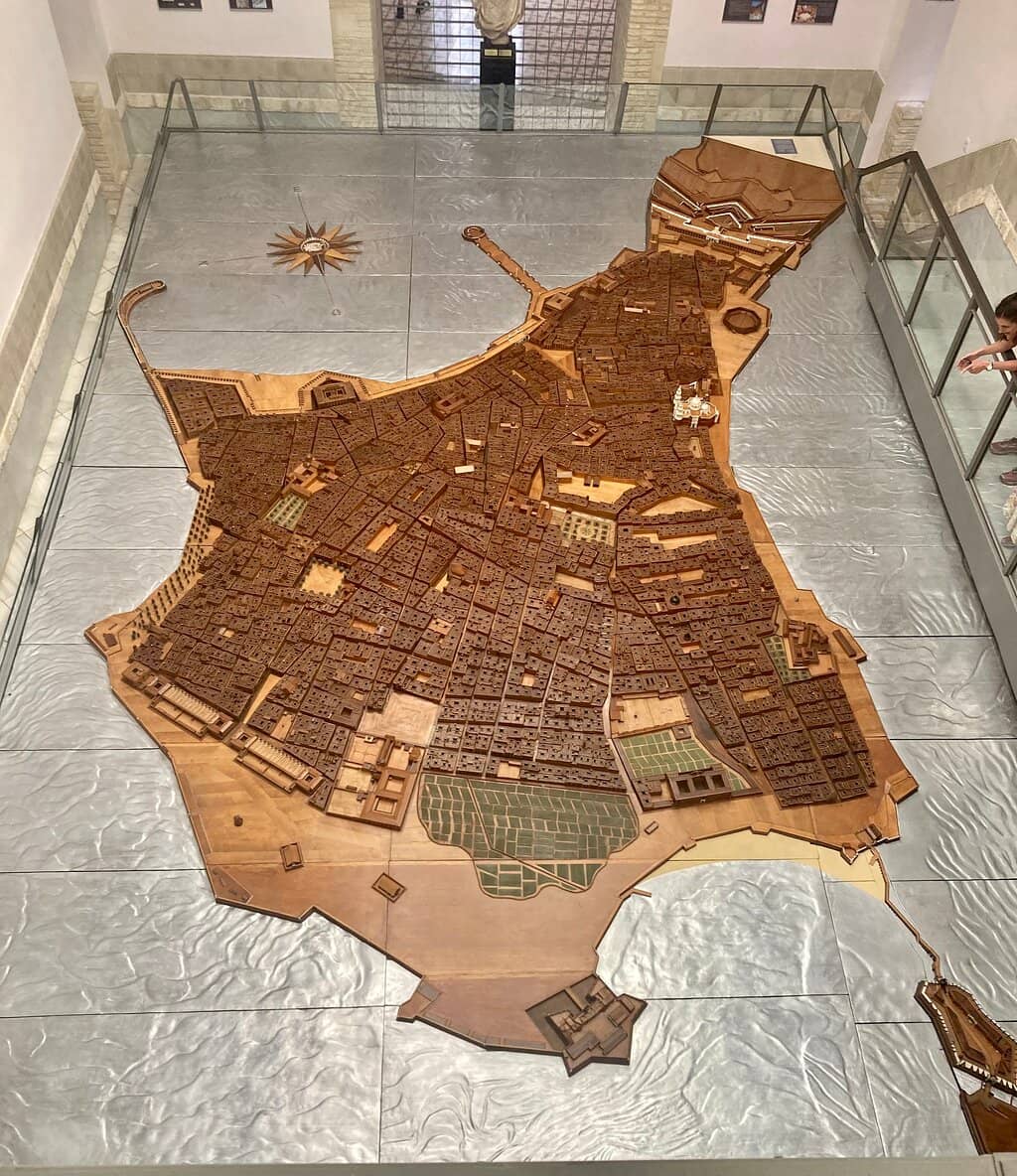
18th-Century City Model
Main Hall
An incredibly detailed mahogany and ivory model of Cádiz, showcasing its 18th-century layout.
+1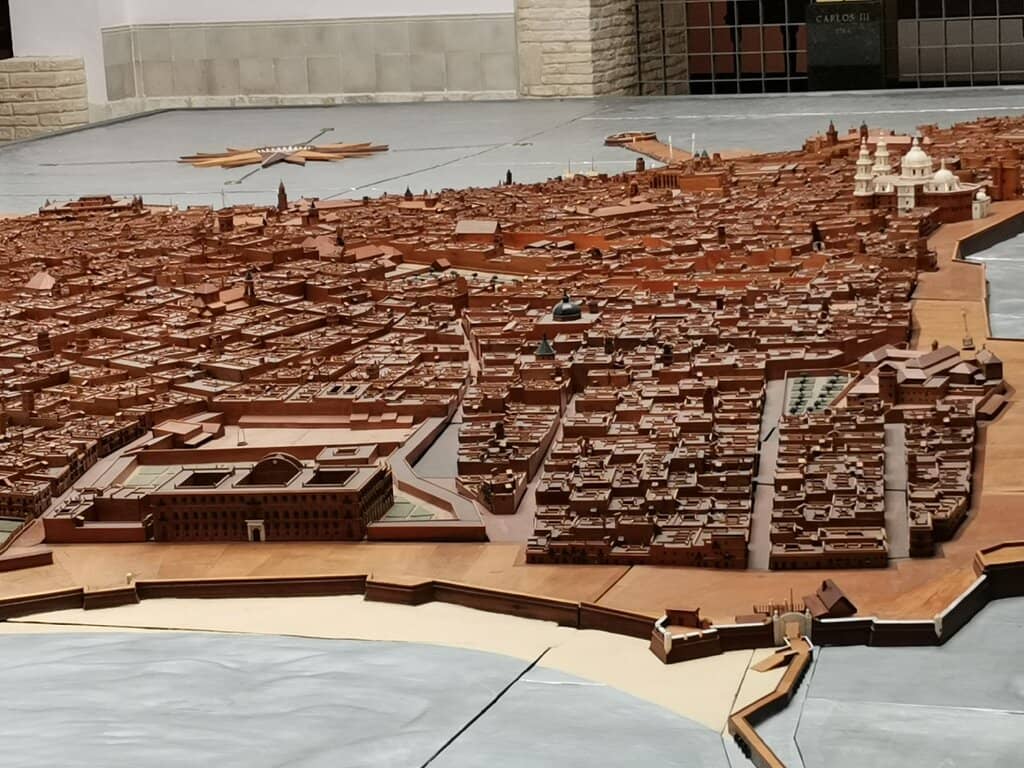
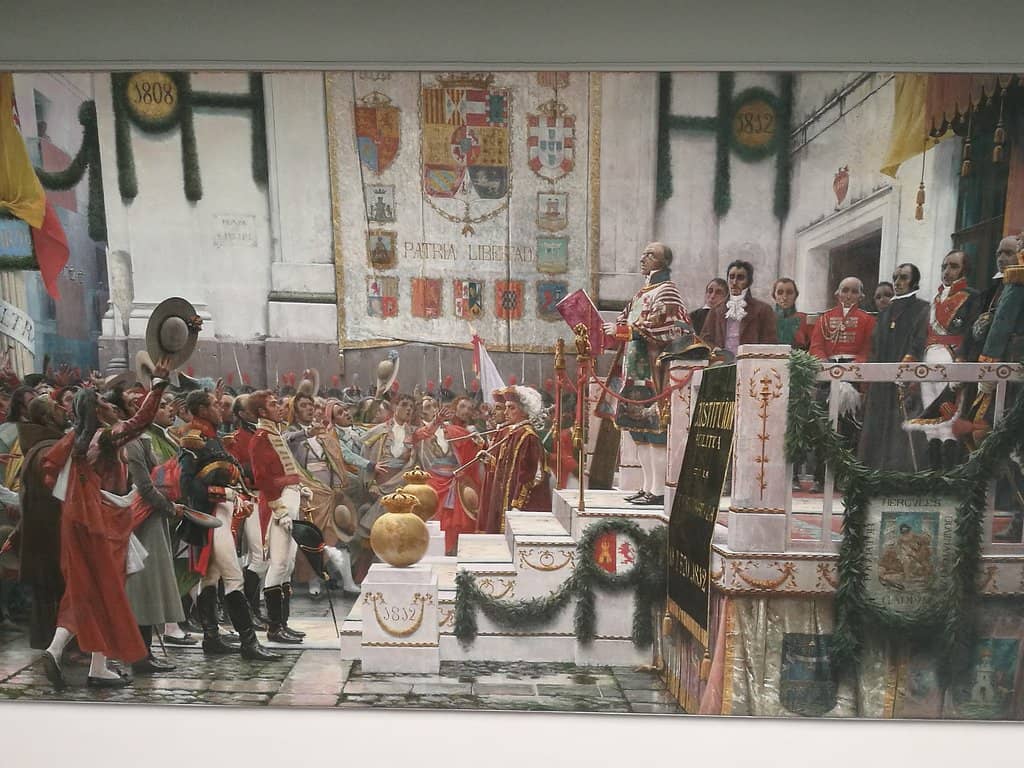
Napoleonic Siege Artifacts
Various Galleries
Discover swords, armor, and historical documents from the intense Napoleonic siege of Cádiz.
Constitution of 1812 Exhibits
Dedicated Galleries
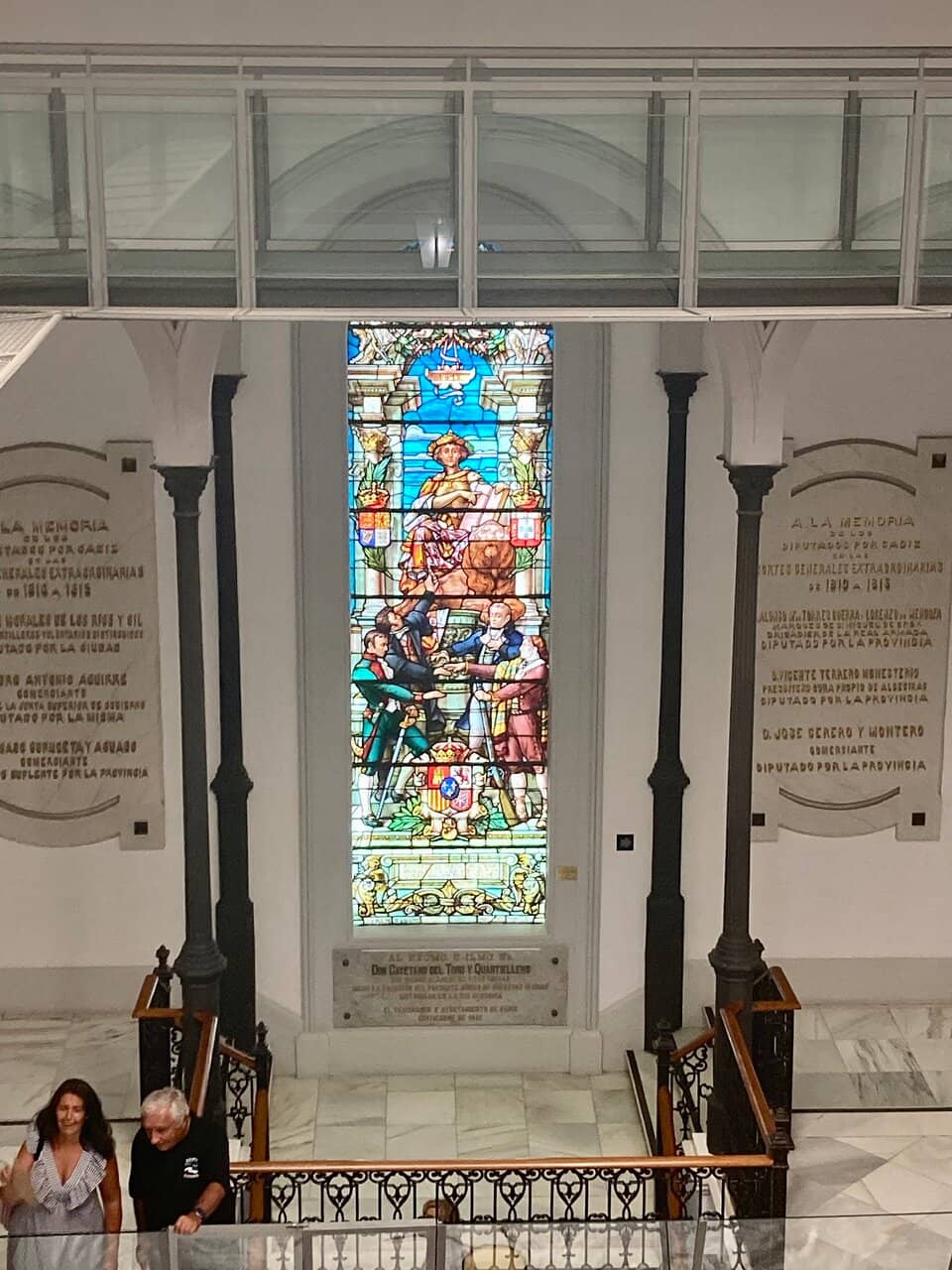
Explore portraits, maps, and objects related to the promulgation of Spain's first liberal constitution.
Plans like a pro.
Thinks like you
Planning Your Visit
Timing is Key for a Deeper Dive
Unlock the History: Beyond the Exhibits
Best Times
Insider Tips
from TikTok, Instagram & Reddit
⏳ Beat the Crowds
Visit on weekday mornings for a more serene experience.
🗣️ Language Barrier
More English translations would enhance the experience for overseas visitors. #TravelTips
💡 Context is Key
Consider pre-reading about the Constitution of 1812 for deeper understanding. #History
🚶♀️ Quick Visit Possible
You can cover the main exhibits in about half an hour. #Cádiz
Tips
from all over the internet
⏳ Beat the Crowds
Visit on weekday mornings for a more serene experience.
🗣️ Language Barrier
More English translations would enhance the experience for overseas visitors. #TravelTips
💡 Context is Key
Consider pre-reading about the Constitution of 1812 for deeper understanding. #History
🚶♀️ Quick Visit Possible
You can cover the main exhibits in about half an hour. #Cádiz
🆓 Free Admission
Enjoy this historical gem without an entry fee! #BudgetTravel
What Travellers Say
Reviews Summary
Visitors find the Museo de las Cortes de Cádiz to be a compact museum offering a glimpse into a significant period of Spanish history, particularly the Napoleonic siege and the Constitution of 1812. The highlight for many is the incredibly detailed 18th-century scale model of the city. However, some reviewers note a lack of extensive explanations and English translations, making it a quick visit for those unfamiliar with the context.
"The Museo de las Cortes in Cádiz, Spain, contains a huge mahogany scale model of the city made by military engineer Alfonso Jimenéz in 1779. The museum also documents the Napoleonic seige and the promulgation of Spain's first constitution here in 1812."
David Stanley
"Mediocre museum that provides almost no explanations about the Constitution of 1812 and its importance in Spanish history. What you find here is an unstructured collection of portraits, maps and other objects. The highlight is a wooden model of Cádiz from the 18th century in scale 1:250. Free entry."
M H
"Cadis has 3000 years of history and play important role in a lot of world wide events, and this museum covers nothing."
Andrey Bugaenko
What People Like
What People Dislike
Frequently Asked Questions
🚇 🗺️ Getting There
The museum is centrally located in Cádiz, making it easily accessible on foot from many parts of the city. If you're arriving by public transport, local buses stop nearby. It's also a short walk from the Torre Tavira.
Street parking in the historic center of Cádiz can be challenging. It's recommended to use public parking garages located a short walk from the museum if you are arriving by car.
Absolutely! The museum is close to other significant sites like the Roman Theatre and Castillo de Santa Catalina, making it easy to plan a day of sightseeing.
Many visitors find that walking is the best way to experience Cádiz's charm. The museum is conveniently situated within the historic district.
While official guided tours might not always be advertised, the museum's layout and exhibits are designed to be explored independently. Some visitors have enjoyed private visits due to low foot traffic.
🎫 🎫 Tickets & Entry
The museum is typically open from Monday to Friday, usually from 9:00 AM to 2:30 PM. It's always a good idea to check their official website or local listings for the most current hours, as they can sometimes change due to renovations or holidays.
No, the Museo de las Cortes de Cádiz offers free admission, making it an accessible cultural experience for all visitors.
Since admission is free and the museum is generally not overcrowded, advance booking is usually not required. However, for any special exhibitions or events, it's advisable to check their policy.
Information on accessibility can vary. It's recommended to contact the museum directly or check their official website for details regarding ramps, elevators, and accessible restrooms.
Photography policies can differ. Generally, personal photography without flash is often permitted, but it's best to look for signage within the museum or ask staff for clarification to avoid any issues.
🎫 🏛️ Onsite Experience
The absolute highlight is the magnificent 18th-century mahogany and ivory scale model of Cádiz. Don't miss the artifacts related to the Napoleonic siege and the exhibits detailing the Constitution of 1812. +1
Most visitors find that they can explore the museum's main attractions in about 30 minutes to an hour, especially if they are focused on the key exhibits.
Currently, there's a noted lack of English translations for many exhibits, which can be a challenge for non-Spanish speakers. It's advisable to bring a translation app or do some research beforehand.
The museum primarily focuses on the history of Cádiz, with a significant emphasis on the Napoleonic siege (1810-1820) and the promulgation of the Spanish Constitution of 1812.
The museum's exhibits are largely historical and static. While educational, they may be more engaging for older children and adults interested in history.
🍽️ 🍽️ Food & Dining
The Museo de las Cortes de Cádiz does not typically have an on-site cafe or restaurant. However, the surrounding area in Cádiz is filled with numerous dining options.
You'll find a wide array of tapas bars and restaurants in the historic center of Cádiz, offering local Andalusian cuisine. Explore the streets around the museum for authentic culinary experiences.
Generally, it's best to consume food and drinks outside the exhibition halls to protect the artifacts. There are usually designated areas or you can enjoy them before or after your visit.
Don't miss out on fresh seafood, especially 'pescaíto frito' (fried fish), and traditional tapas. Cádiz is known for its vibrant culinary scene.
While traditional Spanish cuisine can be meat and seafood-heavy, many restaurants in Cádiz are increasingly offering vegetarian and vegan options. It's worth asking or checking menus.
📸 📸 Photography
Photography without flash is generally permitted for personal use. However, always check for specific signage or ask museum staff to confirm the current policy.
The 18th-century city model is a standout for photography. Historical artifacts, portraits, and architectural details of the building itself also make for great shots.
Tripods and professional photography equipment are typically not allowed inside museums to avoid obstructing other visitors and to protect the exhibits.
Lighting conditions can vary. While some areas might be well-lit, others may be dimmer to preserve artifacts. Using your phone's camera or a camera with good low-light performance is recommended.
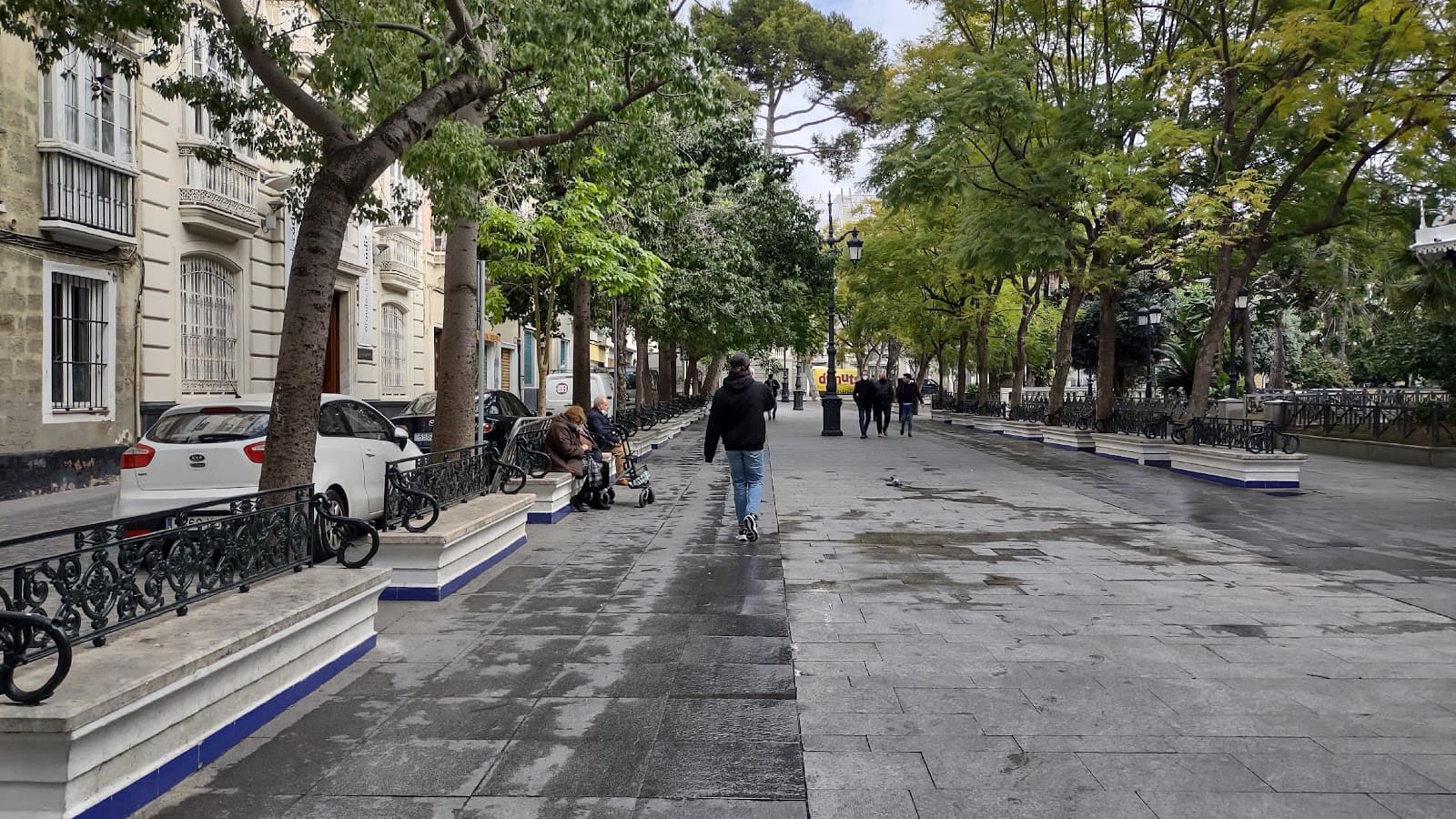
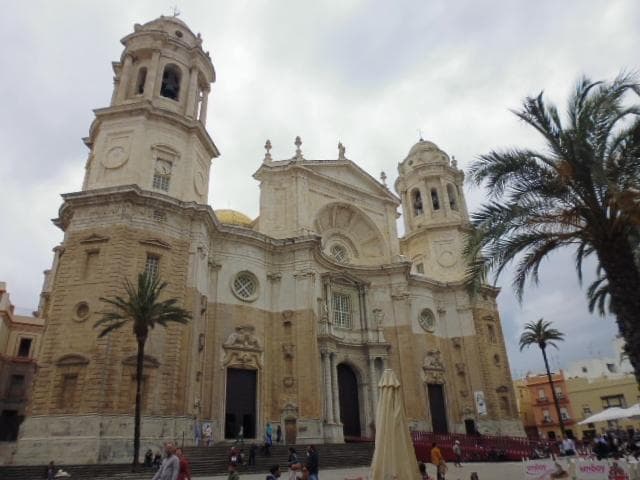
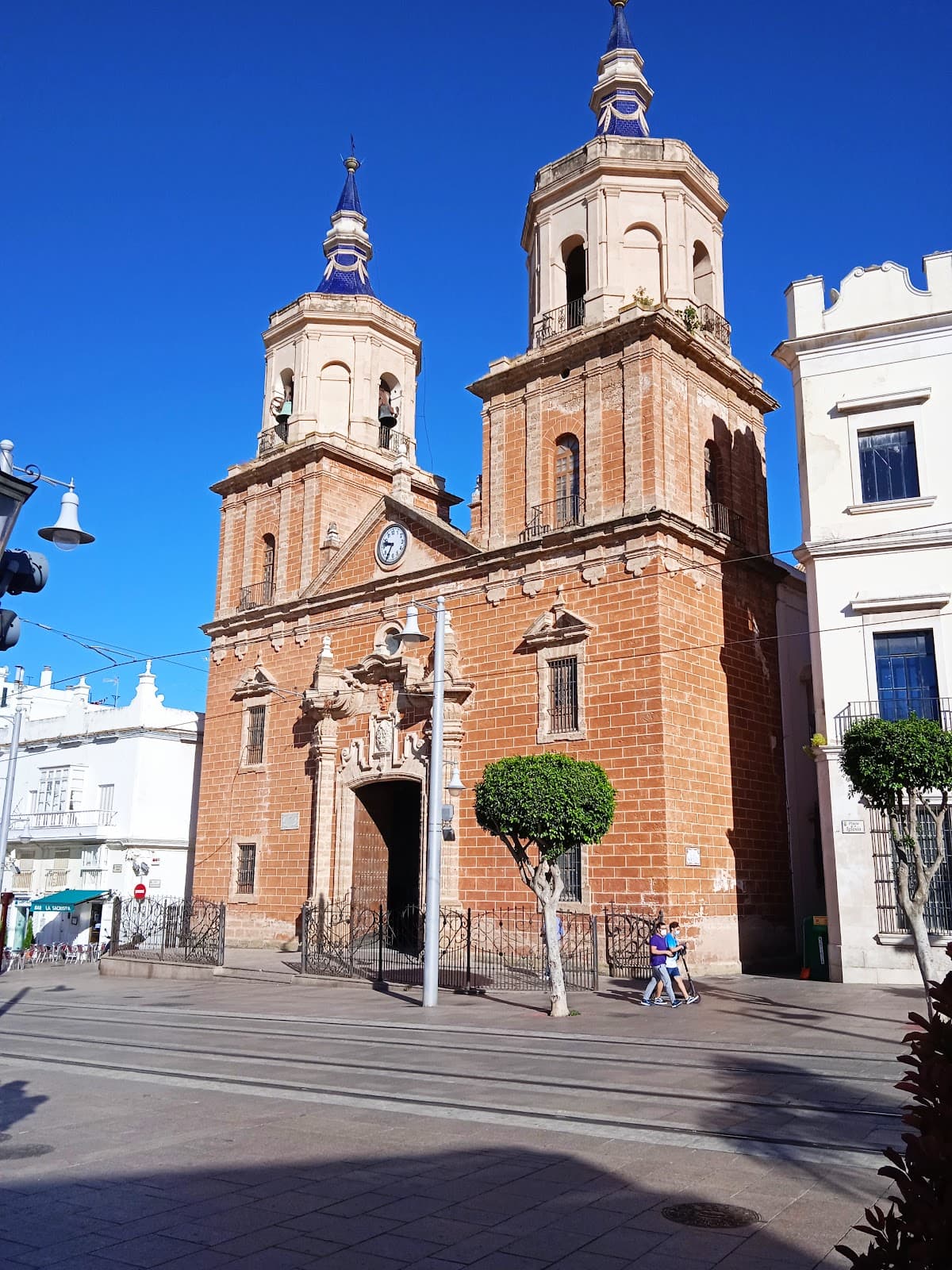
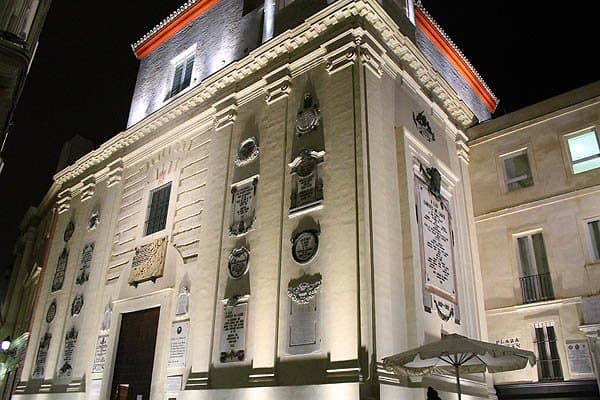
Yes, the exterior of the museum building is generally fine to photograph. It's located in a historic part of Cádiz, offering picturesque surroundings.



Social
from TikTok, Instagram & Reddit