
Naval Museum
Explore maritime history, from shipbuilding to naval aviation, with engaging exhibits and sometimes free admission. Discover stories of exploration an...

Highlights
Must-see attractions

Social
From TikTok & Reddit
Best Time
Fewer school groups
Naval Museum
Best Time
Fewer school groups
Highlights
Must-see attractions
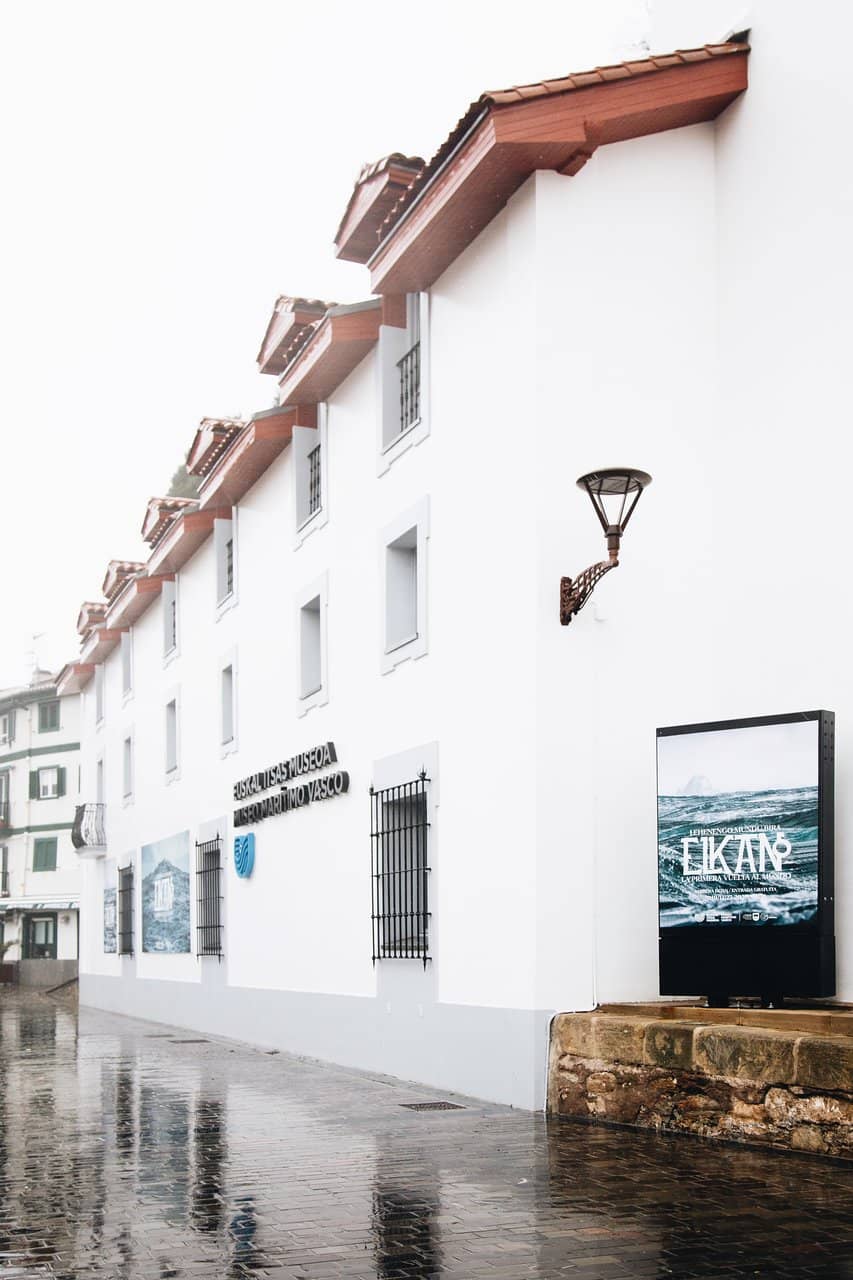
Explore maritime history, from shipbuilding to naval aviation, with engaging exhibits and sometimes free admission. Discover stories of exploration and naval might.
"Small, free, and worth even a quick visit for its detailed exhibits and interactive experiences."

🎯 Free Admission Alert!
Many naval museums are free to enter, making them a budget-friendly option for exploring maritime history.
🗺️ Follow the Marked Routes
If you get turned around on a large ship museum, follow the marked paths to find your way back.
Quick Facts
Hours
Rating
4.2 · 414 reviews
Type
Museum
Highlights
Discover the most iconic attractions and experiences

Interactive Voyage Experience
Exhibition Space
Engaging video detailing Magellan & Elcano's epic, albeit violent, circumnavigation. Often multilingual and a highlight for many visitors.
Shipbuilding & Cartography
Tower House Exhibits
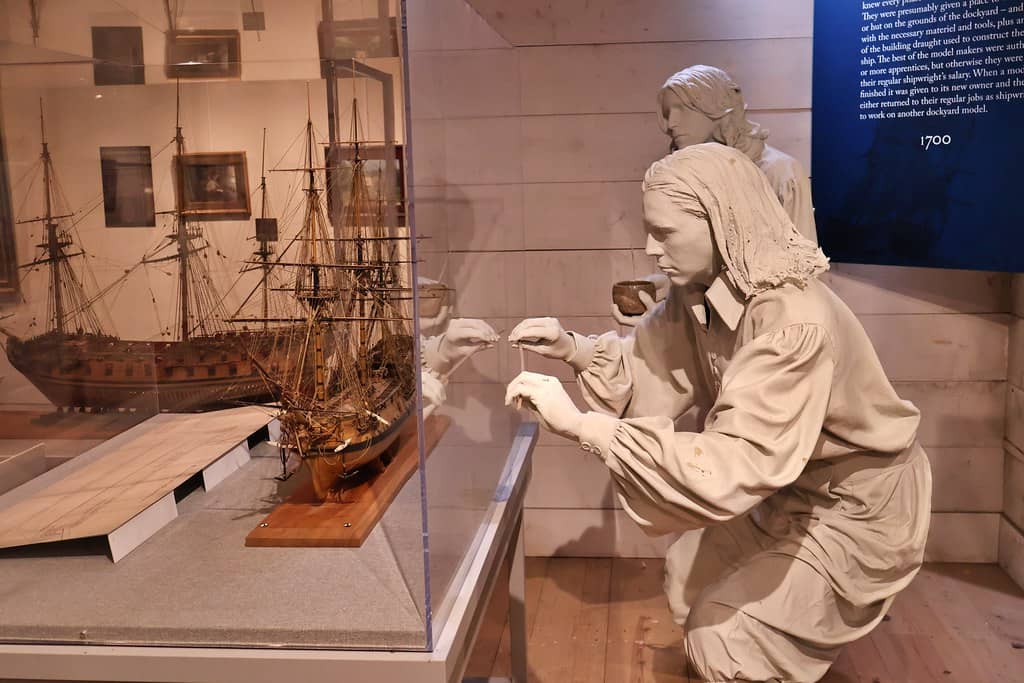
Explore the history of shipbuilding and discover fascinating antique maps that chart maritime exploration.
Naval Aviation Displays
Various Naval Museums
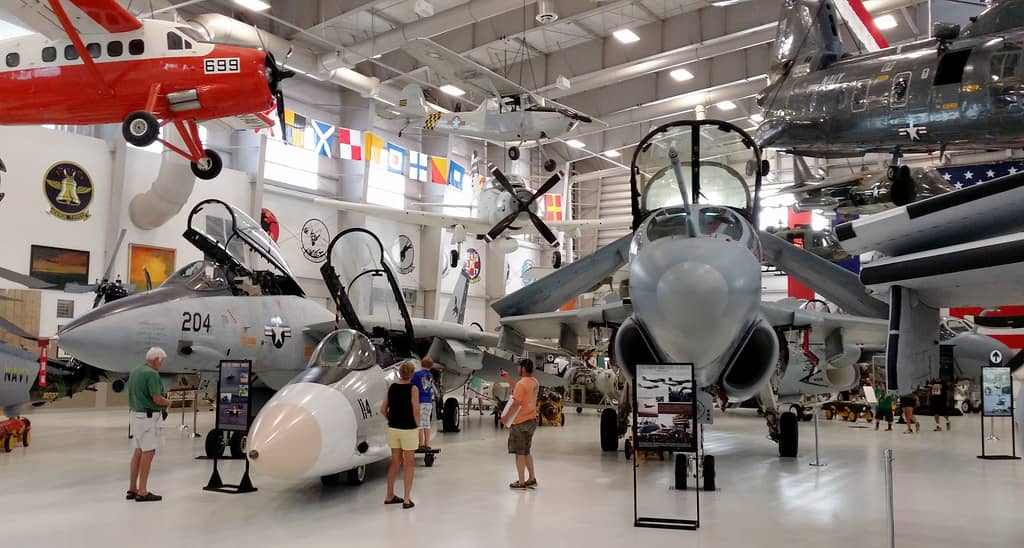
Marvel at impressive aircraft and learn about naval aviation history, from historical planes to modern jets.
Plans like a pro.
Thinks like you
Planning Your Visit
Free Admission & Quick Visits
Navigating Exhibits & Translations
Best Times
Insider Tips
from TikTok, Instagram & Reddit
🎯 Free Admission Alert!
Many naval museums are free to enter, making them a budget-friendly option for exploring maritime history.
🗺️ Follow the Marked Routes
If you get turned around on a large ship museum, follow the marked paths to find your way back.
🗣️ Check for Translations
Some exhibits may have limited English. Look for multilingual options or interactive videos for better understanding.
🎒 Bag & Water Bottle Rules
Be aware of clear bag policies and restrictions on water bottles before you visit. +1
Tips
from all over the internet
🎯 Free Admission Alert!
Many naval museums are free to enter, making them a budget-friendly option for exploring maritime history.
🗺️ Follow the Marked Routes
If you get turned around on a large ship museum, follow the marked paths to find your way back.
🗣️ Check for Translations
Some exhibits may have limited English. Look for multilingual options or interactive videos for better understanding.
🎒 Bag & Water Bottle Rules
Be aware of clear bag policies and restrictions on water bottles before you visit. +1
✈️ Explore Aircraft Exhibits
Don't miss the chance to see impressive aircraft, especially at naval aviation museums.
What Travellers Say
Reviews Summary
Visitors often praise naval museums for their free admission and engaging exhibits, particularly the immersive historical voyages and impressive aircraft displays. However, some find certain exhibits confusing or lacking sufficient English translation, and the size of some museums can be overwhelming for a quick visit.
"Detailed, thoughtful exhibit on maritime exploration as it relates to the slave trade. There was also a fun interactive video experience about Magellan & Elcano’s journey around the world. Small, free, and worth even a quick visit."
Mitchell Blom
"Not a musuem. More of an exhibition space. No charge. Very small - located on two floors. More a teaching space for local school trips. The Magallenes video however is excellent - giving a vivid ( in various languages) description of the 2 year round world gory and violent voyage undertaken back in the 1500s
The rest is not worth the time."
Paul Bredin
"Nice displays but very confusing. A whole floor on the US fight for independence with no English translation as to how it relates to Spain & the Basque culture. English notes that are present were so small they were difficult to read. Just glad we came on a free day!"
Alex Kramer
What People Like
What People Dislike
Frequently Asked Questions
🚇 🗺️ Getting There
Access varies by location. Some naval museums are easily reachable by public transport, while others might require a car. For example, the Naval Aviation Museum in Pensacola is a drive from New Orleans, and renting a car might be the most convenient option if not staying nearby.
Many naval museums located in cities or popular tourist areas are accessible via local bus or train lines. It's always best to check the specific museum's website for detailed public transportation information.
For large aircraft carriers or battleships, like the USS Midway or USS Hornet, plan for several hours. Following marked routes can help you navigate the extensive decks and exhibits. +1
Most naval museums offer dedicated parking lots or are located near public parking garages. Check the museum's website for parking fees and availability.
This depends on their proximity. If they are in the same city or region, it might be possible, but large ship museums can easily take up a significant portion of your day.
🎫 🎫 Tickets & Entry
Many naval museums, including the Naval Aviation Museum in Pensacola, offer free admission. However, special exhibits, simulators, or guided tours may incur additional fees.
For free-admission museums, advance booking is usually not required. For museums with paid entry or special events, it's advisable to book tickets online to secure your spot and potentially get a better price.
Opening hours vary significantly by museum and season. It's crucial to check the official website of the specific naval museum you plan to visit for the most up-to-date information on operating hours and any potential closures.
Some naval museums offer discounts for seniors, military personnel, students, or children. Check their admission pages for details on eligibility and required identification.
For most naval museums, especially those with free admission, reservations are not necessary. However, for popular attractions or during peak seasons, booking ahead is recommended to avoid disappointment.
🎫 🧭 Onsite Experience
Naval museums showcase a wide range of exhibits, including historic ships, aircraft, naval weaponry, uniforms, and artifacts detailing maritime history, shipbuilding, and naval operations. Some offer immersive experiences like flight simulators. +2
Yes, many naval museums are very family-friendly. Interactive exhibits, large ships to explore, and aircraft displays often captivate children. Some museums even have dedicated children's areas or activities. +1
A quick visit to a smaller exhibition space might take an hour, while exploring a large aircraft carrier or a comprehensive naval history museum could easily require 3-4 hours or more. +1
Photography is generally allowed in most naval museums, but flash photography might be restricted in certain areas to protect artifacts. Always check for posted signs or ask staff if unsure.
Many naval museums offer guided tours led by knowledgeable docents or staff. These tours can provide deeper insights into the exhibits and history. Check the museum's schedule for tour times.
🍽️ 🍽️ Food & Dining
Some larger naval museums have on-site snack bars or cafes offering light refreshments and meals. Smaller museums might not have food facilities, so it's wise to bring your own snacks or plan to eat nearby.
Policies vary. Some museums allow clear water bottles, while others have stricter rules. It's best to check the museum's visitor guidelines regarding outside food and beverages.
Depending on the museum's location, you'll likely find a variety of restaurants, cafes, and eateries in the surrounding area. Local recommendations or online reviews can help you find the best spots.
📸 📸 Photography
Iconic shots include the vast decks of aircraft carriers, impressive aircraft displays, historic cannons, and panoramic views from the ship's bridge. Don't forget to capture the unique architectural details of the museum itself. +1
While generally permitted, flash photography is often prohibited to protect delicate exhibits. Tripods may also be restricted in certain areas. Always adhere to museum signage and staff instructions.
A versatile lens, like a 24-70mm, is great for capturing both wide-deck shots and detailed exhibits. A wide-angle lens is useful for the expansive views on ships, while a telephoto can help with distant details.
Absolutely not. Drones are strictly prohibited inside naval museums and on historic vessels due to safety regulations and potential damage to artifacts.
For aerial views, you'd typically need to be on a higher vantage point nearby or consider a professional aerial photography service if permitted by local regulations and the museum.









Social
from TikTok, Instagram & Reddit