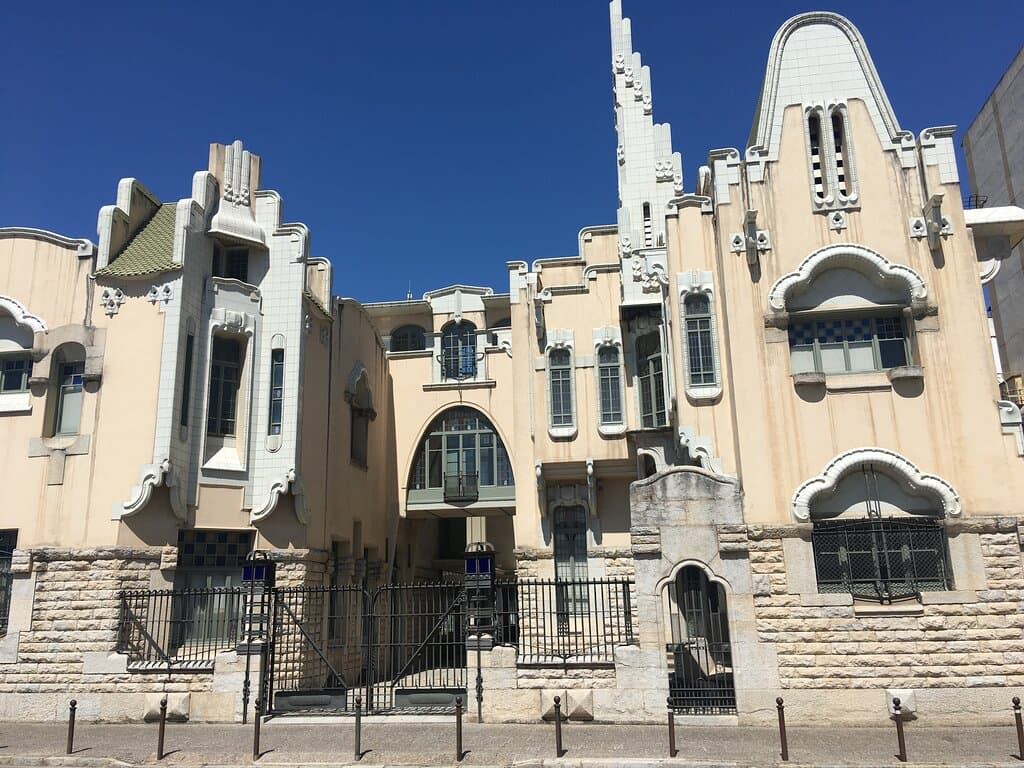
Farinera Teixidor Casa de la Punxa
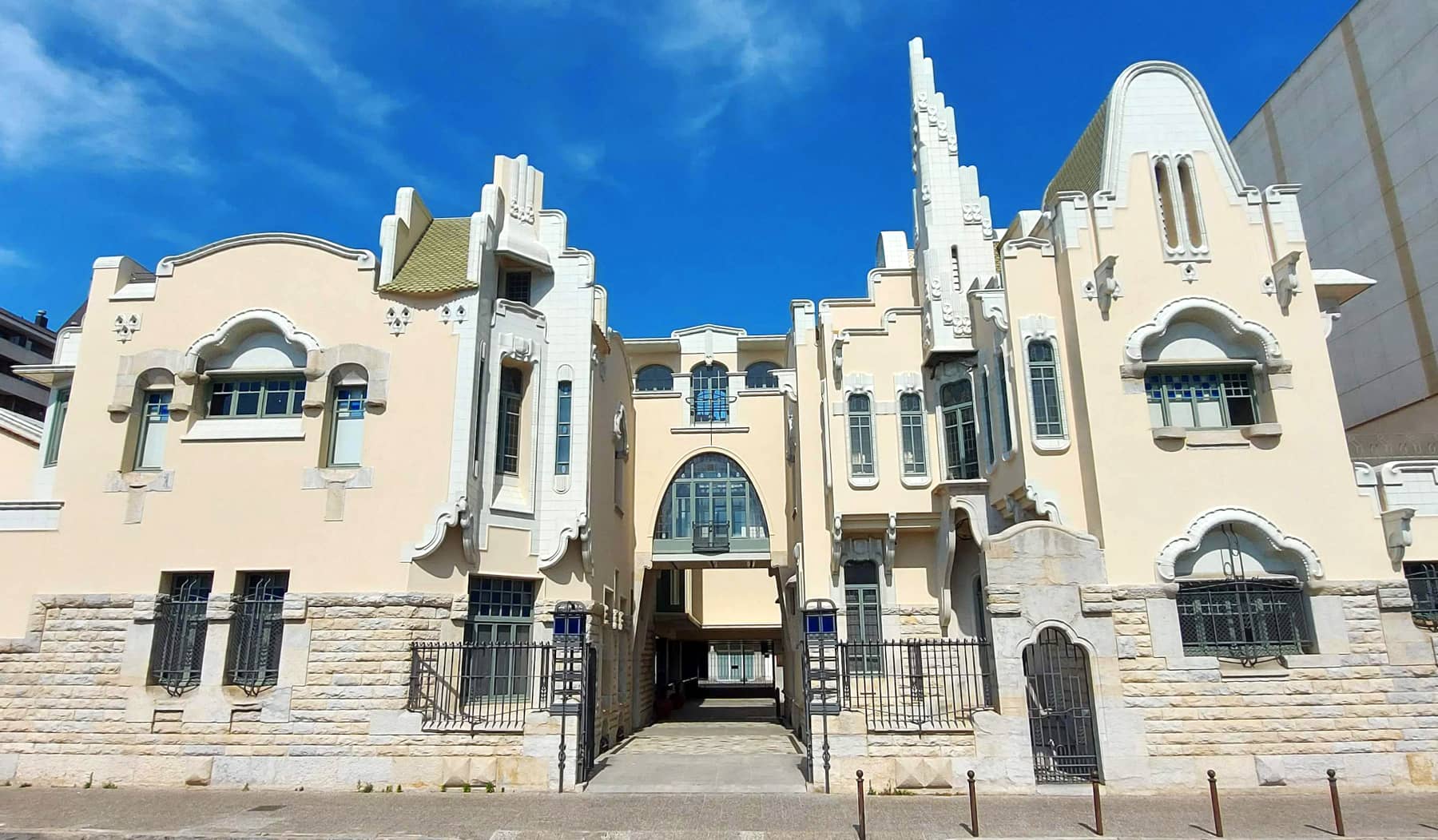
A stunning 1911 Noucentisme masterpiece by Rafael Masó, once a flour mill and residence, crowned by an iconic ear of wheat pinnacle.
Highlights
Must-see attractions

Social
From TikTok & Reddit
Best Time
Best light for architecture
Farinera Teixidor Casa de la Punxa
Best Time
Best light for architecture
Highlights
Must-see attractions
A stunning 1911 Noucentisme masterpiece by Rafael Masó, once a flour mill and residence, crowned by an iconic ear of wheat pinnacle.
"A beautiful building, a superb example of Noucentisme architecture."
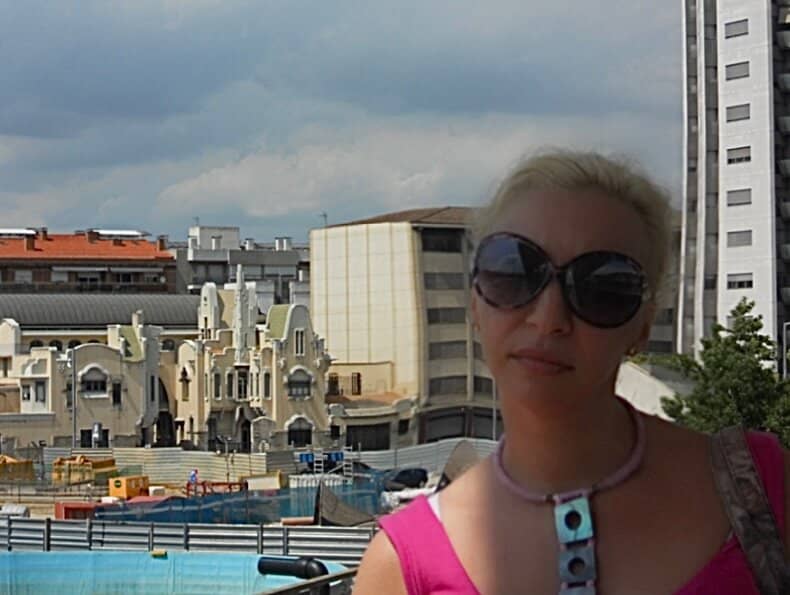
Admire the Pinnacle
Don't miss the unique ear of wheat pinnacle – a true symbol of the building's history. :camerawithflash:
Architectural Details
Take time to appreciate the intricate Noucentisme details throughout the building's facade and design. :art:

Highlights
Discover the most iconic attractions and experiences

Ear of Wheat Pinnacle
The iconic rooftop symbol, a striking representation of a wheat ear, crowns this architectural marvel.

Noucentisme Architecture
Experience the elegance of Catalan Noucentisme, a style blending classical and modern elements in this 1911 masterpiece.

Former Flour Mill & Residence
Explore the unique dual purpose of this building, once a functional flour mill and the residence of its owner.
Plans like a pro.
Thinks like you
Planning Your Visit
Art Nouveau Gem
Restoration in Progress
Best Times
Insider Tips
from TikTok, Instagram & Reddit
Admire the Pinnacle
Don't miss the unique ear of wheat pinnacle – a true symbol of the building's history. :camerawithflash:
Architectural Details
Take time to appreciate the intricate Noucentisme details throughout the building's facade and design. :art:
Check Restoration Status
Confirm if any restoration work is ongoing that might affect viewing. :informationdeskperson:
Tips
from all over the internet
Admire the Pinnacle
Don't miss the unique ear of wheat pinnacle – a true symbol of the building's history. :camerawithflash:
Architectural Details
Take time to appreciate the intricate Noucentisme details throughout the building's facade and design. :art:
Check Restoration Status
Confirm if any restoration work is ongoing that might affect viewing. :informationdeskperson:
What Travellers Say
Reviews Summary
Visitors consistently praise the stunning architecture of Farinera Teixidor Casa de la Punxa, particularly its unique ear of wheat pinnacle and its representation of Noucentisme style. The building's historical significance as a former flour mill and residence is also a highlight, offering a glimpse into Girona's past.
"Farinera Teixidor. A flour factory of which the owner's house was also part. Architect Rafael Masó i Valentí, art nouveau, modernisme, built in 1911.
The main pinnacle symbolizes the shape of an ear of wheat."
Kent Wang
"Beautiful building almost restored"
Mick Hoogwerf
"Stunning building."
Tim Husain
What People Like
What People Dislike
Frequently Asked Questions
🚇 🗺️ Getting There
Farinera Teixidor Casa de la Punxa is located in Girona. You can reach it by public transport within the city or by car. Parking might be limited, so consider walking or using local buses if you're already in the city center.
As a restored historical building, accessibility can vary. It's advisable to check in advance for specific details regarding ramps or elevator access if needed.
🎫 🎫 Tickets & Entry
Information on ticketing for Farinera Teixidor Casa de la Punxa is not widely available. It's best to check the official website or local tourist information for current access policies and any potential entry fees.
Opening hours for Farinera Teixidor Casa de la Punxa can vary, especially if restoration work is ongoing. Consult local listings or the building's official channels for the most up-to-date information.
Visits to Farinera Teixidor Casa de la Punxa are generally best during daylight hours to appreciate the architecture. Check for specific public access times as it may not be open 24/7.
📸 📸 Photography
The exterior, especially the unique ear of wheat pinnacle and the facade, offers fantastic photo opportunities. Capture the building from different angles to showcase its Noucentisme style.
Photography rules inside historical buildings can differ. It's recommended to inquire on-site or check beforehand if interior photography is permitted.
🎫 🏛️ Architecture & History
Farinera Teixidor Casa de la Punxa was designed by the renowned architect Rafael Masó i Valentí, a key figure in Catalan Modernisme and Noucentisme.
The building is a prime example of Noucentisme, a Catalan architectural movement that emerged in the early 20th century, blending classical and modern influences.
Originally, it served as a flour mill (harinera) and also incorporated the residence of the owner, showcasing a practical yet elegant design.
This impressive structure was built in 1911, making it a significant piece of early 20th-century architecture in Girona.
For Different Travelers
Tailored advice for your travel style
Architecture Enthusiasts
History Buffs
Deep Dives
In-depth insights and expert knowledge
Architectural Significance
The most striking feature is the pinnacle shaped like an ear of wheat, a symbolic nod to the building's original function as a flour mill. This detail, along with the overall aesthetic, showcases Masó's ability to integrate symbolism and functionality into his architectural creations. The building's dual purpose as both an industrial facility and a residence also speaks to the evolving urban landscape and the lives of its inhabitants during that era.
Its inclusion in the Inventory of the Architectural Heritage of Catalonia underscores its importance. Visitors can appreciate the careful restoration efforts that have preserved its unique character, allowing a glimpse into Girona's architectural past and the artistic vision of Rafael Masó.
The Legacy of Rafael Masó
Masó's work is characterized by its elegance, attention to detail, and integration of local materials and traditions. He was not just an architect but also a designer, often involved in the interior decoration and furnishings of his buildings. Farinera Teixidor Casa de la Punxa exemplifies his ability to create structures that are both aesthetically pleasing and deeply rooted in their context.
His contributions extend beyond individual buildings; Masó was instrumental in shaping the urban identity of Girona. Exploring his works, like the Farinera Teixidor, offers a deeper understanding of the cultural and architectural evolution of Catalonia in the early 20th century.




Social
from TikTok, Instagram & Reddit