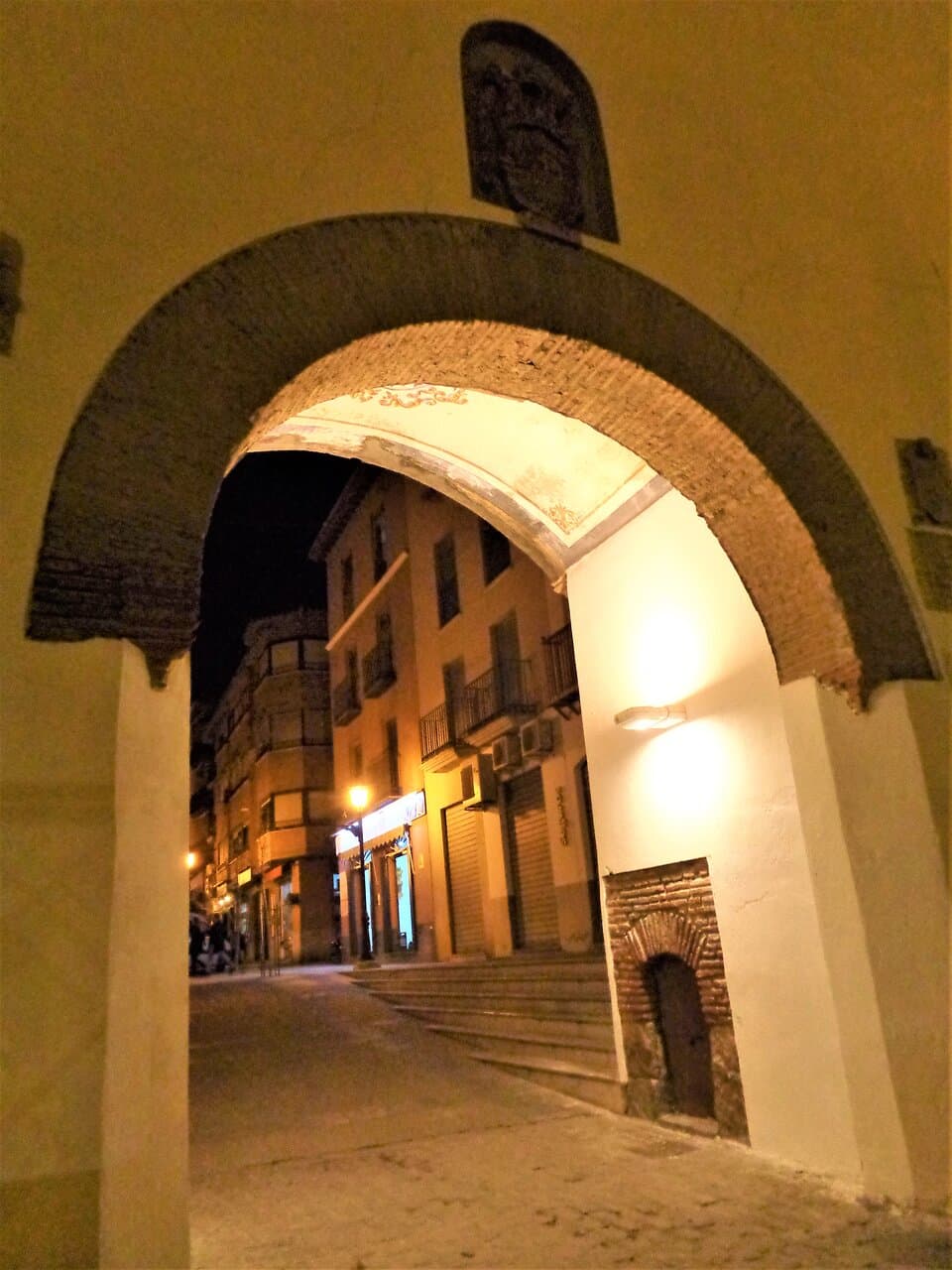
Puerta de San Torcuato
A historic gate in Guadix, evolving from Muslim defense to a 16th-century religious landmark with a chapel and imperial crests.
Highlights
Must-see attractions

Social
From TikTok & Reddit
Best Time
Best light for photos
Puerta de San Torcuato
Best Time
Best light for photos
Highlights
Must-see attractions
A historic gate in Guadix, evolving from Muslim defense to a 16th-century religious landmark with a chapel and imperial crests.
"An arch with a beautiful story behind it, a must-see if you visit Guadix."
Discover its dual history
Appreciate its evolution from a Muslim gate to a religious site. 📚
Look for the coats of arms
Spot the detailed emblems above the arch. 🛡️
Quick Facts
Rating
4.1 · 10 reviews
Type
General Contractor
Highlights
Discover the most iconic attractions and experiences
The Chapel of Saint Torcuato
Upper part of the gate
A 16th-century chapel built to house relics, adding a significant religious dimension to the gate's history.
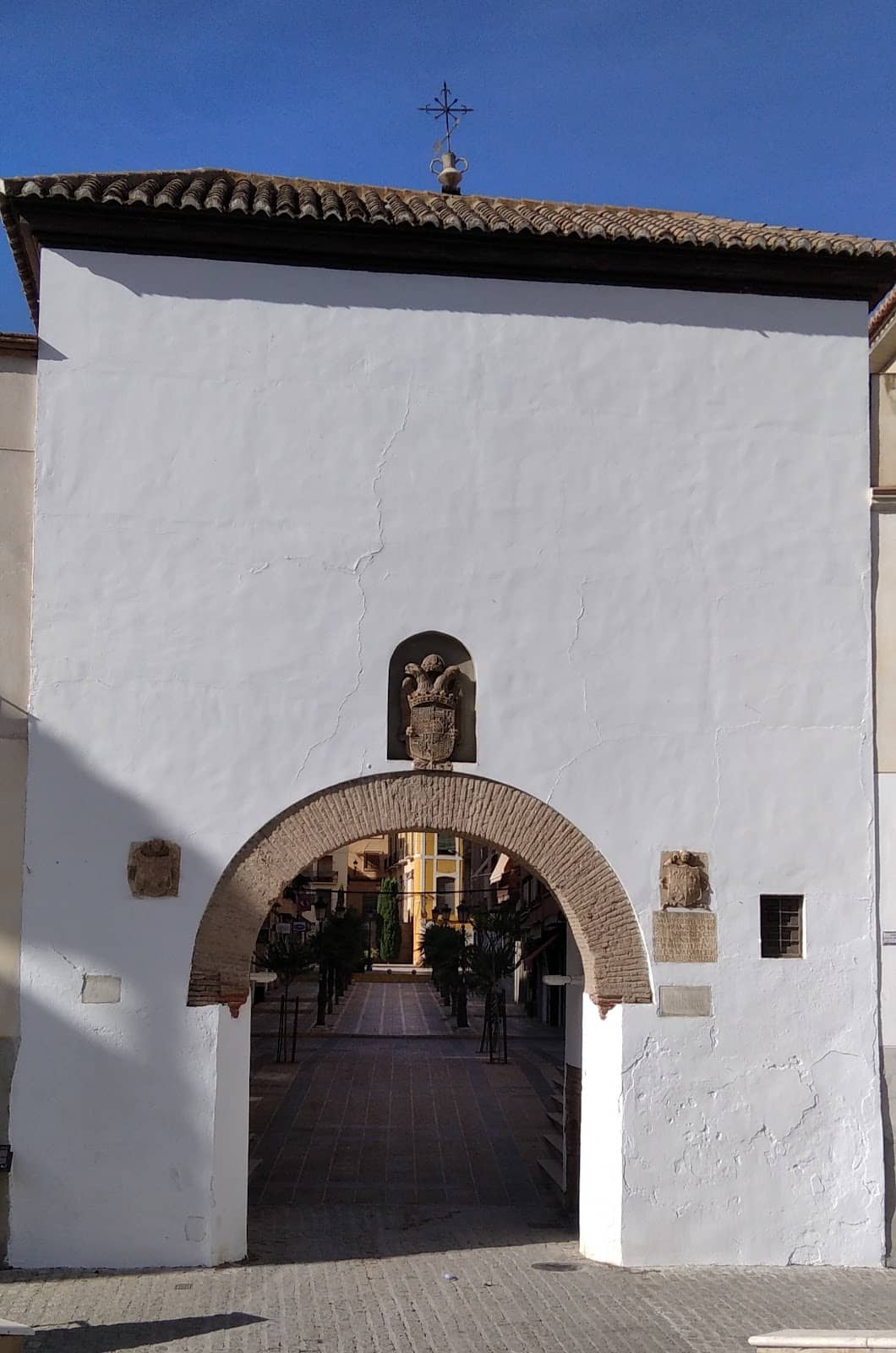
Imperial Coat of Arms
Above the arch's keystone
See the impressive 16th-century coat of arms of Charles V, flanked by the city's and magistrate's emblems.
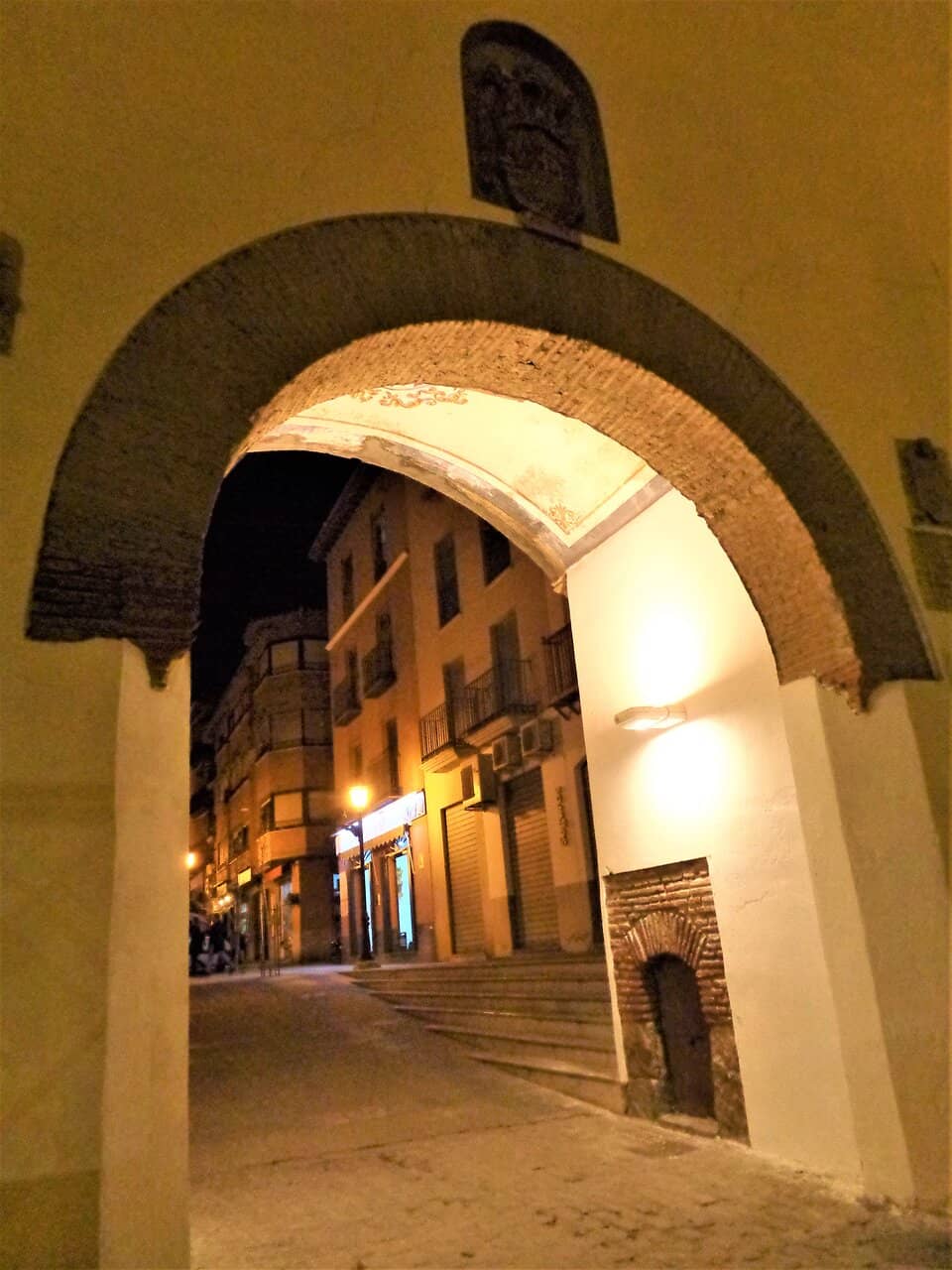
Original Muslim Era Architecture
The archway
Experience the semicircular brick arch, a remnant of its original Muslim construction, Bib-Bazamarín.
Plans like a pro.
Thinks like you
Planning Your Visit
A Gate with a Rich Past
Location and Context
Best Times
Insider Tips
from TikTok, Instagram & Reddit
Discover its dual history
Appreciate its evolution from a Muslim gate to a religious site. 📚
Look for the coats of arms
Spot the detailed emblems above the arch. 🛡️
Imagine its past life
Think of the saddlers and horse stables that once thrived here. 🐴
Tips
from all over the internet
Discover its dual history
Appreciate its evolution from a Muslim gate to a religious site. 📚
Look for the coats of arms
Spot the detailed emblems above the arch. 🛡️
Imagine its past life
Think of the saddlers and horse stables that once thrived here. 🐴
What Travellers Say
Reviews Summary
Visitors appreciate the Puerta de San Torcuato for its rich historical narrative, detailing its transformation from a Muslim-era gate to a significant religious site. The architectural details, including the coats of arms and the chapel, are noted as points of interest. While not a grand monument, its story and historical context make it a worthwhile stop for those exploring Guadix.
"The gate was built during the Muslim era and was known as Bib-Bazamarín. In the 16th century, its exterior appearance was renovated and it began to take on more political and religious functions. In 1593, a chapel was built on the upper part to mark the passage through it, which housed the relics of the evangelical saint Saint Torcuato. From that moment on, it acquired a new appearance, and public mass was celebrated from its balcony on designated days, and it became known as the "Gate of Saint Torcuato.""
C. Antonio González
"It was originally known as the Bib-Bazamarín Gate, or the second gate of Baza. In 1593, a chapel was built on top of it. It is one of the entrance gates from the suburbs."
José A Díaz
"The San Torcuato Gate is located directly opposite the entrance to Pedro Antonio de Alarcón Park, a formerly commercial and artisan area. Originally, this gate was called Bib-Bazamarín or the Second Gate of Baza. It was one of the gates in the defenses of the Andalusian city, serving as access to one of the suburbs from the northern part.
Despite its initially somewhat fortified character, in the 16th century, under the rule of the city governor, Francisco Chacón, and his mayor, Juan Álvarez de Toledo, it came to have a political and, above all, religious function. It was during this period, in 1593, that the chapel was built above the gate to commemorate the passage through it of the relics of the evangelical saint, Saint Torcuato. It thus acquired a renewed appearance adapted to new functions, such as public mass on designated days from its balcony.
The San Torcuato Gate is simple, with a semicircular brick arch and a passageway, like that of the Image. The chapel is accessed from the passageway. Above the keystone of the arch we see the Imperial coat of arms of Charles V with the double-headed eagle, accompanied on the left side by the coat of arms of the city and on the right by that of the magistrate Pedro Chacón. It dates from the 16th century."
Javier Gonzalez-Soria
What People Like
What People Dislike
Frequently Asked Questions
🚇 🗺️ Getting There
The Puerta de San Torcuato is located opposite Pedro Antonio de Alarcón Park in Guadix. It's easily accessible on foot within the city center, making it a convenient stop during your exploration of Guadix's historical sites.
As it's located in the city center, you'll likely find bus stops nearby that serve the main routes within Guadix. Check local bus schedules for the most convenient options.
While you can drive to the vicinity, parking in the historic center of Guadix can be challenging. It's often best to park a short walk away and enjoy exploring on foot.
🎫 🎫 Tickets & Entry
No, the Puerta de San Torcuato is an open historical monument and does not require an entrance ticket. You can admire its architecture and historical significance freely.
As an outdoor monument, the gate is accessible at all times. However, visiting during daylight hours is recommended to best appreciate its details and surroundings.
The chapel built on top of the gate is part of the historical structure. Access to the chapel itself might depend on local arrangements or specific events, but generally, viewing from the exterior is the primary experience.
🎫 🧭 Onsite Experience
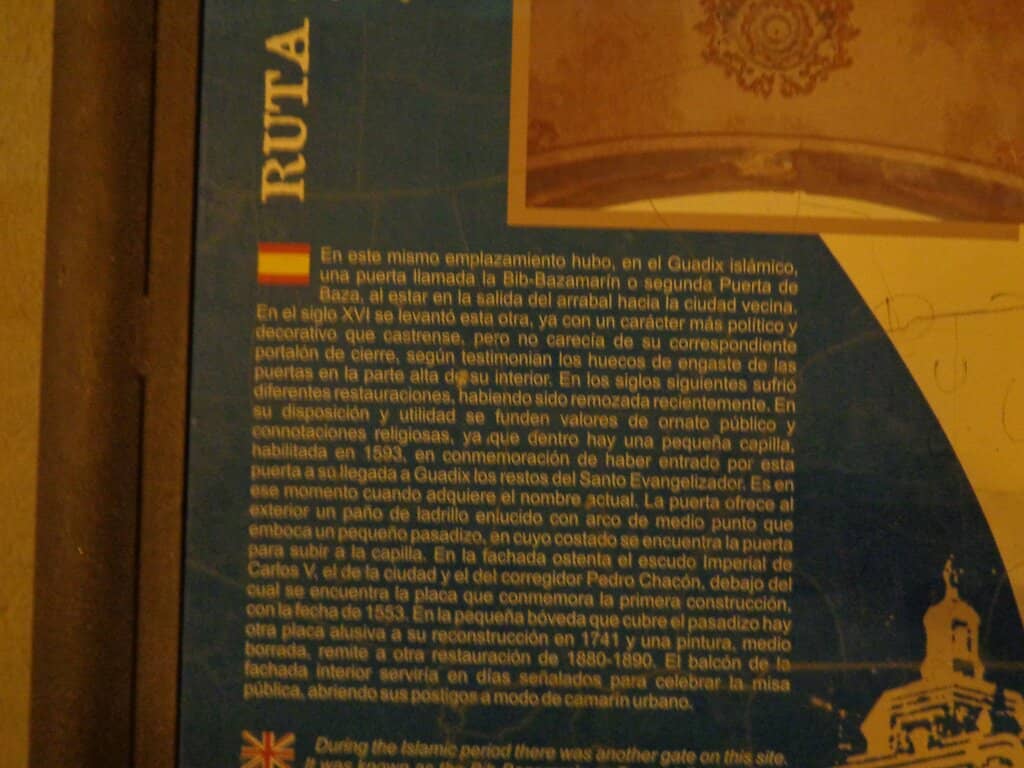
Originally the Bib-Bazamarín Gate from the Muslim era, it was renovated in the 16th century and gained religious importance with the addition of a chapel dedicated to Saint Torcuato, becoming a site for public masses.
Pay attention to the semicircular brick arch, the chapel on the upper part, and the 16th-century coats of arms of Charles V, the city, and the magistrate above the keystone.
Yes, the gate offers interesting architectural details and historical context for photography. The coats of arms and the archway provide good subjects, especially with natural light.
It's located opposite Pedro Antonio de Alarcón Park, a pleasant green space. The surrounding area is part of Guadix's historic center, offering a glimpse into the city's past commercial and artisan life.

Social
from TikTok, Instagram & Reddit