Doñana National Park
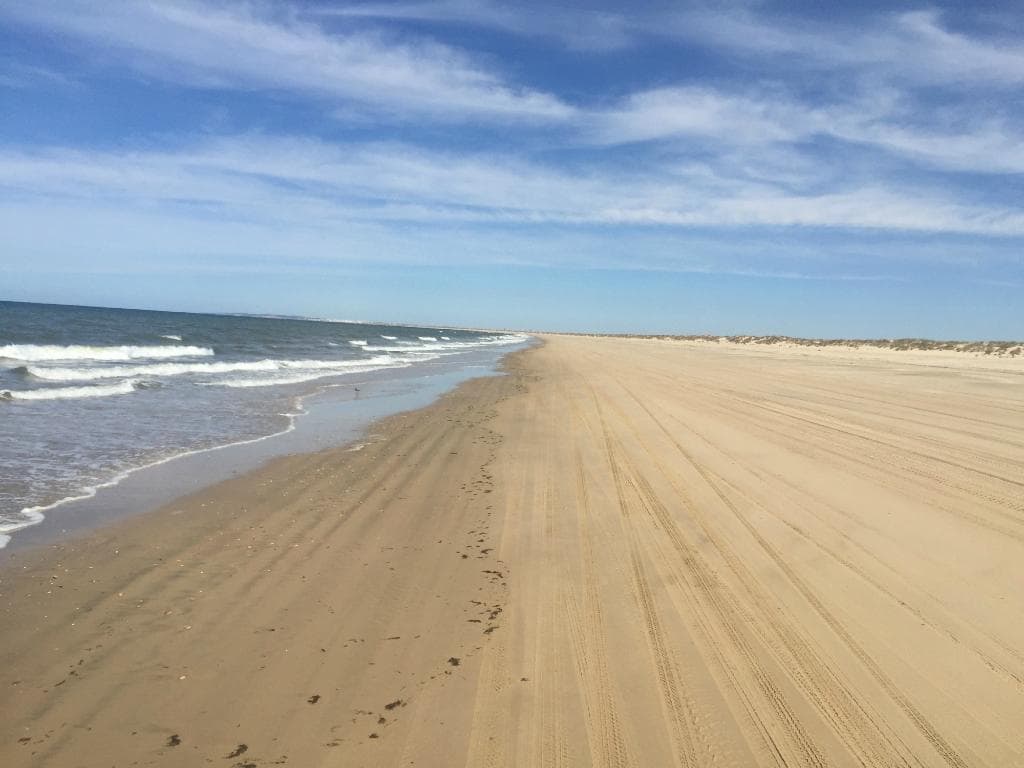
Europe's largest wetland and a vital sanctuary for migratory birds, featuring diverse landscapes from marshes to dunes.

Highlights
Must-see attractions

Social
From TikTok & Reddit
Best Time
Lush greenery & bird activity
Doñana National Park
Best Time
Lush greenery & bird activity
Highlights
Must-see attractions
Europe's largest wetland and a vital sanctuary for migratory birds, featuring diverse landscapes from marshes to dunes.
"One of the most beautiful and peaceful places I've ever been, feels like stepping into another world."
Book Guided Tours Early
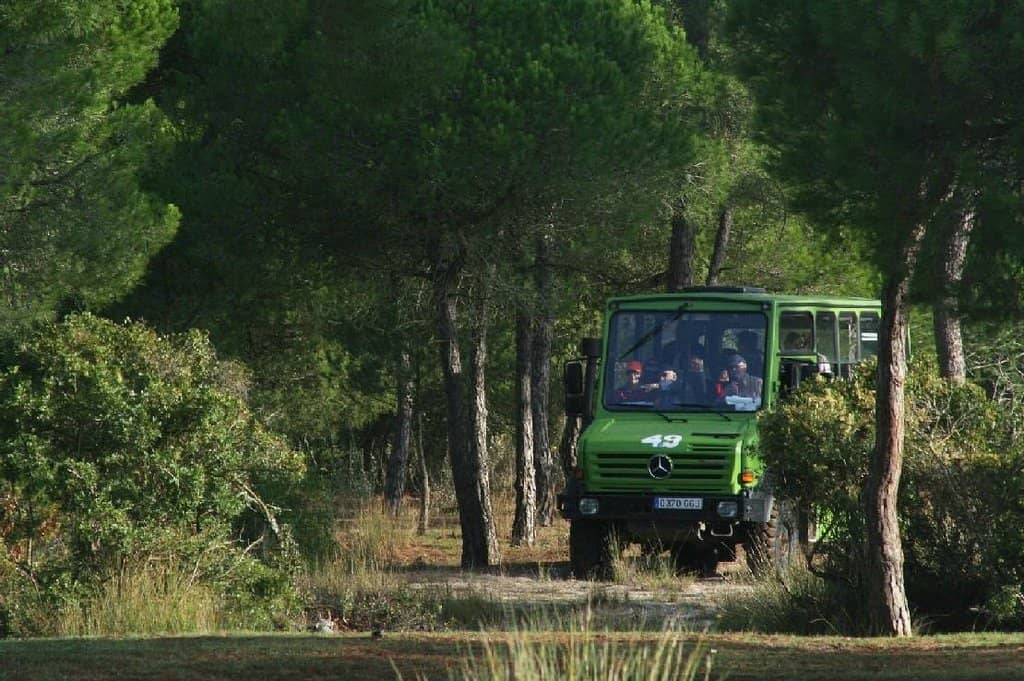
Essential for accessing core areas. Book ahead, especially for popular birdwatching or lynx tours.
Consider a Car or Tour
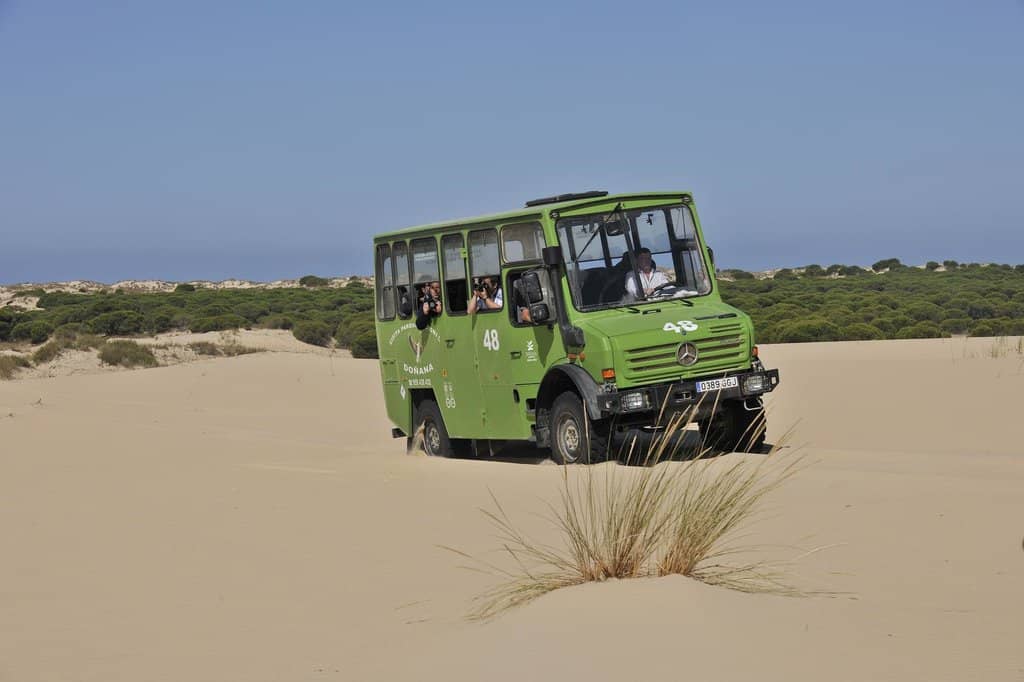
Public transport is limited. A car or organized tour is best for exploring beyond El Rocío.
Quick Facts
Hours
Rating
4.6 · 11,615 reviews
Type
National Park
Address
Highlights
Discover the most iconic attractions and experiences
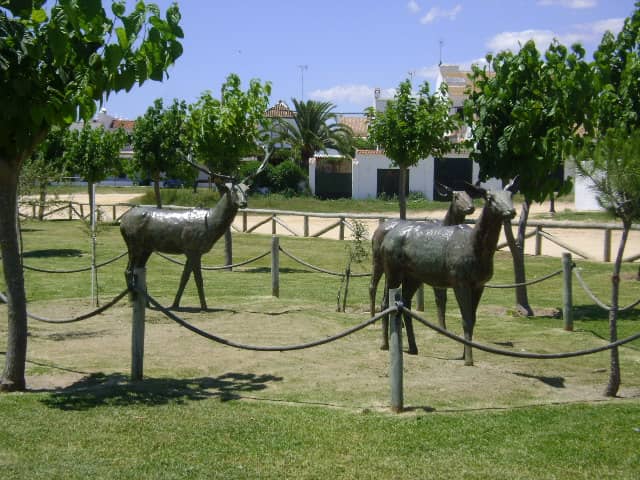
El Rocío Village
Edge of the park
A unique, sandy village with a spiritual ambiance, known for its hermitage and equestrian culture.
Birdwatching Hotspots
Various marshes and lagoons
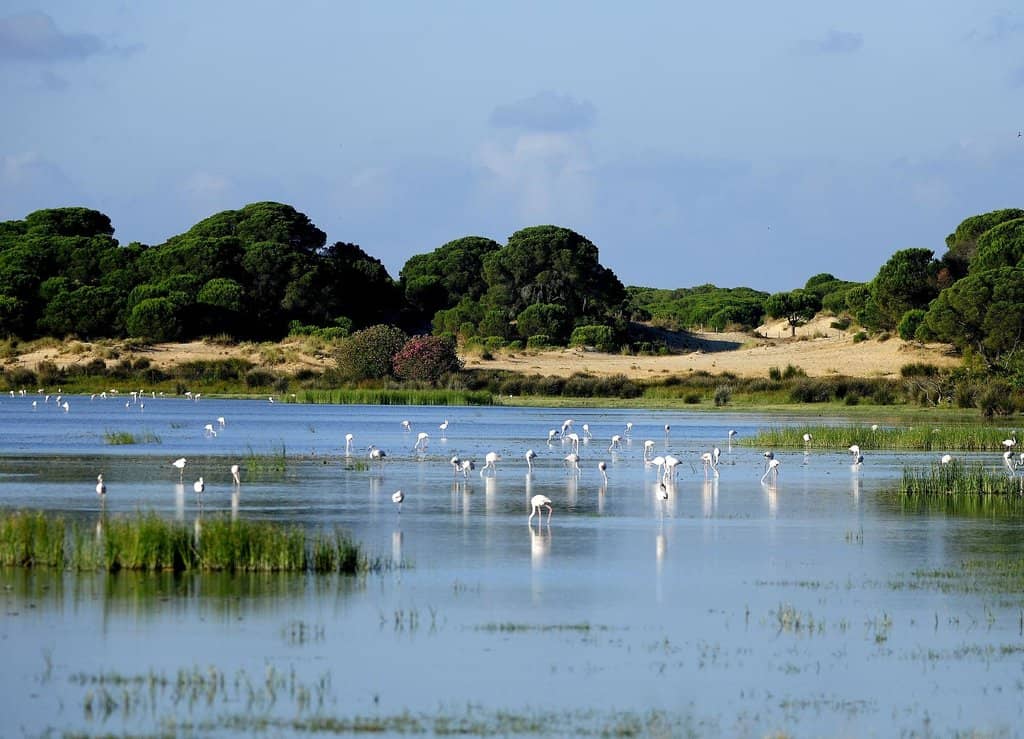
Witness thousands of migratory birds, including flamingos and storks, in Europe's most important wetland.

Dune Systems
Coastal areas
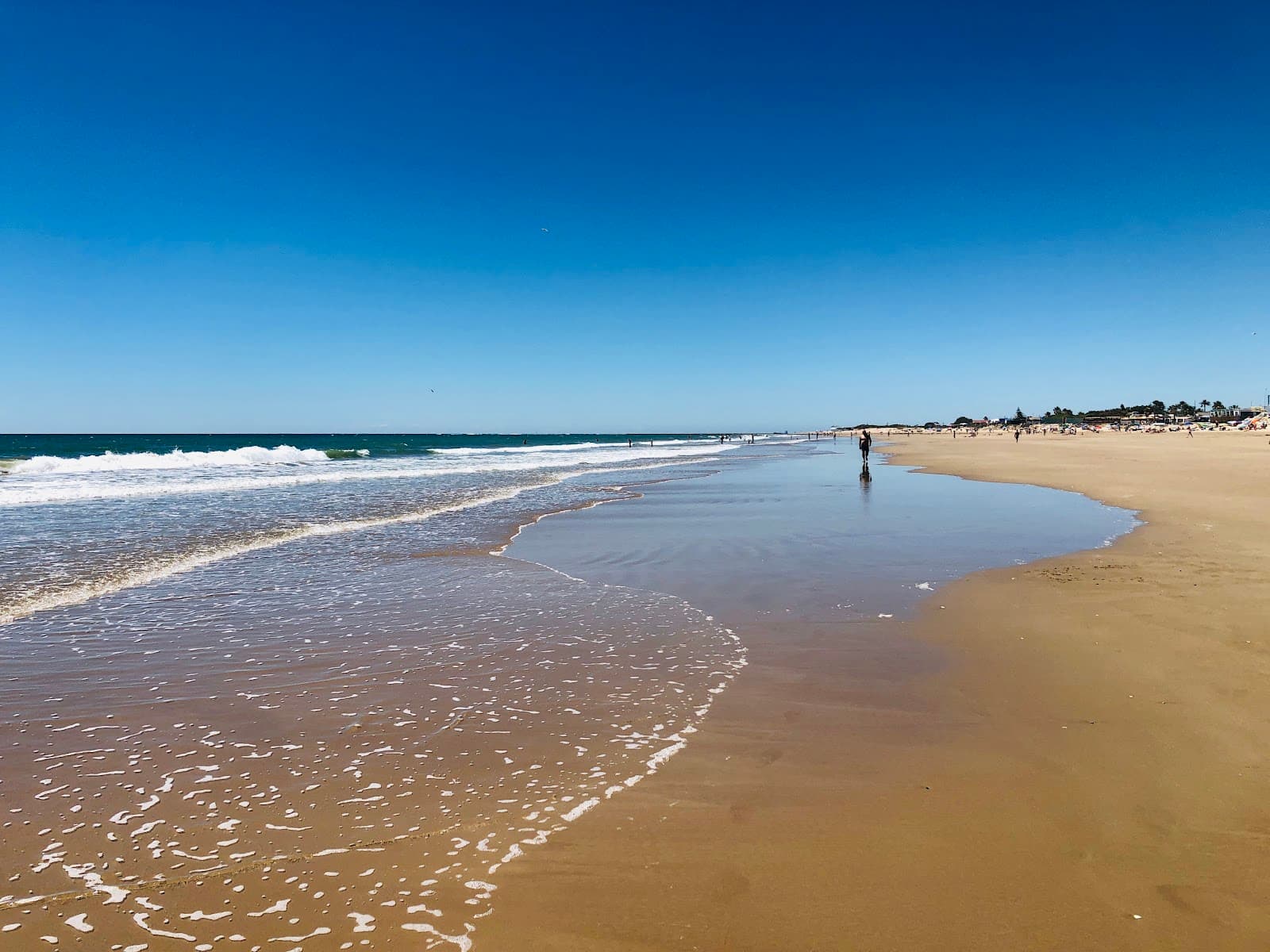
Explore vast, shifting sand dunes that create a unique coastal desert landscape, offering stunning views.
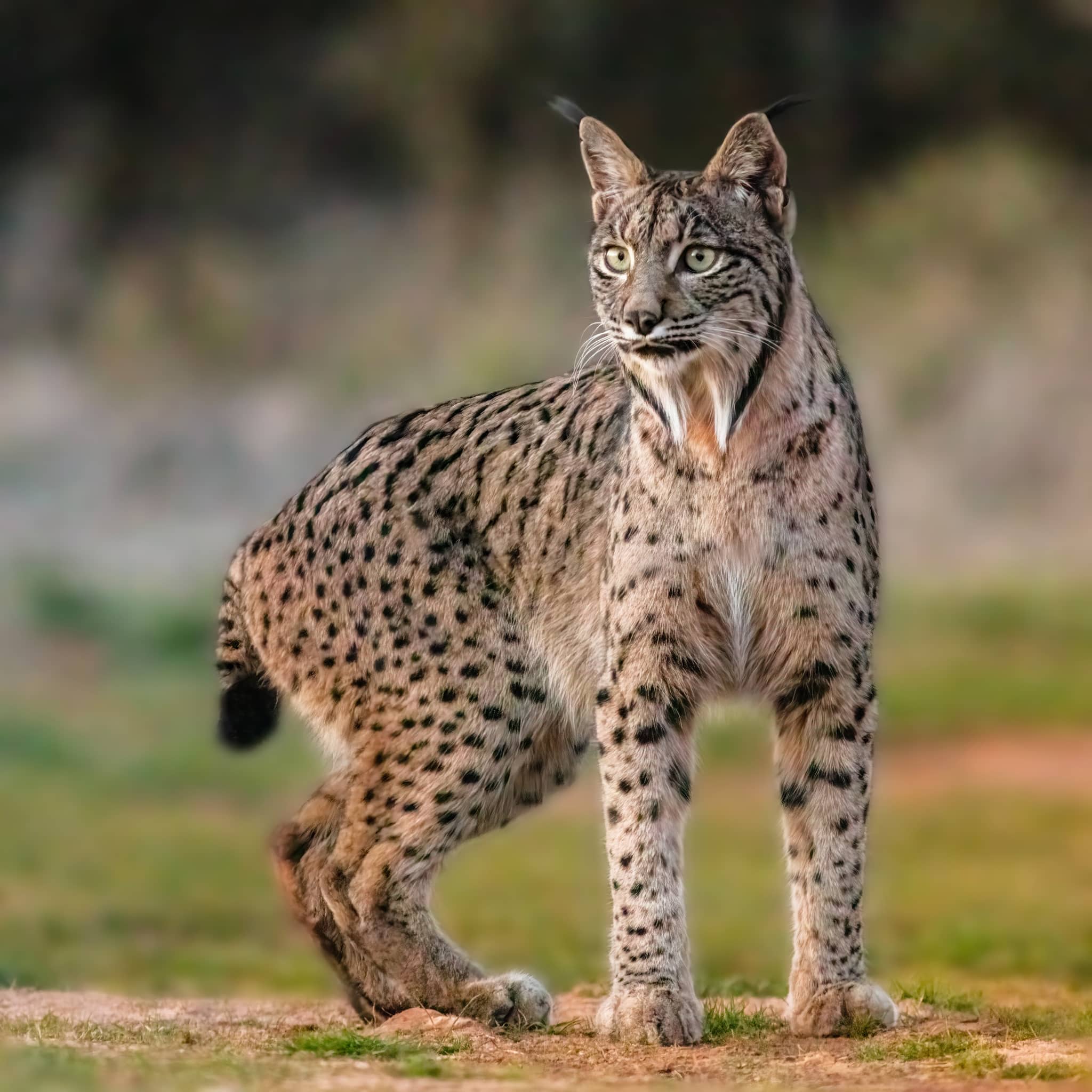
Iberian Lynx Habitat
Protected core areas
While sightings are rare, this is a crucial sanctuary for the endangered Iberian lynx.
Plans like a pro.
Thinks like you
Planning Your Visit
Accessing the Heart of Doñana
Water Scarcity Concerns
Best Times
Insider Tips
from TikTok, Instagram & Reddit
Book Guided Tours Early
Essential for accessing core areas. Book ahead, especially for popular birdwatching or lynx tours.
Consider a Car or Tour
Public transport is limited. A car or organized tour is best for exploring beyond El Rocío.
Wear Comfortable Shoes
You'll be doing a lot of walking, especially on sandy terrain.
Bring Binoculars
Crucial for spotting the diverse birdlife and distant wildlife.
Tips
from all over the internet
Book Guided Tours Early
Essential for accessing core areas. Book ahead, especially for popular birdwatching or lynx tours.
Consider a Car or Tour
Public transport is limited. A car or organized tour is best for exploring beyond El Rocío.
Wear Comfortable Shoes
You'll be doing a lot of walking, especially on sandy terrain.
Bring Binoculars
Crucial for spotting the diverse birdlife and distant wildlife.
Stay Hydrated
Especially during warmer months, carry plenty of water.
Horseback Riding
Experience the dunes and landscapes from a unique perspective.
What Travellers Say
Reviews Summary
Visitors consistently praise Doñana National Park for its breathtaking natural beauty, diverse ecosystems, and abundant wildlife, particularly its role as a vital bird sanctuary. Many highlight the knowledgeable and friendly guides who enhance the experience. However, some reviews express concern over the park's water scarcity issues and the impact of agricultural practices on its delicate environment.
"Shame, shame, such a shame. The once-great wetland, the greatest even, in the Western Mediterranean region, the National Park of Coto Doñana is now a pale and sickly shadow of what it used to be; of what it could still be, in fact, if society and, above all, the regional authorities, ever recovers its senses.
And this in spite of Coto Doñana being UNESCO World Heritage Site since 1994, a listed Ramsar site (wetlands of international importance), a Biosphere Reserve, a Special Protected Area, and more. So what’s happened to lead the IUCN (International Union for the Conservation of Nature) to exclude the Coto Doñana from its green list in 2023 - the first ever park for this to happen to - due to the ongoing freefall in its biodiversity?
The finger points mostly in the direction of the Junta de Andalucía, which is the main body with the authority and responsibility for carrying out measures to halt and reverse the deterioration in the park’s loss of biodiversity. To do a proper job the Junta should be facing full-on the single most important issue on which hinges the survival of the park as such: water.
Of course, when it rains a lot, there’s water, almost for everything and for everyone. However, in these times of global warming and climate change, that is rarely the case in Doñana. More often than not drought, or the threat of it, is never far away. In 2023 it was reported that 59 % of the largest lagoons in Doñana had not been filled since at least 2013. What’s more, the three “permanent” lagoons which never dried out in the summer have gone ahead and dried out in the summer.
The main problem is not that there isn’t water; it’s where the available water is going, namely (1) intensive agriculture, with irrigation for crops such as rice, cotton and strawberries (the latter covering almost 6,000 hectares), largely extracted from the aquifer illegally and (2) tourist developments and their unsustainable demand for water, especially in the summer (Matalascañas, for example, has a summer population of 150, 000 people).
Nevertheless, when there’s water in the lagoons there are good times to be had by visiting birders. We at Birding In Spain have been organizing birding tours with 2 or 3-day stays in the park since 2011. And there have been many great days of birding for us from then to now. Greater Flamingos are common and very visible, while you’ll have a harder job finding rarer breeders such as White-headed Duck, Red-knobbed Coot, or Marbled Teal, and of course it helps to know where to concentrate your efforts to locate these specialties.
There are beautiful Black-necked Grebes in breeding plumage, handsome Red Crested Pochards, passage Garganey, herons, including Squacco Heron, Purple Heron and Little Bittern, Black Stork, Whiskered Terns, delightful Collared Pratincoles, exotic Black-headed Weavers and Common Waxbills, Penduline Tits, Savi’s, Great Reed and Isabelline Warblers, Black-winged Kites and Lesser Kestrels, Calandra, Mediterranean and Greater Short-toed Larks, the Spanish Imperial Eagle, Red-necked Nightjar …
So let’s just hope that not all is lost, and that determined action will be taken to reverse the disastrous processes of the last decades and to restore the National Park of Coto Doñana to its former glory."
Steve West
"I recently had the chance to visit Doñana National Park with a bilingual group, and honestly, it was one of the most beautiful and peaceful places I've ever been. Being in a group where everything was explained in both Spanish and English made it really easy to connect with people from different backgrounds and it helped us all appreciate the park even more.
Doñana is absolutely stunning. From wide open marshes full of birds to quiet forests and endless dunes, it feels like stepping into another world. We saw flamingos, deer, wild horses, and even spotted footprints from the rare Iberian lynx. Every part of the park feels untouched and wild in the best way.
Our guides were amazing and super friendly and full of interesting facts about the animals, plants, and history of the area. They switched effortlessly between languages, which made everything feel inclusive and easy to follow.
If you're looking for a place to slow down, breathe fresh air, and see nature at its most beautiful, Doñana is the place to go. It’s the kind of experience that stays with you long after you’ve left."
George Agignoaie
"I would give it 10 stars if I could, a world heritage site, a mixture of woods, sand dunes, and marsh land covering a vast area .
I was on a day trip, with a knowledgeable guide, and with her help learned about the history of the reserve, and saw many different birds
A visit to the remarkable town of El Rocio was included
I was lucky enough to see flamingos, spoonbills, and nesting storks, what you see of course will change with the seasons
Visiting was one of my better decisions this year"
Mick Pelling
What People Like
What People Dislike
Frequently Asked Questions
🚇 🗺️ Getting There
Getting to Doñana without a car is possible but requires planning. You can take a bus from Seville to El Rocío, which is a gateway town to the park. From El Rocío, you can access the La Rocina visitor center and nearby areas. However, to explore the core of the National Park and its most biodiverse regions, a guided tour with transportation from Seville or a rental car is generally necessary.
Cycling is permitted on designated routes and beaches, but crossing the core National Park areas is restricted. A ferry service operates between Matalascañas and Sanlúcar de Barrameda, which can accommodate bicycles for a fee. Always check current regulations and route availability before your trip.
The interior of Doñana National Park is largely restricted. Access is primarily through guided tours, often in 4x4 vehicles, which are essential for reaching sensitive habitats and increasing wildlife sighting opportunities. Booking these tours in advance is highly recommended.
Yes, Huelva is a good base for visiting Doñana National Park. You can drive to various access points like El Rocío or Matalascañas, or arrange guided tours that depart from Huelva or nearby towns.
Within the park itself, public transport is very limited. The main access points like El Rocío have some local services, but to venture into the protected zones, guided tours are the primary method of transport.
🎫 🎫 Tickets & Entry
Entry to the general areas of Doñana National Park, like El Rocío and the beaches, is free. However, access to specific visitor centers or guided tours within the protected zones requires booking and may have associated fees.
The cost of guided tours can vary significantly depending on the duration, type of tour (e.g., birdwatching, lynx spotting), and the operator. Prices can range from €40 to over €100 per person. Booking in advance is crucial.
Opening hours for visitor centers like La Rocina can vary seasonally. It's best to check the official Doñana National Park website or contact them directly for the most up-to-date information on hours and any specific access restrictions.
You can visit certain areas independently, such as El Rocío village and the beaches near Matalascañas. However, to explore the core ecological zones and see the most wildlife, guided tours are highly recommended and often mandatory.
Information on discounts or special passes is not widely advertised. It's advisable to inquire directly with tour operators or the park authorities if you are part of a group or have specific needs.
🎫 🏞️ Onsite Experience
Doñana is renowned for its incredible biodiversity. You can see a vast array of bird species, including flamingos, storks, and spoonbills, especially during migration seasons. Mammals like deer, wild boar, and if you're very lucky, the endangered Iberian lynx, inhabit the park. Wild horses and various reptiles are also present.
The best times for birdwatching in Doñana are during the spring (April-May) and autumn (September-October) migration periods. Winter (November-March) is also excellent for resident and overwintering bird species. +1
Yes, there are several marked trails, particularly around visitor centers like La Rocina and El Acebuche, and along the coast. For deeper exploration, guided tours often include walking segments through diverse habitats.
Doñana boasts a remarkable variety of landscapes, including vast marshes (marismas), pine forests, cork oak woodlands, and extensive sand dune systems along the coast. This diverse terrain supports a rich array of flora and fauna. 
Yes, Doñana can be very engaging for families. Visitor centers often have educational exhibits, and guided tours can be adapted. The beaches and El Rocío offer unique experiences. However, some areas require careful supervision due to wildlife and terrain.
🍽️ 🍽️ Food & Dining
There are no restaurants directly inside the core protected areas of Doñana National Park. However, the gateway towns like El Rocío, Matalascañas, and Sanlúcar de Barrameda offer a range of dining options, from traditional tapas bars to seafood restaurants.
Near Doñana, you should try fresh seafood, especially prawns from Huelva and Sanlúcar. Also, look for local game dishes, Iberian pork products, and regional sweets. The area is known for its excellent produce.
Picnicking is generally allowed in designated areas or visitor centers. However, it's crucial to follow park rules, such as not feeding wildlife and properly disposing of all trash to protect the environment.
While traditional Andalusian cuisine is meat and seafood-heavy, many restaurants in tourist areas are increasingly offering vegetarian and vegan options. It's always best to check menus or inform your server about dietary needs.
Sanlúcar de Barrameda is renowned for its gastronomy, particularly its seafood and Manzanilla sherry. El Rocío offers a more rustic, traditional experience, while Matalascañas has more tourist-oriented restaurants.
📸 📸 Photography
The diverse landscapes offer endless photographic opportunities. Key spots include the sand dunes, the marshes teeming with birds (especially at sunrise/sunset), El Rocío village with its unique architecture, and the coastal areas. Guided tours often take you to prime wildlife viewing and scenic locations.
Doñana is a paradise for bird photography, with opportunities to capture flamingos, storks, and numerous migratory species. Mammal photography is more challenging due to their elusive nature, but with patience and luck (and guided tours), you might photograph deer or wild boar.
For general personal photography, no special permit is usually required. However, if you plan to conduct commercial photography or use professional equipment, it's advisable to contact the park authorities to inquire about any necessary permissions or regulations.
The 'golden hours' around sunrise and sunset offer the most dramatic light for landscape photography, enhancing the colors of the marshes, dunes, and forests. Midday light can be harsh, but can work well for capturing the starkness of the dunes.
Drone usage is generally prohibited within national parks and protected natural areas due to wildlife disturbance and safety concerns. Always check the latest regulations with the park authorities before flying a drone.

Social
from TikTok, Instagram & Reddit