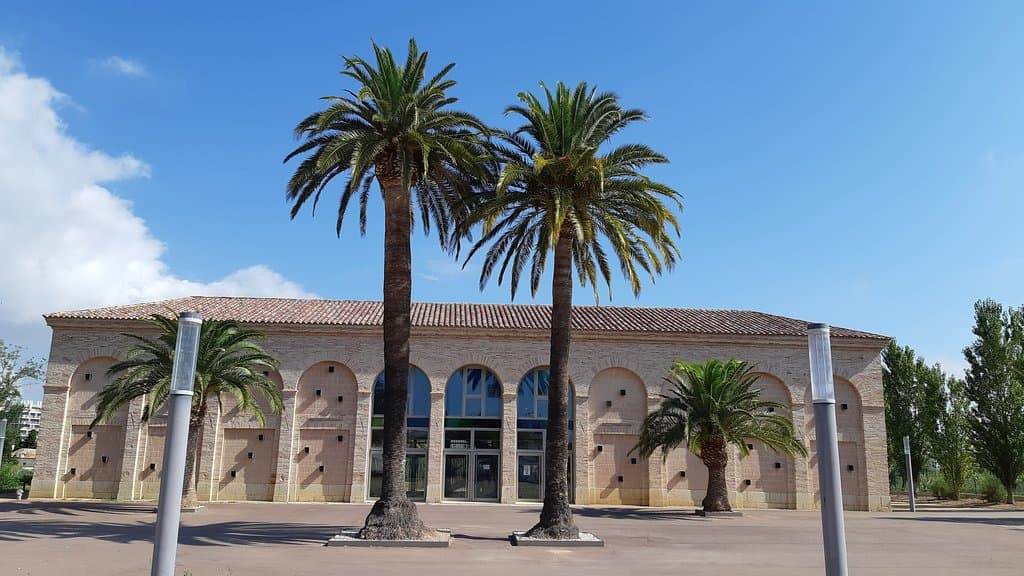
Museu de la Mar de l'Ebre
Discover the maritime soul of the Ebre Delta through fascinating shell collections, fishing history, and local life. An affordable gem!
Highlights
Must-see attractions

Social
From TikTok & Reddit
Best Time
Fewer crowds, more relaxed visit
Museu de la Mar de l'Ebre
Best Time
Fewer crowds, more relaxed visit
Highlights
Must-see attractions
Discover the maritime soul of the Ebre Delta through fascinating shell collections, fishing history, and local life. An affordable gem!
"A small museum, but very cute to see in a short time, about 30 minutes. We were there on vacation and we really liked it."
💰 Incredible Value
Entry is only 1 euro, making it a must-visit for budget travelers! 💶
🗣️ Multilingual Info
Look for signs and panels in Catalan, Spanish, and English for broader understanding. :speech_balloon:
Quick Facts
Hours
Rating
4.3 · 590 reviews
Type
Museum
Highlights
Discover the most iconic attractions and experiences
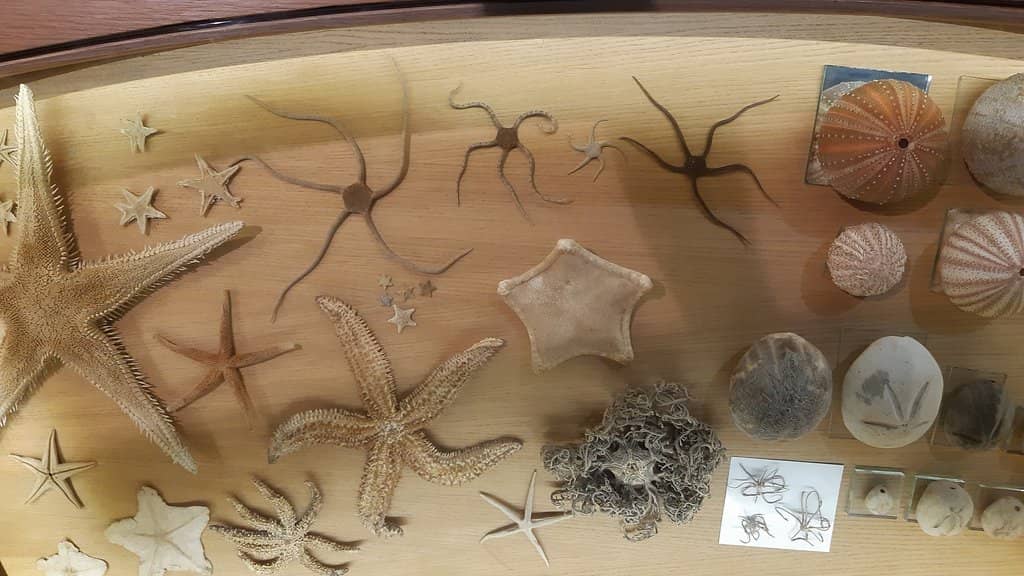
Extensive Shell Collection
Upper floor
A vast and beautiful display of shells, showcasing the diverse marine life of the region.
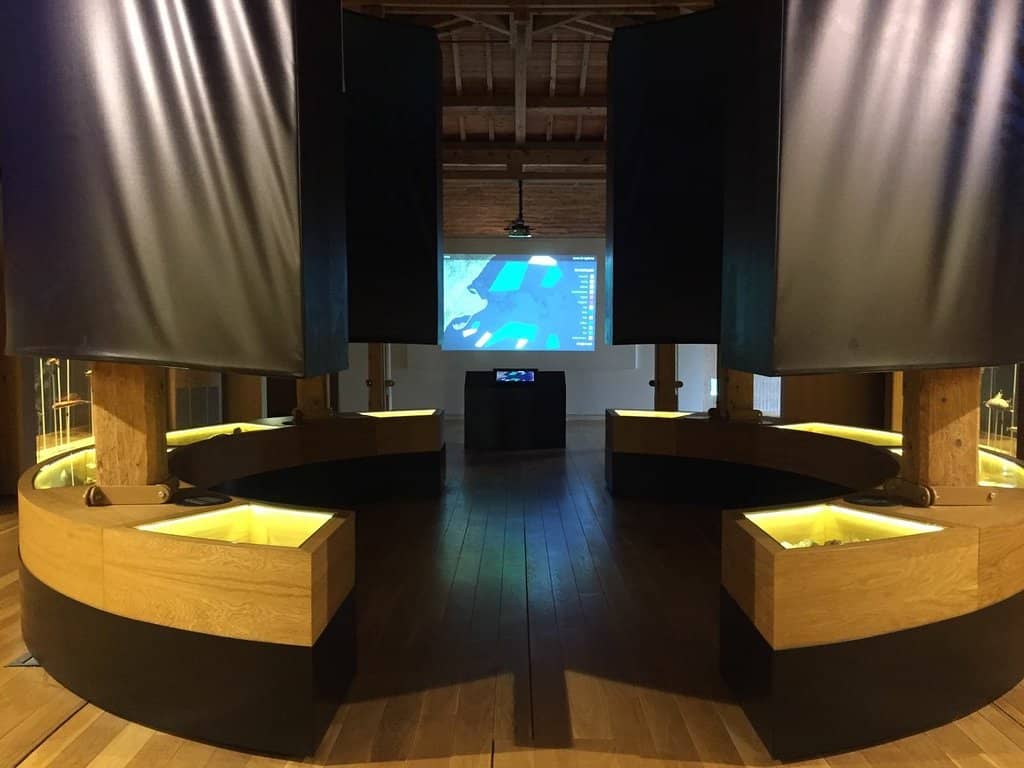
Fishing Trip Documentary
Screening room
An engaging film detailing the history and practice of local fishing trips.
Village Life Exhibition
Upper floor
Discover the traditional way of life in the Ebre region through informative displays.
Plans like a pro.
Thinks like you
Planning Your Visit
Affordable Maritime History
Language & Content
Best Times
Insider Tips
from TikTok, Instagram & Reddit
💰 Incredible Value
Entry is only 1 euro, making it a must-visit for budget travelers! 💶
🗣️ Multilingual Info
Look for signs and panels in Catalan, Spanish, and English for broader understanding. :speech_balloon:
⏳ Quick Visit
Plan for about 30 minutes to an hour to see the main exhibits. :stopwatch:
🖼️ Temporary Exhibitions
The ground floor often features interesting temporary art or thematic displays. 🎨
Tips
from all over the internet
💰 Incredible Value
Entry is only 1 euro, making it a must-visit for budget travelers! 💶
🗣️ Multilingual Info
Look for signs and panels in Catalan, Spanish, and English for broader understanding. :speech_balloon:
⏳ Quick Visit
Plan for about 30 minutes to an hour to see the main exhibits. :stopwatch:
🖼️ Temporary Exhibitions
The ground floor often features interesting temporary art or thematic displays. 🎨
What Travellers Say
Reviews Summary
Visitors find the Museu de la Mar de l'Ebre to be a charming and incredibly affordable museum, especially for its extensive shell collection and engaging fishing documentary. While some note limited content in specific areas and a primary language of Catalan, the friendly staff and low entry fee make it a worthwhile stop for a quick cultural immersion.
"Nice place ! Only 1 euro enter and many interesting files about history !"
KONSTANTIN ASHRAFIAN
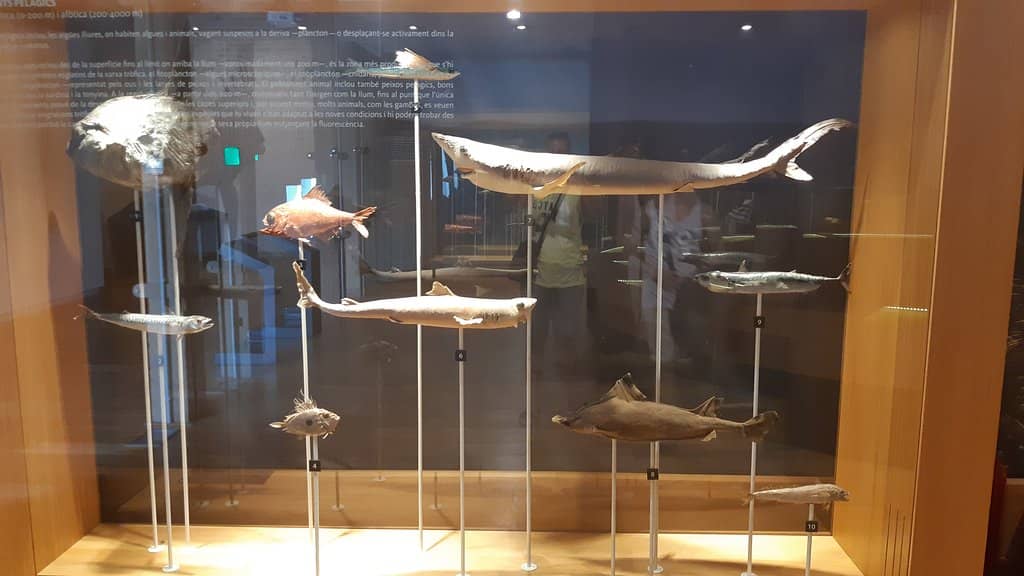
"A museum where the ground floor houses temporary exhibitions and the upper floor explains village life. It also has a room featuring local animals and a very nice shell collection.
The staff is friendly.
The downsides are that the room where the film was shown is very hot and the entire explanation is in Catalan. It would have been nice if it were also in Spanish and English so that everyone could understand what was being explained."
Ana María
"A museum with a very large and beautiful building but very little content.
Friendly staff gave us directions.
Downstairs, there are only temporary exhibitions unrelated to the sea.
The best part is the documentary about the fishing trip.
A large collection of shells.
Little material related to fishing or the salt flats. Not a single marine engine, even though the last Larran marine engines were built there.
They have enough history to fill the museum, but it's very empty. They could still fit a few more boats in the courtyard.
I saw in some reviews that people complained that it was only in Catalan. I saw almost all the signs, panels, and banners in Catalan, Spanish, and English. Catalan is perfectly understandable, at least for a Galician 😄😄. Maybe what's missing is the desire to understand it."
Jose
What People Like
What People Dislike
Frequently Asked Questions
🚇 🗺️ Getting There
The museum is located in Deltebre. You can reach Deltebre by car via the AP-7 motorway, exiting at Amposta. Public transport options include buses from nearby towns like Tortosa or Amposta. Check local bus schedules for the most up-to-date information.
Yes, there is typically parking available near the museum in Deltebre. It's advisable to check local signage upon arrival for designated parking areas.
Many visitors arrive by car, offering flexibility to explore the Ebre Delta. Alternatively, regional buses connect Deltebre to larger towns, making it accessible for those without a vehicle.
🎫 🎫 Tickets & Entry
The admission fee is very affordable, typically only 1 euro, making it an excellent value for visitors.
Generally, advance booking is not required for the Museu de la Mar de l'Ebre due to its low entry fee and manageable size. However, for group visits, it's always a good idea to contact the museum beforehand.
Opening hours can vary seasonally. It's recommended to check the official museum website or contact them directly for the most current information on opening days and times.
The museum is housed in a modern building, and efforts are usually made to ensure accessibility. Visitors with specific needs should contact the museum in advance to confirm facilities.
🎫 🧭 Onsite Experience
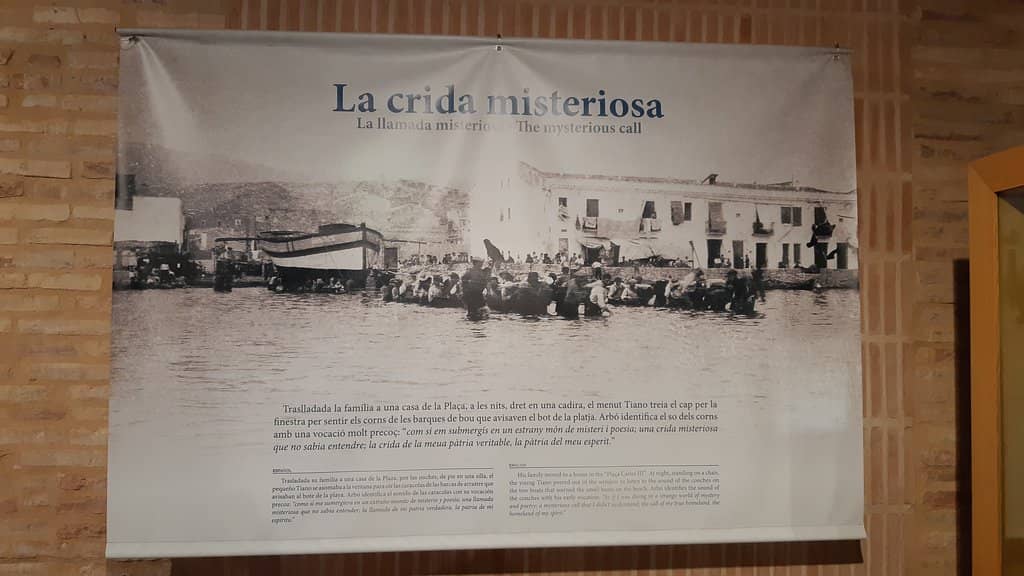
The museum features a large shell collection, exhibits on village life, a documentary about fishing trips, and temporary exhibitions on the ground floor. There's also a section dedicated to writer Sebastià Juan Arbó.
Yes, children can enjoy the shell collection and the documentary. The exhibits on village life can also be educational and engaging for younger visitors.
A typical visit takes around 30 minutes to an hour, depending on your interest in the exhibits and whether you watch the full documentary.
Information on guided tours is not widely available online. It's best to inquire directly with the museum if you are interested in a guided experience.
Many visitors highlight the impressive shell collection and the documentary about fishing trips as particularly noteworthy aspects of the museum.
🍽️ 🍽️ Food & Dining
The Museu de la Mar de l'Ebre does not typically have an on-site cafe or restaurant. However, there are dining options available in the town of Deltebre.
Deltebre offers various local restaurants and bars where you can enjoy regional cuisine. Ask museum staff or locals for recommendations.
📸 📸 Photography
Generally, photography for personal use is permitted inside the museum, but flash photography might be restricted to protect exhibits. It's always good to check for any specific signage.
The diverse shell collection offers unique photographic possibilities. The modern architecture of the building itself can also be visually appealing.

Social
from TikTok, Instagram & Reddit