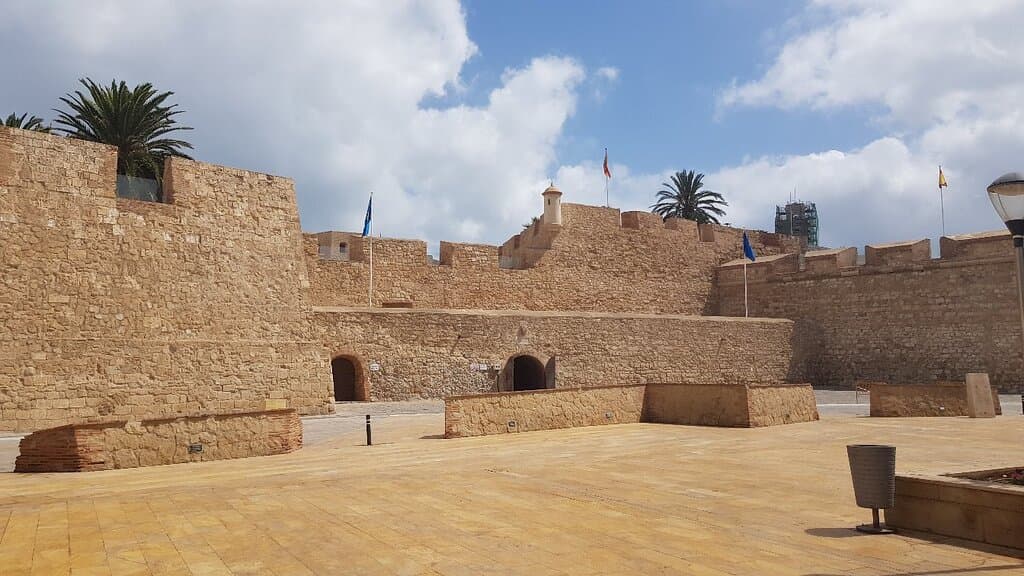
Plaza de las Culturas
A powerful symbol of Mexico's past, blending Aztec, colonial, and modern history, with a poignant memorial to the 1968 massacre.

Highlights
Must-see attractions

Social
From TikTok & Reddit
Best Time
Fewer crowds for reflection
Plaza de las Culturas
Best Time
Fewer crowds for reflection
Highlights
Must-see attractions
A powerful symbol of Mexico's past, blending Aztec, colonial, and modern history, with a poignant memorial to the 1968 massacre.

Wear Comfortable Shoes
You'll be doing a lot of walking on uneven surfaces. :athletic_shoe:
Allow Time for Reflection
This is a place of deep historical significance, especially the 1968 events. :thought_balloon:

Quick Facts
Highlights
Discover the most iconic attractions and experiences
The Three Cultures Monument
Center of the plaza
A striking symbol representing the fusion and conflict of pre-Hispanic, colonial, and modern Mexico.

Tlatelolco Ruins
Surrounding the plaza
Explore the remnants of an ancient Aztec marketplace, offering a glimpse into Mexico's indigenous past.
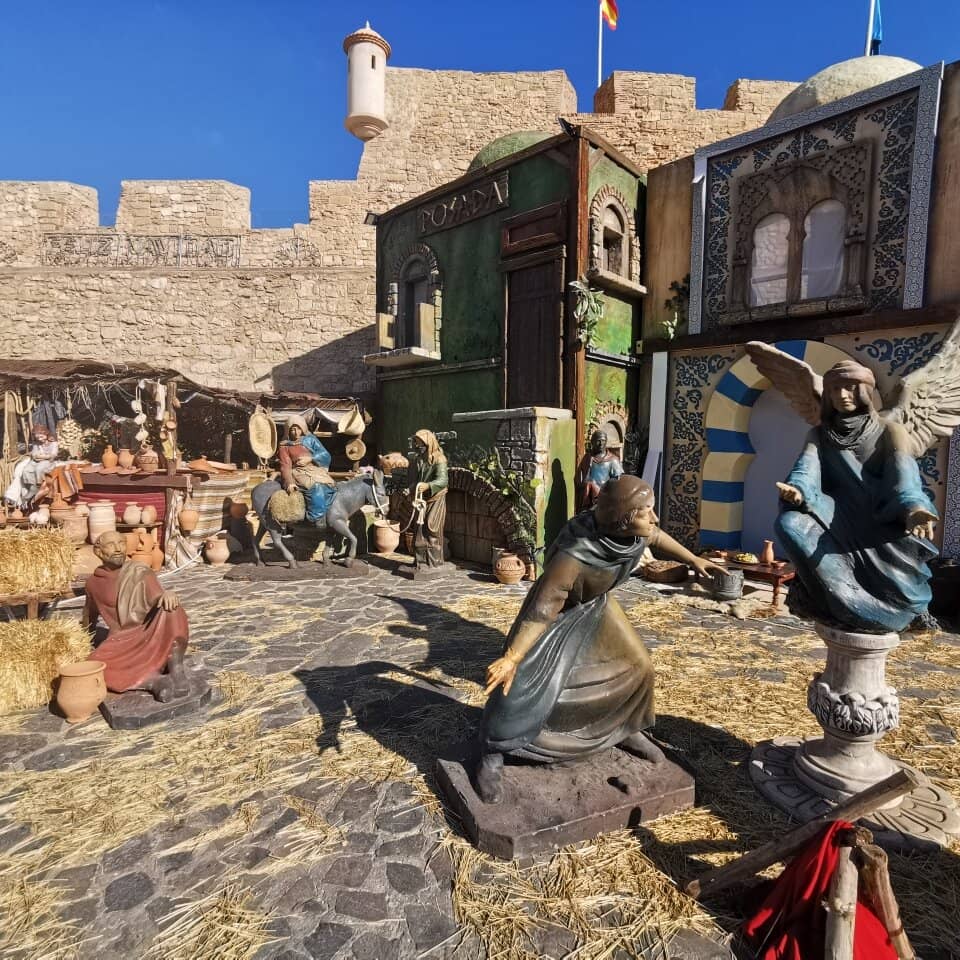
Memorial to the 1968 Massacre
Near the Three Cultures Monument
A poignant memorial site commemorating a pivotal and tragic event in Mexican history.
Plans like a pro.
Thinks like you
Planning Your Visit
Understand the Layers of History
Timing is Key for Reflection
Best Times
Insider Tips
from TikTok, Instagram & Reddit
Wear Comfortable Shoes
You'll be doing a lot of walking on uneven surfaces. :athletic_shoe:
Allow Time for Reflection
This is a place of deep historical significance, especially the 1968 events. :thought_balloon:
Visit the Tourist Information
Get insights and maps at the Casa del Apero. 💁
Capture the Aerial View
The plaza looks stunning from above. :camerawithflash:
Tips
from all over the internet
Wear Comfortable Shoes
You'll be doing a lot of walking on uneven surfaces. :athletic_shoe:
Allow Time for Reflection
This is a place of deep historical significance, especially the 1968 events. :thought_balloon:
Visit the Tourist Information
Get insights and maps at the Casa del Apero. 💁
Capture the Aerial View
The plaza looks stunning from above. :camerawithflash:
What Travellers Say
Reviews Summary
Visitors are deeply moved by the Plaza de las Culturas' historical significance, particularly its representation of Mexico's layered past and the poignant memorial to the 1968 massacre. Many appreciate the architectural blend and the opportunity for reflection. Some find the historical context heavy, and accessibility to certain ruins can be challenging.
What People Like
What People Dislike
Frequently Asked Questions
🚇 🗺️ Getting There
The Plaza de las Tres Culturas is easily accessible by public transport in Mexico City. You can take the Metro to the Tlatelolco station (Line 3 - Green Line), which is a short walk from the plaza. Taxis and ride-sharing services are also readily available.
While there might be some street parking in the surrounding areas, it can be challenging to find. It's generally recommended to use public transportation or ride-sharing services to avoid parking hassles.
Walking is the best way to experience the Plaza de las Tres Culturas and its historical context. Wear comfortable shoes as you'll be exploring ancient ruins and a significant memorial site.
🎫 🎫 Tickets & Entry
No, entry to the Plaza de las Tres Culturas itself is free. You can wander through the main square and admire the monument and surrounding architecture without any admission fee.
The plaza is generally open to the public daily from morning until early evening. However, specific access to certain ruins or buildings within the complex might have their own hours. It's best to check locally if you plan to enter specific structures.
While official guided tours might not always be readily available, you can often find local guides offering their services in the vicinity. Alternatively, many visitors find it enriching to research the history beforehand or use audio guides if available.
📸 📸 Photography
The central monument offers iconic shots, especially with the surrounding historical buildings. For a unique perspective, try to capture the plaza from an elevated viewpoint to showcase the 'three cultures' concept. The Tlatelolco ruins also provide interesting photographic opportunities.
Photography is generally allowed at the memorial, but it's important to be respectful of the solemn nature of the site. Be mindful of others who are there to reflect and pay their respects.
Early mornings or late afternoons offer softer light, which can be ideal for photography. The golden hour before sunset can cast a beautiful glow on the monument and ruins.
🎫 🏛️ History & Significance
This plaza is a powerful symbol of Mexico's layered history, representing the convergence of pre-Hispanic (Aztec), colonial (Spanish), and modern eras. It's also a site of profound historical memory, particularly for the 1968 student massacre. 
On October 2, 1968, a peaceful student protest in the Plaza de las Tres Culturas was violently suppressed by government forces, resulting in a massacre. This event is a critical and tragic moment in modern Mexican history.
The 'three cultures' refer to the indigenous Aztec civilization (represented by the Tlatelolco ruins), the Spanish colonial era (represented by the Santiago Tlatelolco church and convent), and modern Mexico (represented by the surrounding contemporary buildings).


Social
from TikTok, Instagram & Reddit