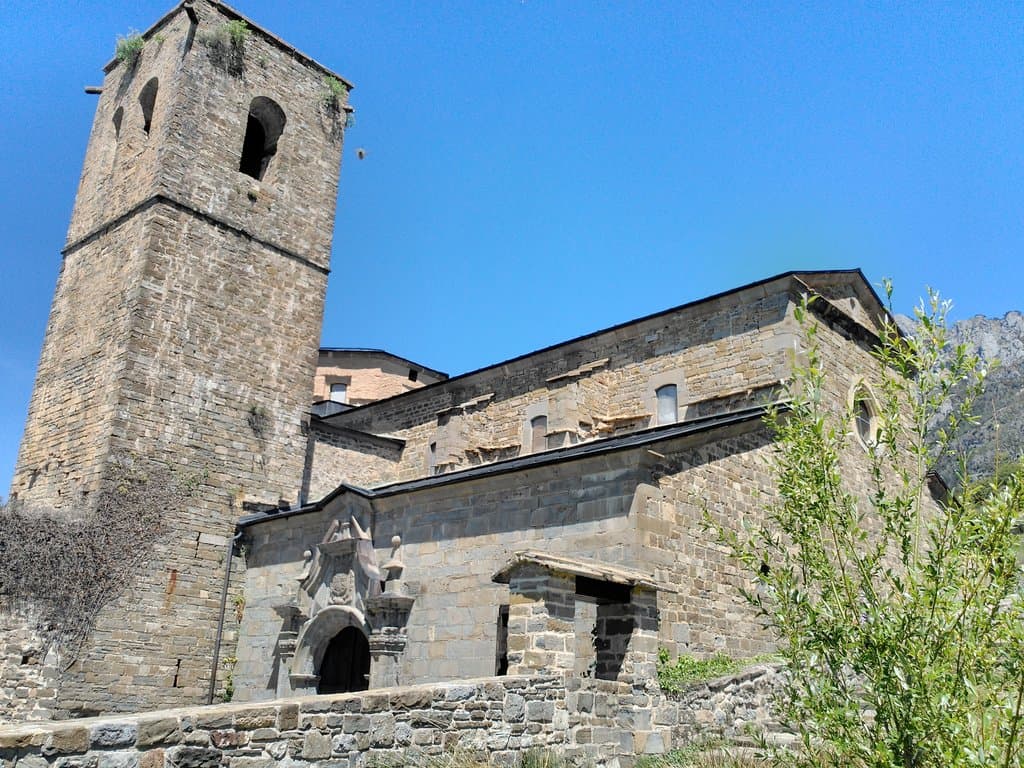
Monasterio de San Victorián
A 5th-century monastery nestled in the Pyrenees, offering a journey through Aragonese history and stunning mountain vistas.
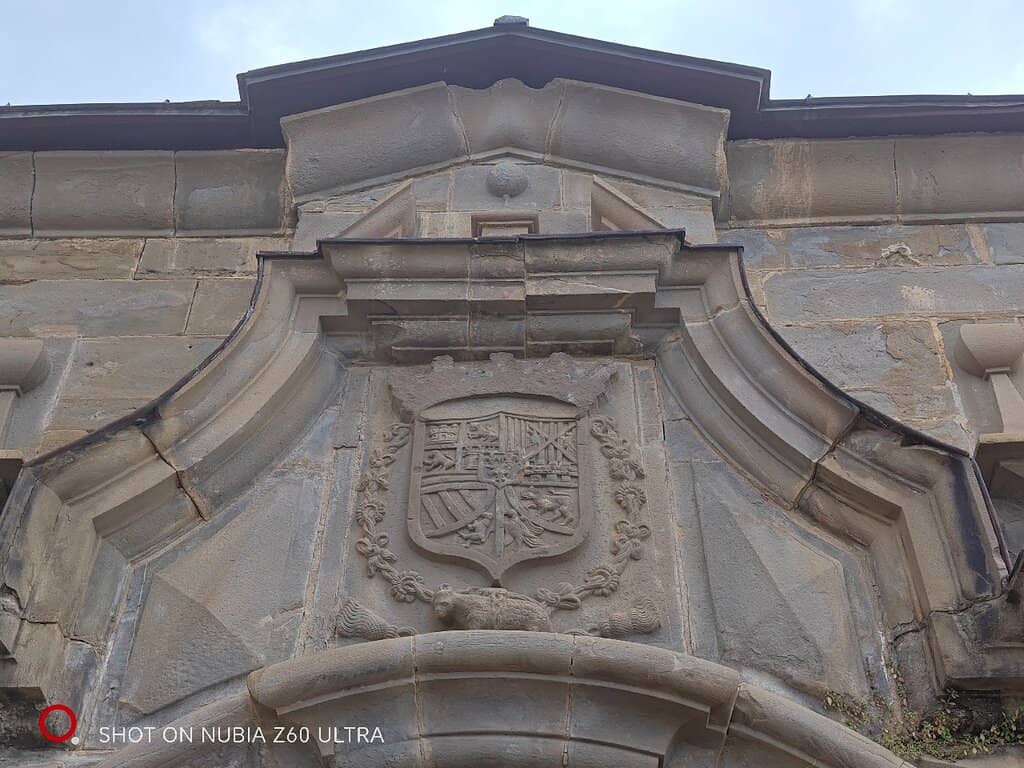
Highlights
Must-see attractions

Social
From TikTok & Reddit
Best Time
Extended hours & events
Monasterio de San Victorián
Best Time
Extended hours & events
Highlights
Must-see attractions
A 5th-century monastery nestled in the Pyrenees, offering a journey through Aragonese history and stunning mountain vistas.
"A monument steeped in history, located in a heavenly setting, halfway up the slopes of Peña Montañesa."
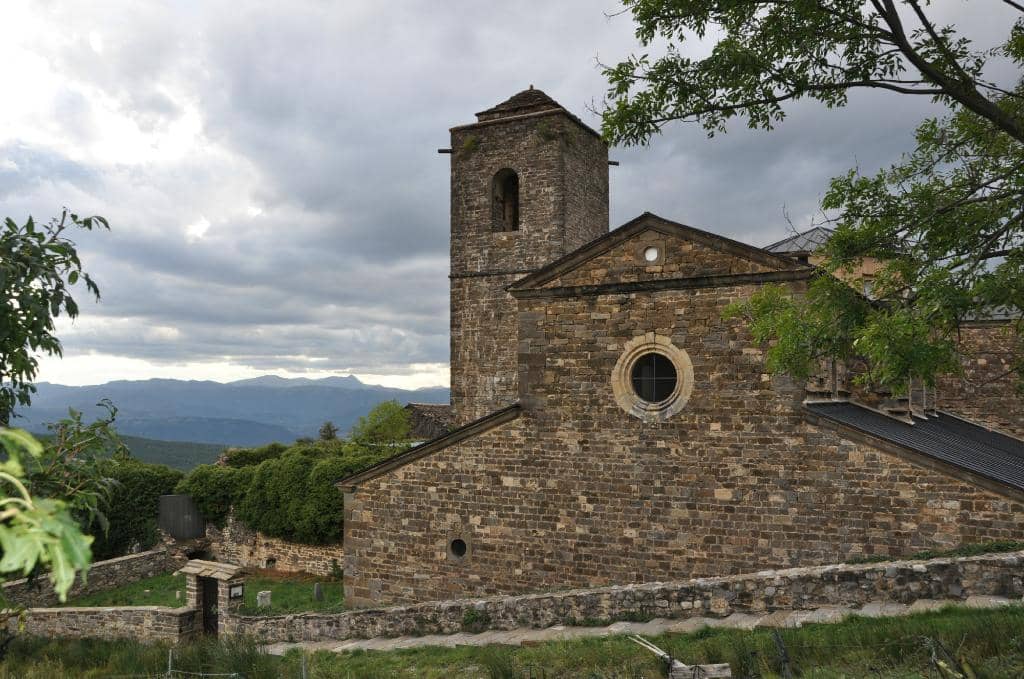
🎯 Check Tour Times
Access is often via guided tours; verify schedules beforehand to avoid disappointment.
🚗 Winding Road Ahead
The drive is scenic but narrow. Take your time and enjoy the journey.
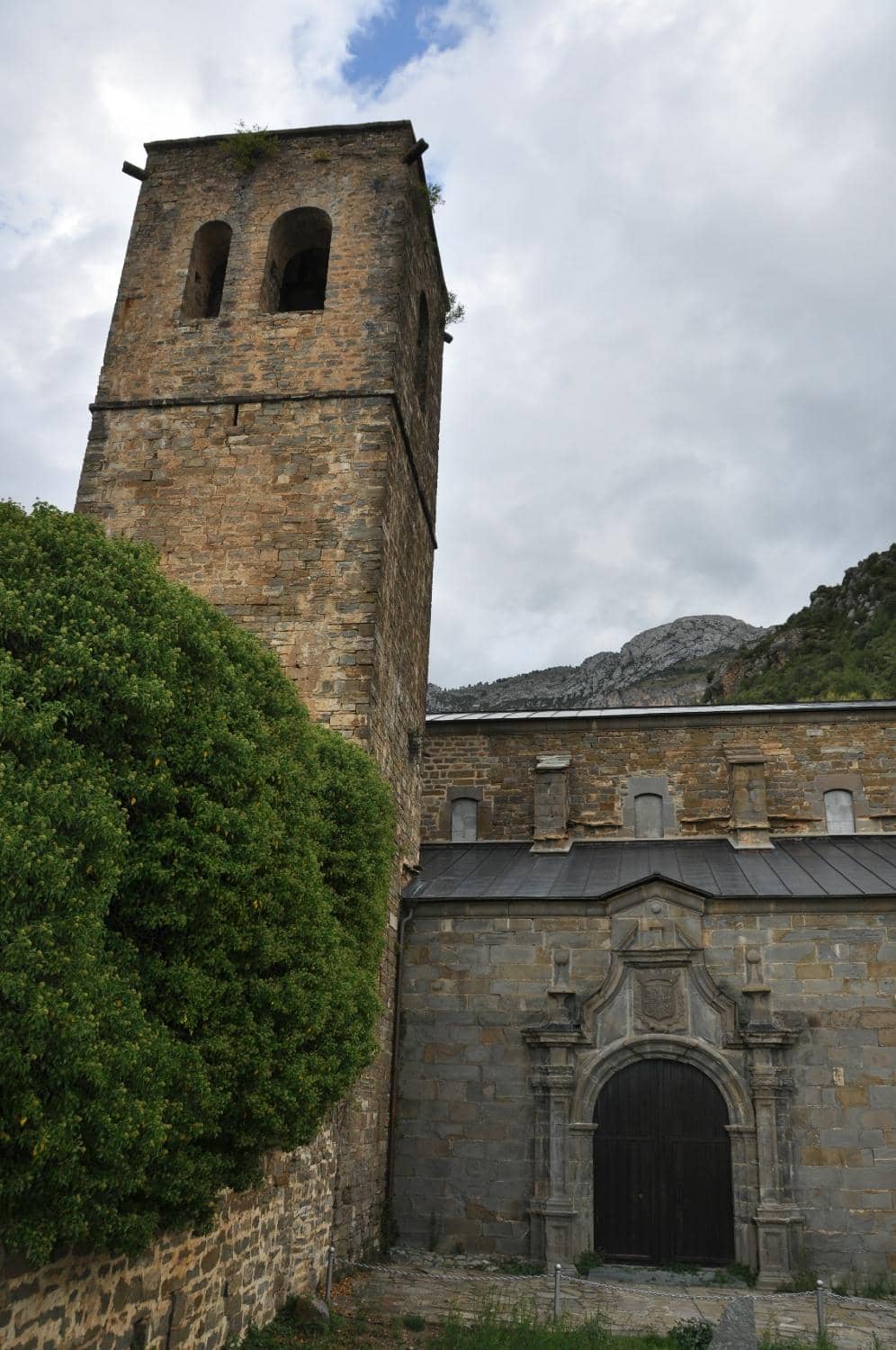
Quick Facts
Hours
Rating
4.2 · 445 reviews
Type
Museum
Address
Website
monasteriodesanvictorian.comHighlights
Discover the most iconic attractions and experiences
The Cloister
Adjacent rooms
A beautiful example of Pyrenean architecture, offering a glimpse into monastic life.

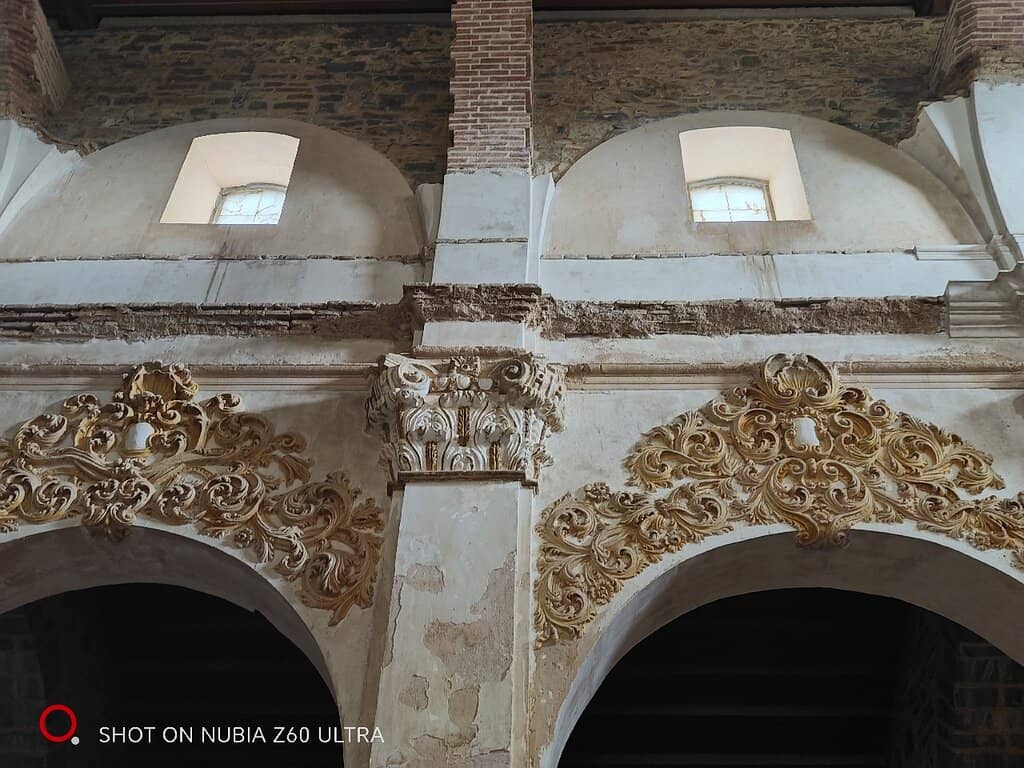
The Church and Crypt
Main monastic complex
Explore the ancient church and its crypt, steeped in centuries of history and spiritual significance.
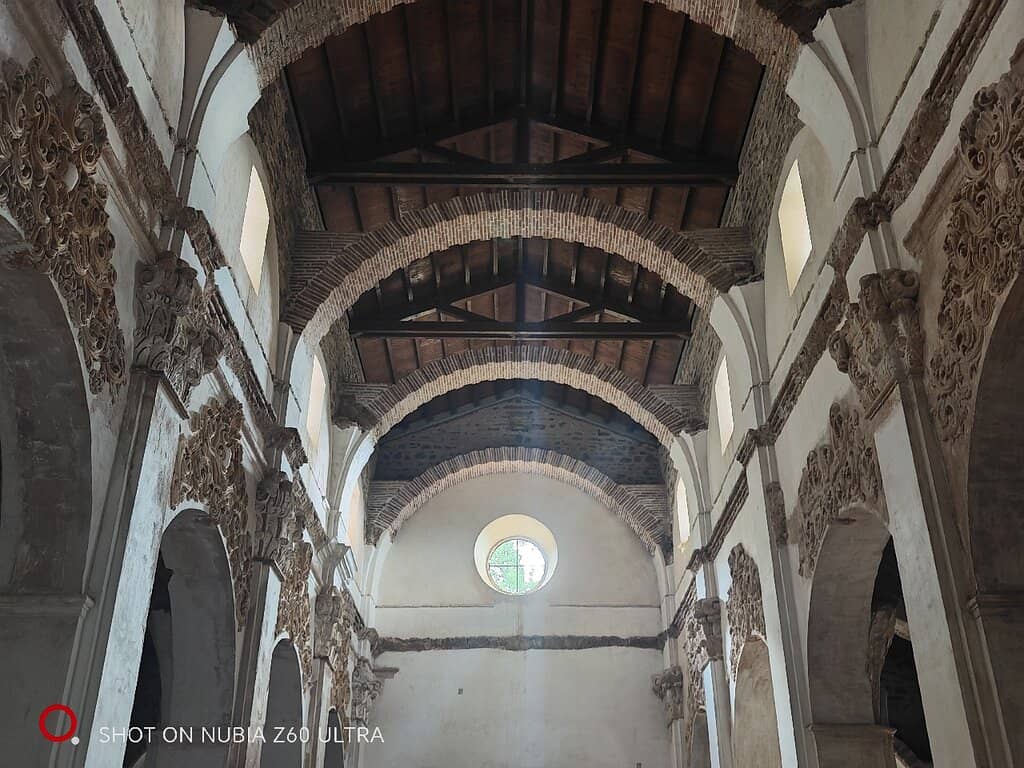
Panoramic Views
Foot of Peña Montañesa
Breathtaking vistas of the Sobrarbe region and La Fueva valley await from this elevated perch.
Plans like a pro.
Thinks like you
Planning Your Visit
Timing is Everything
+1The Journey Up
Best Times
Insider Tips
from TikTok, Instagram & Reddit
🎯 Check Tour Times
Access is often via guided tours; verify schedules beforehand to avoid disappointment. +1
🚗 Winding Road Ahead
The drive is scenic but narrow. Take your time and enjoy the journey.
🏛️ Restoration in Progress
See ongoing restoration efforts; new areas become accessible with each visit.
🎶 Cultural Events
Look out for concerts and festivals held here, especially in summer.
Tips
from all over the internet
🎯 Check Tour Times
Access is often via guided tours; verify schedules beforehand to avoid disappointment. +1
🚗 Winding Road Ahead
The drive is scenic but narrow. Take your time and enjoy the journey.
🏛️ Restoration in Progress
See ongoing restoration efforts; new areas become accessible with each visit.
🎶 Cultural Events
Look out for concerts and festivals held here, especially in summer.
What Travellers Say
Reviews Summary
Visitors praise the Monasterio de San Victorián for its profound historical significance and its breathtaking natural setting. The ongoing restoration efforts are appreciated, making each visit potentially reveal new insights. However, access is primarily through guided tours with specific schedules, and the winding road requires careful navigation.
"Closed. Good location and cycle route up to it."
Maureen & Frank
"Very nice."
Hans Noordermeer
"Its origins date back to the 5th century (note: 5 with a V), when the hermitage of San Martín de Asán was ruled by the holy Abbot Victorián, during the reign of the Visigoth Gesalaico (485-511).
Antonio García Omedes writes on his website about Aragonese Romanesque:
“San Victorián, at the head of the Sobrarbe, at the foot of the Sierra Ferrera, overlooking the region of L'Ainsa and the La Fueva valley, was to Sobrarbe what San Juan de la Peña was to Jacetania. With the Cluniac reform of Sancho Ramírez in 1071, it, like the Pinatense monastery, came under the direct protection of the Holy See. Its decline began in 1571, when its revenues were applied, by order of Pope Pius V, to the endowment of the new diocese of Barbastro. The confiscation of church property by Mendizabal in 1835 was its final blow.”
After many years of being half-abandoned by public authorities, the Government of Aragon has been restoring it in several phases over recent years, and today the church and adjacent rooms, the crypt, and the cloister are open to visitors. There is even a schedule of guided tours and cultural activities in the summer.
A visit is highly recommended, not only for the monastery itself, but also for its magnificent setting at the foot of the Sierra Ferrera.
[Reissued July 6, 2025] It is a joy to see new areas restored and accessible, open to the public, with each visit. What a joy to enter the cloister and climb the tower."
Javier Campos
What People Like
What People Dislike
Frequently Asked Questions
🚇 🗺️ Getting There
The monastery is located near El Pueyo de Araguás in the Sobrarbe region. Access is via a narrow, winding, but well-signposted road. It's recommended to check local tourism websites for the most current directions.
Yes, parking is generally available near the monastery. Given the winding access road, it's advisable to arrive during operating hours when staff can guide you.
The route up to the monastery is noted as a good cycle route, offering scenic views. Be prepared for an uphill climb.
From Ainsa, you'll typically head towards El Pueyo de Araguás and then follow signs for the monastery. The journey offers beautiful Pyrenean landscapes.
Public transport options are limited. It's best to travel by car or consider organized tours if available, especially during peak season.
🎫 🎫 Tickets & Entry
Entry is often restricted to guided tours. It's essential to check the official website or local tourism offices for current opening hours and tour schedules, as these can vary seasonally. +1
Opening hours vary significantly by season and are often tied to guided tour times. Summer months typically have more extended hours and more frequent tours. Always verify before your visit. +1
Yes, guided tours are the primary way to access the interior of the monastery. These tours provide historical context and insights into the restoration efforts.
Information on ticket prices for guided tours should be sought from official sources. Prices can vary, and some cultural events may have separate admission fees.
Generally, access to the interior is limited to guided tours. The exterior and surrounding grounds may be accessible, but it's best to confirm on-site or via official channels.
🎫 🧭 Onsite Experience
Visitors can explore the restored church, crypt, and cloister. The ongoing restoration means new areas are frequently opened to the public.
While children can appreciate the history and the scenic location, the focus on guided tours and historical details might be more engaging for older children and adults.
It's one of the oldest monasteries in Spain, with origins dating back to the 5th century. It played a significant role in the history of Aragon and Sobrarbe.
Yes, the monastery hosts various cultural events, including concerts and festivals, particularly during the summer months.
Take time to walk around the monastery grounds and find vantage points that offer panoramic views of the surrounding valleys and mountains.
📸 📸 Photography
The cloister offers beautiful architectural shots. The surrounding landscape provides stunning panoramic views, especially during golden hour.
Photography is generally permitted, but it's always wise to check for any specific restrictions inside certain areas or during guided tours.
Early morning or late afternoon (golden hour) offers the best light for both the architecture and the landscape views, minimizing harsh shadows.
Drone usage is typically regulated in historical and natural sites. It's crucial to check local regulations and obtain any necessary permits before flying a drone.
A wide-angle lens is useful for capturing the architecture and expansive views. A telephoto lens can be good for distant landscape details.



Social
from TikTok, Instagram & Reddit