
Monastery of San Vicente Oviedo
Explore Oviedo's ancient past at the Monastery of San Vicente, home to the free Archaeological Museum of Asturias. Discover history from Neanderthals ...

Highlights
Must-see attractions

Social
From TikTok & Reddit
Best Time
Fewer crowds, more peaceful exploration
Monastery of San Vicente Oviedo
Best Time
Fewer crowds, more peaceful exploration
Highlights
Must-see attractions
Explore Oviedo's ancient past at the Monastery of San Vicente, home to the free Archaeological Museum of Asturias. Discover history from Neanderthals to medieval times.
"A fascinating and informative destination for those interested in the history of Asturias."
Free Admission! 🤩
Entry to the Archaeological Museum of Asturias within the monastery is completely free.
Ask for English Guide :book:
Captions are in Spanish, but ask at reception for an English version of the museum's information.
Highlights
Discover the most iconic attractions and experiences
Archaeological Museum of Asturias
Inside the Monastery of San Vicente
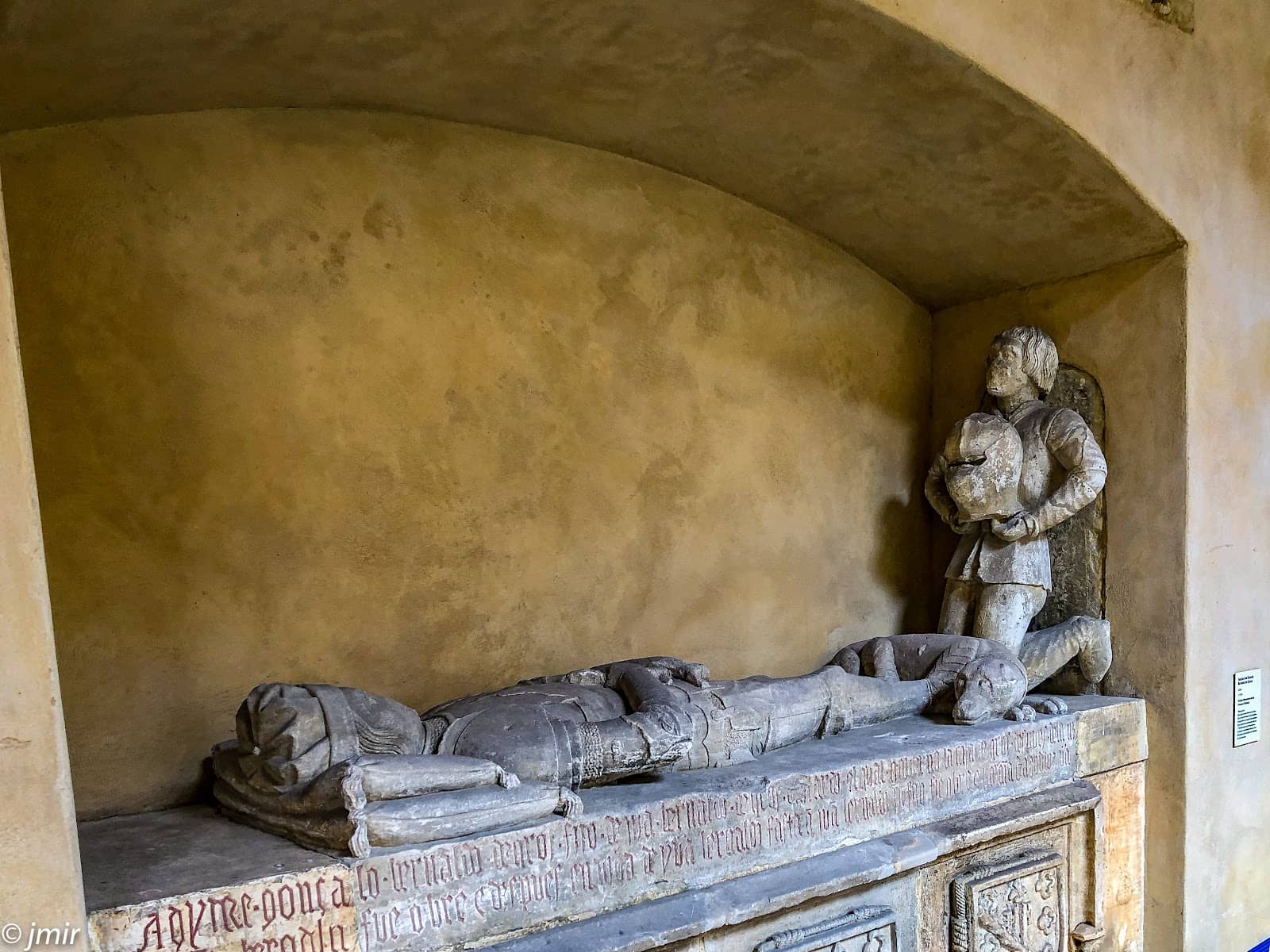
Journey through Asturias' history, from Neanderthals to Roman burials. Bilingual signs available. Free entry!
Gothic Cloisters
Monastery of San Vicente
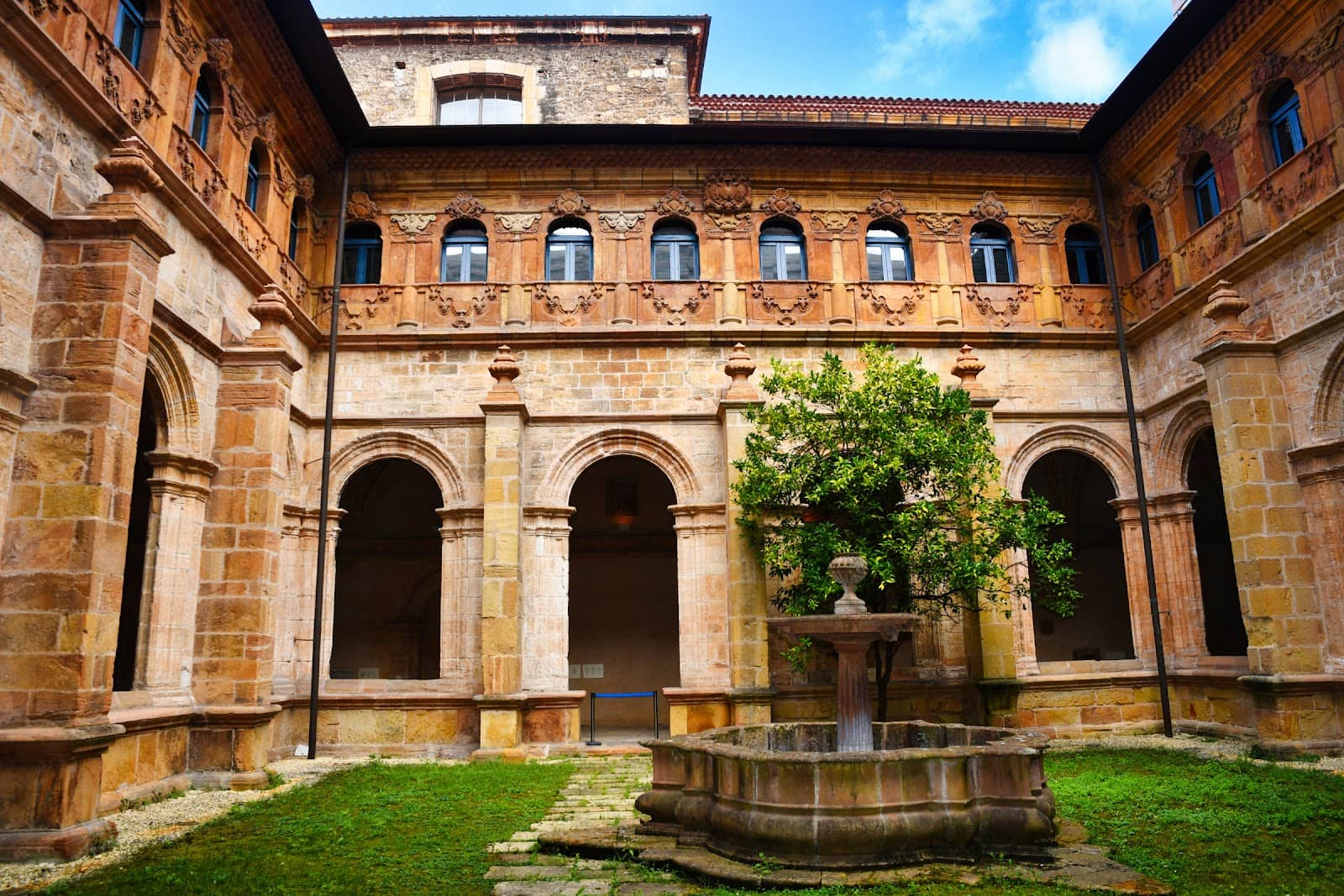
Experience the exquisite symmetry and angles of the Gothic cloisters, a photographer's paradise.

Monastic Buildings
Monastery of San Vicente
Explore the ancient monastic structures that now house fascinating historical exhibits.
Plans like a pro.
Thinks like you
Planning Your Visit
Uncover Oviedo's Ancient Roots
Architectural Marvels & History

Best Times
Insider Tips
from TikTok, Instagram & Reddit
Free Admission! 🤩
Entry to the Archaeological Museum of Asturias within the monastery is completely free.
Ask for English Guide :book:
Captions are in Spanish, but ask at reception for an English version of the museum's information.
Photographer's Dream 📷
The Gothic cloisters offer stunning symmetry and angles, perfect for capturing unique shots.
Kid-Friendly Exploration :child:
The museum is accessible and child-friendly, making it a great stop for families.
Tips
from all over the internet
Free Admission! 🤩
Entry to the Archaeological Museum of Asturias within the monastery is completely free.
Ask for English Guide :book:
Captions are in Spanish, but ask at reception for an English version of the museum's information.
Photographer's Dream 📷
The Gothic cloisters offer stunning symmetry and angles, perfect for capturing unique shots.
Kid-Friendly Exploration :child:
The museum is accessible and child-friendly, making it a great stop for families.
What Travellers Say
Reviews Summary
Visitors praise the Monastery of San Vicente for its rich history and stunning Gothic architecture, particularly its cloisters. The free admission to the Archaeological Museum of Asturias, which is housed within, is a significant draw, offering a comprehensive look at the region's past. While the primary exhibit information is in Spanish, English guides are available, enhancing the experience for international visitors.
"This monastery, the home of Oviedo Archaeological Museum, has amazing architecture and history.
The Archaeological Museum of Asturias is located in the 16th century Benedictine monastery of Saint Vicente in Oviedo, Asturias. The museum's exhibition is well-organized, and its bilingual signs describe the detailed history of the region of Asturias, from the Roman period to the Asturian dynasty that founded Oviedo.
The museum takes an Asturian lens to prehistoric, Roman, and medieval history, and visitors can learn about Neanderthals, prehistoric mining, and Roman burials.
The captions are in Spanish, but visitors can ask for an English version from the reception desk.
The museum is accessible and child-friendly.
Visitors can also explore som of the old monastic buildings that now house the museum.
The museum is free to enter.
San Vicente Monastery, part of the Oviedo Archaeological Museum, is a fascinating and informative destination for those interested in the history of Asturias."
Lloyd De Jongh
"The monastery of San Vicente was founded on November 25, 781, the date of its founding document, which describes the arrival and settlement of Máximo and Fromestano twenty years earlier, in 761, in a place called Oueto to found the basilica of San Vicente, a deacon and martyr of Valencian origin. Shortly after, these two figures and their followers would build the monastery of San Vicente, an ecclesiastical formation that would soon after embrace the rule of San Benito and which initially had twenty-six inhabitants and was the original nucleus of the future Oviedo."
Carlos Gago Dorna
"Monastery of San Vicente d'Uviéu (781), on San Vicente street (Uviéu, Asturies). Monastery founded on November 25, 781 on the hill of Ouetum by 26 monks - shortly after assigned to the rule of Saint Benedict -, having as founding patrons members of the reigning Asturian-Visigothic dynasty; place where in 761 the abbot Frómista and his nephew the monk Máximus arrived to found the basilica dedicated to Saint Vincent - a deacon from Huesca martyred in Valencia in 304 by order of the Roman praefect Publius Dacian, governor of Lusitania (286-293) and Hispania Citerior (305), under the emperor Diocletian (284-305) -, an important crossroads where soon Fruela I (722-768), king of Asturies (757-768) built a basilica to the Savior and built a royal palace, although the court remained in his native Cangues d'Onís. In the ss. XII-XIII, connected to the church-cathedral of San Salvador and subject to the bishop of Uviéu, it was rebuilt in Romanesque fashion, thanks to large donations from the high nobility. Centuries, artistic reforms and expansions followed, reaching the wall of Paraíso Street in the 19th century. XVII - L-shaped floor space that is today occupied by the Faculty of Psychology. In 1836 he was exclaustrated by the government of the exalted and anticlerical liberal from Cádiz Juan de Dios Álvarez Méndez - a surname that he changed in Mendizábal to pass as Basque (he said he was born in Bilbao, although he was born in Chiclana de la Frontera) and hide his Judaizing origin -, the ultimate representation of the greed of the bourgeoisie - which once again deceived the people - since it was the monastery richest in Asturies. Today, apart from the parish Church of Santa María de la Corte, the Archaeological Museum of Asturies and the Faculty of Psychology of the University of Oviedo occupy their state-owned spaces."
Ladelamanofurada
What People Like
What People Dislike
Frequently Asked Questions
🚇 🗺️ Getting There
The Monastery of San Vicente is located in Oviedo, Asturias. It's easily accessible within the city center. You can reach it by walking from most central points in Oviedo or by taking local buses.
Parking in Oviedo city center can be challenging. It's recommended to use public transport or a taxi. If driving, look for public parking garages in the vicinity.
Yes, the Monastery of San Vicente is located near the Primitive Way of Saint James (Camino Primitivo) in Oviedo.
🎫 🎫 Tickets & Entry
You do not need tickets to enter the Monastery of San Vicente itself, as it houses the Archaeological Museum of Asturias, which offers free admission.
The Monastery of San Vicente houses the Archaeological Museum of Asturias. Opening hours can vary, so it's best to check the official museum website for the most up-to-date information before your visit.
No, the Archaeological Museum of Asturias, located within the Monastery of San Vicente, has free admission for all visitors.
Yes, visitors can explore some of the old monastic buildings that now house the museum's exhibits.
🎫 🏛️ Onsite Experience
Inside, you'll find the Archaeological Museum of Asturias, showcasing the region's history from prehistoric times to the medieval period, including Neanderthal artifacts and Roman burials. You can also explore parts of the ancient monastic architecture.
Yes, the museum is described as accessible and child-friendly, making it a suitable destination for families.
While official guided tours might not always be advertised, the museum provides bilingual (Spanish/English) information to enhance your visit. You can request an English guide at the reception.
The monastery features significant Gothic architectural elements, particularly in its cloisters, known for their symmetry and play of angles.
The museum covers a broad spectrum of Asturian history, including prehistoric eras (Neanderthals), Roman occupation, and the medieval Asturian dynasty.
📸 📸 Photography
Photography is generally allowed inside the museum, but it's always a good idea to check for any specific restrictions on flash photography or certain exhibits. The cloisters are particularly photogenic.
The Gothic cloisters are a highlight for photographers due to their symmetrical design and interesting angles. The exterior architecture also offers great photo opportunities.
For Different Travelers
Tailored advice for your travel style
👨👩👧 Families with Kids
Exploring the ancient monastic buildings alongside the museum exhibits offers a unique, hands-on history lesson. It's a chance for kids to see and feel history, making it more engaging than just reading about it. The Gothic cloisters also provide a visually interesting space for them to explore, with their unique patterns and open areas.
Budget Travelers
Combine your visit with a stroll through Oviedo's charming streets. The monastery's central location means you can easily walk there from many parts of the city, saving on transportation costs. It's a rich cultural experience that costs nothing but your time.
Architecture & History Buffs
+1 The Gothic cloisters are a particular highlight, showcasing impressive symmetry and architectural design that are a feast for the eyes. Delve into the Archaeological Museum of Asturias housed within the monastery to understand the region's evolution from prehistoric times through the Roman and medieval periods. The bilingual information (request English at reception) ensures a thorough understanding of the exhibits, making it an intellectually rewarding visit.
Deep Dives
In-depth insights and expert knowledge
A Glimpse into Asturias' Past
What makes the museum particularly accessible is its commitment to bilingualism. While the primary captions are in Spanish, visitors can request an English version from the reception desk, ensuring that the rich history is understandable to a wider audience. This thoughtful provision enhances the learning experience for international travelers.
Beyond the artifacts, the museum allows visitors to explore some of the old monastic buildings themselves. This integration of historical architecture with the displayed artifacts creates an immersive experience, allowing you to step back in time and imagine life within these ancient walls. The monastery's founding in 781 AD by monks Máximo and Fromestano adds a deep layer of historical significance to the site.
+1Architectural Splendor and Historical Significance
+1The Gothic cloisters within the monastery are particularly celebrated for their exquisite design. Photographers and architecture enthusiasts are drawn to the masterful play of symmetry and angles, which create enveloping and visually stunning spaces. These cloisters are not just beautiful; they represent a significant period of architectural innovation and artistic expression in Asturias.
Over the centuries, the monastery underwent numerous artistic reforms and expansions, reflecting changing architectural styles and the growing importance of the site. Although parts of the complex were later occupied by institutions like the Faculty of Psychology, the core historical and architectural elements of the Monastery of San Vicente remain, offering a tangible connection to Oviedo's deep past.
Social
from TikTok, Instagram & Reddit