San Isidoro el Real
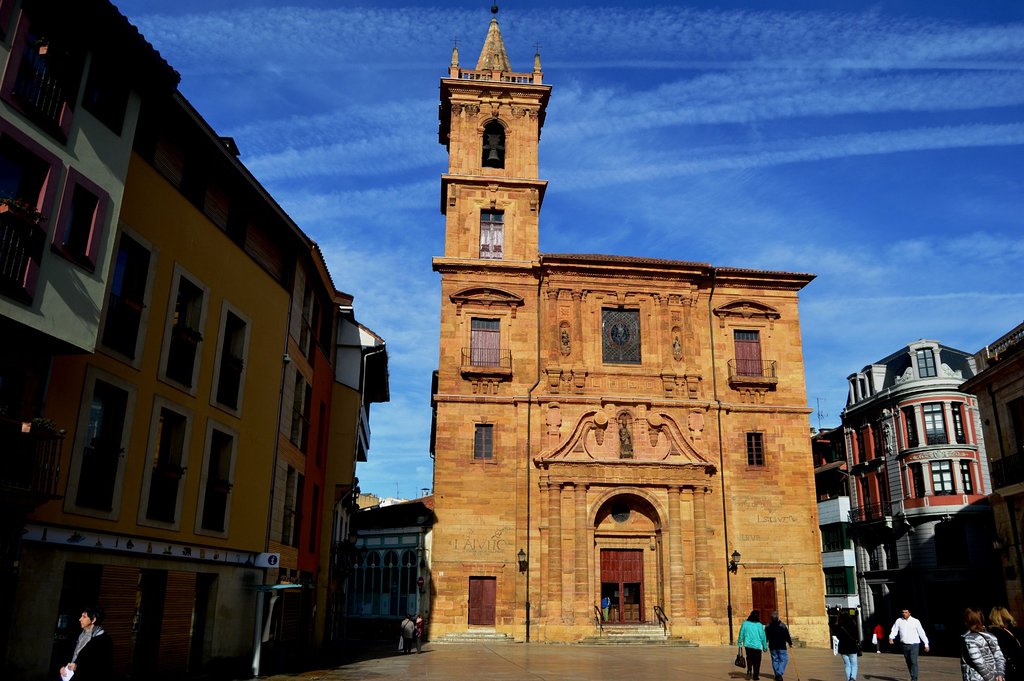
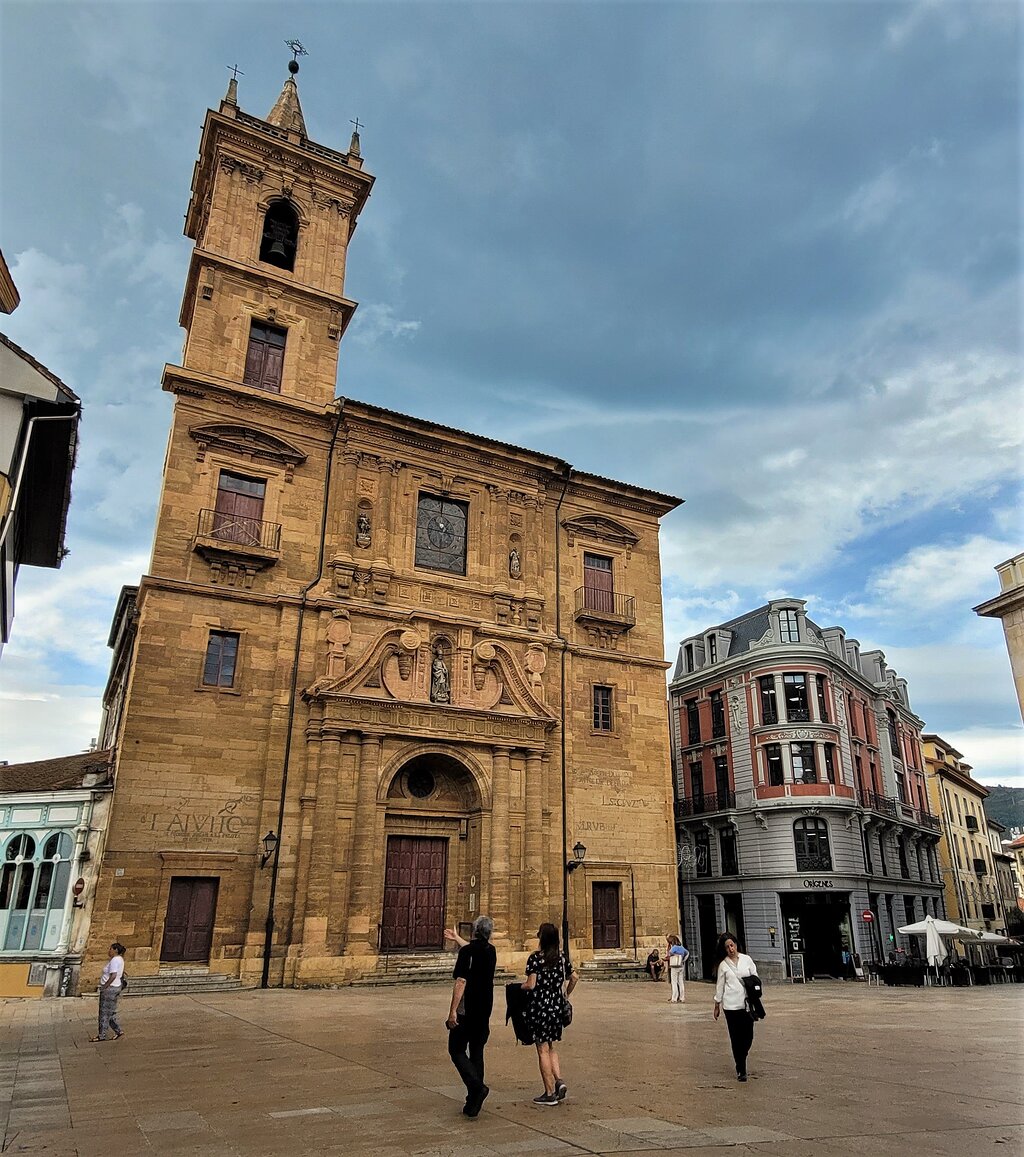
A stunning 17th-century Baroque church, San Isidoro el Real captivates with its grand stone façade and magnificent wooden altars. Free to enter, it's ...
Highlights
Must-see attractions

Social
From TikTok & Reddit
Best Time
Fewer crowds, peaceful atmosphere
San Isidoro el Real
Best Time
Fewer crowds, peaceful atmosphere
Highlights
Must-see attractions
A stunning 17th-century Baroque church, San Isidoro el Real captivates with its grand stone façade and magnificent wooden altars. Free to enter, it's an architectural gem.
"Absolutely gorgeous! A Baroque gem with magnificent wooden altars, and best of all, it's free to enter."
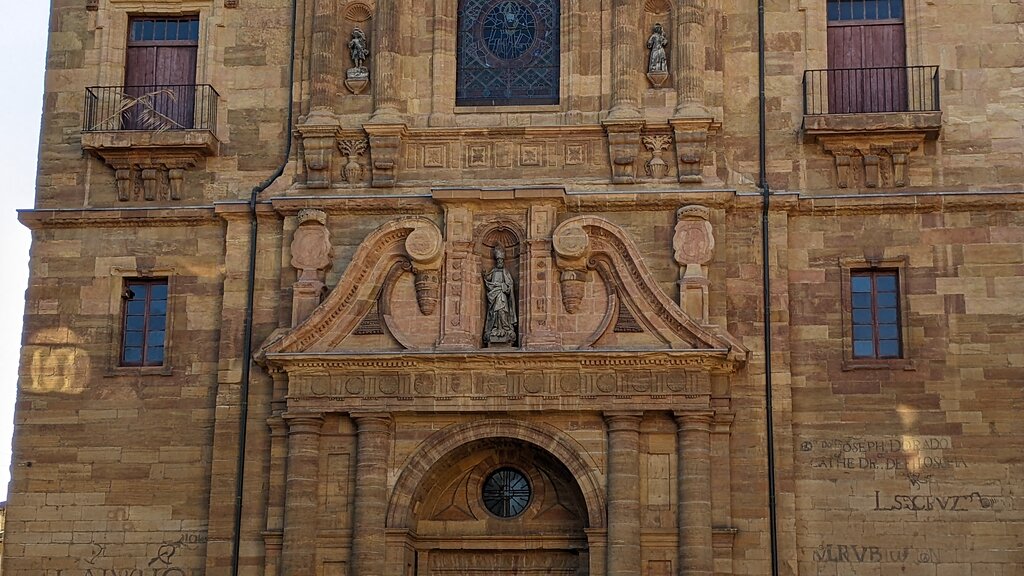
📸 Capture the Façade
Take time to photograph the impressive stone façade, especially during golden hour for stunning light.
✨ Admire the Altars
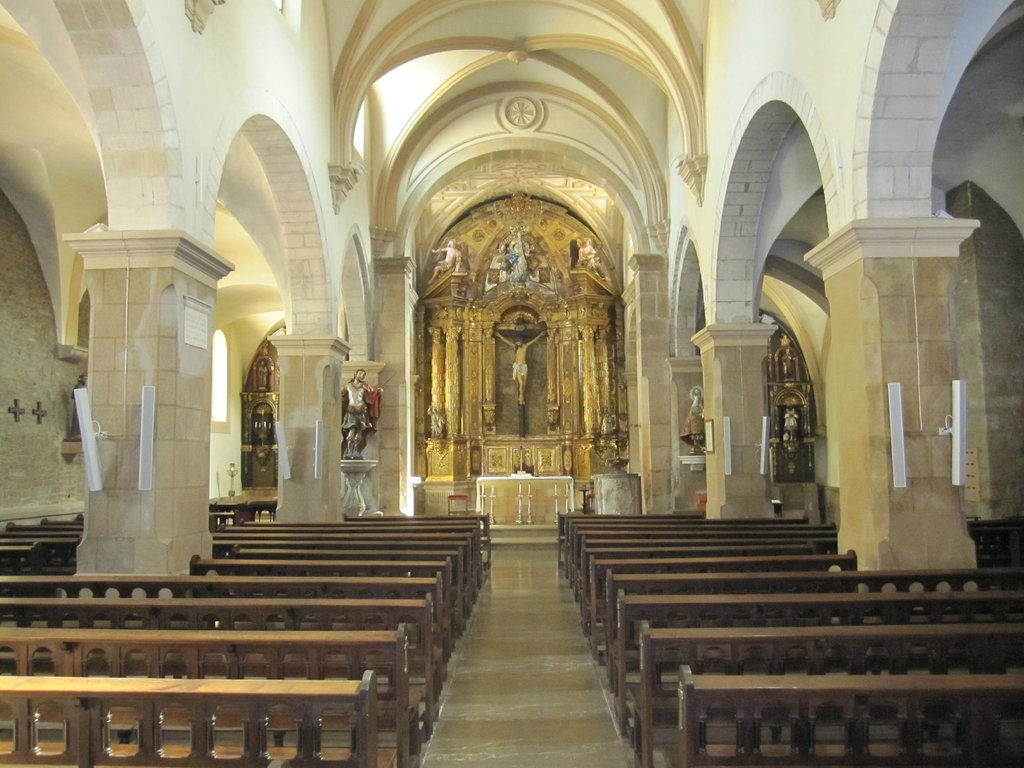
Don't miss the intricate wooden altars inside; they are a highlight of the Baroque interior.
Quick Facts
Rating
4.5 · 300 reviews
Type
Church
Highlights
Discover the most iconic attractions and experiences
Baroque Façade
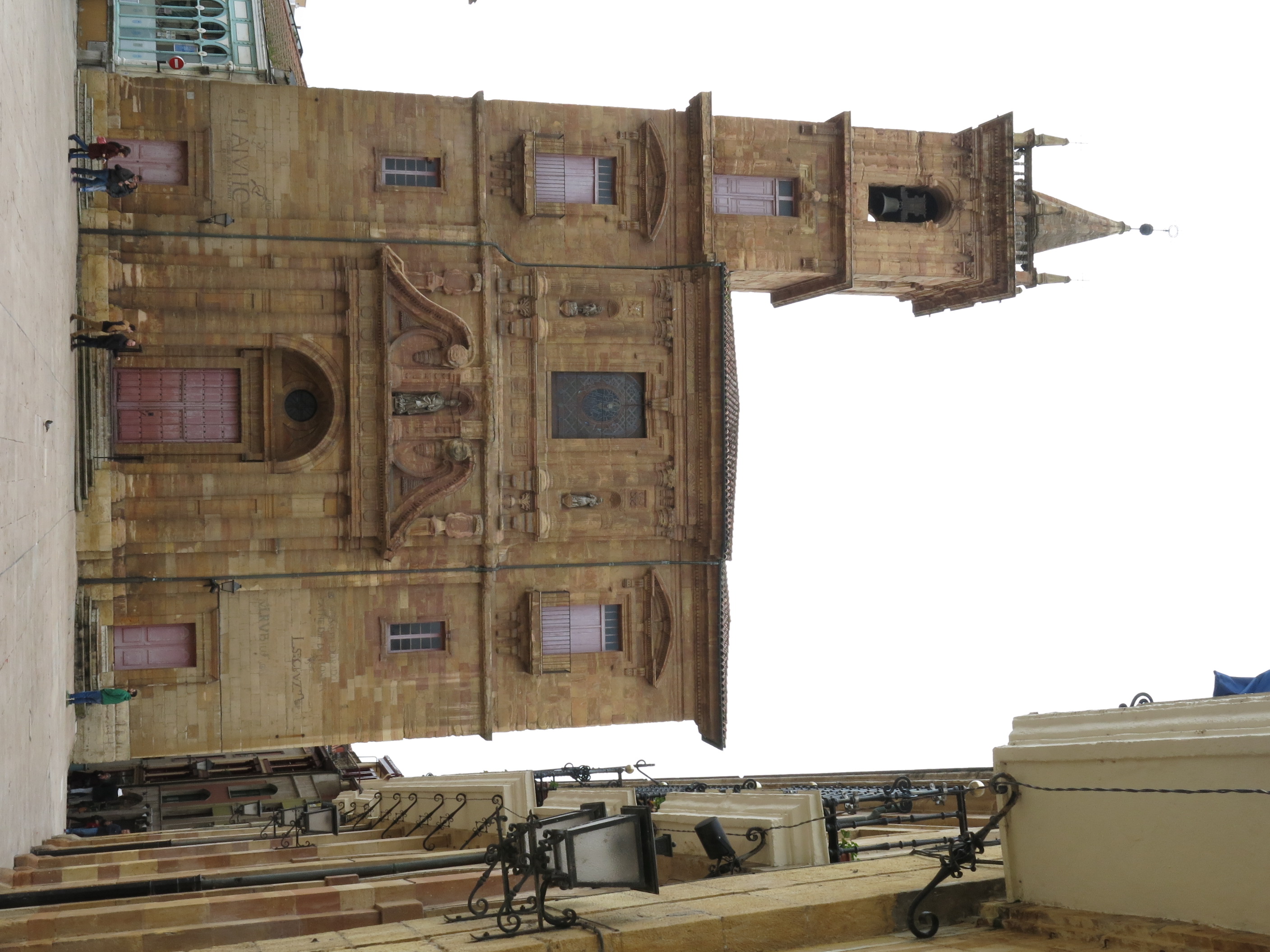
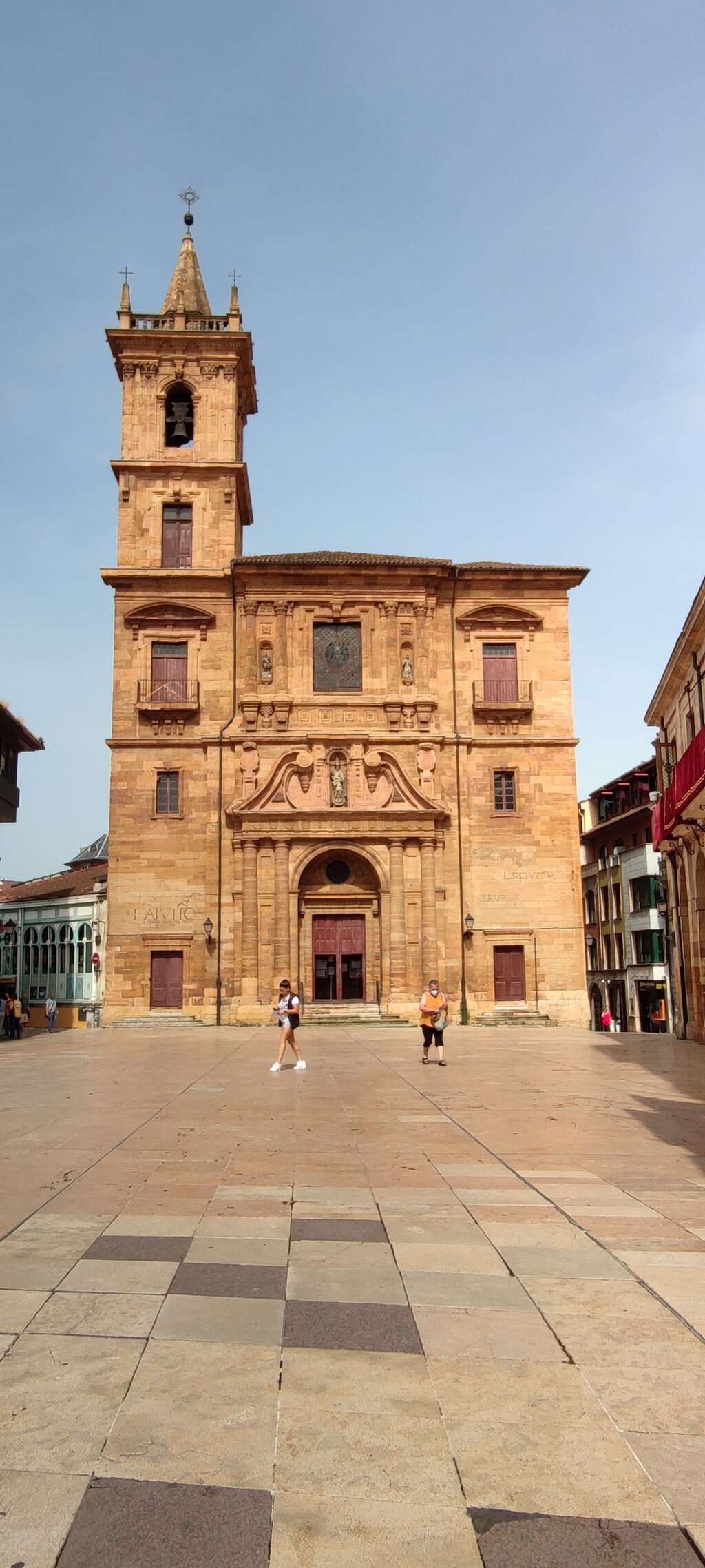
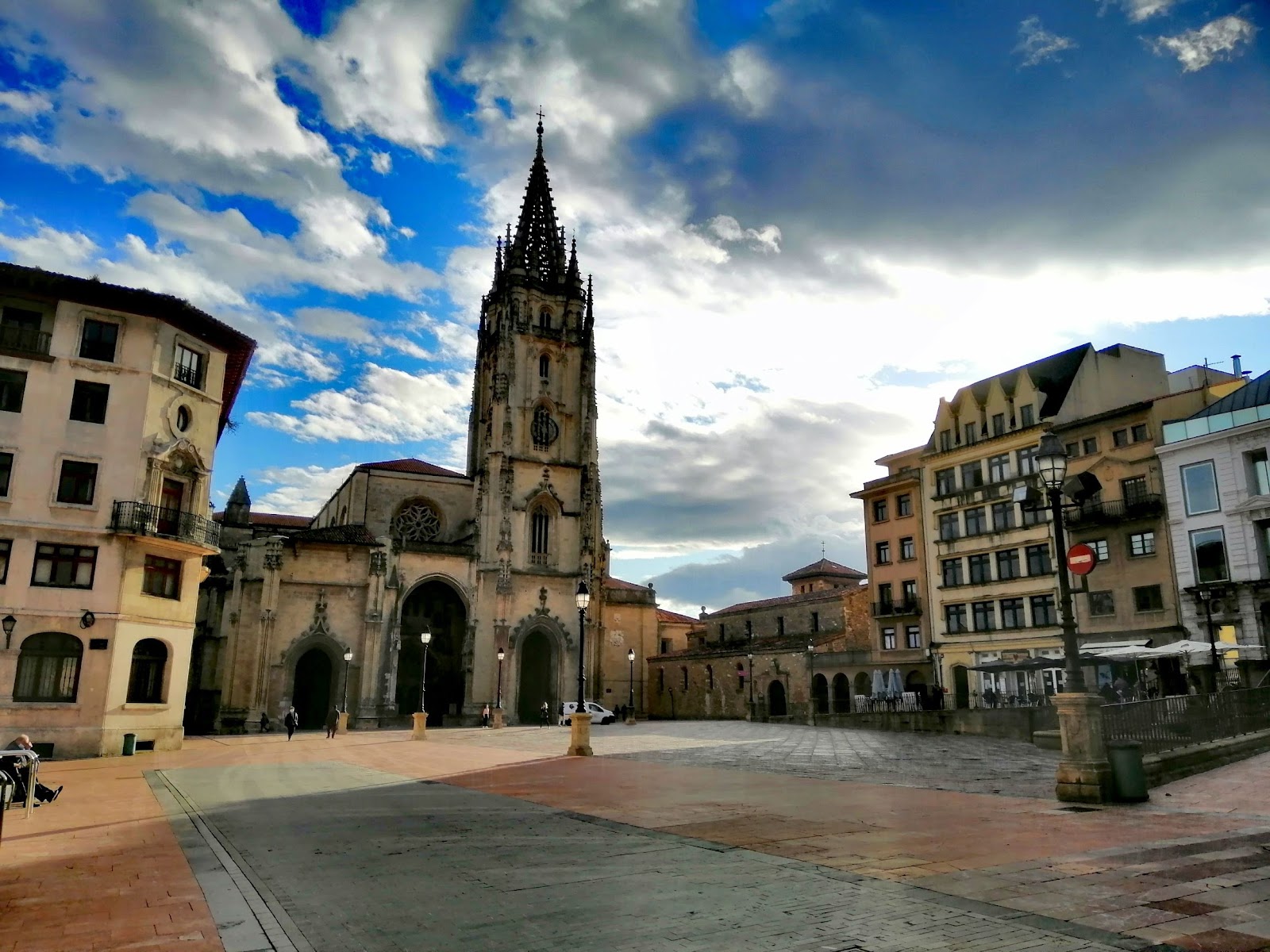
Admire the imposing stone façade with its striking pilasters and a central statue of Saint Isidoro. A true architectural marvel.
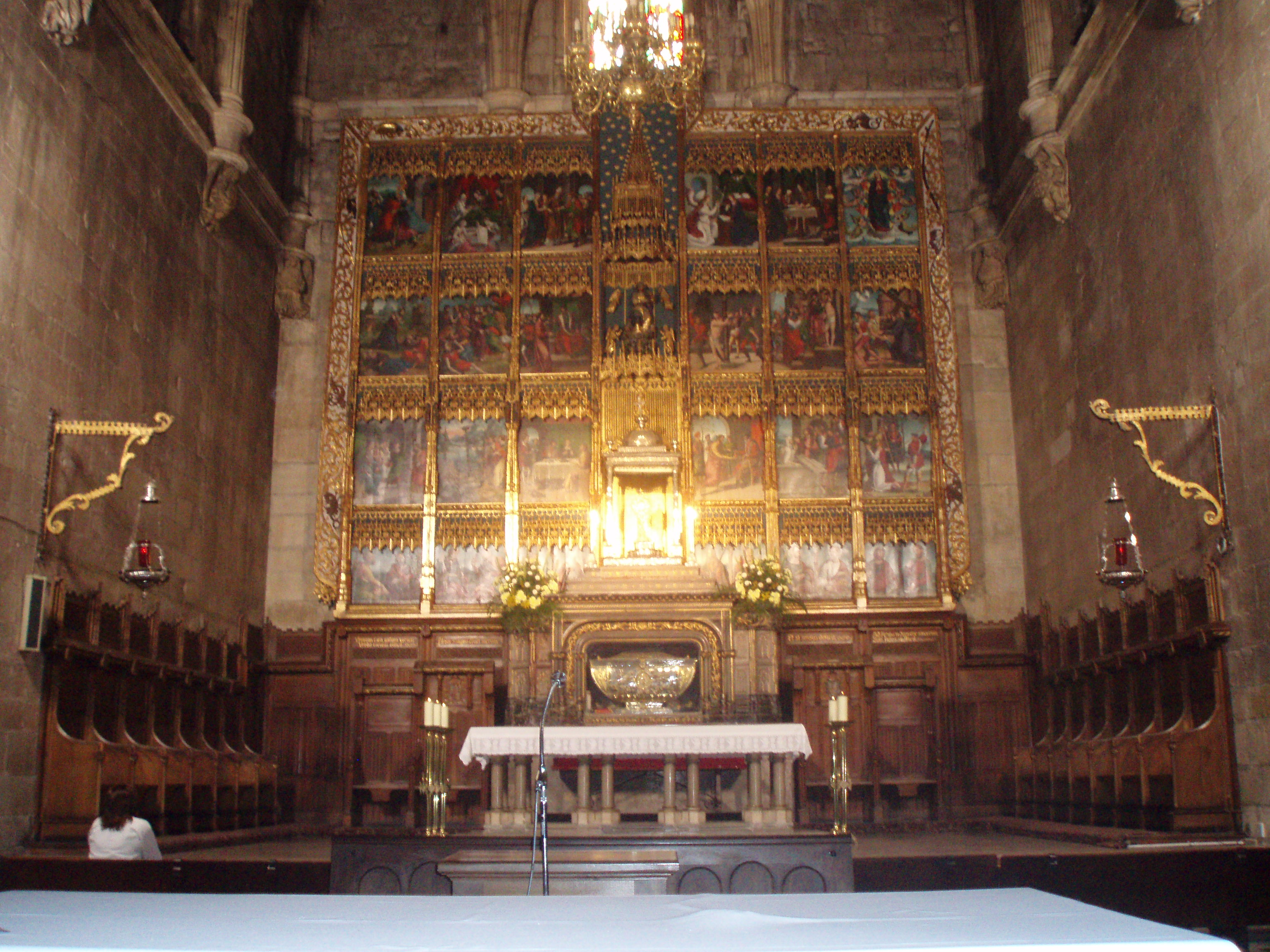
Magnificent Wooden Altars
Step inside to be captivated by the exquisite detail and craftsmanship of the grand wooden altars. A testament to Baroque artistry.
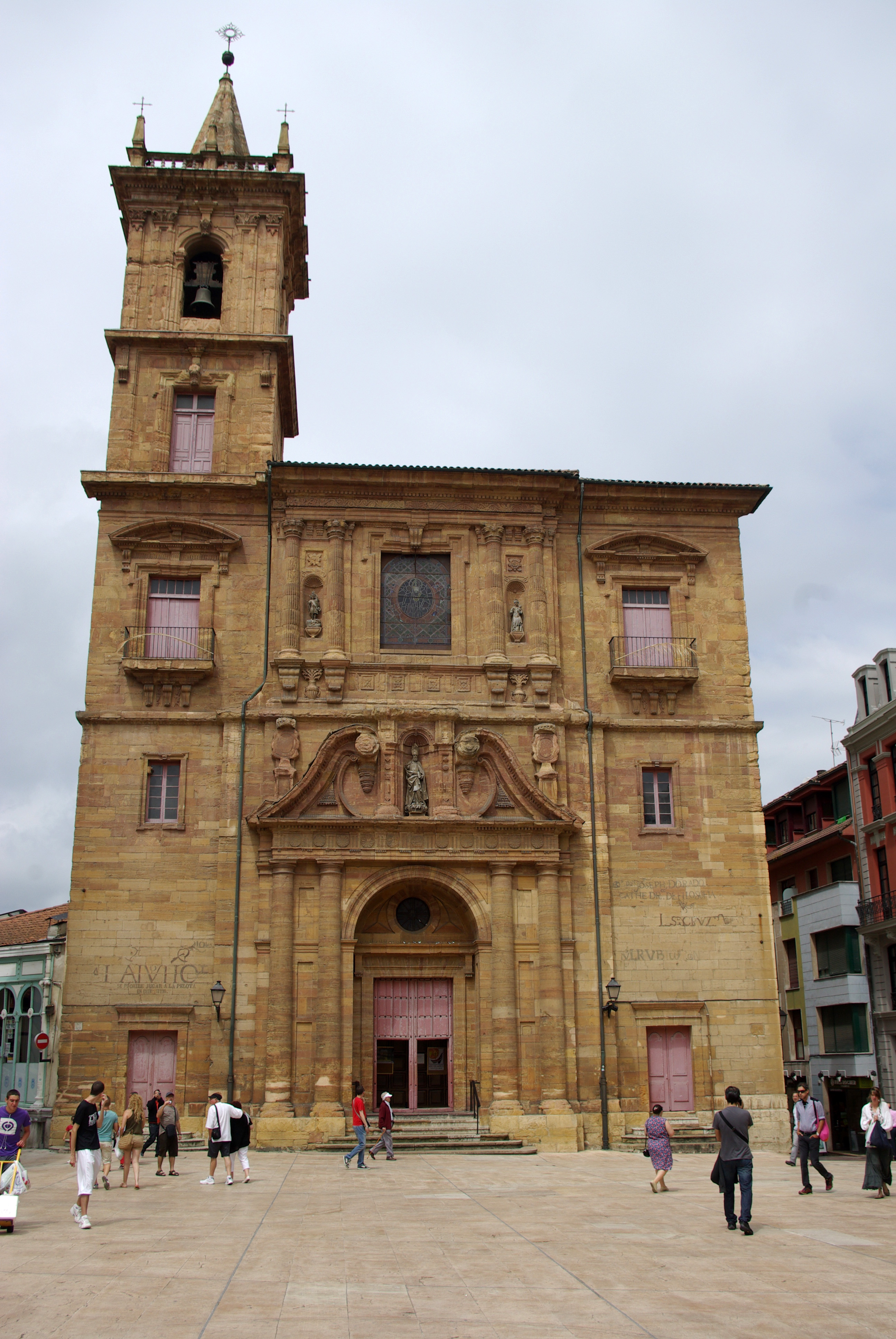
Herrerian Style Influence
Notice the subtle yet significant influence of the Herrerian style, adding a unique character to this 17th-century building.
Plans like a pro.
Thinks like you
Planning Your Visit
Timing Your Visit
Free Admission, Rich Experience
Best Times
Insider Tips
from TikTok, Instagram & Reddit
📸 Capture the Façade
Take time to photograph the impressive stone façade, especially during golden hour for stunning light.
✨ Admire the Altars
Don't miss the intricate wooden altars inside; they are a highlight of the Baroque interior.
🚶♂️ Explore the Surroundings
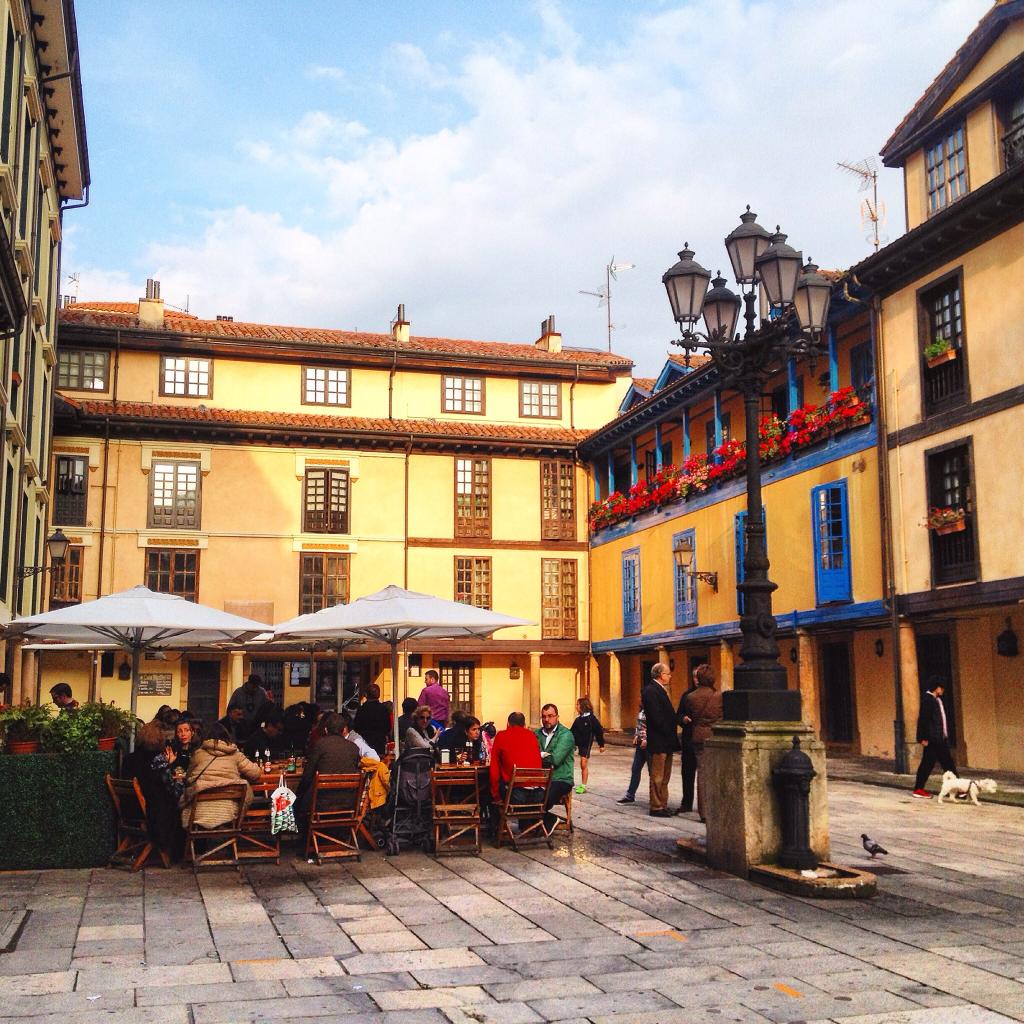
After visiting, wander the nearby streets to discover more of the city's charm.
Tips
from all over the internet
📸 Capture the Façade
Take time to photograph the impressive stone façade, especially during golden hour for stunning light.
✨ Admire the Altars
Don't miss the intricate wooden altars inside; they are a highlight of the Baroque interior.
🚶♂️ Explore the Surroundings
After visiting, wander the nearby streets to discover more of the city's charm.
What Travellers Say
Reviews Summary
Visitors consistently praise San Isidoro el Real for its stunning Baroque architecture and the breathtaking beauty of its wooden altars, all accessible with free admission. While some reviews are brief, the sentiment is overwhelmingly positive, highlighting its striking appearance and artistic merit.
"It is a Baroque-style building constructed in the 17th century, with some influence from the Herrerian style. Originally part of the Jesuit College, it was later converted into a parish church after the Jesuits were expelled from Spain in the 18th century. Its grand stone façade features a statue of Saint Isidoro in the central niche, with imposing pilasters that add to its striking appearance."
Seokjin Ham
"Baroque church, the entrance is free and you can admire the magnificent wooden altars inside"
A V
"Very nice monument :)"
Whyem19
What People Like
What People Dislike
Frequently Asked Questions
🚇 🗺️ Getting There
San Isidoro el Real is centrally located and easily accessible on foot if you are in the city center. Public transport options like local buses also serve the area.
Street parking can be challenging in the historic center. It's advisable to look for nearby public parking garages for convenience.
From the train station, you can take a taxi or a local bus service that heads towards the city center. The journey is typically short.
🎫 🎫 Tickets & Entry
No, the entrance to San Isidoro el Real is free, allowing everyone to admire its beautiful Baroque architecture and altars.
Opening hours can vary, so it's best to check locally or online before your visit to ensure you can access the church.
Typically, churches are open on Sundays, but it's always wise to confirm specific service times or visiting hours to avoid disruption.
As admission is free, no advance booking is required. You can visit at your leisure during opening hours.
📸 📸 Photography
Photography is generally permitted inside churches for personal use, but it's always respectful to check for any posted restrictions, especially regarding flash.
The grand wooden altars offer stunning interior shots, while the façade is best captured from the front plaza, especially during sunrise or sunset.
Drone usage is typically restricted in urban areas and around religious buildings due to privacy and safety regulations.
🎫 🏛️ History & Architecture
San Isidoro el Real is primarily a Baroque-style building, constructed in the 17th century, with notable influence from the Herrerian style.
It was originally part of the Jesuit College before being converted into a parish church after the Jesuits' expulsion from Spain.
The prominent statue in the central niche of the façade is of Saint Isidoro.


Social
from TikTok, Instagram & Reddit