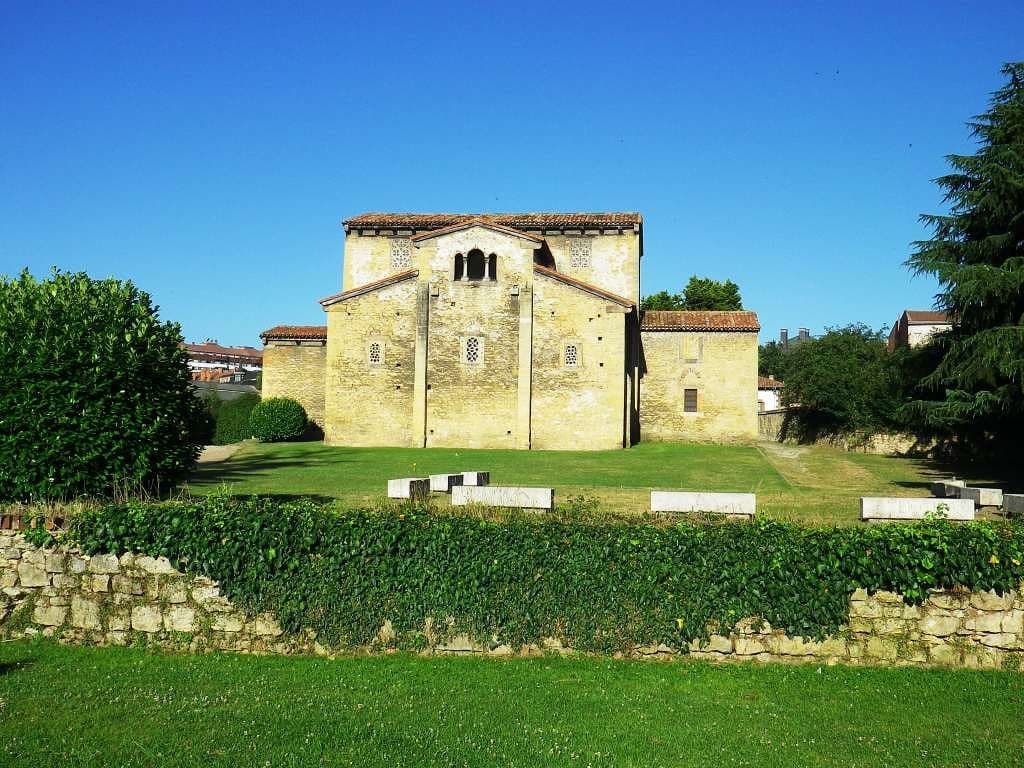
San Julián de los Prados Santullano
A 9th-century Pre-Romanesque church in Oviedo, Spain, famed for its ancient frescoes and UNESCO World Heritage status.
Highlights
Must-see attractions

Social
From TikTok & Reddit
Best Time
Last entry at 17:30
San Julián de los Prados Santullano
Best Time
Last entry at 17:30
Highlights
Must-see attractions
A 9th-century Pre-Romanesque church in Oviedo, Spain, famed for its ancient frescoes and UNESCO World Heritage status.
"An unforgettable UNESCO gem with magnificent 9th-century frescoes and unique geometric motifs."
📞 Call to Visit
Contact the number on the website to arrange your visit, as tours are often required. :iphone:
💰 Affordable Entry
Tickets are around 4€ per person, offering great value for a UNESCO site. 💶
Quick Facts
Rating
4.7 · 1,884 reviews
Type
Church
Highlights
Discover the most iconic attractions and experiences
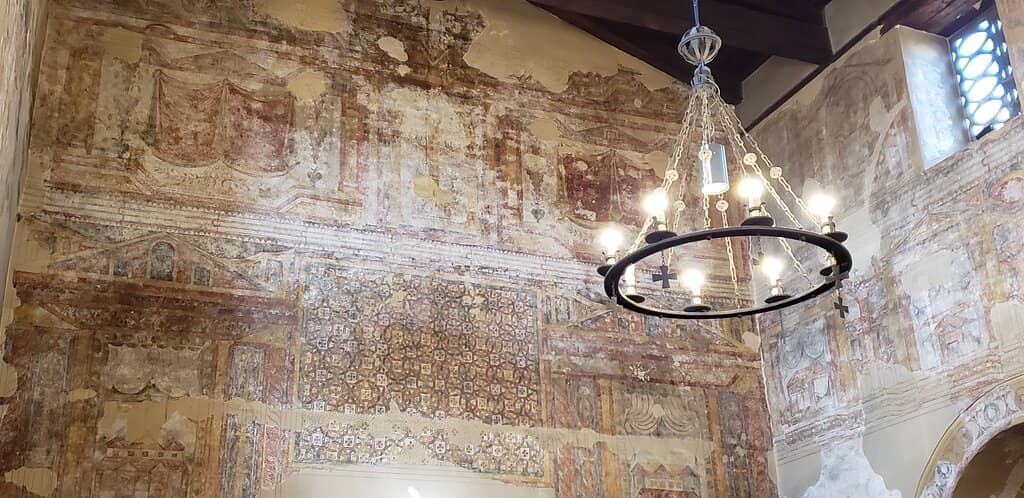
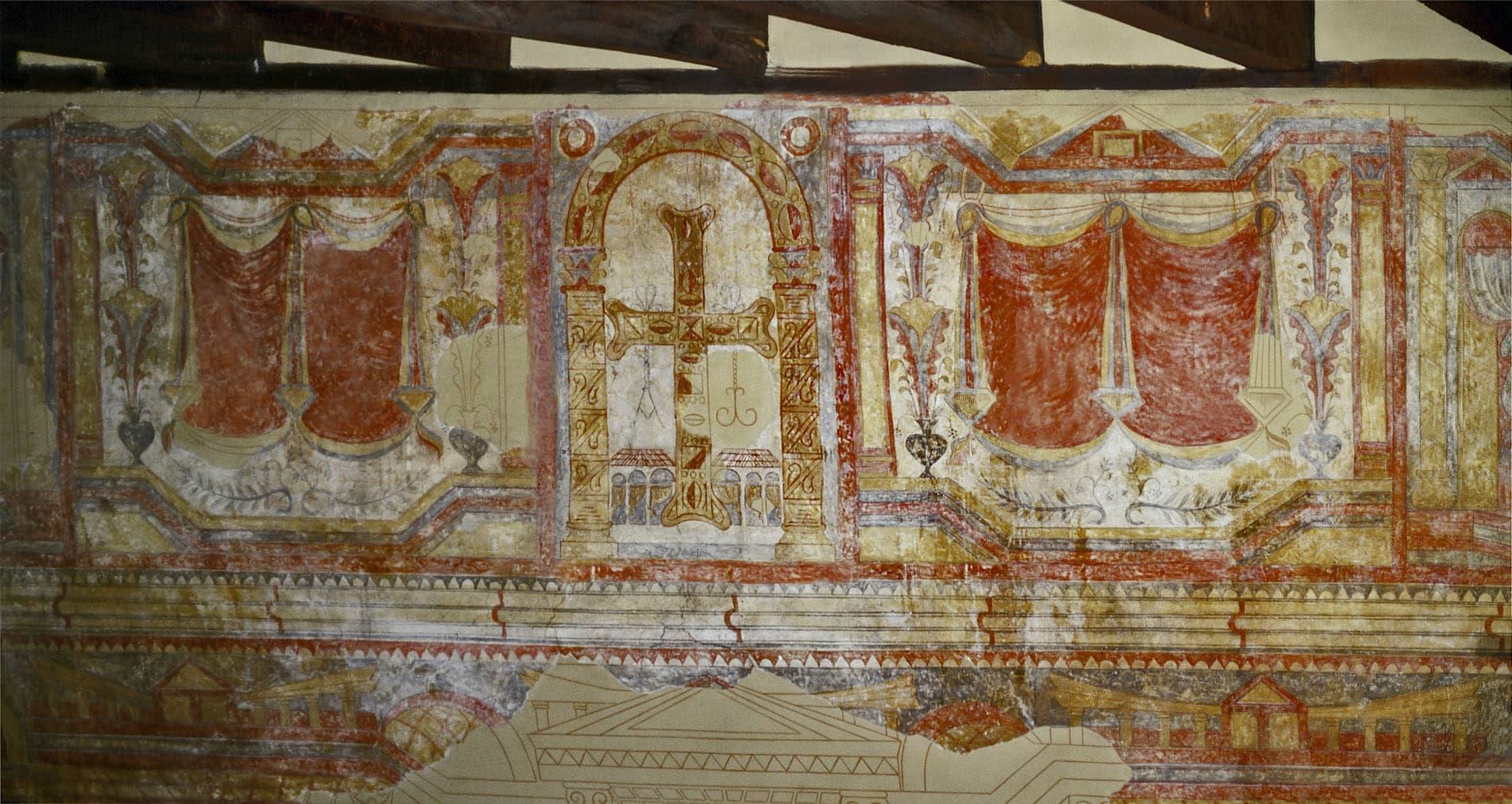
9th-Century Frescoes
Marvel at some of the oldest surviving Christian frescoes in Spain, featuring unique geometric motifs.

Pre-Romanesque Architecture
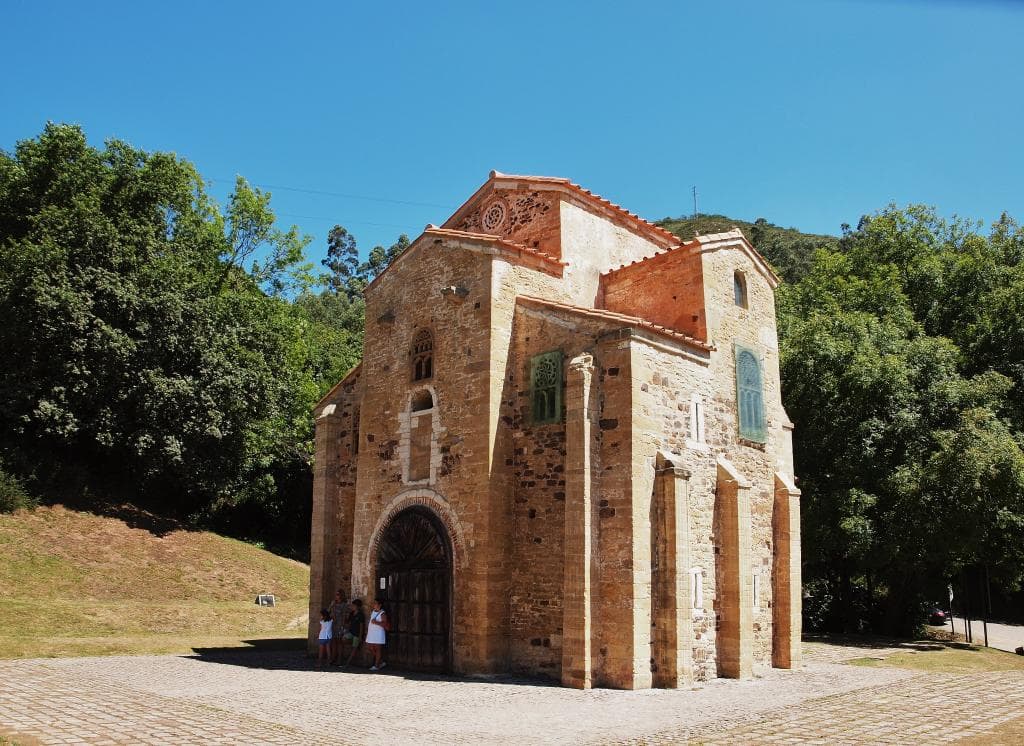
Experience the solid stone and brick construction of this early 9th-century Asturian jewel.

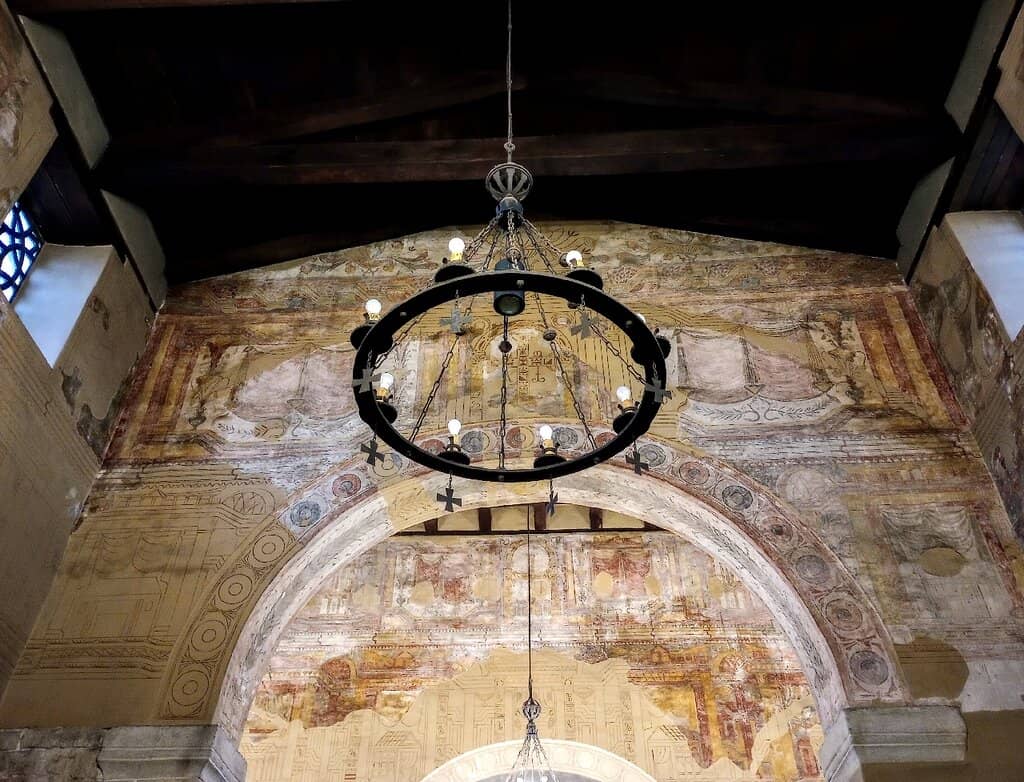
Altarpiece with Wooden Effigy
Admire the striking wooden effigy of Jesus on the cross, serving as the church's altarpiece.
Plans like a pro.
Thinks like you
Planning Your Visit
Book Your Visit in Advance
Embrace the History
Best Times
Insider Tips
from TikTok, Instagram & Reddit
📞 Call to Visit
Contact the number on the website to arrange your visit, as tours are often required. :iphone:
💰 Affordable Entry
Tickets are around 4€ per person, offering great value for a UNESCO site. 💶
🚶♀️ Ten Minutes from Oviedo
Easily accessible from Oviedo's center, making it a perfect short excursion.
🖼️ Informative Guides
Guides are available (in Spanish) to explain the rich history and art.
Tips
from all over the internet
📞 Call to Visit
Contact the number on the website to arrange your visit, as tours are often required. :iphone:
💰 Affordable Entry
Tickets are around 4€ per person, offering great value for a UNESCO site. 💶
🚶♀️ Ten Minutes from Oviedo
Easily accessible from Oviedo's center, making it a perfect short excursion.
🖼️ Informative Guides
Guides are available (in Spanish) to explain the rich history and art.
What Travellers Say
Reviews Summary
Visitors consistently praise San Julián de los Prados as an unforgettable UNESCO gem, particularly for its magnificent and well-conserved 9th-century frescoes with unique geometric motifs. The church is recognized as an absolute Pre-Romanesque jewel, offering a deep dive into early Christian art and architecture. While the guided tours are informative, they are typically in Spanish, which might be a consideration for non-Spanish speakers.
"Among the most unforgettable places I visited in Oviedo. Hard to believe that Christians were worshipping God here for over 1000 years. A truly UNESCO gem!"
GEORGE GEORGIOU
"Visited twice, first to tour and second for a concert. Magnificent frescos!"
Colleen M. Payton
"Absolute preromanic jewel.
Unique geometric motifs of iconoclastic times. Quite good conserved.
To visit it, call the number as indicated in the website. The lady will explain to you the history and the last visit is at 17h30.
The ticket is 4€ pp"
Giulia Maffucci
What People Like
What People Dislike
Frequently Asked Questions
🚇 🗺️ Getting There
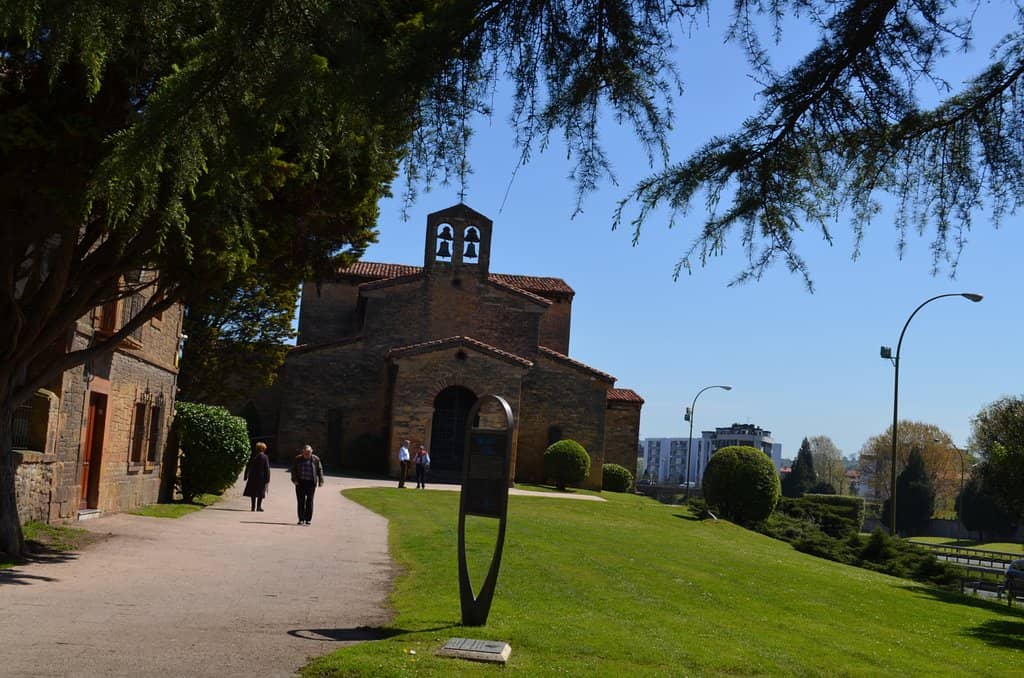
San Julián de los Prados is conveniently located just a ten-minute drive from the center of Oviedo. You can easily reach it by car, following signs towards Santullano. Public transport options might be available, but checking local bus routes is recommended.
While direct public transport details can vary, it's generally a short journey from Oviedo. It's advisable to check local Asturian transport schedules for the most up-to-date information on bus routes that serve the Santullano area.
The church is beautifully situated, and driving is a straightforward way to get there. The road AS-232 is mentioned for scenic routes around Oviedo, which might be a pleasant approach.
🎫 🎫 Tickets & Entry
The admission fee is approximately 4€ per person, making it an affordable visit to a significant historical site.
It is highly recommended to call the number indicated on the church's website to arrange your visit, as guided tours are often required to enter.
The last visit is typically around 17:30, so plan your trip accordingly. It's best to confirm exact hours by contacting the church directly.
Yes, guided tours are available and often mandatory for entry. The guides provide informative explanations about the history and art, though they are usually in Spanish.
Yes, San Julián de los Prados is recognized as a UNESCO World Heritage site, highlighting its immense historical and cultural significance.
🎫 🏛️ Onsite Experience
The church is renowned for its 9th-century frescoes, which are among the oldest surviving Christian frescoes in Spain. You'll also find a striking wooden effigy of Jesus on the cross as an altarpiece and impressive Pre-Romanesque architecture.
The frescoes are significant for their age and unique geometric motifs, showing influences from Roman designs and dating back to the 9th century. They are considered a major highlight of the church.
Photography policies can vary, but generally, it's advisable to be respectful of the sacred space. Check with your guide or onsite staff for specific rules regarding photography, especially flash usage.
The church is a prime example of Asturian Pre-Romanesque architecture, built in the early 9th century. It features thick stone and brick walls, small windows, and a solid construction style influenced by Byzantine, Late Roman, and Visigothic elements.
While some masonry has experienced wear over time, the church is remarkably well-conserved, especially its 9th-century frescoes, which are a testament to its historical importance.
🍽️ 🍽️ Food & Dining
As San Julián de los Prados is close to Oviedo, you'll find a wide array of dining options in the city center. From traditional Asturian cider houses to modern cafes, there's something for every palate.
When in Oviedo, be sure to try local specialties like Fabada Asturiana (a hearty bean stew), Cachopo (a large breaded veal or chicken cordon bleu), and fresh seafood. Enjoy with a glass of local Asturian cider.
📸 📸 Photography
The 9th-century frescoes offer incredible, unique photo opportunities. The exterior architecture and the altar with the wooden effigy are also visually striking.
Photography is generally permitted, but it's always best to confirm onsite rules. Be mindful of the delicate frescoes and avoid using flash if it's not allowed.
Focus on the intricate geometric patterns and the historical significance of these ancient Christian artworks. Capturing the scale and detail of the frescoes is key.



Social
from TikTok, Instagram & Reddit