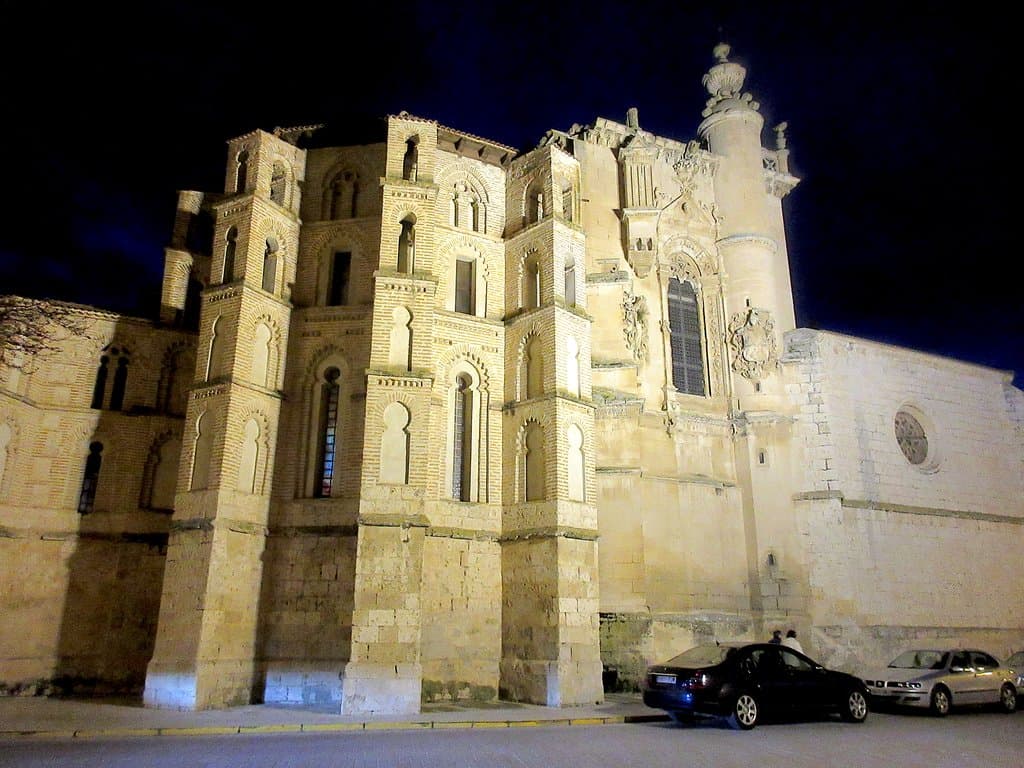
Iglesia de San Pablo Convento
A magnificent Gothic-Mudejar church, once a fortress, now a testament to Spain's rich architectural and historical tapestry.
Highlights
Must-see attractions

Social
From TikTok & Reddit
Best Time
Fewer crowds, peaceful exploration
Iglesia de San Pablo Convento
Best Time
Fewer crowds, peaceful exploration
Highlights
Must-see attractions
A magnificent Gothic-Mudejar church, once a fortress, now a testament to Spain's rich architectural and historical tapestry.
"A marvellous example of Mudejar and Gothic architecture in combination, wonderful to look at from the outside and no less impressive on the inside."

Free Admission! 🎉
Entry to the church is free, but be mindful of Mass times. Guided tours are a small fee.
Guided Tour Value 💰
For €1.50, a guided tour offers deep historical context and architectural insights.
Highlights
Discover the most iconic attractions and experiences
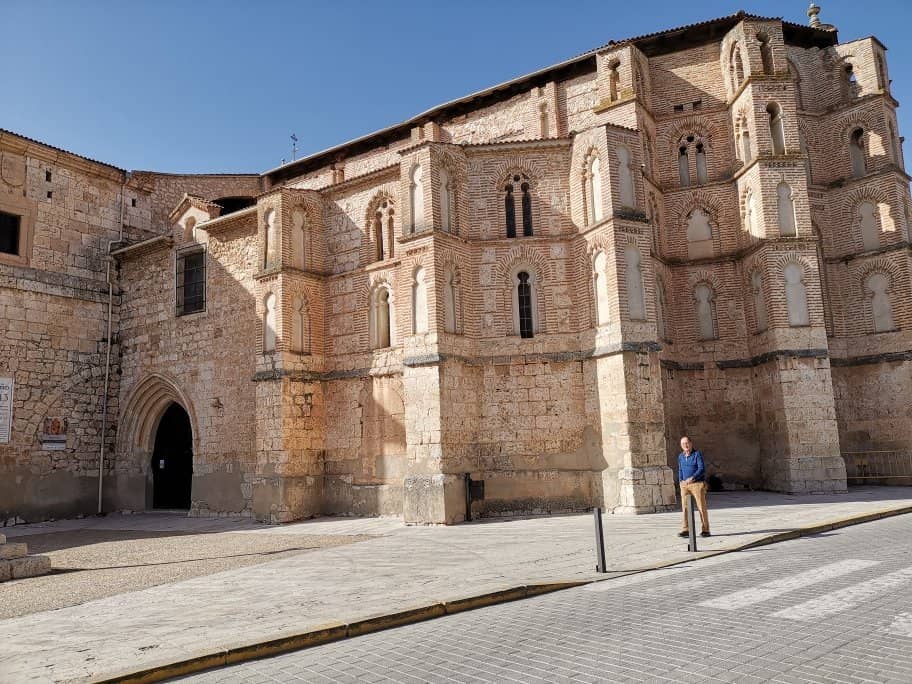
Gothic-Mudejar Apse
Exuberant brick arches and windows showcase a unique blend of styles, a testament to its rich history.
Funerary Chapel of the Manuels
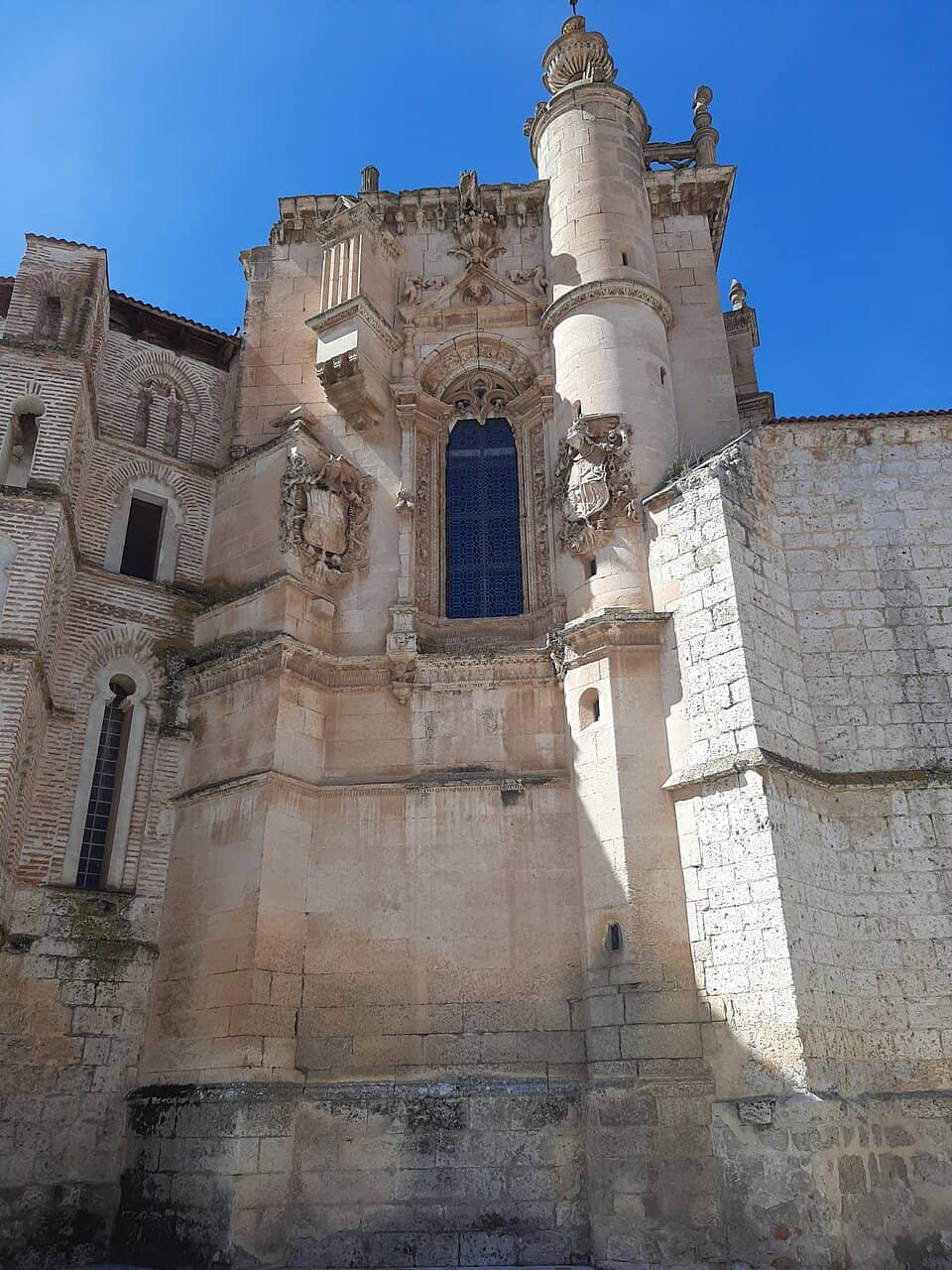
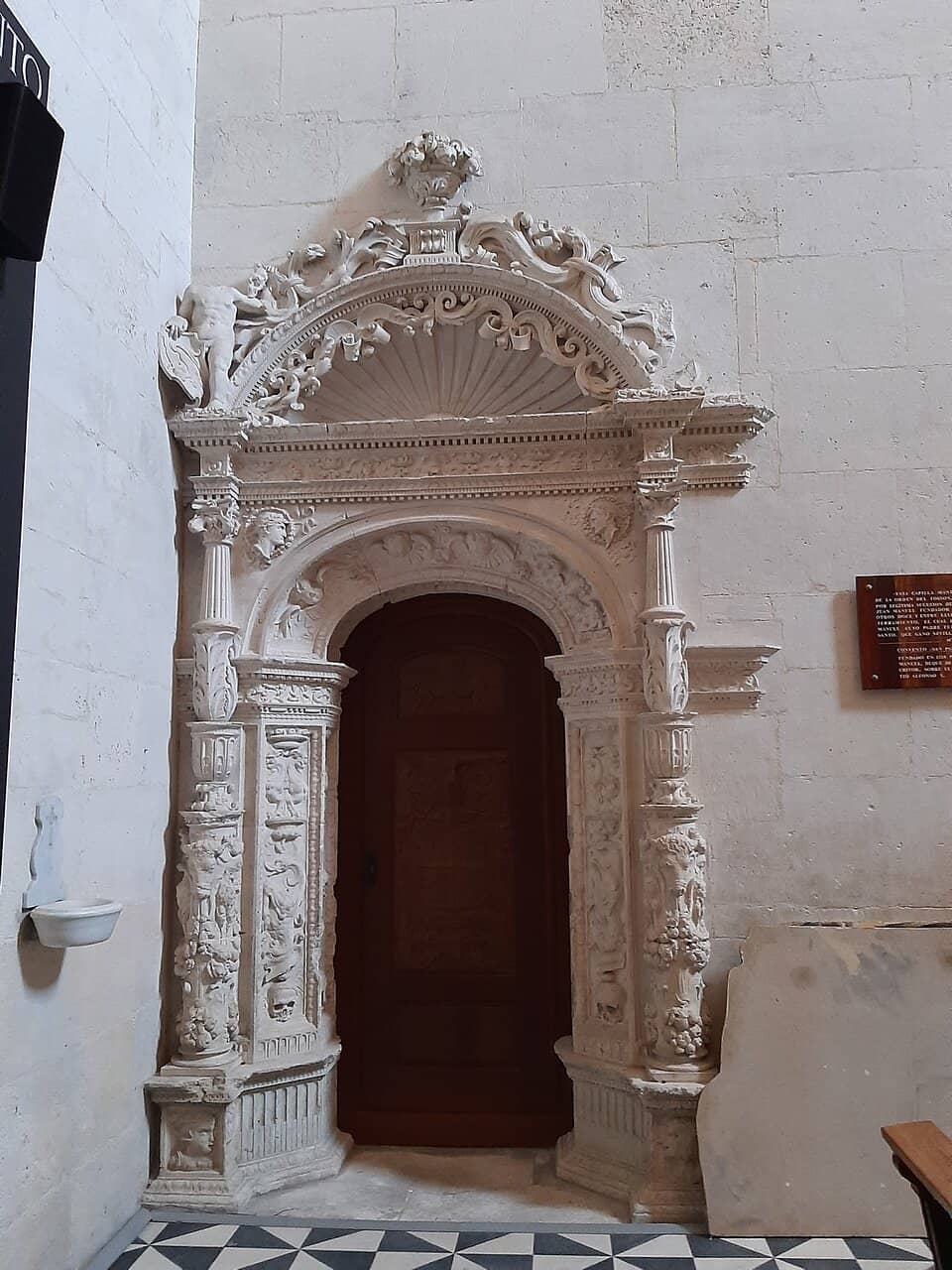
A 16th-century Plateresque masterpiece with intricate plasterwork and heraldic shields.
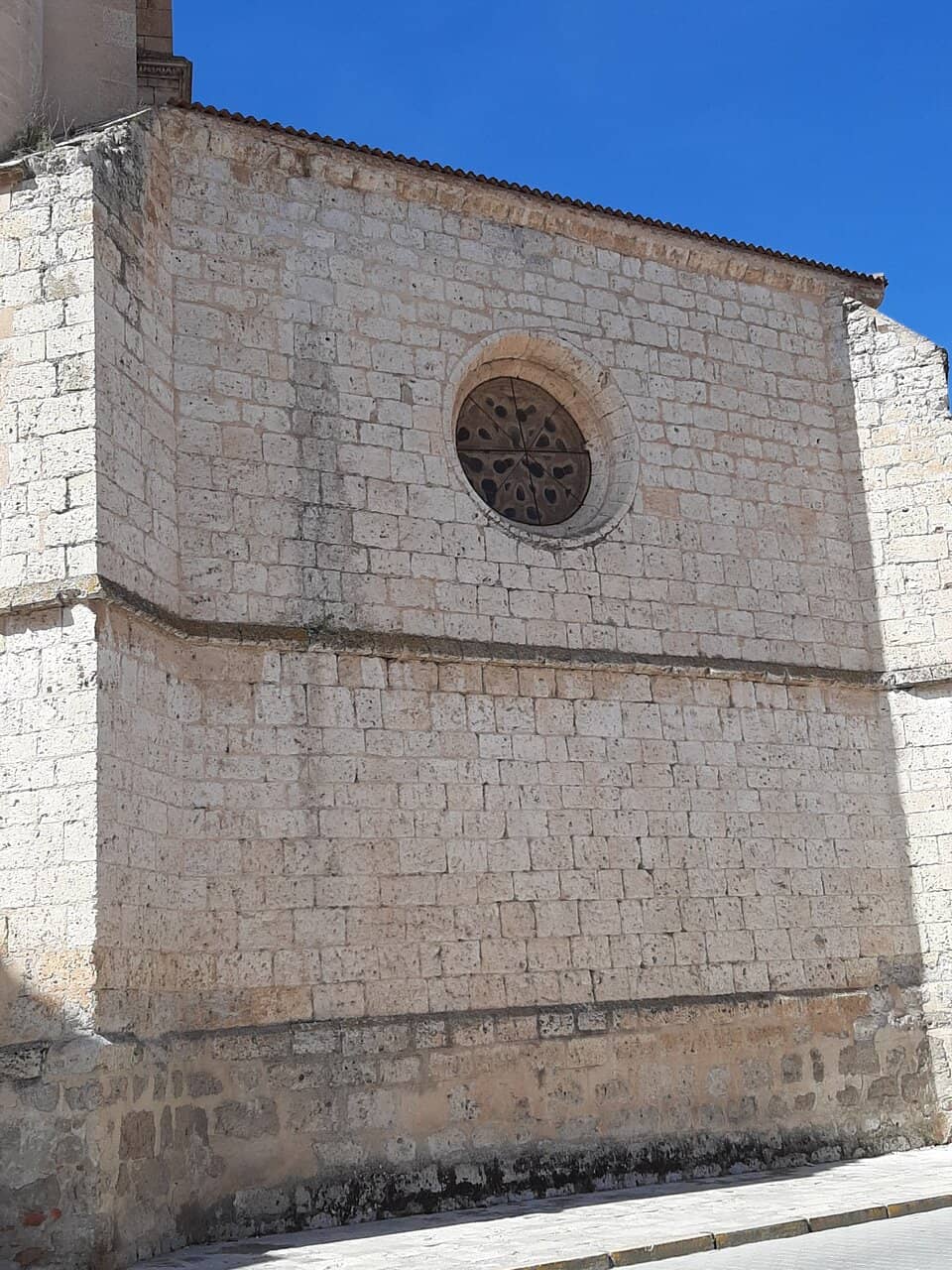
Exterior Grandeur
Striking blend of Moorish and Christian aesthetics, a former fortress transformed into a magnificent church.
Plans like a pro.
Thinks like you
Planning Your Visit
Timing Your Visit
Architectural Gem
Best Times
Insider Tips
from TikTok, Instagram & Reddit
Free Admission! 🎉
Entry to the church is free, but be mindful of Mass times. Guided tours are a small fee.
Guided Tour Value 💰
For €1.50, a guided tour offers deep historical context and architectural insights.
Peñafiel Charm ✨
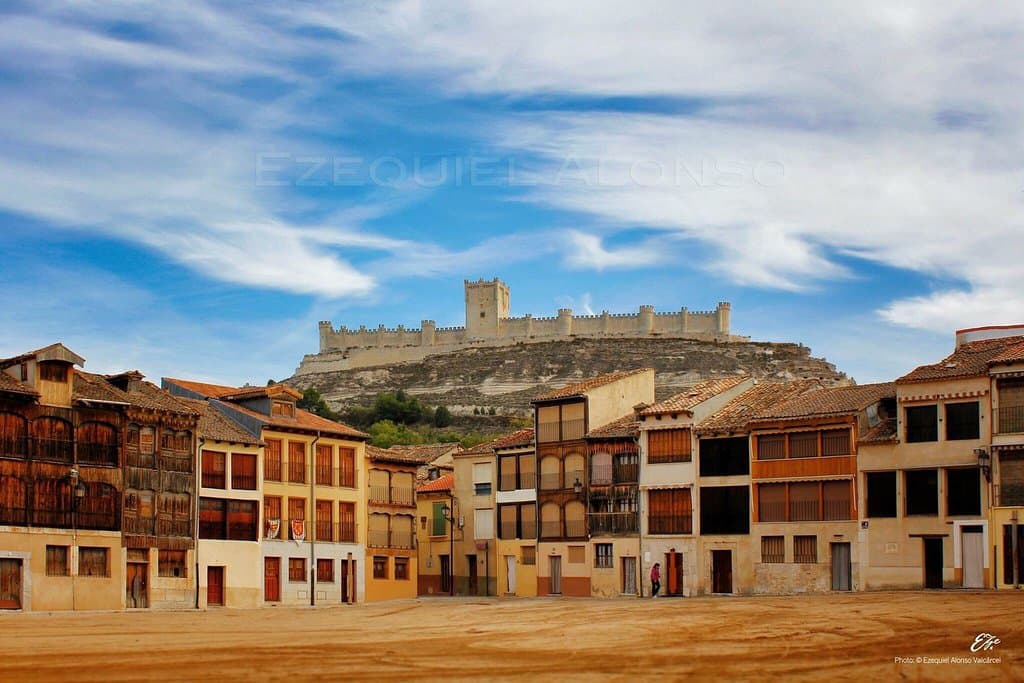
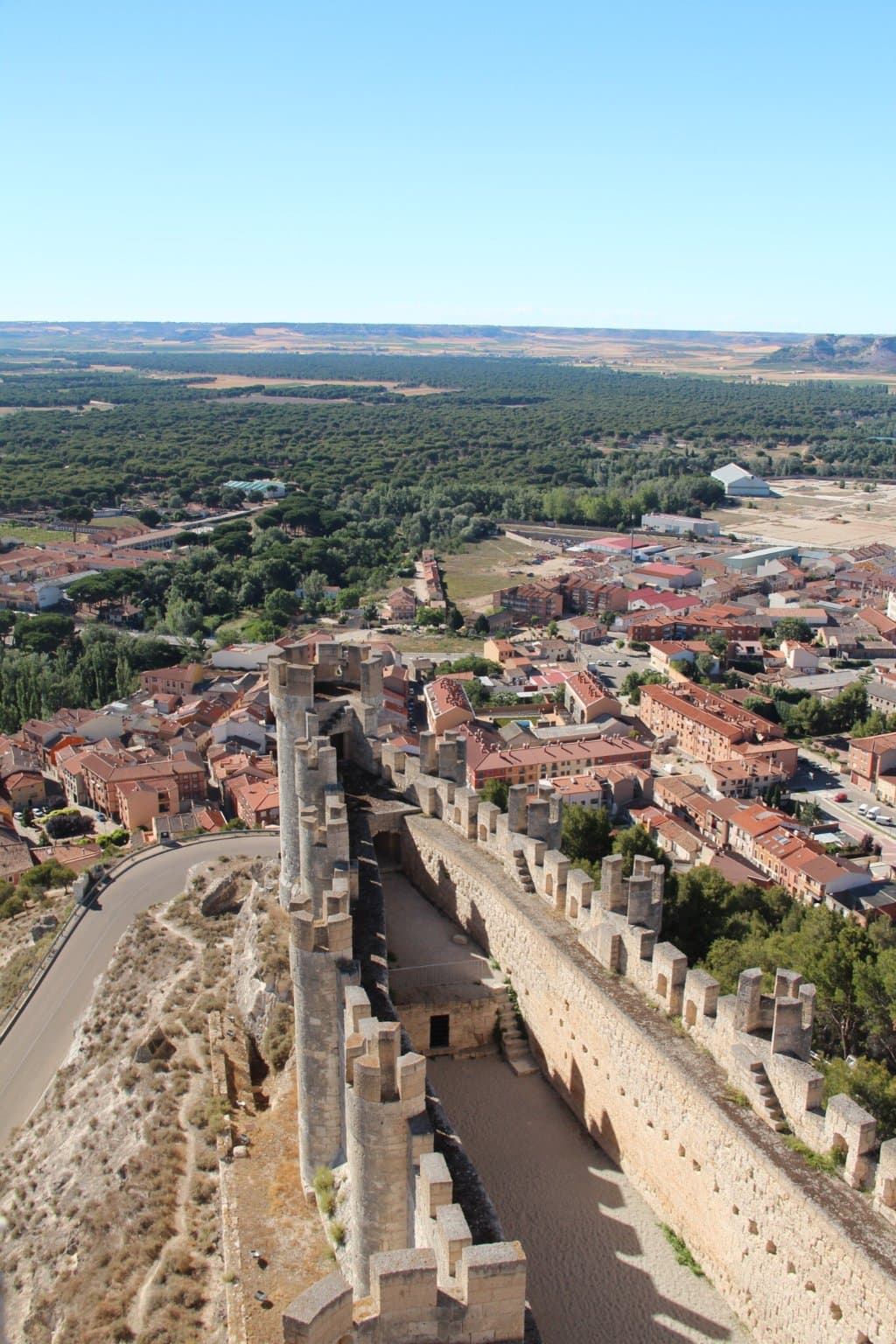
Combine your visit with exploring Peñafiel's castle and wine cellars for a full experience.
Respectful Visit 🙏
Remember it's an active place of worship; observe Mass and prayer times.
Tips
from all over the internet
Free Admission! 🎉
Entry to the church is free, but be mindful of Mass times. Guided tours are a small fee.
Guided Tour Value 💰
For €1.50, a guided tour offers deep historical context and architectural insights.
Peñafiel Charm ✨
Combine your visit with exploring Peñafiel's castle and wine cellars for a full experience.
Respectful Visit 🙏
Remember it's an active place of worship; observe Mass and prayer times.
What Travellers Say
Reviews Summary
Visitors consistently praise the Iglesia de San Pablo Convento for its stunning Gothic-Mudejar architecture and the free admission. The exterior's unique blend of styles and the ornate Manuel family chapel are frequently highlighted as must-see features. While the convent itself isn't accessible, the church offers a rich historical and artistic experience.
"This is both a Church and a Convent but only the church is accessible. It is a marvellous example of Mudejar and Gothic architecture in combination. Wonderful to look at from the outside and no less impressive on the inside. Not to be missed."
Duncan Parsons
"Peñafiel is a small town worth a leisurely visit, a town that has played a major role in the history of Spain. For example, this is where Charles of Navarre, Prince of Viana, was born. He was the son of Blanche I of Navarre and John II of Aragon, and therefore the half-brother of Ferdinand the Catholic. Charles of Viana was, therefore, the natural heir to the Crowns of Navarre and Aragon. In Peñafiel, you can also see some of the finest wine cellars in Rueda, one of the oldest bullrings in Spain, and important monuments, such as its castle and the Church of San Pablo, both in an excellent state of preservation.
The convent church of San Pablo was built in 1324 by Prince Juan Manuel, grandson of Ferdinand III and nephew of Alfonso X the Wise. The convent was built on the site of an old fortress that had been commissioned by King Alfonso X at the end of the 13th century and destroyed by fire in the early 14th century. Don Juan Manuel was Prince of Villena and Lord of Peñafiel, as well as an important writer in the Castilian language. He left various writings on chivalric conduct and history, his best-known work being "El Conde Lucanor." He ordered the construction of a convent for Dominican monks with the idea of creating a funerary chapel inside, where he would be buried after his death.
It is a large church with three naves and a polygonal apse, built with walls and a base of regular granite ashlars. It is particularly notable for its magnificent and exuberant brick apse with Mudejar arches over arcades and windows in the form of lobed horseshoe arches opened in the buttresses, following the classic model of Castilian Mudejar, not as lavishly decorated as Aragonese Mudejar.
Inside the church, the funerary chapel of the Manuel family, descendants of King Ferdinand III of Castile and León, is noteworthy. This chapel was commissioned by his great-grandson in 1536, two centuries after Don Juan Manuel's death.
The chapel is in the Plateresque style, which already reflects the Renaissance aesthetic, decorated with beautiful plasterwork bearing various heraldic shields that lend a majestic touch to the complex. The chapel is located next to the main altar, with a recumbent statue of Don Juan Manuel himself on a large stone urn. The central motif of the complex is a Gothic tracery window framed by two pilasters and an arch. On the sides are two Manuel family coats of arms.
Admission to the church is free, but Mass times and prayer times must be observed. A guided tour is available for €1.50/person, payable at the tourist office in the nearby Plaza del Coso. A combined guided tour of this church and the Plaza del Coso is also available for €3/person. The convent church was declared a Site of Cultural Interest in 1931. A unique jewel of Mudejar Gothic architecture, it is well worth a leisurely visit."
Fernando Patacona
"Magnificent building built with granite and bricks, in a large square, at the exit / entrance of Peñafiel."
Jquimmauri
What People Like
What People Dislike
Frequently Asked Questions
🚇 🗺️ Getting There
Iglesia de San Pablo Convento is located in Peñafiel, Valladolid, Spain. If driving, there is parking available nearby. Public transport options might be limited, so checking local bus schedules in advance is recommended. The church is situated in a large square at the exit/entrance of Peñafiel.
While direct public transport to the church itself might be infrequent, you can typically reach Peñafiel by bus from larger cities like Valladolid. From the town center, it's a short walk to the church.
Many visitors find it convenient to explore Peñafiel on foot, especially the area around the castle and the Church of San Pablo. Consider a rental car for easier access to surrounding wine regions.
🎫 🎫 Tickets & Entry
The church is accessible during Mass and prayer times. It's advisable to check the specific schedule beforehand as it can vary. Admission is free.
No, admission to the church is free. However, a guided tour is available for a nominal fee of €1.50 per person.
Currently, only the church is accessible to the public. The convent itself is not open for general visitation.
Tickets are not required for general entry as it's free. However, if you wish to join a guided tour, it's best to inquire at the tourist office in Plaza del Coso upon arrival.
The designation as a Site of Cultural Interest in 1931 highlights the church's immense historical, architectural, and cultural value, protecting it for future generations.
📸 📸 Photography
Photography is generally allowed inside the church, but it's always respectful to check for any specific signage or ask permission, especially during services.
The exterior, with its unique Mudejar apse, is highly photogenic. Inside, the Plateresque funerary chapel and the overall nave architecture offer great photographic opportunities.
Drone usage is typically restricted in historical and religious sites. It's best to check local regulations before flying a drone in the area.
🎫 🏛️ History & Architecture
The church is a remarkable example of Gothic-Mudejar architecture, featuring a blend of Gothic structure with Moorish decorative elements, particularly in its brickwork.
The convent church was built in 1324 by Prince Juan Manuel, grandson of Ferdinand III. It was constructed on the site of an older fortress.
Prince Juan Manuel was a prominent figure, Prince of Villena and Lord of Peñafiel, and a significant writer in Castilian. His best-known work is 'El Conde Lucanor'.
This 16th-century chapel is in the Plateresque style, showcasing Renaissance aesthetics with detailed plasterwork, heraldic shields, and a recumbent statue of Don Juan Manuel.
Don Juan Manuel intended the convent to serve as a funerary chapel for his family, where he would eventually be buried.
For Different Travelers
Tailored advice for your travel style
History Buffs
Consider taking the guided tour to fully grasp the historical context, from its origins as a fortress to its transformation into a Dominican convent and later a Passionist Fathers' residence. The church's designation as a Site of Cultural Interest highlights its enduring importance in Spain's heritage.
Architecture Enthusiasts

This site provides an excellent opportunity to study the evolution of architectural styles in Spain, from its fortress origins to the blend of Gothic and Moorish influences, culminating in Renaissance elements. The use of granite ashlar and brick creates a striking textural and visual experience.
Deep Dives
In-depth insights and expert knowledge
A Fusion of Styles: Gothic-Mudejar Architecture
The construction of the church began in 1324 under Prince Juan Manuel, who sought to create a family burial site. The original structure was built on the foundations of an earlier fortress commissioned by King Alfonso X. Over centuries, the building evolved, with significant additions like the 16th-century Plateresque funerary chapel, which introduced Renaissance aesthetics. This layering of architectural styles tells a story of the site's continuous use and adaptation, reflecting the changing artistic and cultural trends throughout Spanish history.
Visitors are often struck by the contrast between the seemingly simple interior and the exuberant exterior. The church features three naves and a polygonal apse, constructed with granite ashlar walls. The apse, in particular, is renowned for its Mudejar arches and windows, which are a classic representation of Castilian Mudejar style. Inside, the funerary chapel of the Manuel family stands out with its detailed plasterwork and heraldic shields, offering a glimpse into the noble lineage associated with the site.
The Legacy of Prince Juan Manuel
His decision to build the convent church on the site of an old fortress was deeply personal. He envisioned it as a family funerary chapel, a place for his lineage to rest for eternity. This ambition is reflected in the church's design and the later addition of the ornate Manuel family chapel. The church's construction and its subsequent history are intrinsically linked to the legacy of Juan Manuel and his descendants, who played important roles in the history of the Crown of Castile.
The church's declaration as a Site of Cultural Interest in 1931 underscores its importance not just as a religious building but as a monument to a significant historical figure and a testament to the artistic achievements of his era. The stories and architectural marvels within Iglesia de San Pablo Convento offer a tangible connection to the life and times of Prince Juan Manuel and the broader history of Spain.

Social
from TikTok, Instagram & Reddit