Cueva del Agua de Tíscar
A natural wonder where a waterfall emerges directly from a cave, steeped in legend and history.
Highlights
Must-see attractions

Social
From TikTok & Reddit
Best Time
Peak waterfall flow
Cueva del Agua de Tíscar
Best Time
Peak waterfall flow
Highlights
Must-see attractions
A natural wonder where a waterfall emerges directly from a cave, steeped in legend and history. 
"Well worth the walk, a lot of steps but beautiful views of the waterfall."

👟 Wear Sturdy Shoes
Lots of steps and uneven terrain. Comfortable footwear is a must for exploring the Cueva del Agua.
💧 Water Levels Vary
Waterfall is best after rain, especially in spring. Less water in dry months.

Highlights
Discover the most iconic attractions and experiences
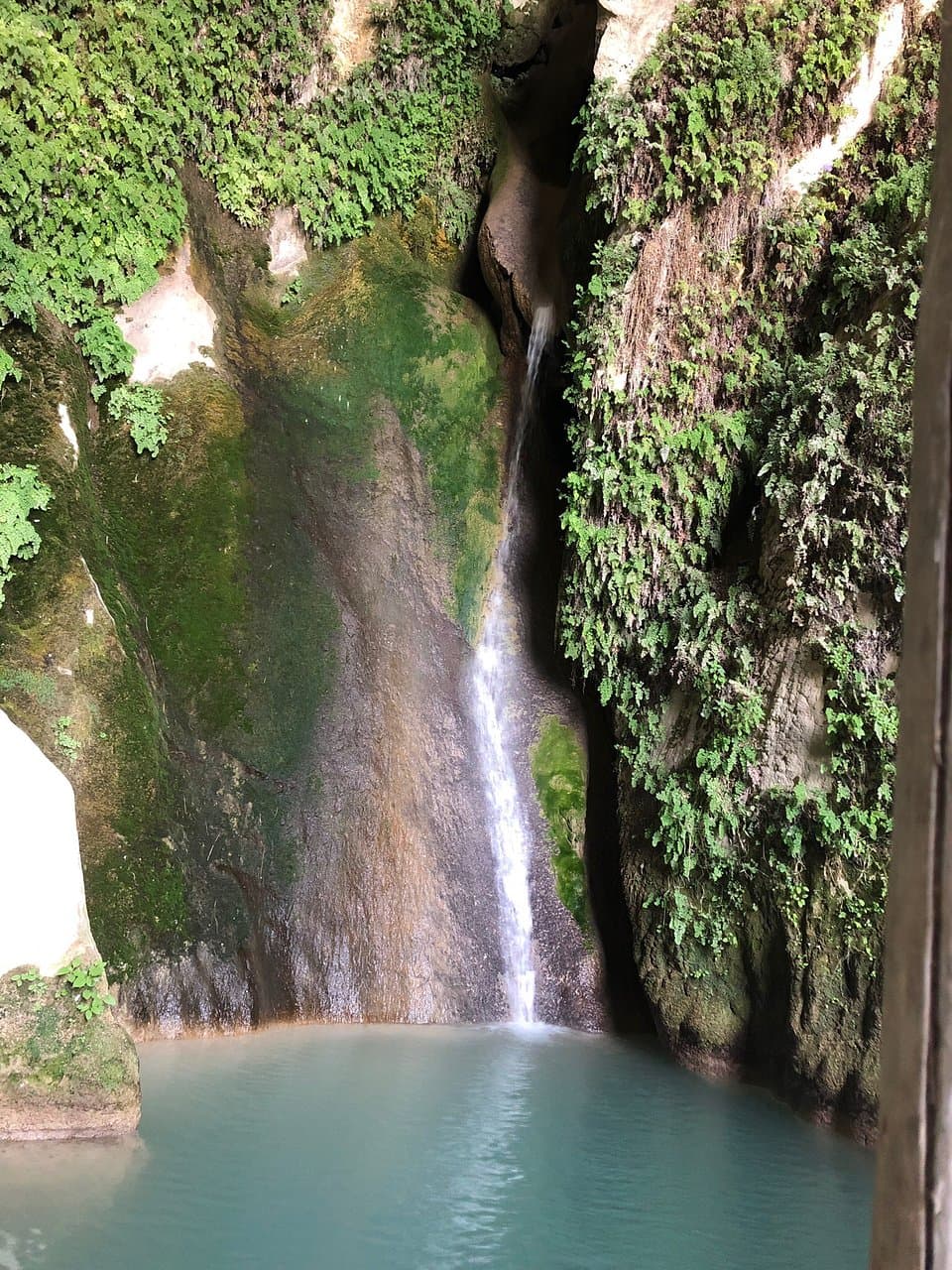
The Cascading Waterfall
Inside the Cueva del Agua
Witness a breathtaking waterfall emerge directly from the rock face, creating a magical, otherworldly scene.
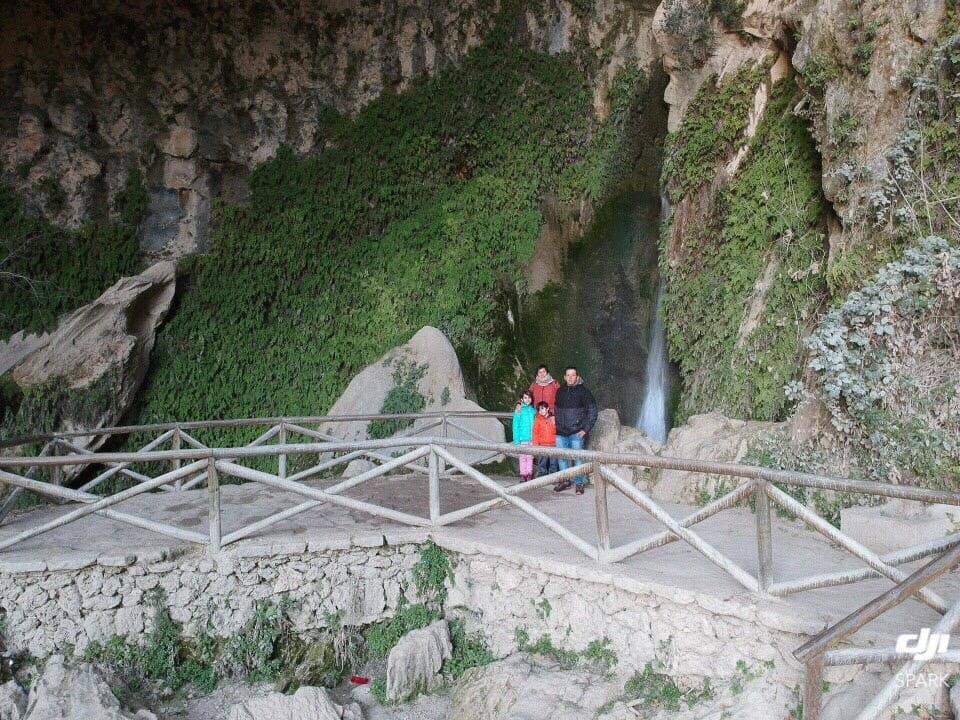
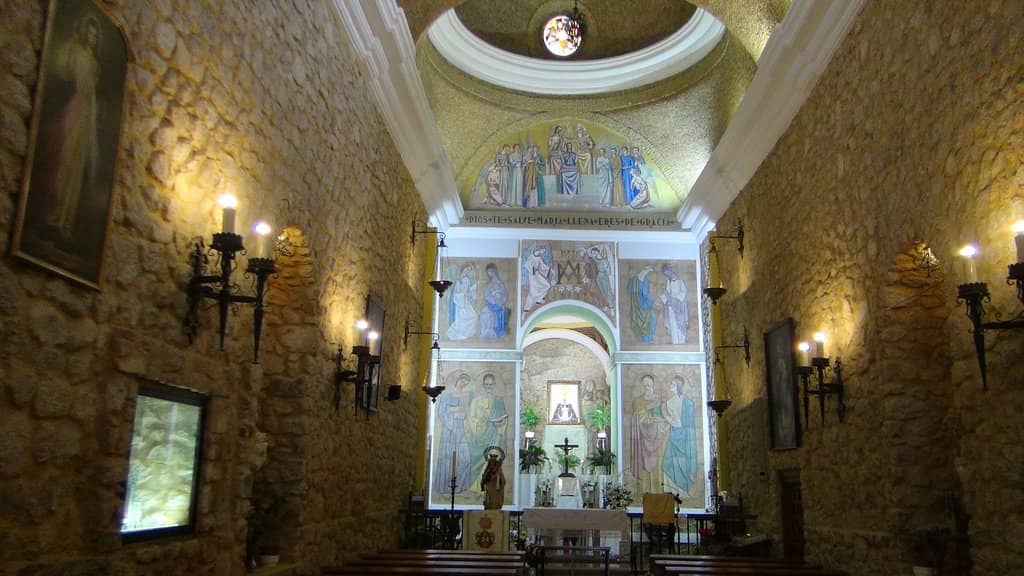
The Legend of the Virgin's Appearance
Cueva del Agua and nearby Sanctuary
Explore a site steeped in history and legend, where the Virgin of Tíscar is said to have appeared.
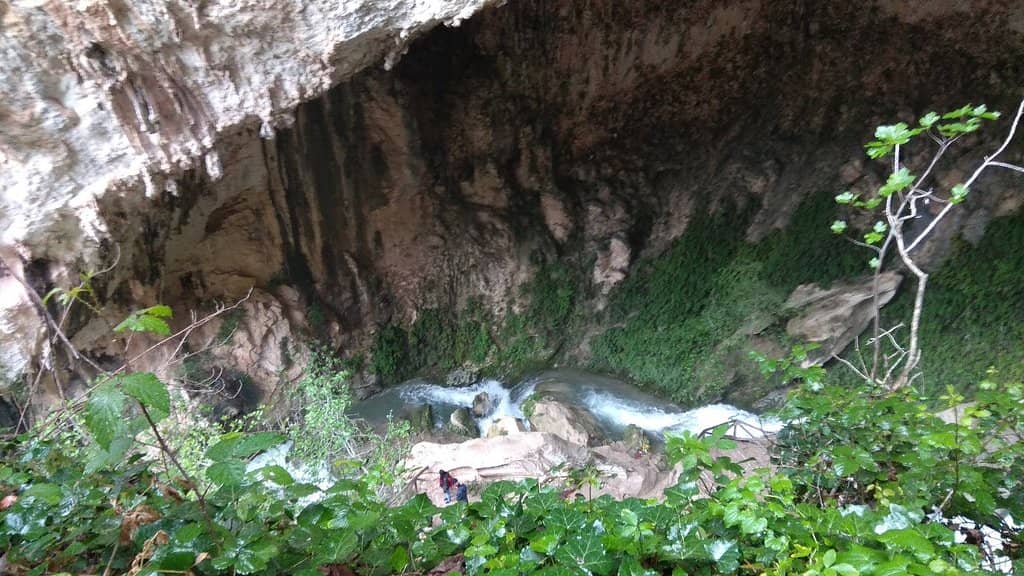
Geological Formations
Inside the Cueva del Agua
Marvel at the unique rock formations carved by the erosive power of the Tíscar River over centuries.
Plans like a pro.
Thinks like you
Planning Your Visit
Navigating the Steps and Terrain
Timing Your Visit for Water Flow
Best Times
Insider Tips
from TikTok, Instagram & Reddit
👟 Wear Sturdy Shoes
Lots of steps and uneven terrain. Comfortable footwear is a must for exploring the Cueva del Agua.
💧 Water Levels Vary
Waterfall is best after rain, especially in spring. Less water in dry months.
🚶♀️ Be Ready for Steps
Steep walk down into the gorge with many steps. Not ideal for those with mobility issues.
🤏 Narrow Passages
You might need to shuffle through a tunnel bent double for a short section.
Tips
from all over the internet
👟 Wear Sturdy Shoes
Lots of steps and uneven terrain. Comfortable footwear is a must for exploring the Cueva del Agua.
💧 Water Levels Vary
Waterfall is best after rain, especially in spring. Less water in dry months.
🚶♀️ Be Ready for Steps
Steep walk down into the gorge with many steps. Not ideal for those with mobility issues.
🤏 Narrow Passages
You might need to shuffle through a tunnel bent double for a short section.
🚗 Parking Can Be Tight
The car park is small and can fill up quickly, especially during peak times.
💰 Free Admission
Enjoy the natural beauty and historical significance without an entry fee.
What Travellers Say
Reviews Summary
Visitors consistently praise the Cueva del Agua for its unique natural beauty, especially the striking waterfall emerging from the rock. The historical legends and geological formations add to its allure. However, many note the significant number of steep steps and narrow passages, making it challenging for those with mobility issues.
"Very steep drive into the hills, small car park. Steep walk down into the gorge. Well worth the walk, a lot of steps but beautiful views of the waterfall. And a breath taking view down the valley."
Steve Blackburn
"Probably after I've seen Niagara Falls and Iguazu, it's hard to be impressed. It's beautiful, but literally just for 5–7 minutes."
Alina Mishchenko
"Really nice place to visit, free too. Lots of steps and you need to be able to shuffle along a tunnel bent double for 50 metres or so. We visited in October and the water was quite small amounts, probably a lot more in the Spring."
Michael Carlile
What People Like
What People Dislike
Frequently Asked Questions
🚇 🗺️ Getting There
The Cueva del Agua is located in Tíscar, near Quesada in the province of Jaén, Spain. The drive involves steep, winding roads into the hills. Parking is available but can be limited.
Yes, the drive is described as very steep into the hills. It's recommended to have a car that can handle inclines.
There is a small car park available, but it can fill up quickly. Arriving early or during off-peak times is advisable.
Public transport options to Tíscar are limited. Having a car is generally the most convenient way to reach the Cueva del Agua.
The Cueva del Agua is situated in Tíscar, which is part of the municipality of Quesada in Jaén, Spain.
🎫 🎫 Tickets & Entry
No, entry to the Cueva del Agua is free. You can explore this natural monument without purchasing a ticket.
The Cueva del Agua is a natural site and is generally accessible during daylight hours. There are no specific opening or closing times posted.
While the site itself is free to access, some visitors mention tours being available and informative, often in both English and Spanish.
The actual walk down, viewing the waterfall, and exploring the cave might take around 30-45 minutes, but factor in travel time and potential waiting for tours.
Children can visit, but the steep steps and narrow passages might be challenging for very young children or those who are less mobile. Adult supervision is recommended.
🎫 🏞️ Onsite Experience
The primary attraction is the stunning waterfall that emerges directly from the rock face within the cave, creating a unique natural spectacle.
No, the Cueva del Agua is not accessible for wheelchairs due to the numerous steep steps and uneven terrain.
Wear comfortable, sturdy shoes suitable for walking on steps and potentially slippery surfaces. Layers are advisable as temperatures can vary.
Water flow varies significantly. It's most impressive after rainfall, especially in spring. During dry periods, the waterfall may be minimal.
Restroom facilities are not typically mentioned as being directly at the Cueva del Agua itself. It's best to use facilities in nearby towns before you arrive.
📸 📸 Photography
Capture the dramatic waterfall emerging from the rock, the unique geological formations, and the panoramic views down the valley.
The lighting inside the cave can be dim, and the narrow passages might make maneuvering with a camera tricky. A wide-angle lens can be useful.
Morning light can be beautiful, but consider the direction of the sun. Midday can be harsh. Experiment with different times to see what works best for capturing the water's movement.
Tripods might be difficult to set up due to the confined spaces and uneven ground. Consider a monopod or stabilizing your camera on a rock.
Drone regulations can vary. It's advisable to check local rules and regulations regarding drone usage in natural parks and protected areas before flying.
For Different Travelers
Tailored advice for your travel style
👨👩👧 Families with Kids
Despite the physical demands, the natural beauty of the waterfall and the historical legends surrounding the site can captivate older children. Visiting in spring when the waterfall is at its most impressive offers a more rewarding experience. Remember to bring water and snacks, as facilities are limited.
🚶♀️ Adventure Seekers & Hikers
Be sure to wear appropriate footwear for the uneven terrain and steps. Checking the weather and water flow conditions beforehand can help you plan your visit for the most dramatic views. The historical context of the site, including nearby ruins, adds an extra dimension for those interested in combining nature with history.
📸 Photographers
+1 The interplay of light and shadow within the cave, combined with the natural formations, can lead to striking images. However, the dim lighting inside and the confined spaces can pose challenges. Consider bringing a wide-angle lens to capture the scale of the cave and waterfall. Stabilizing your camera is key due to the potentially uneven ground and narrow passages; a monopod might be more practical than a tripod. Visiting during different times of the day can offer varied lighting conditions to experiment with.
Deep Dives
In-depth insights and expert knowledge
The Legend and History of Tíscar
+2This historical and spiritual significance adds another layer to the visitor experience. Nearby, you can also find the Sanctuary of Tíscar and the ruins of the Castillo de la Peña Negra, further enriching the area's historical tapestry. These elements connect the natural beauty of the cave to centuries of human history and folklore.
+1The area's history also touches upon periods of conflict, with mentions of 'Moros y Cristianos' (Moors and Christians), hinting at a past where different cultures interacted and sometimes clashed in this strategic location.
Understanding the Geology and Water Flow
+1The presence and intensity of the waterfall within the cave are highly dependent on rainfall. Visitors often note that the water flow is most impressive in the spring, following winter and spring rains. During drier periods, the cascade can be significantly reduced, though the cave's geological features remain a draw.
This natural phenomenon makes the timing of your visit crucial if you wish to witness the Cueva del Agua at its most spectacular. The river itself originates a couple of barrancos (ravines) further upstream, contributing to the water's journey through this remarkable natural monument.
Accessibility and Visitor Considerations
Beyond the initial descent, visitors may also encounter narrow passages within the cave that require bending or shuffling. While these sections are usually short, they add to the adventurous nature of the visit but also highlight the accessibility limitations.
Despite these challenges, many visitors find the effort worthwhile for the unique beauty and historical significance of the Cueva del Agua. The small car park can also be a consideration, suggesting that arriving early or during less busy times might enhance the overall experience.


Social
from TikTok, Instagram & Reddit