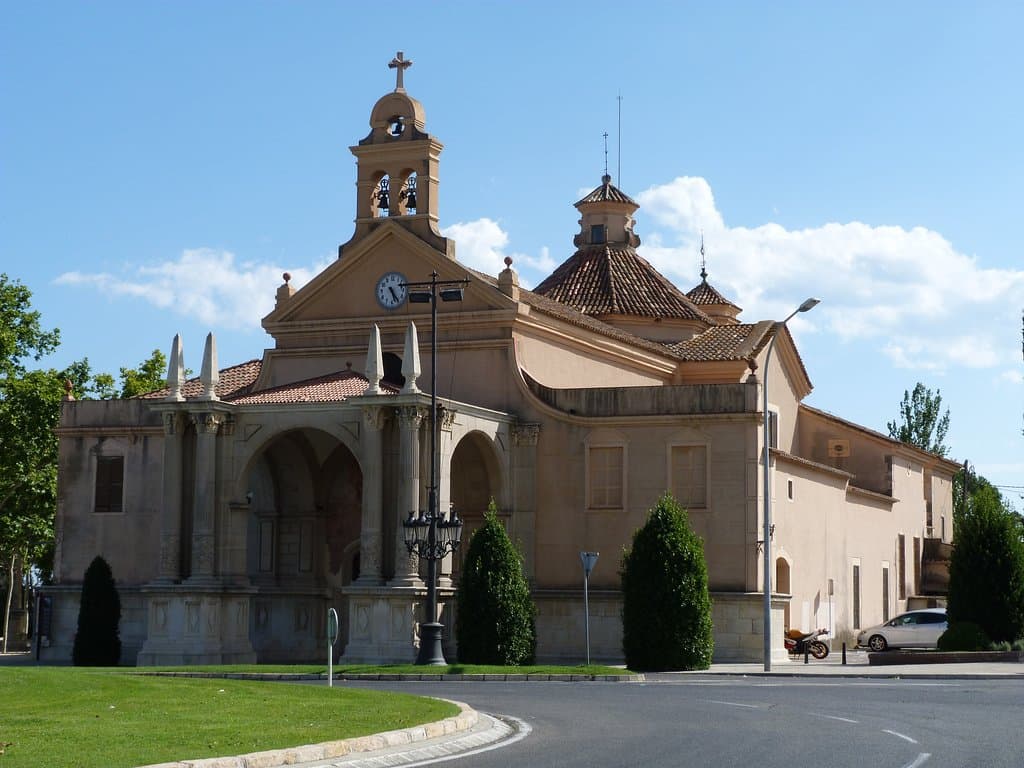
Santuari de la Misericòrdia
A historic sanctuary in Reus, Catalonia, built on the site of a 1592 Marian apparition, blending Renaissance, Baroque, and Neoclassical styles.

Highlights
Must-see attractions

Social
From TikTok & Reddit
Best Time
Fewer crowds, peaceful atmosphere
Santuari de la Misericòrdia
Best Time
Fewer crowds, peaceful atmosphere
Highlights
Must-see attractions
A historic sanctuary in Reus, Catalonia, built on the site of a 1592 Marian apparition, blending Renaissance, Baroque, and Neoclassical styles.
"Impressed. Good history as well."
Check for Events
Special masses or pilgrimages can impact crowd levels and access. Check their schedule beforehand! :calendar:
Wear Comfortable Shoes
You might do a fair bit of walking around the sanctuary and its grounds. :athletic_shoe:
Highlights
Discover the most iconic attractions and experiences
The Apparition Site
Chapel of the Virgin of Bethlehem
The sacred spot where the Virgin Mary is said to have appeared to a shepherdess in 1592.

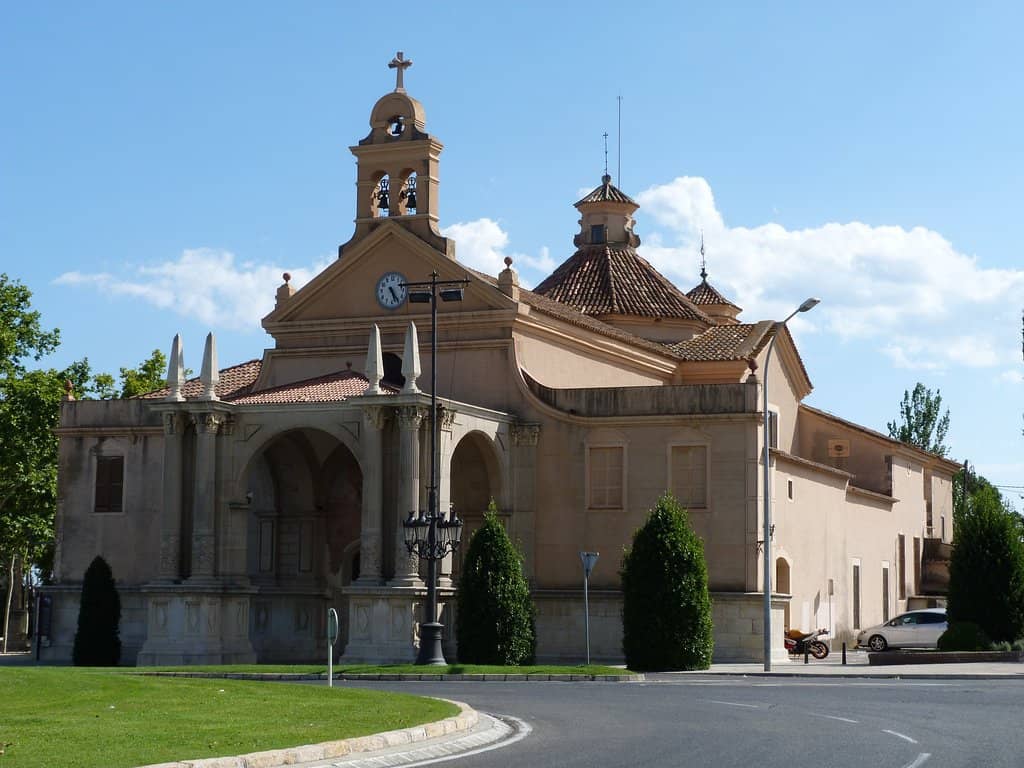
Baroque and Neoclassical Architecture
Admire the blend of architectural styles that showcase centuries of history and renovation.

Frescoes by Josep Franquet
Marvel at the interior adorned with vibrant frescoes by renowned Catalan artists.
Plans like a pro.
Thinks like you
Planning Your Visit
Timing Your Visit
Respectful Attire
Best Times
Insider Tips
from TikTok, Instagram & Reddit
Check for Events
Special masses or pilgrimages can impact crowd levels and access. Check their schedule beforehand! :calendar:
Wear Comfortable Shoes
You might do a fair bit of walking around the sanctuary and its grounds. :athletic_shoe:
Photography Etiquette
Be mindful of others and avoid flash photography during services. :camerawithflash:
Local Artisan Crafts
Look for unique souvenirs, often reflecting local traditions and artistry. :gift:
Tips
from all over the internet
Check for Events
Special masses or pilgrimages can impact crowd levels and access. Check their schedule beforehand! :calendar:
Wear Comfortable Shoes
You might do a fair bit of walking around the sanctuary and its grounds. :athletic_shoe:
Photography Etiquette
Be mindful of others and avoid flash photography during services. :camerawithflash:
Local Artisan Crafts
Look for unique souvenirs, often reflecting local traditions and artistry. :gift:
What Travellers Say
Reviews Summary
Visitors are impressed by the sanctuary's historical significance and beautiful architecture, particularly the frescoes. It's noted as a place of peace and devotion, though some mention that local amenities can be limited directly at the site.
"Impressed. Good history as well"
Paul Link
"Super"
Luisa s.v
"We hired LUCMAR after requesting several quotes, and they delivered to our complete satisfaction. The renovation consisted of refurbishing a storage room and replacing a shower tray and its corresponding tiling. It was a good choice due to their friendliness and professionalism."
Pol Barre Oroz
What People Like
What People Dislike
Frequently Asked Questions
🚇 🗺️ Getting There
The sanctuary is located in Reus, Catalonia. You can reach Reus by train or bus from major cities like Barcelona. From Reus city center, local buses or a taxi can take you directly to the sanctuary. :bus: :taxi:
Yes, there is typically parking available for visitors. It's advisable to arrive a bit earlier on weekends or during special events to secure a spot. :car:
Absolutely! It's a feasible day trip. You can take a train to Reus (approx. 1.5-2 hours) and then local transport to the sanctuary. Plan your timings accordingly. :train:
🎫 🎫 Tickets & Entry
Entry to the sanctuary itself is generally free, as it is a place of worship. However, there might be charges for specific events or guided tours. :ticket:
Opening hours can vary, especially on holidays or during special services. It's best to check their official website or local listings for the most up-to-date information. :clock:
Yes, masses are regularly held at the sanctuary. You can find schedules for daily and weekend masses on their official communication channels. :pray:
Guided tours may be available, often focusing on the history and religious significance of the site. Inquire locally or check their website for details. :magnifyingglasstilted_left:
🎫 ⛪ Onsite Experience
The sanctuary is historically significant as it's believed to be built on the site of a Marian apparition in 1592. It has been a place of devotion and pilgrimage for centuries. :scroll:
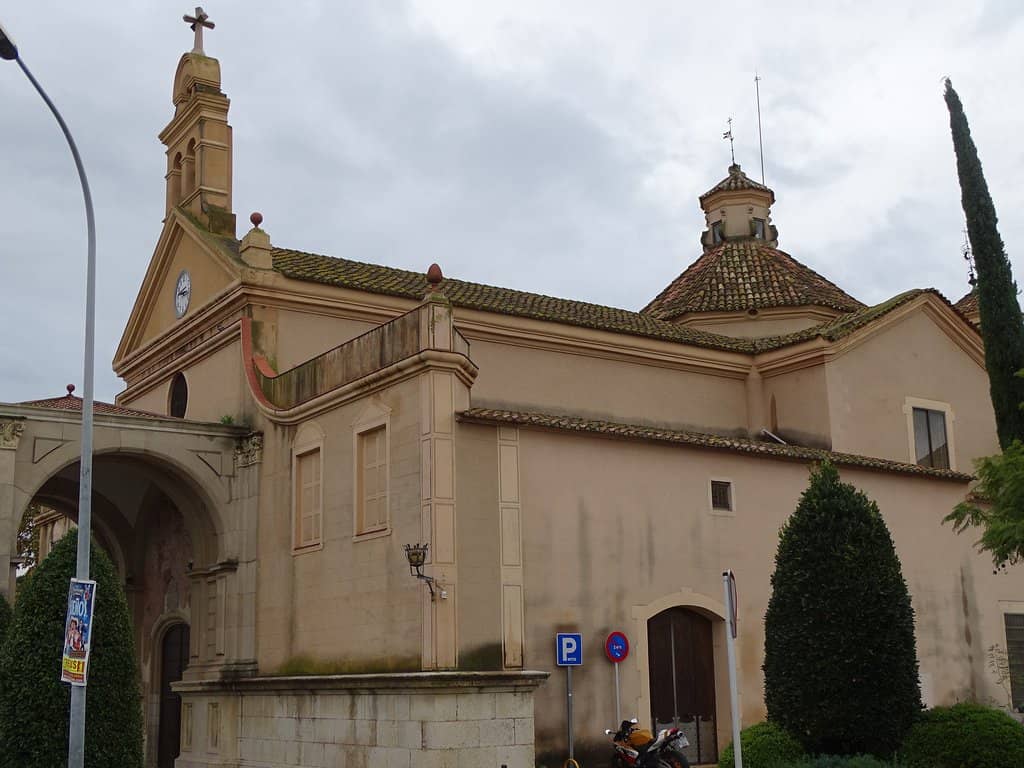
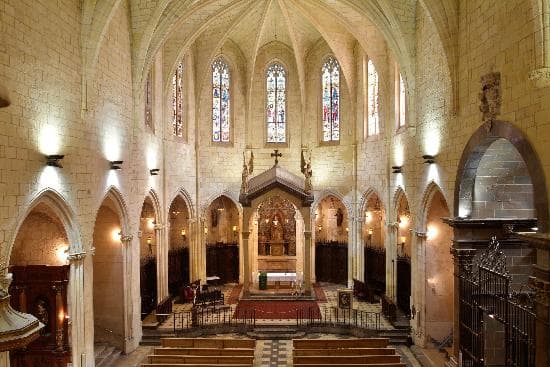
The sanctuary showcases a blend of Baroque and Neoclassical architectural styles, with later Renaissance elements and interior frescoes. :building_construction:
Photography is usually permitted, but it's important to be respectful, especially during services. Avoid flash photography and be mindful of other visitors. :iphone:
The sanctuary is a center for devotion to the Virgin Mary, particularly linked to the apparition story. Pilgrimages and special masses are common. :candle:
This chapel is a key part of the sanctuary, built on the exact spot where the Virgin Mary is said to have appeared to a shepherdess named Isabel Besora. :starofdavid:
🍽️ 🍽️ Food & Dining
While the immediate vicinity might have limited options, Reus city center offers a wide array of restaurants, cafes, and tapas bars to enjoy local Catalan cuisine. :forkandknife:
Picnicking is generally not permitted within the sanctuary grounds themselves, but you might find suitable spots in nearby parks or designated areas outside the immediate sacred space. :sandwich:
📸 📸 Photography
The exterior architecture, the interior frescoes, and the Chapel of the Virgin of Bethlehem are prime spots. The surrounding landscape also offers scenic views. :camera:
Drone usage is typically restricted in religious sites and populated areas due to privacy and safety regulations. It's best to assume it's not allowed unless explicitly permitted. :noentrysign:
For Different Travelers
Tailored advice for your travel style
Pilgrims and Devout Visitors

It's advisable to check the sanctuary's schedule for special pilgrimage days or events, as these can be particularly meaningful times to visit. Remember to dress modestly and maintain a respectful demeanor throughout your visit, honoring the sacred nature of the site.
History and Architecture Enthusiasts
Take your time to explore the different sections of the sanctuary, paying attention to the details in the stonework, the layout, and the artistic decorations. The story of the apparition and the subsequent construction provides a rich historical narrative that complements the visual experience.
Deep Dives
In-depth insights and expert knowledge
History and Significance
The architectural evolution of the sanctuary reflects its long history. Initially built in the Renaissance style, it later incorporated elements of Baroque and Neoclassical architecture through subsequent renovations. The interior is a testament to Catalan artistic talent, adorned with impressive frescoes by artists such as Josep Franquet, Joaquim Juncosa, and Joan Juncosa. While Antoni Gaudí was once commissioned for a remodeling, his daring style was deemed too avant-garde for the time. The sanctuary celebrated the centenary of the Virgin's coronation in 2004, marking another significant milestone in its enduring legacy.
Beyond its historical and architectural merits, the Santuari de la Misericòrdia is a living place of faith. It continues to attract pilgrims and visitors seeking spiritual solace and connection. The site's importance is further highlighted by its role in local religious life, with regular masses and special events drawing communities together. Its enduring presence makes it a cornerstone of Reus's cultural and religious landscape.
Architectural Highlights
Inside, the sanctuary is renowned for its artistic embellishments. The walls and ceilings are adorned with vibrant frescoes created by notable Catalan artists, including Josep Franquet, Joaquim Juncosa, and Joan Juncosa. These artworks not only enhance the spiritual atmosphere but also showcase the artistic achievements of their respective eras. The main altar and interior spaces are designed to inspire reverence and contemplation, making it a significant site for both religious devotion and appreciation of art.
While the sanctuary's current form is a result of historical development, it's interesting to note that Antoni Gaudí was once considered for a remodeling project. His proposed designs, however, were deemed too daring for the period, highlighting the sanctuary's more traditional architectural trajectory. This detail adds another layer to understanding the sanctuary's evolution and its place within Catalan architectural history.
Social
from TikTok, Instagram & Reddit