Corrales de Rota Natural Monument
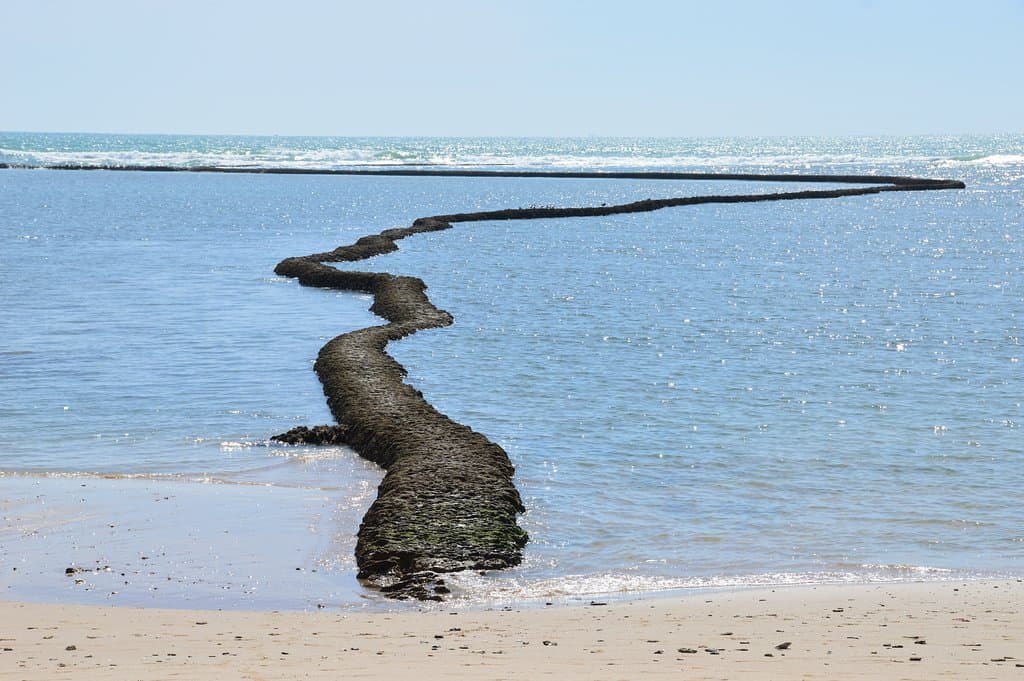
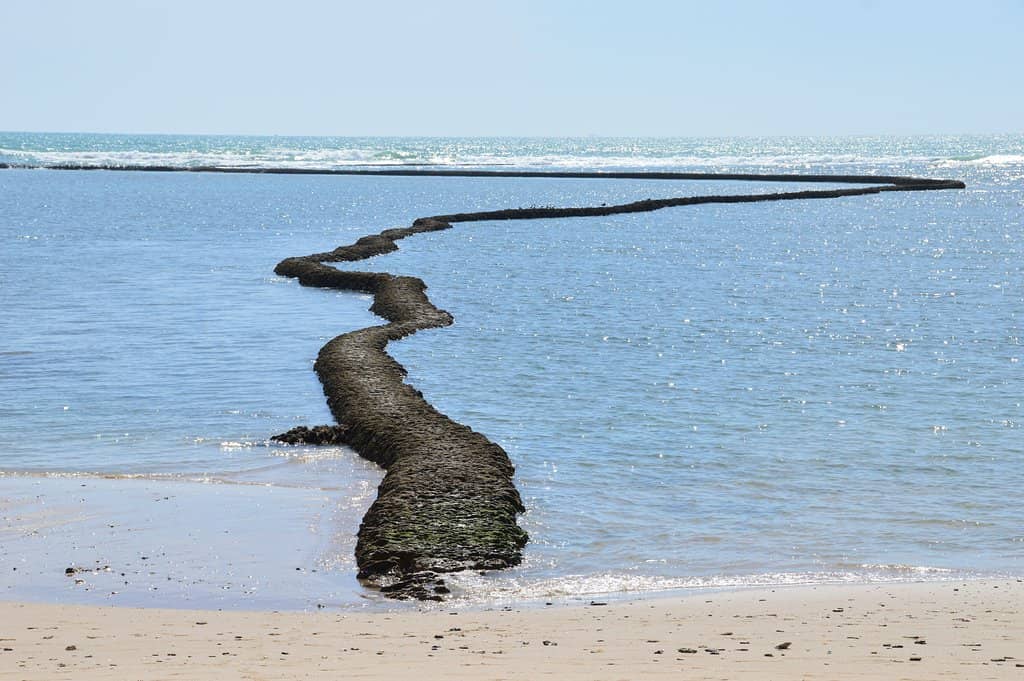
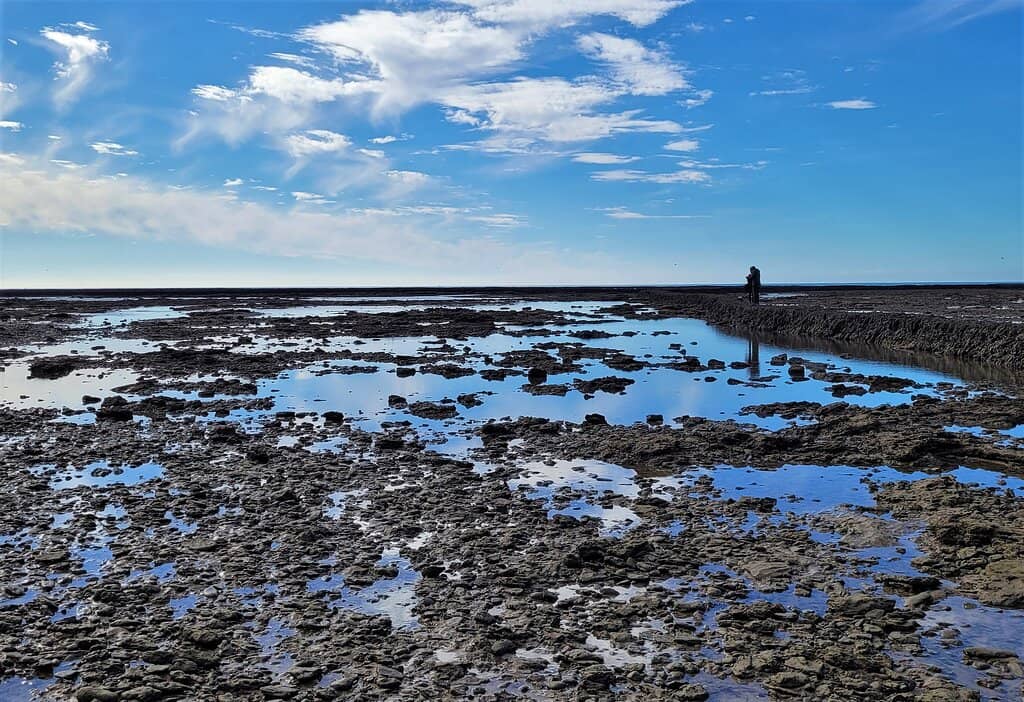
Ancient sandstone fish corrals on the coast of Rota, revealing marine life at low tide. A living monument to centuries-old fishing traditions.
Highlights
Must-see attractions

Social
From TikTok & Reddit
Best Time
Corrals are visible and accessible
Corrales de Rota Natural Monument
Best Time
Corrals are visible and accessible
Highlights
Must-see attractions
Ancient sandstone fish corrals on the coast of Rota, revealing marine life at low tide. A living monument to centuries-old fishing traditions.
"Crazy that they are still working and in use after thousands of years, a unique and accessible part of ancient history."

Check the Tide Times ⏰
Always check local tide charts before visiting. The corrals are only visible and accessible at low tide.
Wear Sturdy Footwear 👟
The terrain can be uneven and slippery. Wear shoes with good grip for exploring the corrals safely.
Highlights
Discover the most iconic attractions and experiences
Ancient Fish Corrals
Along the coastline
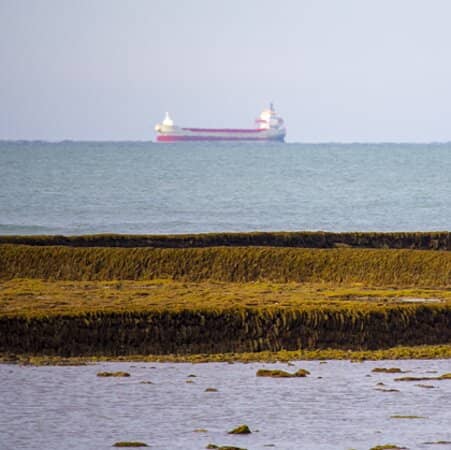
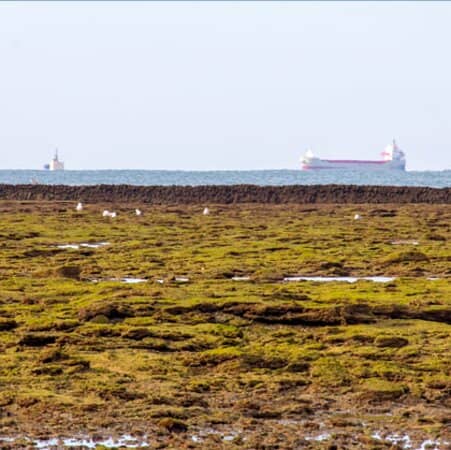
Witness millennia-old sandstone structures that trap marine life as the tide recedes. A unique glimpse into ancient fishing practices.
Marine Life Encounters
Within the corrals
Discover a variety of sea creatures, from common fish to rare sightings like butterfly rays, revealed by the receding tide.
Traditional Fishing Techniques
Near the corrals
Observe or learn about traditional fishing methods like using the 'atarraya' (cast net), a practice centuries old.
Plans like a pro.
Thinks like you
Planning Your Visit
Timing is Everything: Low Tide is Key
Respect the Ecosystem: Tread Lightly
Best Times
Insider Tips
from TikTok, Instagram & Reddit
Check the Tide Times ⏰
Always check local tide charts before visiting. The corrals are only visible and accessible at low tide.
Wear Sturdy Footwear 👟
The terrain can be uneven and slippery. Wear shoes with good grip for exploring the corrals safely.
Leave No Trace 🌿
If you lift a stone to look underneath, always put it back exactly as you found it to protect marine life.
Observe Wildlife Respectfully 🐠
Enjoy the marine life, but avoid disturbing the animals or their habitat. Rare sightings like butterfly rays are special.
Tips
from all over the internet
Check the Tide Times ⏰
Always check local tide charts before visiting. The corrals are only visible and accessible at low tide.
Wear Sturdy Footwear 👟
The terrain can be uneven and slippery. Wear shoes with good grip for exploring the corrals safely.
Leave No Trace 🌿
If you lift a stone to look underneath, always put it back exactly as you found it to protect marine life.
Observe Wildlife Respectfully 🐠
Enjoy the marine life, but avoid disturbing the animals or their habitat. Rare sightings like butterfly rays are special.
Explore the 'Polvorines' 🗿
Discover the 'Polvorines,' remnants of old structures, and learn about their history.
What Travellers Say
Reviews Summary
Visitors consistently praise the Corrales de Rota for their unique historical significance and the fascinating glimpse they offer into ancient fishing practices. The opportunity to see marine life up close during low tide is a major highlight, and many find the location to be a peaceful and beautiful spot. Some visitors note that the visibility of the corrals is entirely dependent on the tide, which requires careful planning.
"Hadn’t heard of these before arriving in Rota, but they are definitely worth a visit. There are signs/plaques at most of the beach entrances that go into more detail about them and it’s an interesting read. We went the beach around high tide first and really didn’t notice them, but go around low tide and it’s an awesome sight. Crazy that they are still working and in use after thousands of years, a unique and accessible part of ancient history"
Brisippus
"One of most favorite paces to visit. All small woodend roads that lead to the ocean. And above only trees. Magic place"
Tomas Vertanauskas
"This place brings me so much peace when I'm having a tough day. It's a beautiful spot to do yoga across from as well. Free mediation session."
Tashana Fustino
What People Like
What People Dislike
Frequently Asked Questions
🚇 🗺️ Getting There
The Corrales de Rota are located along the coastline of Rota, Spain. Access is typically from the beaches. Many small wooden roads lead to the ocean, offering access points. Parking may be available near the beach entrances.
Information on direct public transport to the immediate vicinity of the corrals can be limited. It's often best to reach Rota town first and then find local transport or walk to the beach access points.
Access is generally from the beaches of Rota. Signs or plaques at beach entrances often provide details about the corrals. Exploring along the coastline during low tide will reveal them.
No, the Corrales de Rota are only visible and accessible during low tide. Always check the tide schedule before planning your visit.
Yes, but it's important to wear appropriate footwear with good grip as the surfaces can be slippery and uneven. Be mindful of the receding tide to avoid getting cut off.
🎫 🎫 Tickets & Entry
The Corrales de Rota Natural Monument is generally accessible without an entrance fee, as it's part of the natural coastline. However, guided tours may have associated costs.
As a natural monument, there are no set opening hours. Access is dictated by the tides. You can only visit when the tide is low.
Yes, guided tours are often available and highly recommended to understand the history and ecology of the corrals. Check local tourism information for booking details.
Typically, there is no admission fee to access the natural monument itself. It's a public coastal area.
Night visits are possible during low tide, and can offer a magical experience with the moon. However, ensure you have adequate lighting and are aware of your surroundings.
🎫 🧭 Onsite Experience
The best way is to visit during low tide and walk among the corrals. Look for signs and plaques that explain their history and significance. Be prepared for uneven terrain.
You can see various fish trapped by the tide, such as sargos. Rare sightings like butterfly rays have also been recorded. +2
Yes, children can enjoy exploring the corrals during low tide, but adult supervision is essential due to the slippery surfaces and water.
Bring water, sun protection (hat, sunscreen), sturdy footwear, and a camera. A small bag for any trash you might generate is also recommended.
It's crucial not to disturb the environment. If you lift a stone to look, always return it exactly as you found it to protect marine life.
📸 📸 Photography
Early morning or late afternoon often provides the best light for photography, with softer shadows and warmer tones.
The intricate patterns of the sandstone corrals themselves, the marine life within them, and the coastal landscape during low tide are all highly photogenic.
Drone usage may be restricted in natural monument areas. Check local regulations before flying a drone. Some creators have captured aerial views.
Photographing the unique marine life trapped in the corrals, the ancient stonework, and the dramatic coastal scenery at low tide are prime opportunities. +1
Consider a wide-angle lens for landscapes and a macro lens for close-ups of marine life. Adjust settings for changing light conditions during low tide.
For Different Travelers
Tailored advice for your travel style
👨👩👧 Families with Kids
Encourage children to be curious but respectful. Teach them the importance of not disturbing the marine life and always putting stones back exactly where they found them.
🧘♀️ Peace Seekers & Nature Lovers
Consider visiting during early morning or late afternoon for softer light and fewer crowds, enhancing the peaceful ambiance.
📸 Photographers & Content Creators
Capture the intricate details of the ancient stonework, the diverse marine life trapped in the pools,
Deep Dives
In-depth insights and expert knowledge
The History and Function of the Corrales
These corrals are not just historical artifacts; they are still actively used by local fishermen, known as 'corraleros.' Their work involves not only fishing but also the maintenance of these ancient structures. They use traditional techniques, stone by stone, to ensure the corrals remain functional and preserved. This living heritage is a crucial aspect of the monument's identity, showcasing a sustainable practice that has endured for generations.
Recent efforts have focused on the sustainability of this practice. The Corrales de Rota have even received a Sustainable Tourism Certificate, highlighting the commitment to preserving this unique natural and cultural heritage.
Discovering the Rich Biodiversity
Beyond the common inhabitants, the corrals sometimes host rarer visitors. One remarkable sighting, captured in videos, is the butterfly ray (Raja undulata).
Exploring the corrals is like peering into a miniature underwater world. It's a chance to witness the interconnectedness of marine life and the environment. Responsible exploration, such as not disturbing the stones, is vital to ensure these habitats continue to thrive for future generations.
Responsible Tourism and Conservation
This commitment to conservation is not just about individual actions but also about community efforts. 'Corraleros' actively maintain the ancient walls using traditional methods, ensuring the corrals continue to function and endure.
When exploring, remember that you are a guest in a natural monument. Avoid loud noises, do not feed the animals, and take all your litter with you. By adhering to these guidelines, you contribute to the long-term health and accessibility of the Corrales de Rota for everyone to enjoy.


Social
from TikTok, Instagram & Reddit