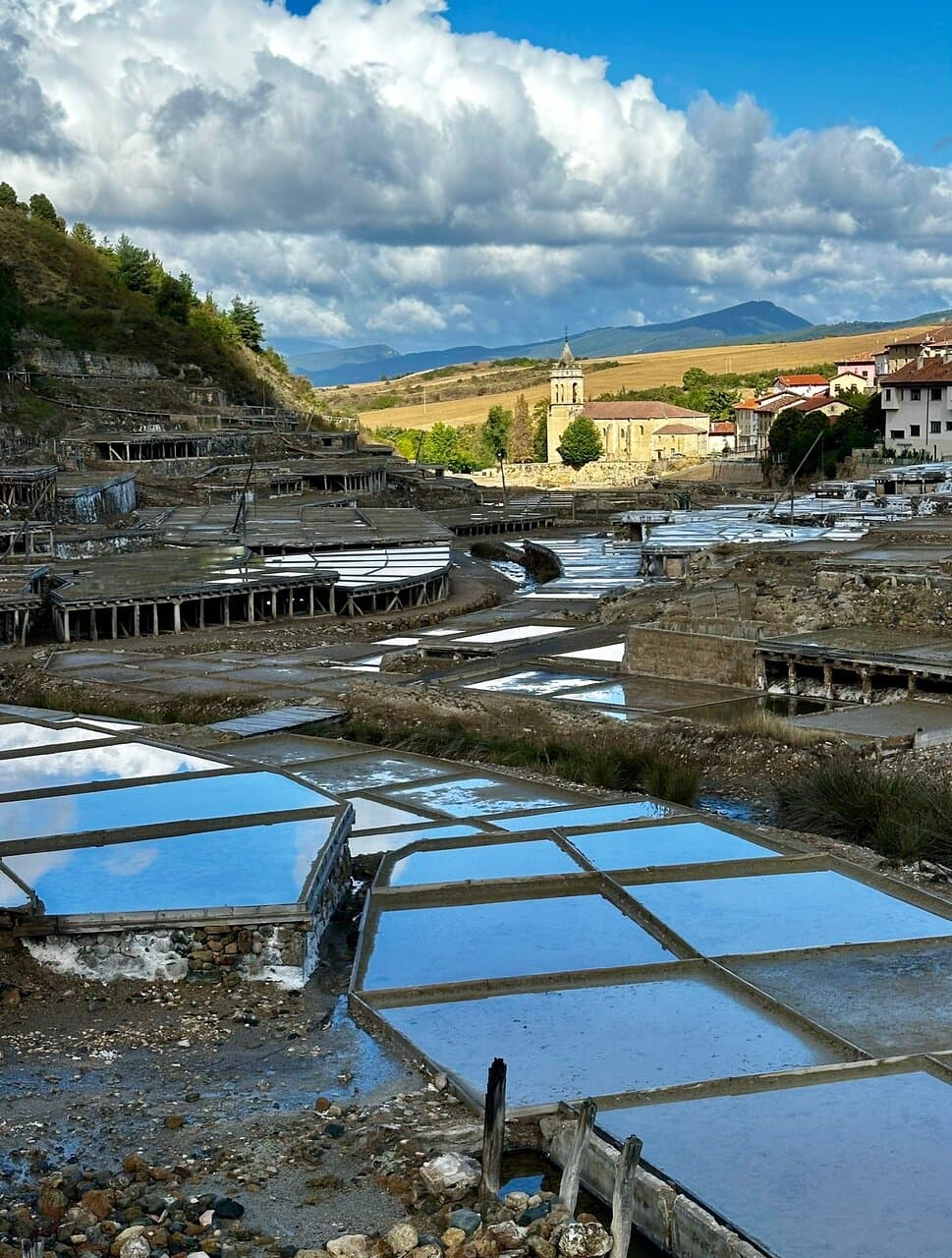
Salt Valley of Añana (Salinas de Añana)
Explore 7,000+ years of history at the Salt Valley of Añana, a unique site of ancient salt production with guided tours, a salt spa, and workshops.
Highlights
Must-see attractions

Social
From TikTok & Reddit
Best Time
Best evaporation for salt production
Salt Valley of Añana (Salinas de Añana)
Best Time
Best evaporation for salt production
Highlights
Must-see attractions
Explore 7,000+ years of history at the Salt Valley of Añana, a unique site of ancient salt production with guided tours, a salt spa, and workshops.
"A magical place where history comes alive — humans have been harvesting salt here for over 7,000 years!"
Book Guided Tours
Essential for understanding the history. Many tours offer English options.
Wear Comfortable Shoes
You'll be walking on uneven terrain. Sturdy footwear is a must for exploring the valley.
Quick Facts
Hours
Rating
4.7 · 6,664 reviews
Type
Tourist Attraction
When to Get the Most Out of It
A simple guide to picking the right window
From People Who've Been
lessons from people who learned the hard way
Book Guided Tours
Essential for understanding the history. Many tours offer English options.
Wear Comfortable Shoes
You'll be walking on uneven terrain. Sturdy footwear is a must for exploring the valley.
Check Spa Water Temperature
The open-air spa pools are not heated, so be prepared for a refreshing dip!
Buy Local Salt
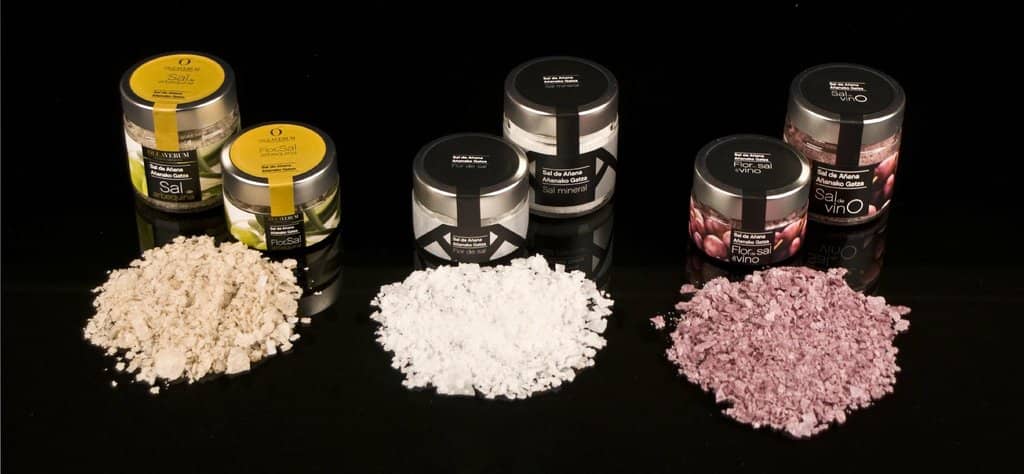
Take home the unique 'white gold' of Añana. Quality salt is available for purchase.
Tips
from all over the internet
Book Guided Tours
Essential for understanding the history. Many tours offer English options.
Wear Comfortable Shoes
You'll be walking on uneven terrain. Sturdy footwear is a must for exploring the valley.
Check Spa Water Temperature
The open-air spa pools are not heated, so be prepared for a refreshing dip!
Buy Local Salt
Take home the unique 'white gold' of Añana. Quality salt is available for purchase.
Consider a Full Day Trip
Combine a valley tour with a spa visit and tasting for a complete experience.
Standout Attractions
A snapshot of the best this place offers
Ancient Salt Pans
The main salt flats
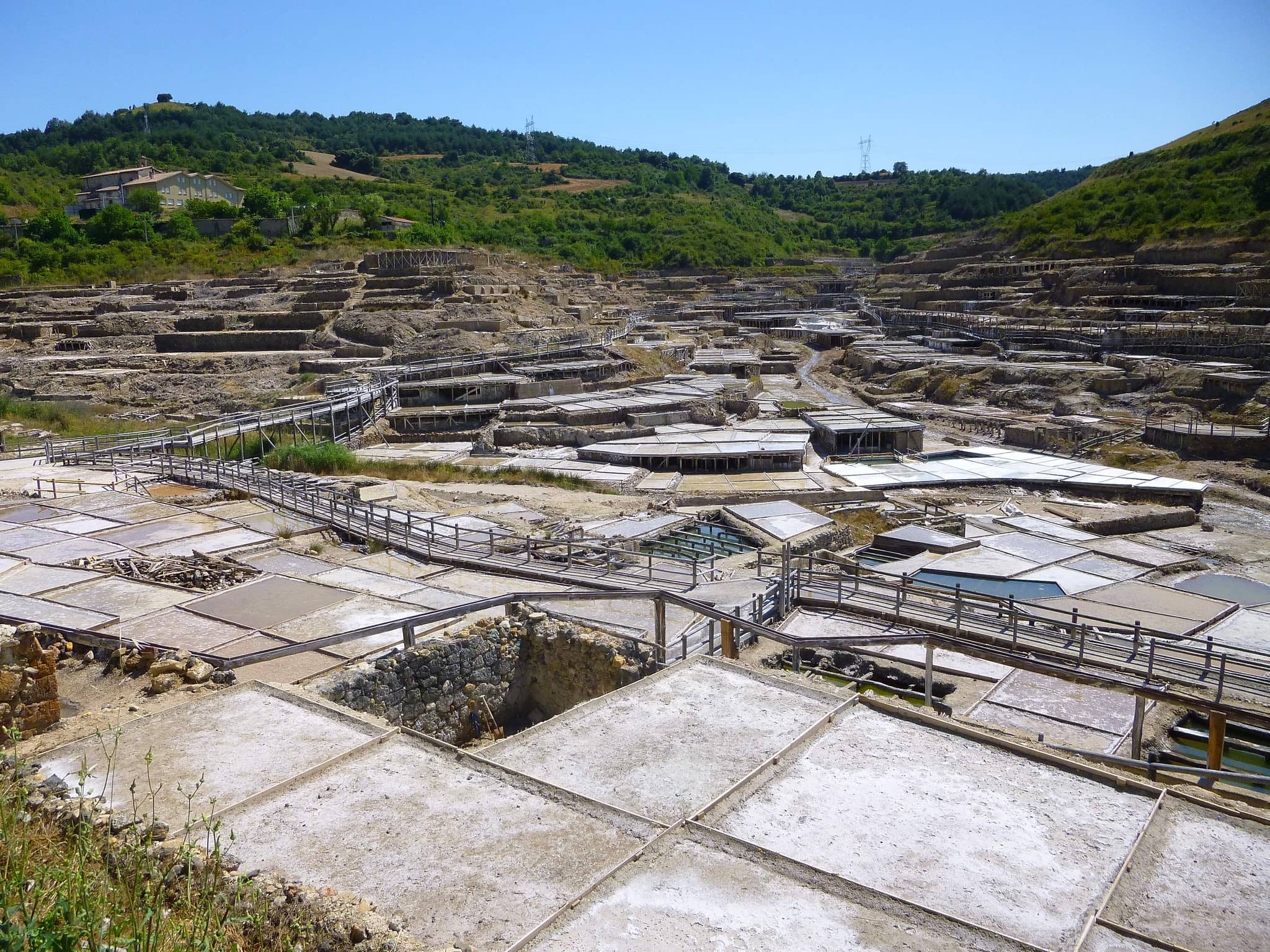
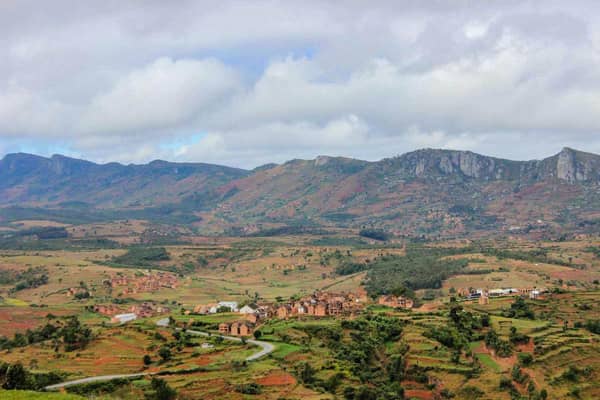
Witness a landscape shaped by 7,000+ years of salt harvesting. Wooden channels and terraces create a unique, historical spectacle.
Guided Historical Tours
Visitor center and throughout the valley
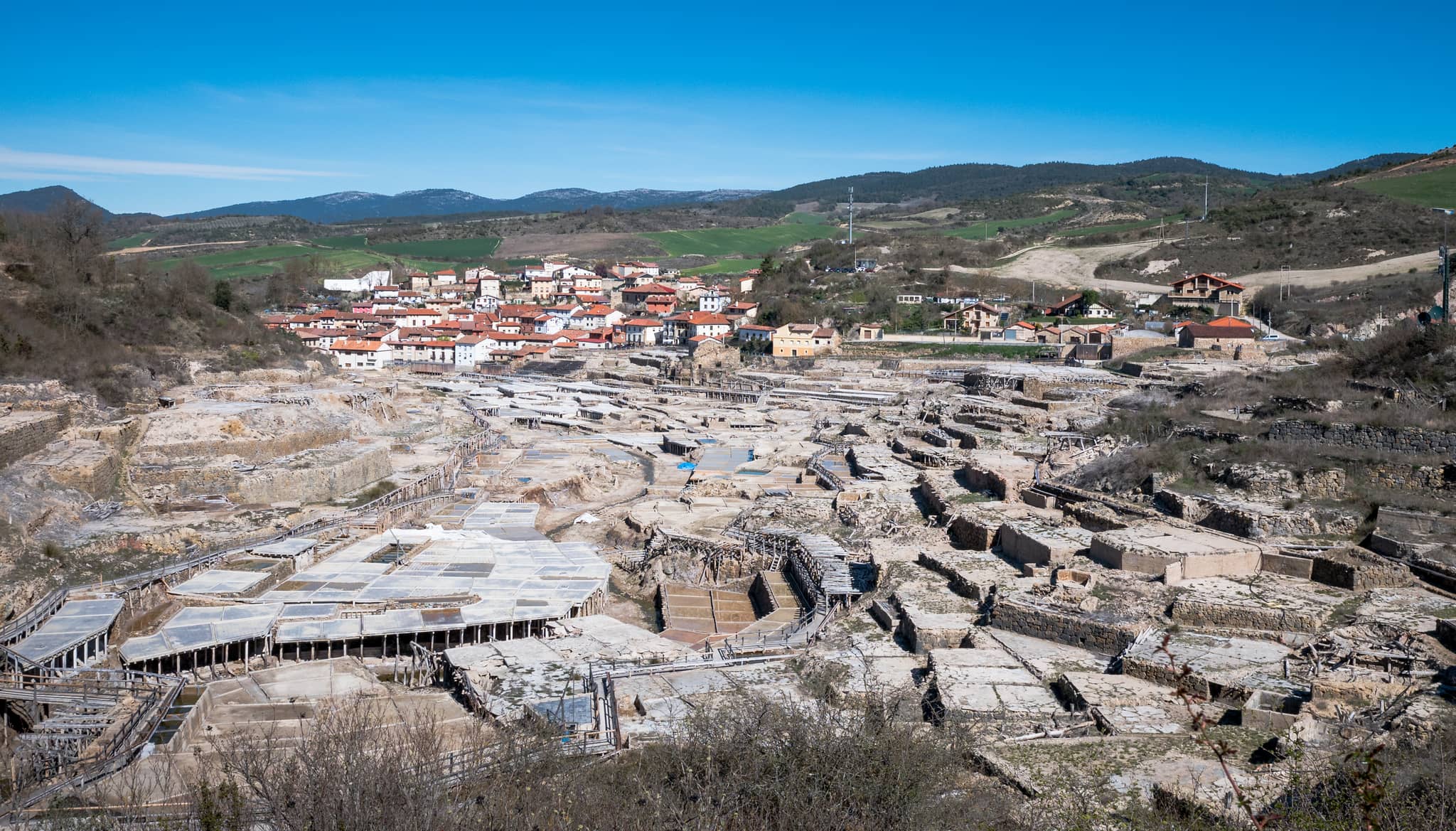
Immerse yourself in the history of 'white gold.' Tours explain traditional methods and the site's Neolithic origins.
Open-Air Spa Experience
Designated spa area
Relax in the mineral-rich waters of the salt flats. A unique way to experience the therapeutic properties of the salt.
Salt Tasting and Workshops
Visitor center and workshops
Discover the nuances of different salt varieties. Participate in workshops to learn about salt production and culinary uses.
Visit Feedback
Reviews Summary
Visitors consistently praise the Salt Valley of Añana as a 'hidden treasure' and 'unforgettable experience.' They highlight the deep history, the fascinating traditional salt production methods, and the engaging guided tours. The unique landscape and the opportunity to taste and even collect salt are major draws. Some visitors found the spa waters unheated and noted the travel time and potential tolls from further afield as minor drawbacks.
"What a great hidden treasure. We learned so
Much of this Neolithic place. So much history and so much heritage and culture. Lovely people and great vibe. Definitely worth a visit"
Fadoua Govaerts
"This is must see attraction if you’re in this area. The tour guide was excellent explaining everything in English and took us back in time. Very interesting site and history."
Gabor Voros
"We recetly visited this Salt Valley. We requested English tour. It was very professinal and very informative. The site is huge. Very impressive how the salt was produced in the past centuries.
I would highly recommend to visit. It worth it. You can buy quality salt too."
Tunde Slezak
What People Like
What People Dislike
The Practical Stuff
Plan once, enjoy the whole visit
Book Your Visit in Advance
Understand the Salt Harvesting Cycle
Plans like a pro.
Thinks like you
Visitor FAQs
🚇 🗺️ Getting There
The Salt Valley of Añana is best reached by car. It's located in the province of Alava, Basque Country, Spain. From Vitoria-Gasteiz, it's about a 30-40 minute drive. Public transport options are limited, so renting a car is often the most convenient way to visit.
Yes, there is parking available for visitors near the entrance and visitor center. It's generally ample, but can fill up during peak times.
Yes, it's possible to visit as a day trip, though it will be a long day. The drive from Bilbao is approximately 1.5 hours, and from San Sebastian, it's about 2 hours. Consider combining it with other attractions in the Alava region.
If you don't have a car, you can take a bus to a nearby town like Pipaon or Espejo and then arrange a taxi or local transport to the Salt Valley. However, this requires careful planning and may not be as straightforward.
Depending on your starting point, you may encounter tolls on the highways leading to the Alava region. For example, driving from Logroño involves tolls.
🎫 🎫 Tickets & Entry
Ticket prices vary depending on the type of tour or experience you choose. Standard guided tours are reasonably priced, with options for virtual reality, tasting, and workshops costing a bit more. Check the official website for current pricing.
It is highly recommended to book your tickets and tours in advance, especially if you want to participate in specific experiences or visit during busy periods. This guarantees your spot and helps the organizers manage visitor numbers.
Opening hours can vary seasonally and are dependent on tour schedules. It's best to check the official Salt Valley of Añana website for the most up-to-date information on operating hours and tour availability.
Yes, the Salt Valley offers various tour options, including general guided tours, virtual reality experiences, salt tasting sessions, and workshops. They also offer adapted visits for people with reduced mobility.
Absolutely! You can purchase the high-quality, traditional salt produced at the Salt Valley from their on-site shop. It makes for a unique souvenir or gift.
🎫 🧭 Onsite Experience
You can take guided tours to learn about the history and traditional salt production, relax in the open-air salt spa, participate in salt tasting workshops, and purchase local salt. The landscape itself is a major attraction. 
Yes, the Salt Valley is very family-friendly. Children can enjoy the interactive tours, the unique landscape, and the opportunity to learn about ancient traditions in a hands-on way.
Wear comfortable walking shoes as the terrain can be uneven. Light, breathable clothing is recommended, especially during warmer months. Sun protection like a hat and sunscreen is also advisable.
Some tours or workshops may offer the opportunity to collect salt yourself, allowing you to experience the process firsthand. Check the specific tour details when booking.
Yes, the Salt Valley offers adapted visits for people with reduced mobility, ensuring that everyone can experience this unique site. It's best to inquire about these specific options when booking.
🍽️ 🍽️ Food & Dining
While there might be limited snack options or a small cafe at the visitor center, it's advisable to plan for meals outside the immediate site. The nearby villages or Vitoria-Gasteiz offer a wider range of dining experiences.
Picnic areas may be available, but it's best to confirm with the visitor center upon arrival. Enjoying local cuisine in nearby towns is also a great way to experience the Basque culinary scene.
The Alava region, like the rest of the Basque Country, is renowned for its exceptional gastronomy. Expect delicious pintxos (tapas), fresh seafood, quality meats, and local wines like Rioja Alavesa.
The Salt Valley is surrounded by charming villages. Exploring these areas will lead you to traditional Basque restaurants. For a renowned culinary experience, consider restaurants like Elkano Jatetxea, which has ties to the Salt Valley's ambassador program.
Yes, salt tasting sessions are often part of the guided tours or available as separate experiences. This allows you to appreciate the distinct flavors and qualities of the Añana salt.
📸 📸 Photography
The entire landscape is incredibly photogenic, from the intricate wooden channels and terraces to the glistening salt pans. The contrast of white salt against the blue sky and surrounding landscape is stunning.
Early morning or late afternoon light often provides the most dramatic and beautiful lighting for photographs, creating interesting shadows and highlighting the textures of the salt pans.
Drone usage is typically restricted in protected natural areas and historical sites to preserve the environment and visitor experience. It's best to check the official regulations before flying a drone.
Yes, photography is generally permitted during guided tours, allowing you to capture the unique aspects of the salt valley. However, be mindful of your guide and other visitors.
Focus on the intricate details of the wooden structures, the patterns of the salt crystals, panoramic views of the valley, and shots that convey the vastness of history. Capturing the interplay of water and salt is also key.
Similar Spots

Mercado de Abastos
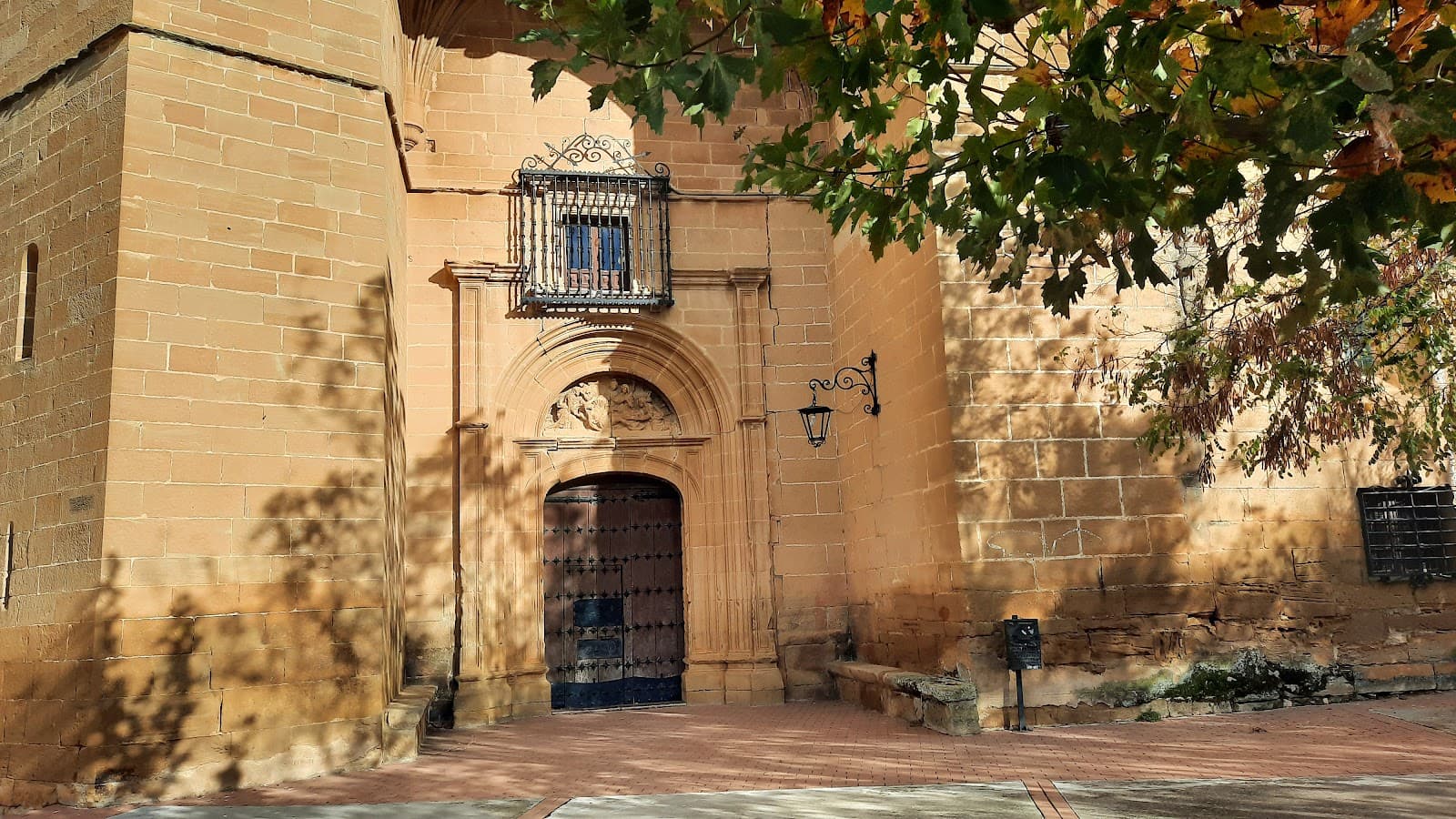
Laguardia Spain

Quejana Ayala Historic Complex

Rioja Alavesa Wine Region

Iruña-Veleia Archaeological Site
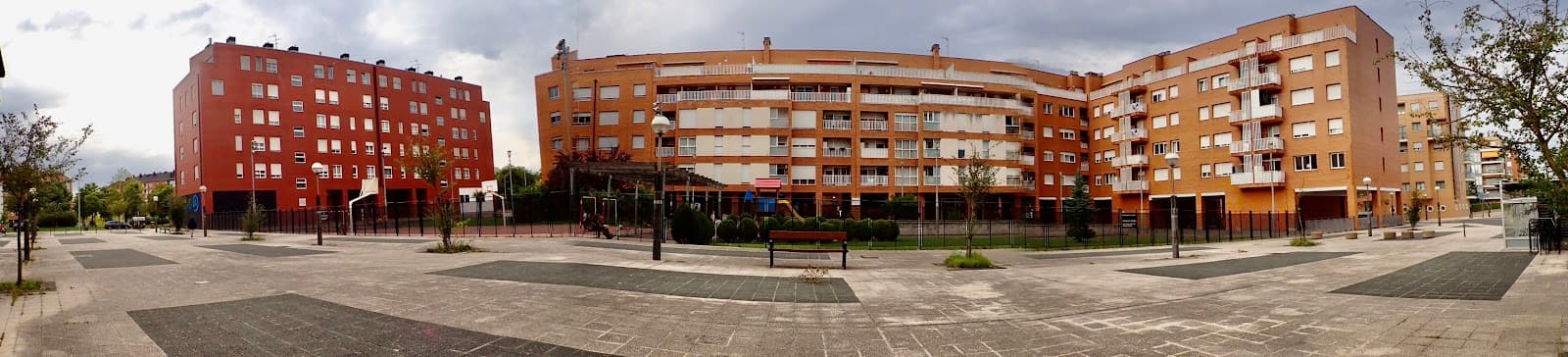
Lakua Vitoria-Gasteiz
Mercado de Abastos
Laguardia Spain
Quejana Ayala Historic Complex
Rioja Alavesa Wine Region
Iruña-Veleia Archaeological Site
Lakua Vitoria-Gasteiz

Ullibarri-Gamboa Reservoir

Plaza de la Virgen Blanca Vitoria-Gasteiz
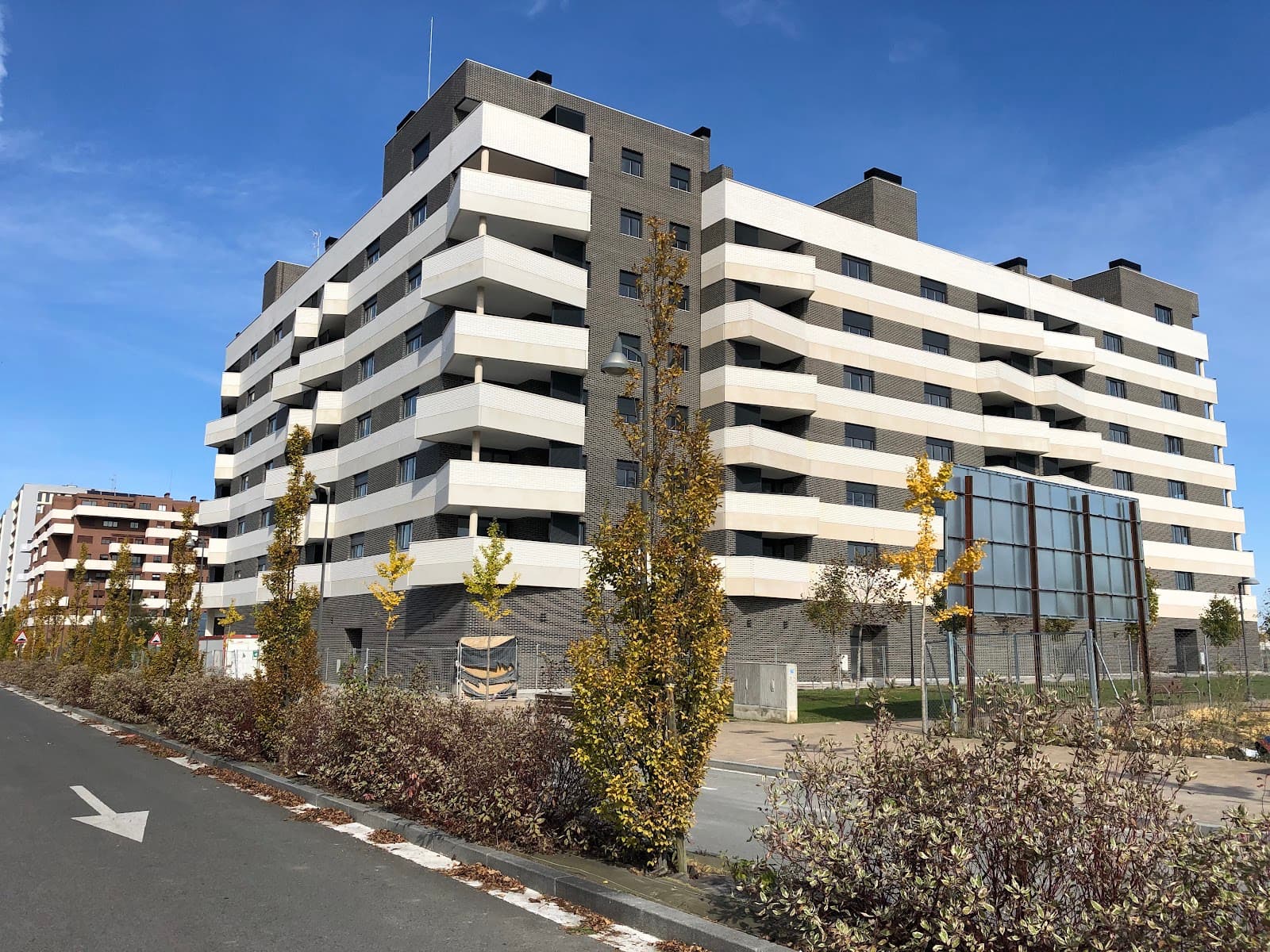
Olarizu Park and Hill Vitoria-Gasteiz
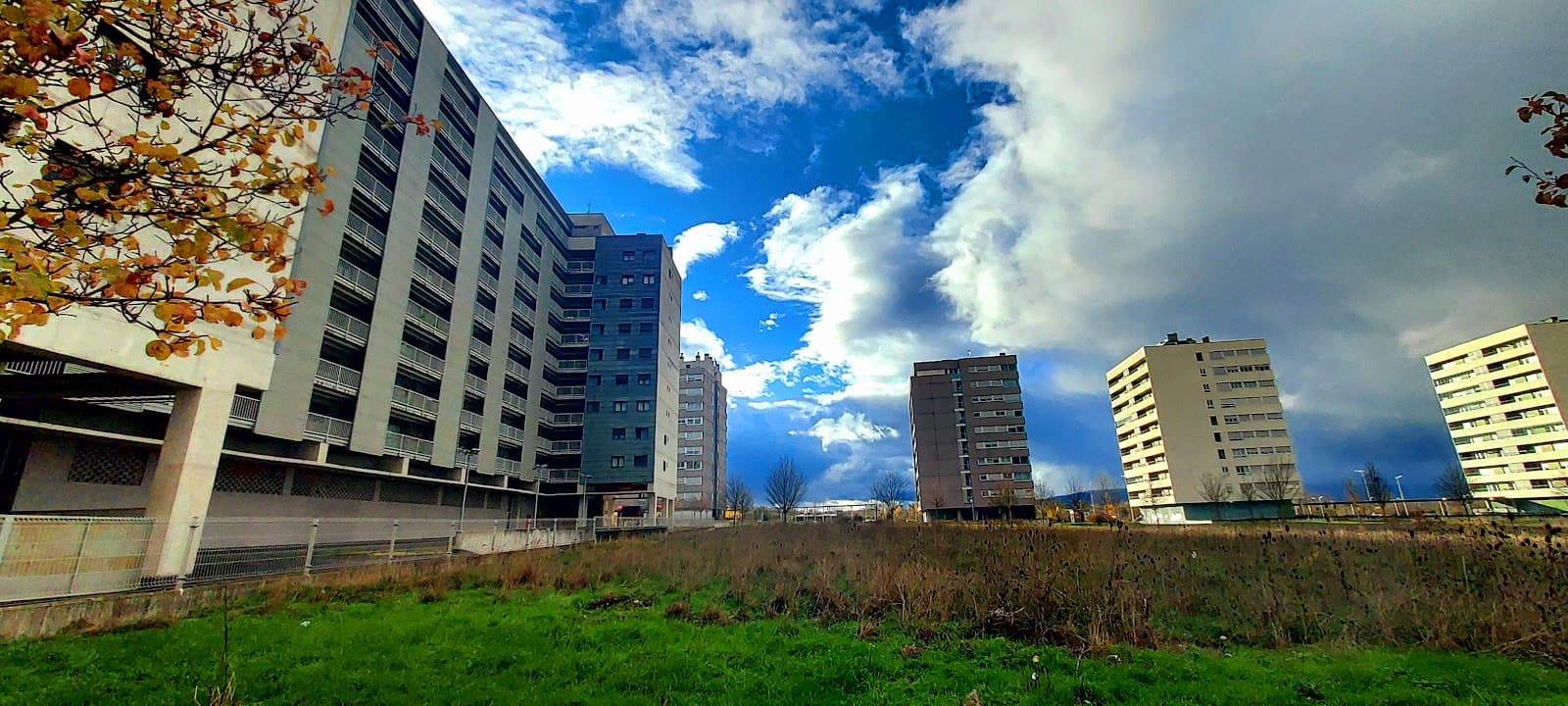
Zabalgana Vitoria-Gasteiz

UPV/EHU Álava Campus

Social
from TikTok, Instagram & Reddit