Romanesque Churches San Esteban
Discover Castile's Romanesque heart in San Esteban de Gormaz, home to the oldest porticoed church and stunning 11th-century art.
Highlights
Must-see attractions

Social
From TikTok & Reddit
Best Time
Likely to have guided tours
Romanesque Churches San Esteban
Best Time
Likely to have guided tours
Highlights
Must-see attractions
Discover Castile's Romanesque heart in San Esteban de Gormaz, home to the oldest porticoed church and stunning 11th-century art.
"An extraordinary example of Romanesque art with a marvelous portico filled with details to admire."
Check Opening Hours ⏰
Confirm visiting times, especially outside peak season, as closures can occur.
Guided Tours Enhance Visit 🗣️
Engage with guides like Carla for delightful explanations and deeper insights.
Highlights
Discover the most iconic attractions and experiences
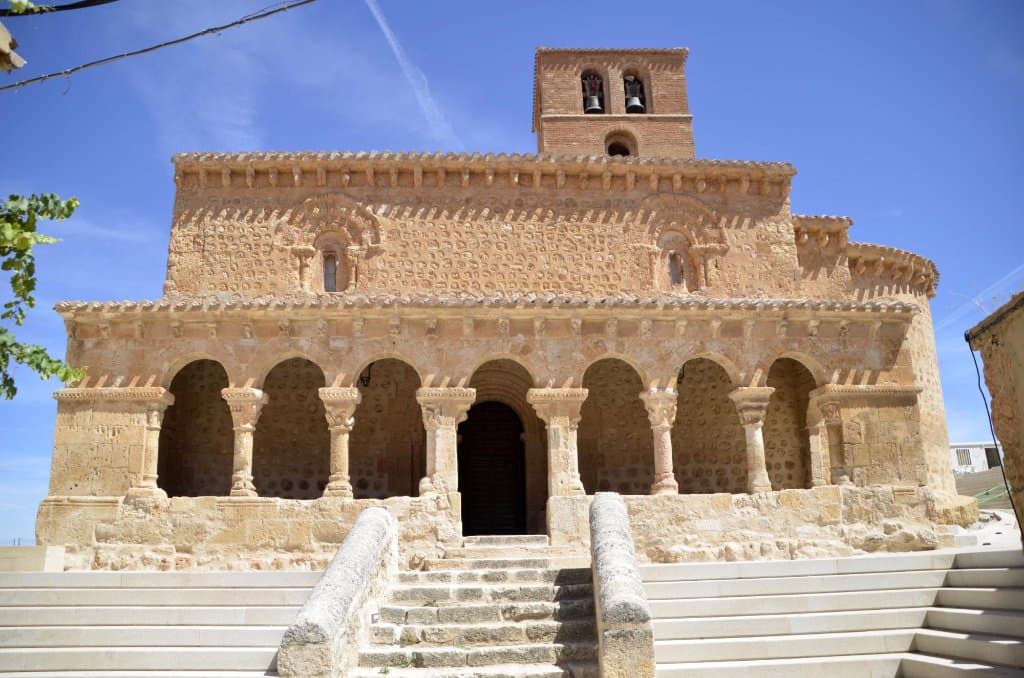
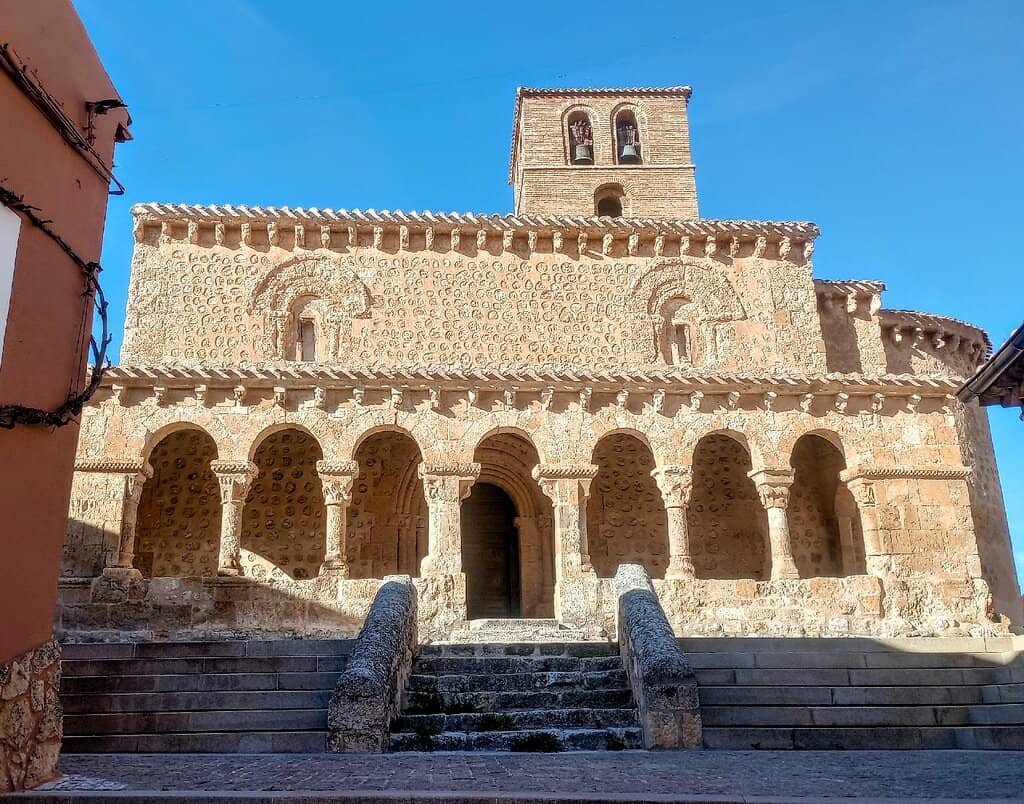
Spectacular Portico
Church of San Miguel
Admire the oldest porticoed gallery in Castile, adorned with intricate corbels, capitals, and columns.
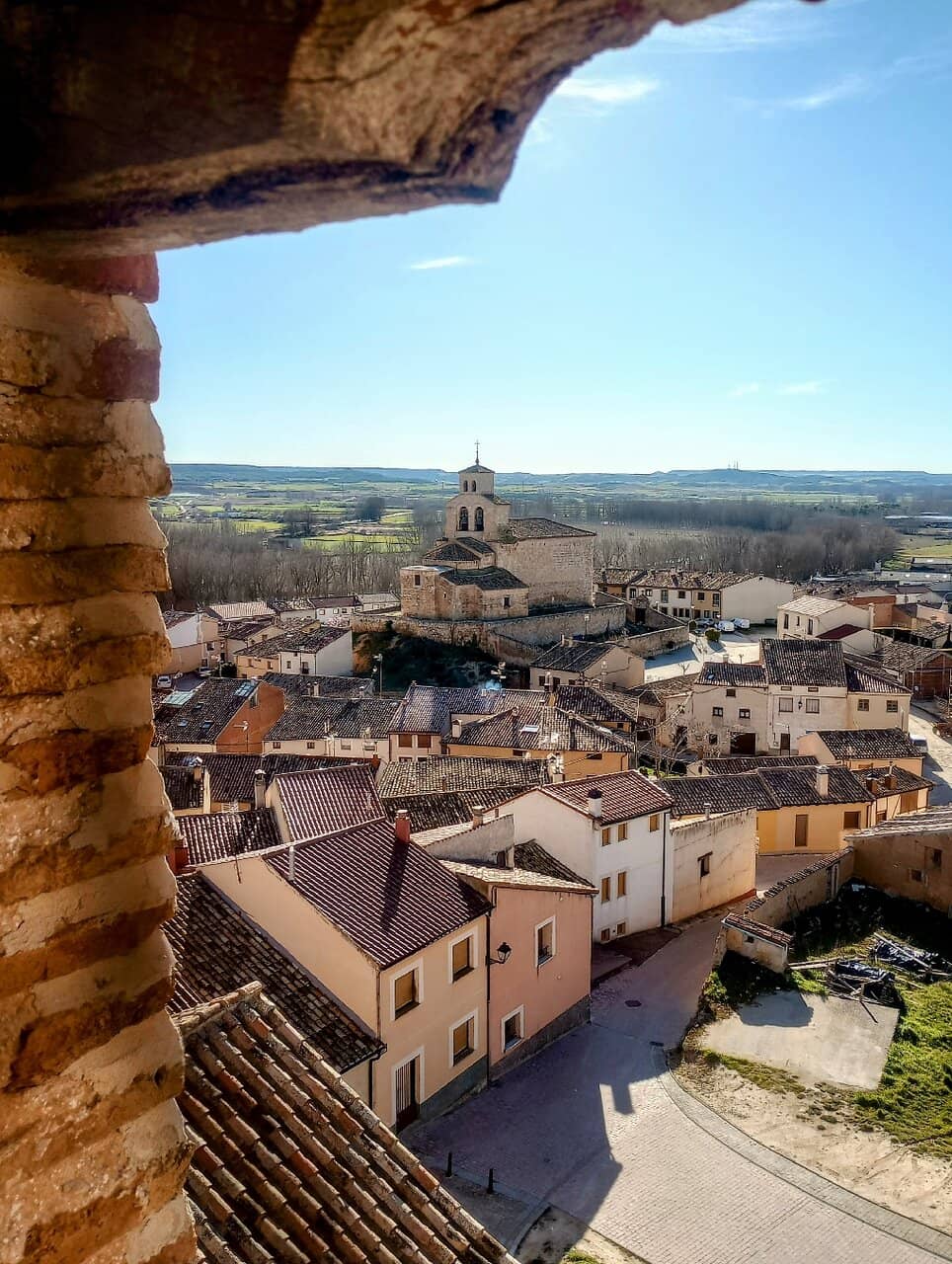
Historic Nave
Church of San Miguel
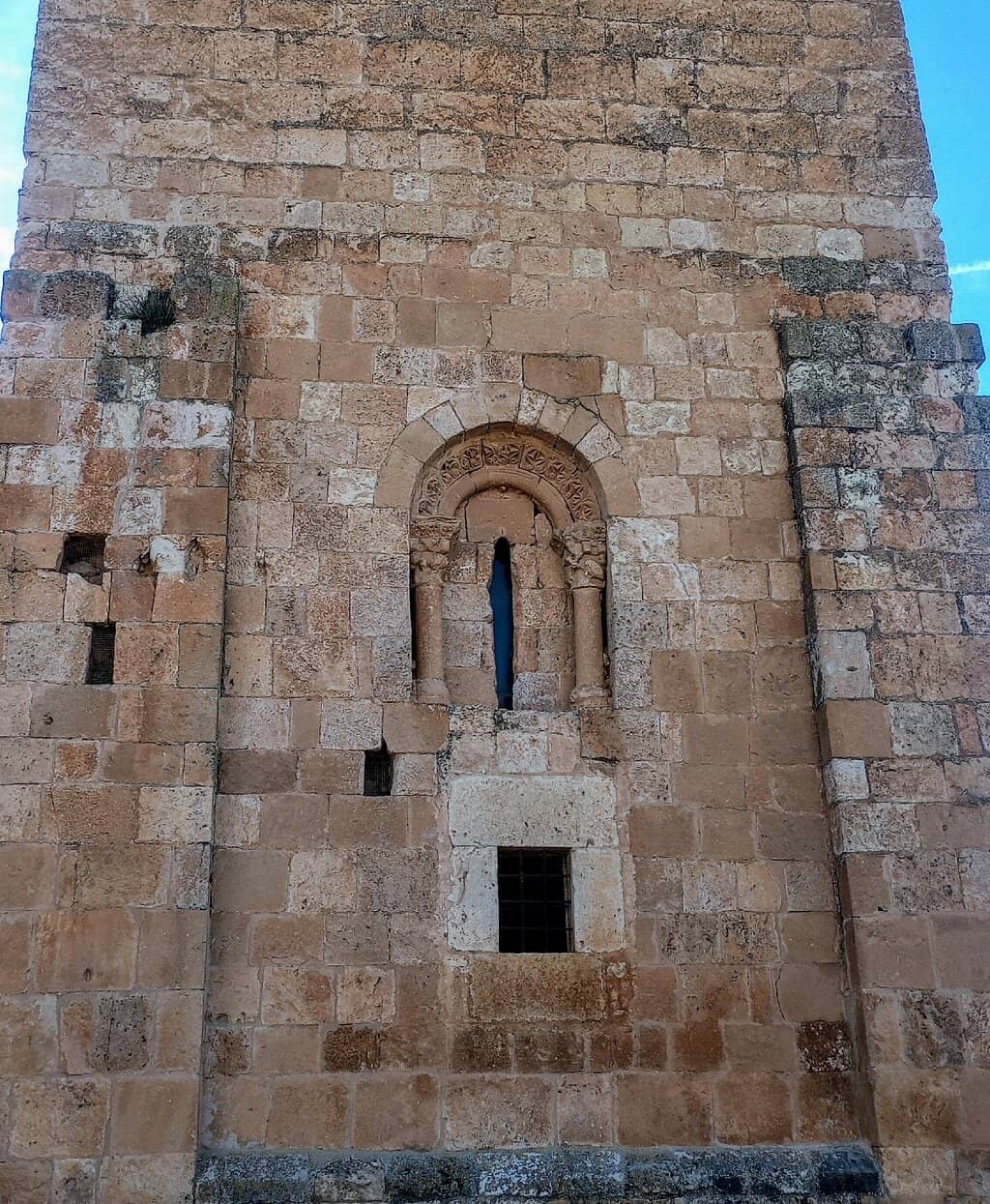
Experience the sober, authentic nave, a true representation of 11th-century Romanesque architecture.
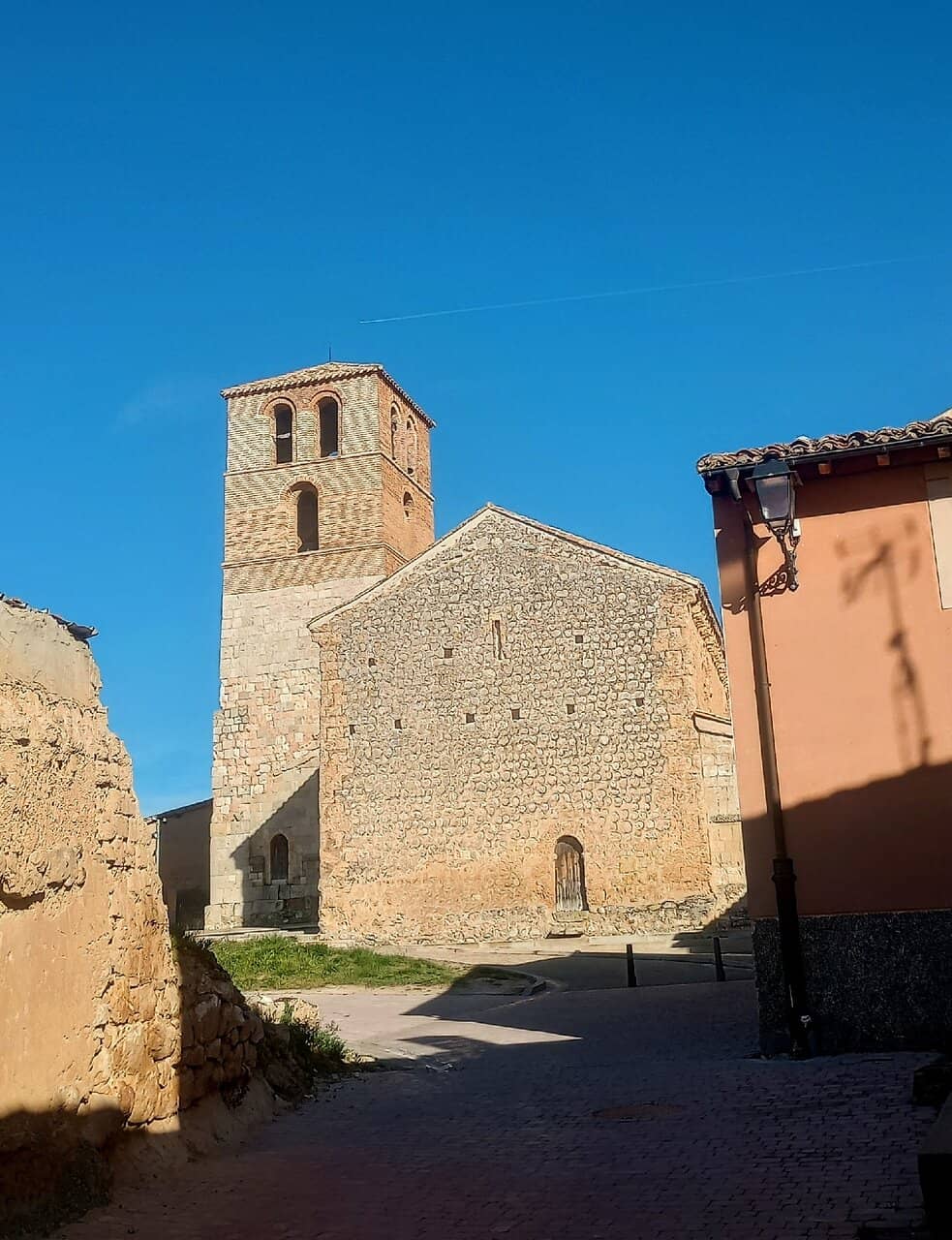
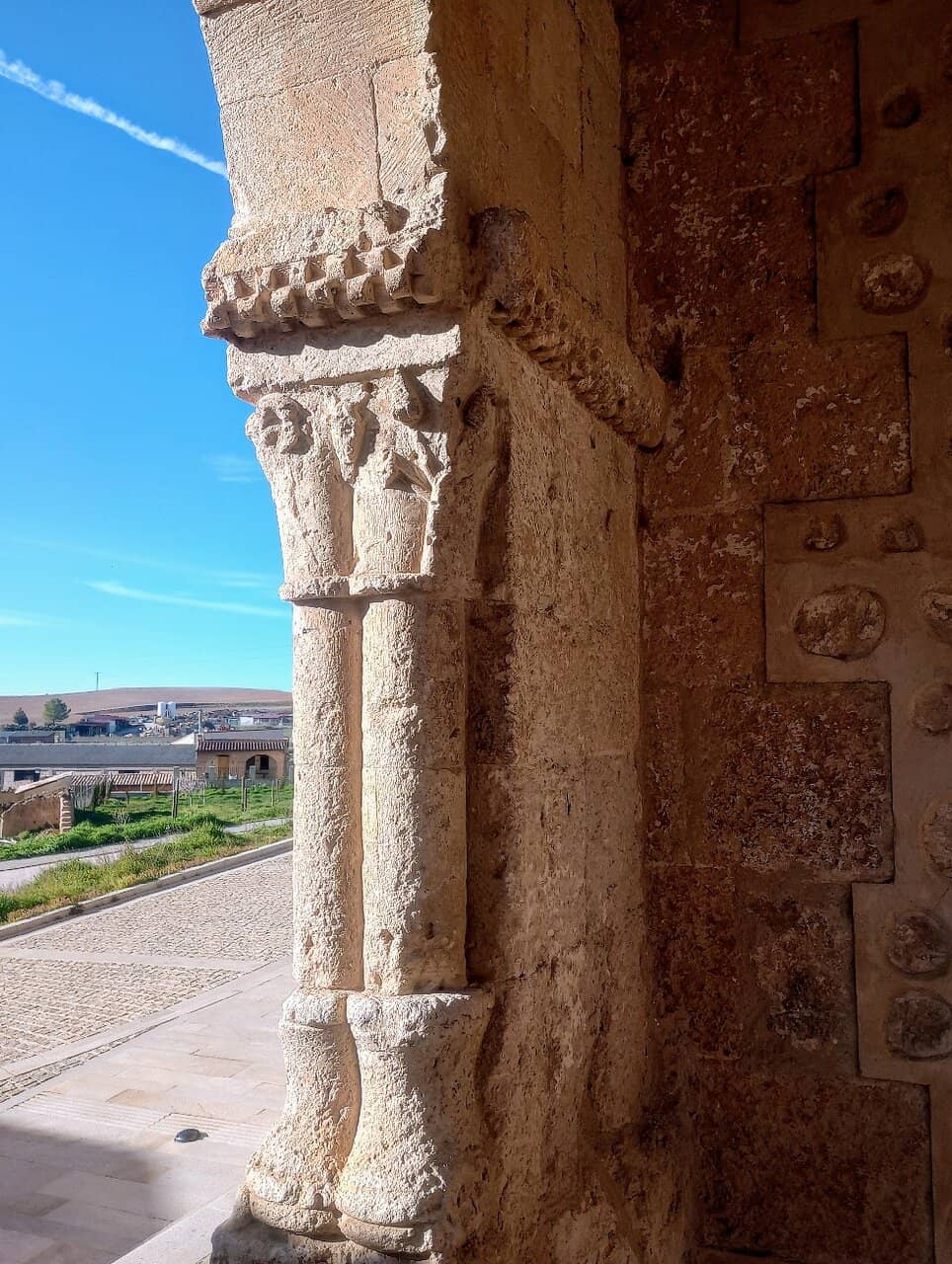
Detailed Carvings
Church of San Miguel
Discover the rich narrative within the stone, from biblical scenes to daily life depicted in the carvings.
Plans like a pro.
Thinks like you
Planning Your Visit
Timing Your Visit
Understanding the Art
Best Times
Insider Tips
from TikTok, Instagram & Reddit
Check Opening Hours ⏰
Confirm visiting times, especially outside peak season, as closures can occur.
Guided Tours Enhance Visit 🗣️
Engage with guides like Carla for delightful explanations and deeper insights.
Admire the Portico First ✨
The unique portico is a highlight, showcasing the oldest in Castile. +1
Explore the Interior 🏛️
Don't miss the sober yet historically significant nave and apse. +1
Tips
from all over the internet
Check Opening Hours ⏰
Confirm visiting times, especially outside peak season, as closures can occur.
Guided Tours Enhance Visit 🗣️
Engage with guides like Carla for delightful explanations and deeper insights.
Admire the Portico First ✨
The unique portico is a highlight, showcasing the oldest in Castile. +1
Explore the Interior 🏛️
Don't miss the sober yet historically significant nave and apse. +1
What Travellers Say
Reviews Summary
Visitors praise the Romanesque churches in San Esteban de Gormaz, particularly the Church of San Miguel, for their extraordinary Romanesque art and well-preserved architecture. The spectacular portico, with its detailed carvings, is a major highlight, and guided explanations are highly valued for enriching the experience. While some found the church closed during their visit, the overall impression is of a well-maintained historical gem.
"An extraordinary example of Romanesque art. A marvelous portico with corbels, capitals, and columns filled with details to admire, and a sober nave typical of 21st-century Romanesque architecture. The apse is also interesting. A highlight is the delightful explanation given by Carla, who greets you upon arrival, which made our visit a pleasure."
Colmillo Blanco
"We were only able to see it from the outside, it was closed in September, but it looks very well restored, it is one of the most beautiful Romanesque churches."
Magdalena Vidal
"A Romanesque church that has been little modified, making it practically the original building from the 11th century. It is the first porticoed church in the province."
Peser
What People Like
What People Dislike
Frequently Asked Questions
🚇 🗺️ Getting There
San Esteban de Gormaz is located in the province of Soria, Spain. The most common way to reach it is by car, offering flexibility to explore the region. Public transport options might be limited, so checking bus schedules in advance is recommended.
Yes, driving is the most convenient way to access San Esteban de Gormaz and its Romanesque churches. The roads are generally well-maintained, and parking is usually available near the main sites.
Exploring by car allows you to easily visit San Miguel and other nearby Romanesque sites at your own pace. Consider a guided tour for deeper historical context.
🎫 🎫 Tickets & Entry
Opening hours can vary, and some visitors have reported closures, especially in September. It's crucial to check the latest schedule before your visit.
Advance ticket purchase is not typically required, but confirming opening times is essential. Some guided tours may have specific schedules.
Yes, guided tours are often available and highly recommended. Guides like Carla provide excellent explanations that significantly enhance the visitor experience.
While specific fee information can vary, many historical sites have a small entrance fee or donation request. It's best to inquire locally or check official tourism websites.
Even if the interior is closed, you can often admire the exterior architecture, including the impressive portico, as some visitors have done.
🎫 🏛️ Onsite Experience
These churches, particularly San Miguel, are significant for their well-preserved Romanesque architecture, featuring the oldest porticoed gallery in Castile and detailed 11th-century carvings. +1
Focus on the sober nave, the detailed capitals and corbels on the portico, and the historical narrative depicted in the stone carvings. +1
Absolutely! Guides offer invaluable context and stories that bring the history and art to life, making the visit much more enriching.
These churches represent a crucial period in Spanish history, reflecting the Reconquista and the spread of Romanesque art and architecture.
The Romanesque churches in San Esteban de Gormaz are generally reported to be very well maintained and restored.
📸 📸 Photography
The intricately carved portico of San Miguel offers numerous stunning photographic opportunities. The exterior architecture and surrounding landscape also provide great shots.

Photography rules can vary. It's advisable to check for any restrictions inside the churches, especially regarding flash photography, to preserve the artwork.
Natural daylight is ideal for capturing the details of the carvings. Consider visiting during the 'golden hours' for softer, more dramatic lighting on the exterior.
The detailed capitals, corbels, and column sculptures on the portico are exceptional subjects. The unique structure of the portico itself is also a key photographic element.
Use wide-angle shots to encompass the entire portico or church facade. Including a person in the frame can also help convey the scale.
For Different Travelers
Tailored advice for your travel style
👨👩👧 Families with Kids
It's advisable to check opening hours beforehand to ensure access, and a guided tour can make the experience more interactive and informative for both adults and children. Bringing a small notebook for kids to sketch their favorite carvings might also add an element of fun to the visit.
🏛️ History Buffs & Art Enthusiasts
Delve into the iconography of the carvings, which offer insights into medieval religious beliefs, social structures, and artistic trends. The well-preserved nave and apse provide a clear example of the functional and spiritual design of 11th-century churches. Engaging with local guides or doing prior research on Romanesque art will greatly enhance the appreciation of these historical gems.
Deep Dives
In-depth insights and expert knowledge
The Significance of Romanesque Architecture
San Miguel church in San Esteban de Gormaz holds particular importance as it boasts the oldest porticoed gallery in Castile. This feature is not merely decorative but often served as a space for religious instruction and public gatherings. The detailed carvings found on the capitals, corbels, and tympanums are crucial elements, depicting biblical stories, saints, and sometimes even secular or fantastical scenes. These carvings acted as a 'Bible for the illiterate,' conveying religious narratives and moral lessons to the largely unlettered populace of the time.
Visiting these churches offers a tangible connection to Spain's medieval past, particularly during the period of the Reconquista. The art and architecture reflect the cultural exchanges and the evolving religious landscape of the Iberian Peninsula. Understanding the historical context, such as the process of reconquest mentioned in discussions, adds a profound layer to appreciating these ancient structures.
Exploring the Portico of San Miguel
Take your time to examine the corbels, capitals, and columns. Each one is a miniature sculpture, often depicting a range of subjects from biblical figures and saints to animals, mythical creatures, and scenes of daily life. These carvings are not only aesthetically impressive but also served as a visual catechism, educating the faithful about their religion and the world around them. The craftsmanship involved in creating such detailed works with the tools of the 11th century is truly remarkable.
Many visitors find the guided explanations particularly helpful in deciphering the iconography and understanding the historical significance of each carving. Engaging with a knowledgeable guide can transform a visual appreciation into a deeper historical and cultural understanding, making the portico a living testament to medieval faith and artistry.

Social
from TikTok, Instagram & Reddit