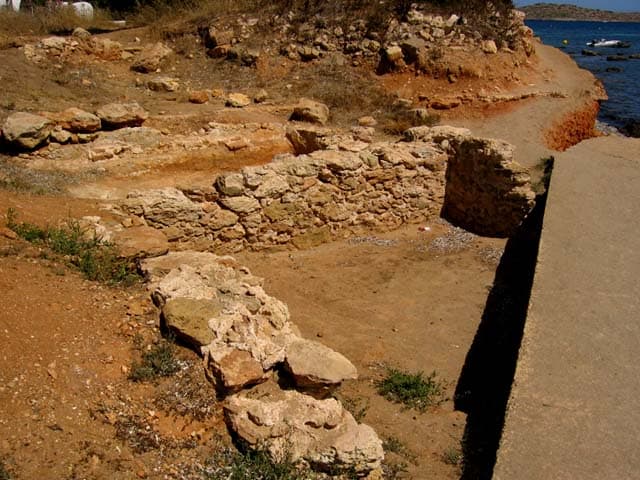
Roman Aqueduct S'Argamassa
A remarkably preserved Roman aqueduct and industrial complex, vital for ancient garum production, offering a glimpse into Ibiza's rich history.
Highlights
Must-see attractions

Social
From TikTok & Reddit
Best Time
Peaceful and reflective
Roman Aqueduct S'Argamassa
Best Time
Peaceful and reflective
Highlights
Must-see attractions
A remarkably preserved Roman aqueduct and industrial complex, vital for ancient garum production, offering a glimpse into Ibiza's rich history.
"A monument of extreme archaeological value, unique in the Balearic Islands, waiting to be fully appreciated. "
🧐 Understand the History
Research its past as an industrial complex for garum production to truly appreciate the site. 📚
🚶♂️ Walk the Full Length
Experience the aqueduct's journey from its source towards the sea for a complete perspective. :athletic_shoe:
Quick Facts
Rating
4.1 · 45 reviews
Type
Historical Landmark
Highlights
Discover the most iconic attractions and experiences
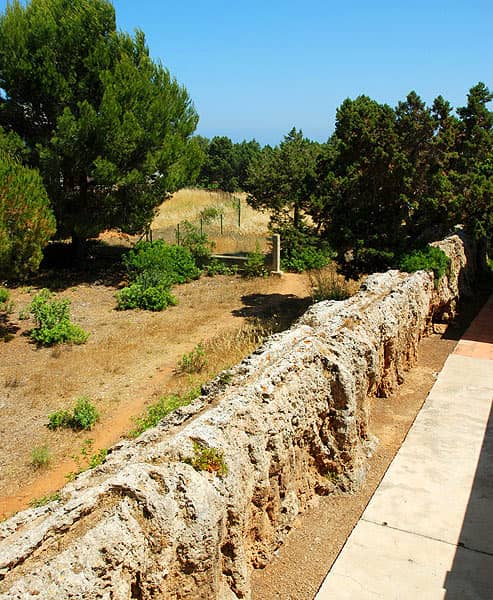
The 450m Aqueduct Wall
Open field, 15km from Ibiza Town
A remarkably preserved Roman aqueduct, a testament to ancient engineering and its role in garum production.
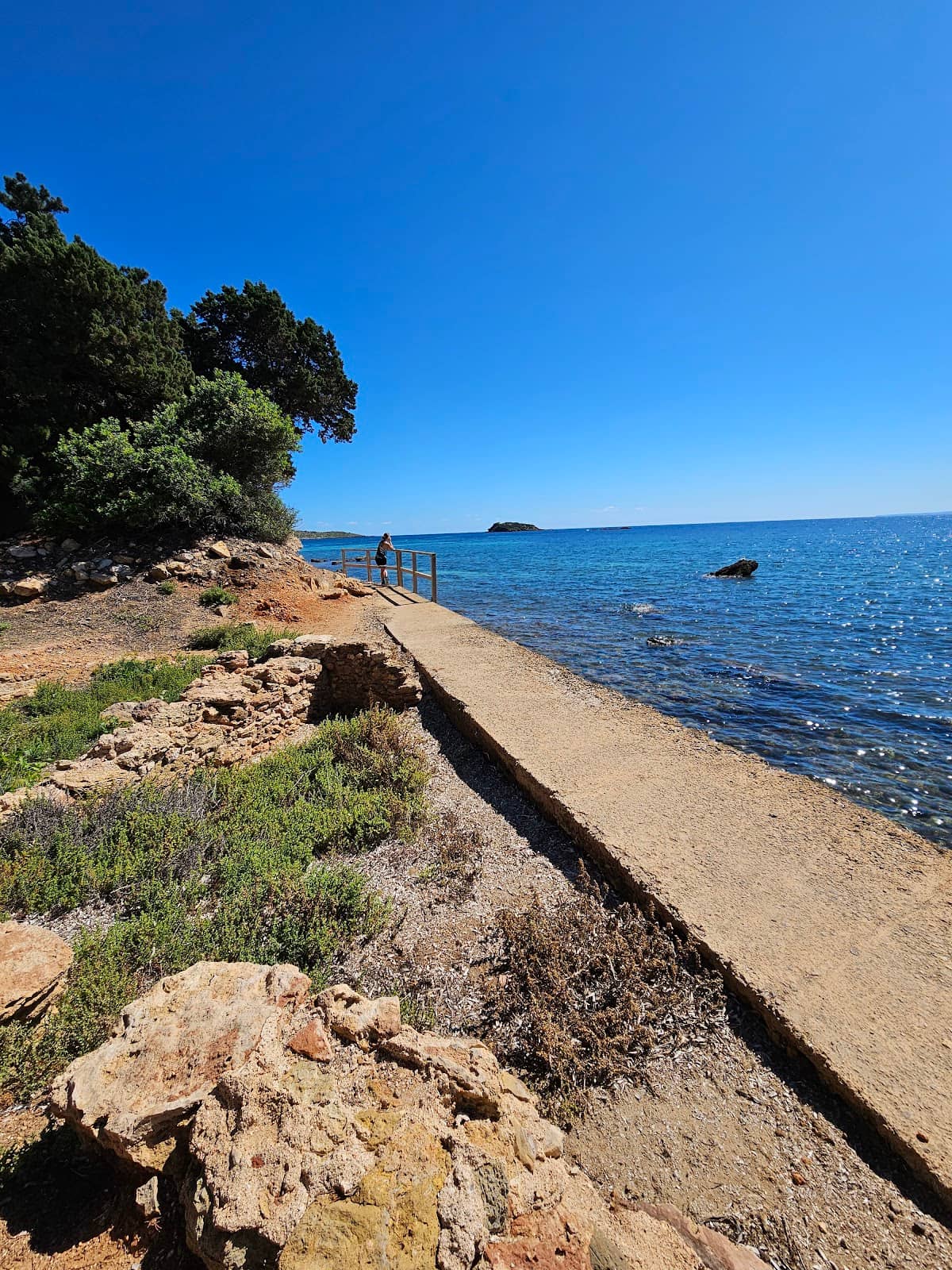
Approaching the Sea
End of the aqueduct near the coast
The aqueduct's path culminates beautifully near the sea, offering a scenic and historically rich vista.
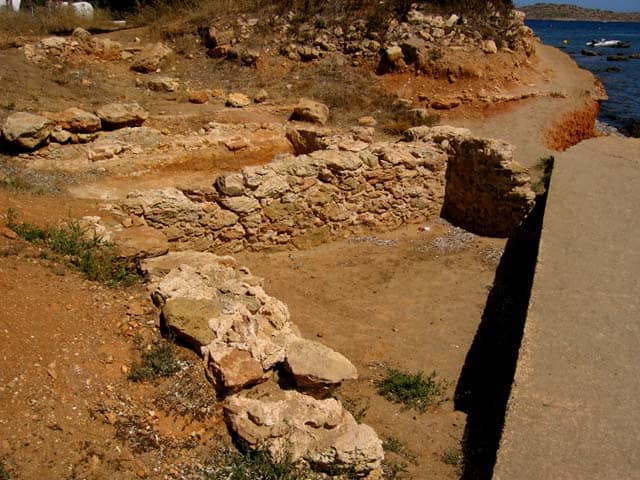
Visible Internal Channels
Sections of the aqueduct wall
Observe the superimposed conduits within the wall, revealing the aqueduct's functional design.
Plans like a pro.
Thinks like you
Planning Your Visit
Understand Its True Value
Manage Expectations
Best Times
Insider Tips
from TikTok, Instagram & Reddit
🧐 Understand the History
Research its past as an industrial complex for garum production to truly appreciate the site. 📚
🚶♂️ Walk the Full Length
Experience the aqueduct's journey from its source towards the sea for a complete perspective. :athletic_shoe:
🤔 Look for Internal Channels
Examine the wall closely to spot the superimposed conduits that carried water. :mag:
🙏 Support Preservation
Learn about efforts like Rasar Association to protect this unique heritage site. ❤️
Tips
from all over the internet
🧐 Understand the History
Research its past as an industrial complex for garum production to truly appreciate the site. 📚
🚶♂️ Walk the Full Length
Experience the aqueduct's journey from its source towards the sea for a complete perspective. :athletic_shoe:
🤔 Look for Internal Channels
Examine the wall closely to spot the superimposed conduits that carried water. :mag:
🙏 Support Preservation
Learn about efforts like Rasar Association to protect this unique heritage site. ❤️
What Travellers Say
Reviews Summary
Visitors find the Roman Aqueduct S'Argamassa to be a historically significant site, appreciating its ancient engineering and its past role in Roman industry, particularly garum production. However, some feel the site is under-maintained and lacks clear interpretation, leading to a less engaging experience for those not already familiar with its history. The proximity to the sea is noted as a beautiful aspect.
"A very nice place which hides more than what can be seen just with eyes. This mortar monument has resisted the wear of time, human miss use and abandon for thousands of years... But still there with a meaning, with a changing life and contributing to the energy of the place. A place which really uncovers its whole beauty when its real meaning and history is made evident. What at a glance may just look like a tired and ugly wall actually is an aqueduct which belonged to a whole industrial complex back in roman times... In a unique place which local authorities have not been able to understand and take enough care of... Hope this changes going forward so the locals and the white island can be also proud of this monument, its other archeological elements and the path along this piece of roman infrastructure..."
CS SP London
"15 kilometers from Ibiza Town, in an open field, there is a straight wall more than 400 meters long. It is so old that for centuries it has marked the division between the parishes of Sant Carles de Peralta and Santa Eulalia des Riu. Inside, there are a series of superimposed conduits, which correspond to an aqueduct."
Sr. Sierra
"Many posts about this place are inaccurate. Please be careful with the reviews. The fact is, it's just a few piles of old stones from an old water system, with a short, faded description in front of it that's no longer legible. It's not worth coming here. I love history myself. But if there's nothing left to remind you of it, there's nothing to see."
Sandro Thomas
What People Like
What People Dislike
Frequently Asked Questions
🚇 🗺️ Getting There
The Roman Aqueduct S'Argamassa is located about 15 kilometers from Ibiza Town. You can reach it by car or taxi. Public transport options might be limited, so checking local bus routes in advance is recommended.
Information on dedicated parking is scarce, but as it's located in an open field, street parking nearby is likely possible. Be mindful of local regulations.
While it's 15km from Ibiza Town, if you are staying closer in areas like Santa Eulalia des Riu, a walk might be feasible, though it's primarily an open field location.
The aqueduct is situated in an open field, so access is generally straightforward once you arrive at the location.
Signage can be inconsistent. It's advisable to use GPS coordinates or a map to pinpoint the exact location.
🎫 🎫 Tickets & Entry
No, the Roman Aqueduct S'Argamassa is an open-air historical site and does not typically require an entrance fee.
As an outdoor monument, it is accessible at all times. However, visiting during daylight hours is recommended for better visibility.
There is no admission fee to visit the Roman Aqueduct S'Argamassa. It's a freely accessible historical monument.
While technically accessible, visiting at night is not recommended due to lack of lighting and potential safety concerns.
Yes, it is a first-category Monument protected by Balearic Heritage Law and the Spanish Constitution.
🎫 🧭 Onsite Experience
You can see a 450-meter-long aqueduct wall with visible internal channels, part of a larger Roman industrial complex that included a salting factory and garum production.
Maintenance and promotion by local authorities have been noted as lacking by some visitors, though efforts have been made to preserve it.
Garum was a fermented fish sauce, a delicacy in Roman times. S'Argamassa was a significant site for its production, utilizing fresh water from the aqueduct.
Official guided tours are not widely advertised. It's recommended to research the history beforehand or explore independently.
It's significant for its well-preserved Roman aqueduct, Byzantine Imperial Villa remnants, and maritime industrial sites, unique in the Balearic Islands.
📸 📸 Photography
Capture the scale of the 450m wall, the details of the internal channels, and the scenic approach to the sea.
Absolutely, it's a prime location for capturing ancient Roman infrastructure and understanding its historical context.
Early morning or late afternoon light can enhance the texture of the ancient stones and create dramatic shadows.
Drone regulations vary. Always check current local laws and obtain necessary permissions before flying a drone.
Generally, personal photography is allowed. For commercial purposes, it's wise to inquire with local authorities.


Social
from TikTok, Instagram & Reddit