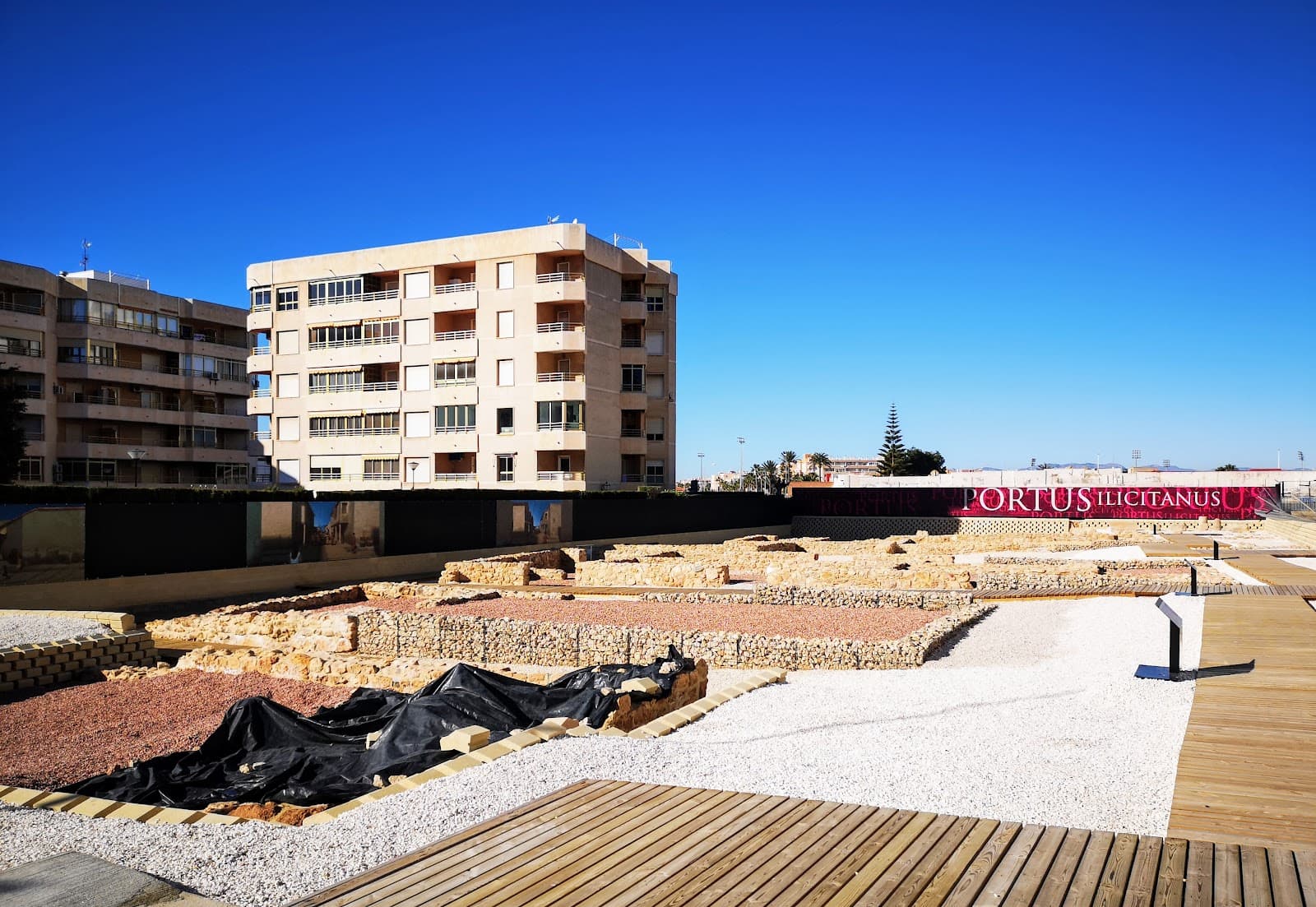
Portus Ilicitanus La Picola
Explore the remnants of a vital Roman port, uncovering warehouses, dwellings, and mosaics from ancient Ilici.
Highlights
Must-see attractions

Social
From TikTok & Reddit
Best Time
Fewer crowds, better focus
Portus Ilicitanus La Picola
Best Time
Fewer crowds, better focus
Highlights
Must-see attractions
Explore the remnants of a vital Roman port, uncovering warehouses, dwellings, and mosaics from ancient Ilici.
"Free guided tours are essential for understanding this historical gem, with guides like Helena making it unforgettable."
🎯 Book Guided Tours
Free guided tours by Museo del Mar are essential for understanding the site. Helena is a highly recommended guide!
👟 Wear Comfortable Shoes
You'll be walking around an archaeological site, so sturdy footwear is a must for exploring the ruins.
Quick Facts
Rating
3.7 · 35 reviews
Type
Museum
Highlights
Discover the most iconic attractions and experiences
Roman Port Remains
Excavation site
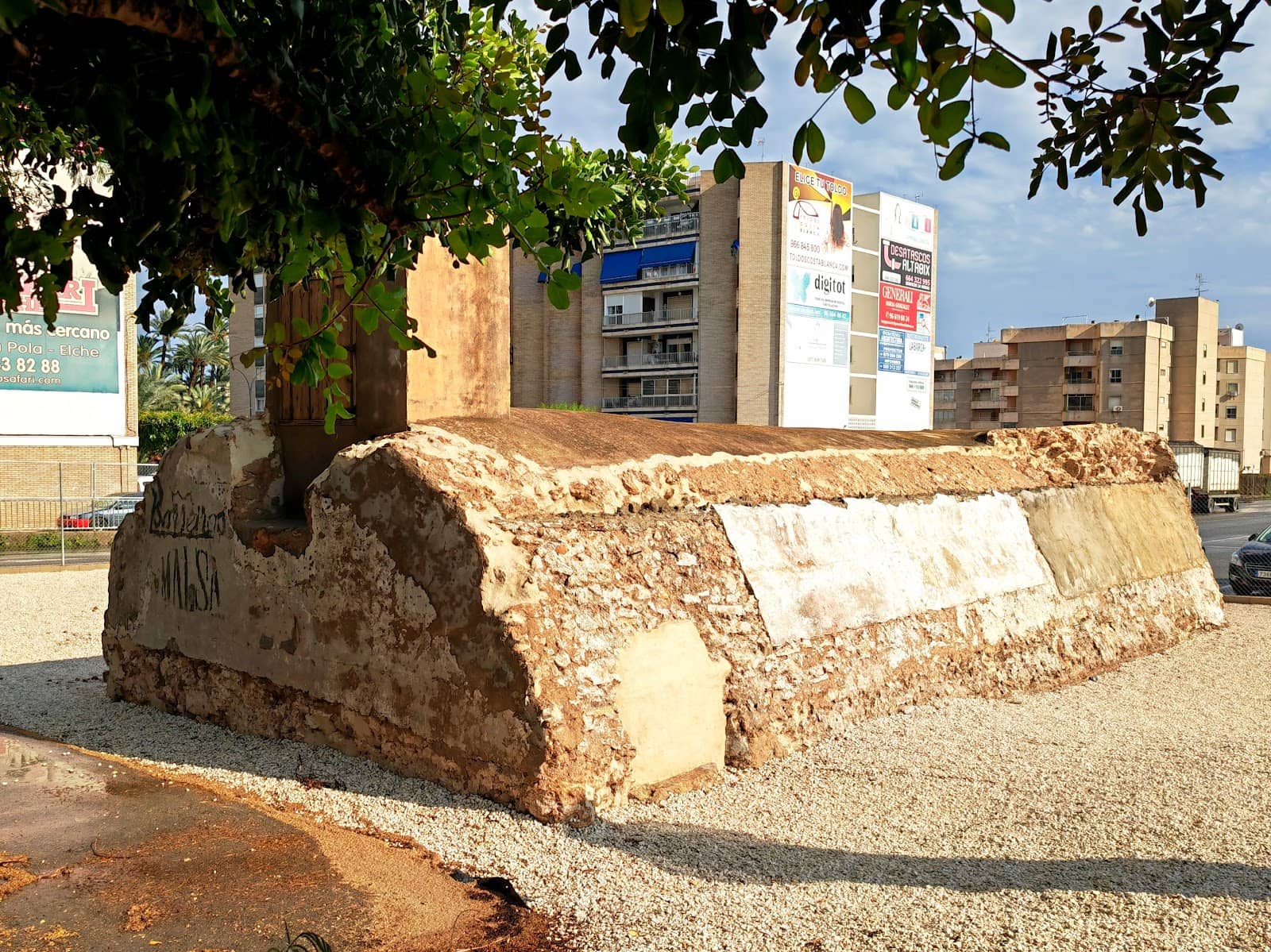
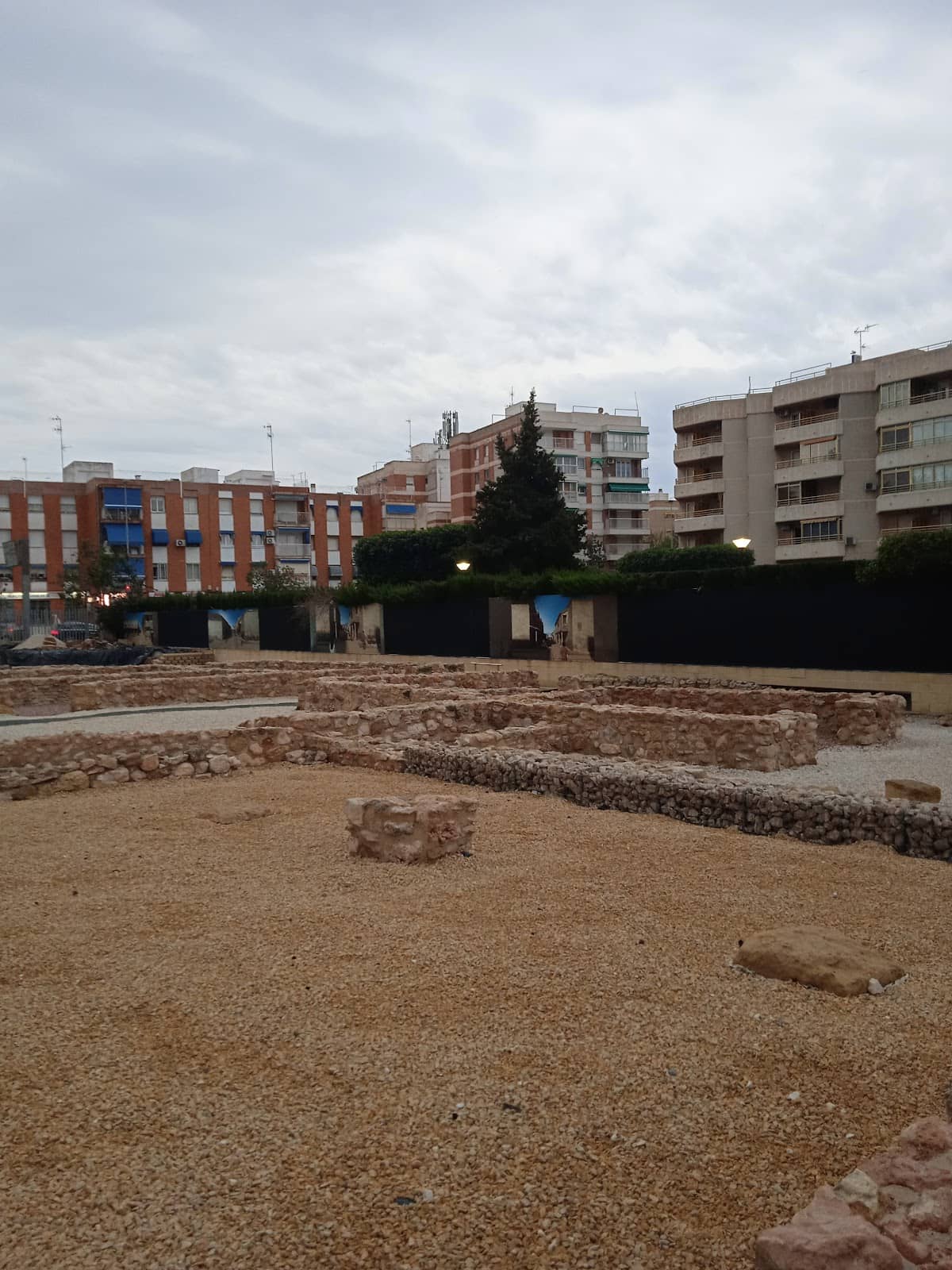
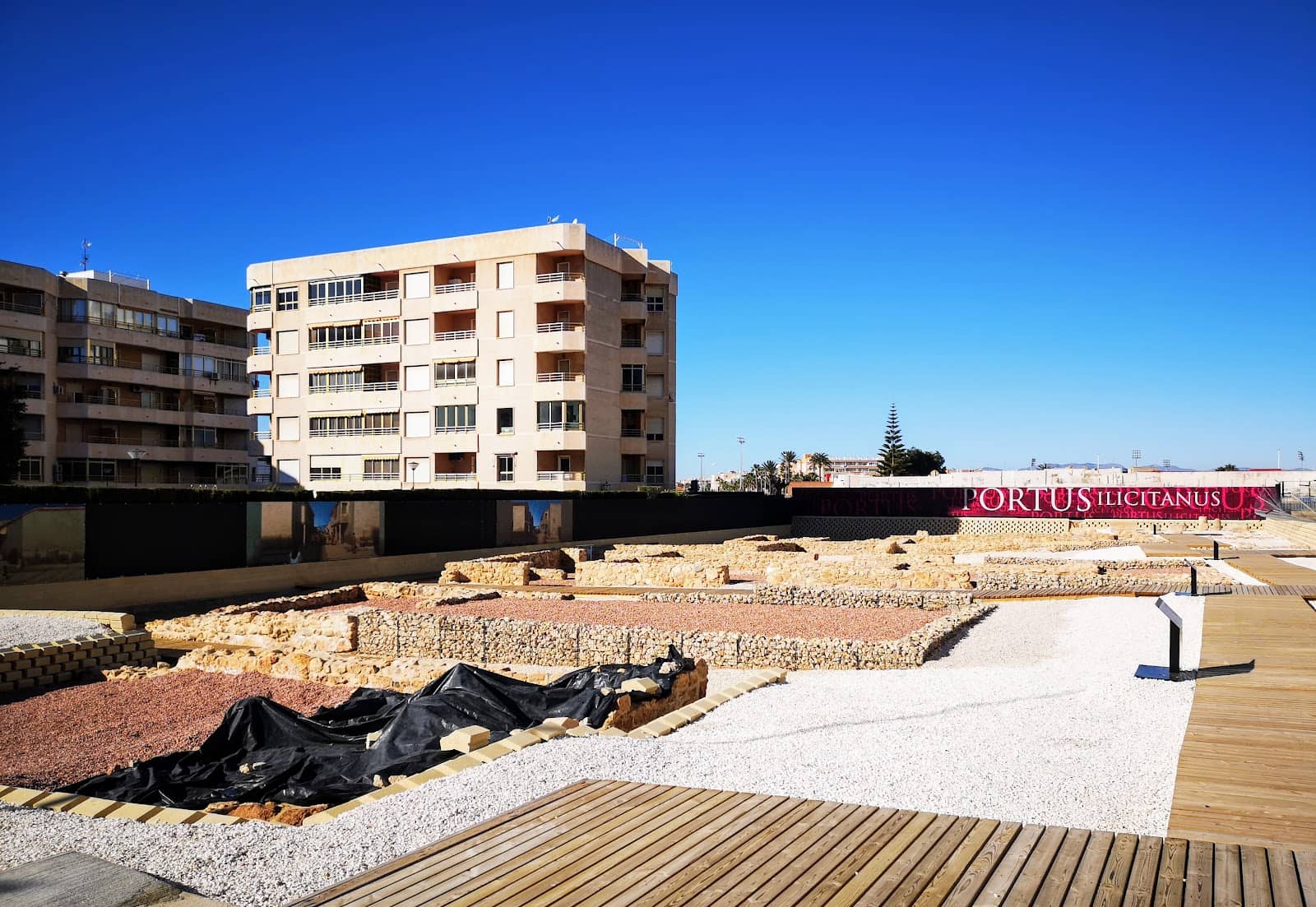
Explore the remnants of warehouses, industrial facilities, and housing from a vital Roman port.
Mosaics at Palmeral
Palmeral site
See remarkably preserved mosaics from a Roman dwelling, offering a glimpse into daily life.
Archaeological Discoveries
Excavation site
Learn about ongoing excavations, including the discovery of a Roman gold coin.
Plans like a pro.
Thinks like you
Planning Your Visit
Guided Tours are Key
Preservation and Access
Best Times
Insider Tips
from TikTok, Instagram & Reddit
🎯 Book Guided Tours
Free guided tours by Museo del Mar are essential for understanding the site. Helena is a highly recommended guide!
👟 Wear Comfortable Shoes
You'll be walking around an archaeological site, so sturdy footwear is a must for exploring the ruins.
💧 Bring Water
Especially during warmer months, stay hydrated while exploring the outdoor excavation areas.
📸 Capture History
While much is fenced, there are still fascinating details to photograph. Focus on textures and architectural remnants.
Tips
from all over the internet
🎯 Book Guided Tours
Free guided tours by Museo del Mar are essential for understanding the site. Helena is a highly recommended guide!
👟 Wear Comfortable Shoes
You'll be walking around an archaeological site, so sturdy footwear is a must for exploring the ruins.
💧 Bring Water
Especially during warmer months, stay hydrated while exploring the outdoor excavation areas.
📸 Capture History
While much is fenced, there are still fascinating details to photograph. Focus on textures and architectural remnants.
What Travellers Say
Reviews Summary
Portus Ilicitanus offers a fascinating glimpse into Roman maritime history, with well-preserved mosaics and ongoing excavations. While some visitors note preservation could be improved and the visible ruins are limited, the free guided tours, particularly with guides like Helena, are highly praised for bringing the site to life and providing invaluable historical context. It's a significant archaeological site for understanding the region's past.
"The ruins are amazing, but it's not very well preserved, bit of rubbish laying around and all fenced up."
Luna Perich Paglia
"Visit two Roman sites preserved in Santa Pola. Start at the Palmeral, where you'll be shown a Roman dwelling, where some of the mosaics are very well preserved. Then, they show you the area where the port was thought to be and explain the progress being made in the excavations they're currently underway. They've even found a gold coin!
Highly recommended for learning about Santa Pola's cultural and archaeological heritage.
Tours are free and organized by the Museo del Mar."
Pilar
"We are going to discuss today's marvelous site. We will focus on the only currently visible remains of the ancient port of the Roman colony of Iulia Ilici Augusta, the Portus Ilicitanus. It should be noted first of all that, although the archaeological site is not very large, what we will see is only a tiny portion, battered by time, circumstances, and people, of the entire enormous urban complex that was the Roman port, and which currently lies beneath the subsoil of Santa Pola.
We must assume that the portus was established when the colony of Ilici was founded by Augustus during the late 1st century BC or early 1st century AD, accompanying the progress and development of the main metropolis on which it depended. The city of Ilici was located about 8 km from its port. We must understand the enormous logistical, commercial, and strategic importance of a city with access to the sea, and even more so if the sea that lapped its shores was the Mediterranean during the height of Roman rule. Therefore, it is not difficult to understand the enormous urban development, embodied in extensive building projects, that took place in the port and its city. Its population spanned chronologically from the High Roman Empire to Late Antiquity, and its prestige remained unchanged despite numerous transformations in its urban layout and infrastructure.
Proof of this influence and global strategic importance of the Roman state is the fact that in 460 or 461 AD, Emperor Majorian assembled his military fleet of around three hundred ships at the Portus Ilicitanus, and nowhere else, with the aim of attacking the coasts of North Africa and recapturing this precious province from the clutches of the Vandals. Unfortunately, the emperor was betrayed and his fleet destroyed, but had the venture been successful, the Romans would have recovered their grain supply for Italy, which would have meant, among other things, a possibility for the continuity and survival of the Western Roman Empire.
Speaking of the site itself, the perfectly developed remains, carefully curated and restored, comprise two streets through which various warehouses and industrial facilities were initially arranged, later transformed into housing, a few hydraulic canals, and a vast monumental public building of considerable size. Aside from the latter, the remaining buildings correspond to the typical infrastructure of a port, with buildings dedicated to the storage and processing of products that must have been destined for shipment, or that, coming from distant waters, were awaiting distribution throughout our lands.
The so-called public building, whose function and attribution have not yet been clarified, is characterized by powerful plinths of considerable thickness. Its floor plan is basilica-like, and its cells and part of an altar are believed to have been discovered, raising the possibility that it may have been a temple, although it is too early to confirm anything since the site is still being excavated.
I highly recommend a visit to this impressive archaeological site, which, together with the Casa del Portus, represents everything that the cruel destructive hand of modern man has left us from the ancient Roman port. A guided tour is required to access the ruins for the time being, but it is absolutely worth it if you want to visit what was once one of the most important commercial ports on the Levantine coast of ancient Hispania, whose extensive architectural development and survival through the spiral of decline that the empire went through in its final stage, shows us the renown and magnificence that it once boasted, a status barely perceptible today due to the aggressions committed in the recent past, but which can nevertheless be slightly glimpsed through the extremely interesting ruins of this incredible port district."
Vicent Gorriz Escriva
What People Like
What People Dislike
Frequently Asked Questions
🚇 🗺️ Getting There
Portus Ilicitanus La Picola is located in Santa Pola. It's best accessed by car or public transport to the town center, then a short walk or taxi to the excavation sites. Parking can be found in the vicinity, though it may be limited during peak times.
The main excavation site and the Palmeral site are distinct. Following signs for the Museo del Mar or asking locals for directions to the Roman ruins will help you locate them.
Yes, Santa Pola is well-connected by bus. From the bus station, you can walk or take a short taxi ride to the archaeological areas.
🎫 🎫 Tickets & Entry
No, entry to the archaeological sites, including the Portus Ilicitanus ruins and the Palmeral site, is free. However, access to the main ruins is currently only permitted via guided tours.
The sites themselves don't have fixed public opening hours as access is managed through guided tours. It's best to check the schedule for the Museo del Mar for tour times.
Guided tours are organized by the Museo del Mar. It's recommended to contact the museum directly or check their website for booking information and tour availability.
The guided tours for Portus Ilicitanus are free of charge, which is a significant benefit for visitors wanting to learn about the history.
🎫 🧭 Onsite Experience
You can explore the excavated remains of Roman warehouses, industrial facilities, and housing, as well as hydraulic canals and a large public building. The Palmeral site features well-preserved mosaics.
While children can visit, the site's appeal might be limited without an engaging guide. The historical context and ongoing excavations can be fascinating for older children interested in history.
A guided tour typically lasts about 1-2 hours. If you visit both the main excavation site and the Palmeral, allow an additional hour.
Facilities at the immediate archaeological sites are minimal. It's best to use restrooms and purchase refreshments in Santa Pola town center before or after your visit.
The ruins are a mix of well-preserved sections and areas that show the impact of time and human activity. Some visitors note that preservation could be better, with occasional litter.
📸 📸 Photography
Yes, photography is generally allowed for personal use at the archaeological sites. However, be mindful of any specific restrictions during guided tours or within certain excavated areas.
Focus on the textures of the ancient stones, the layout of the streets and buildings, and any visible mosaics. The scale of the public building can also be impressive.
Drone usage is typically restricted in archaeological zones and urban areas. It's advisable to check local regulations before attempting to fly a drone.

Social
from TikTok, Instagram & Reddit