Museo do Pobo Galego
Explore Galicia's soul in a historic convent, featuring a unique triple helix staircase and deep dives into local culture.
Highlights
Must-see attractions

Social
From TikTok & Reddit
Best Time
Fewer crowds, peaceful exploration
Museo do Pobo Galego
Best Time
Fewer crowds, peaceful exploration
Highlights
Must-see attractions
Explore Galicia's soul in a historic convent, featuring a unique triple helix staircase and deep dives into local culture.
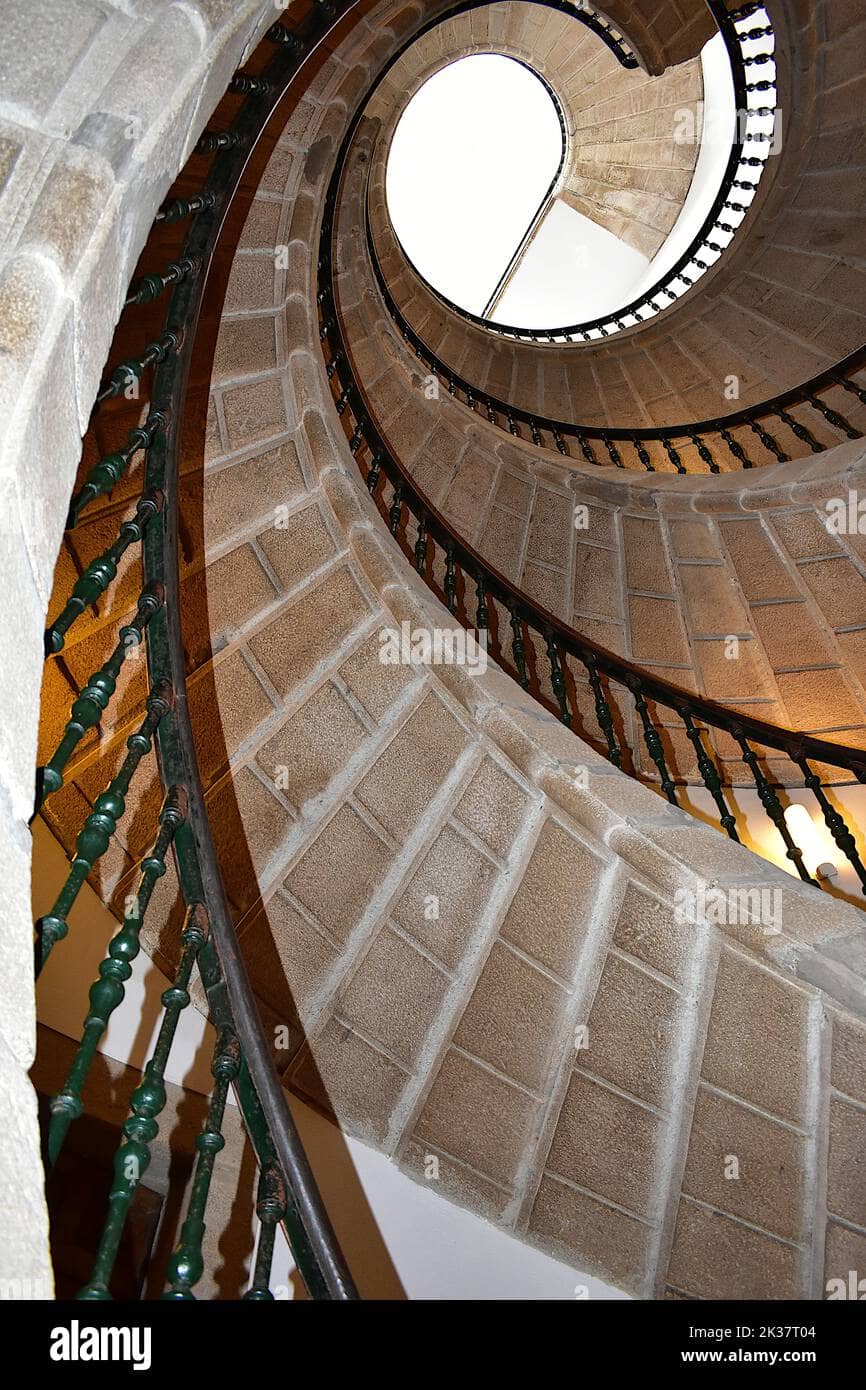
"This gem dives deep into Galician life, with a triple helix staircase that's a total showstopper."
Translate with Ease
Use Google Translate or similar apps for English descriptions, as they're not always available. :iphone:
Don't Miss the Staircase!
The triple helix staircase is an architectural marvel. Take your time to admire it. :camerawithflash:
Quick Facts
Hours
Rating
4.5 · 2,569 reviews
Type
Museum
Website
museodopobo.galHighlights
Discover the most iconic attractions and experiences
The Triple Helix Staircase
Main Hall
A breathtaking Baroque masterpiece, this unique spiral staircase is an architectural wonder and a photographer's dream.
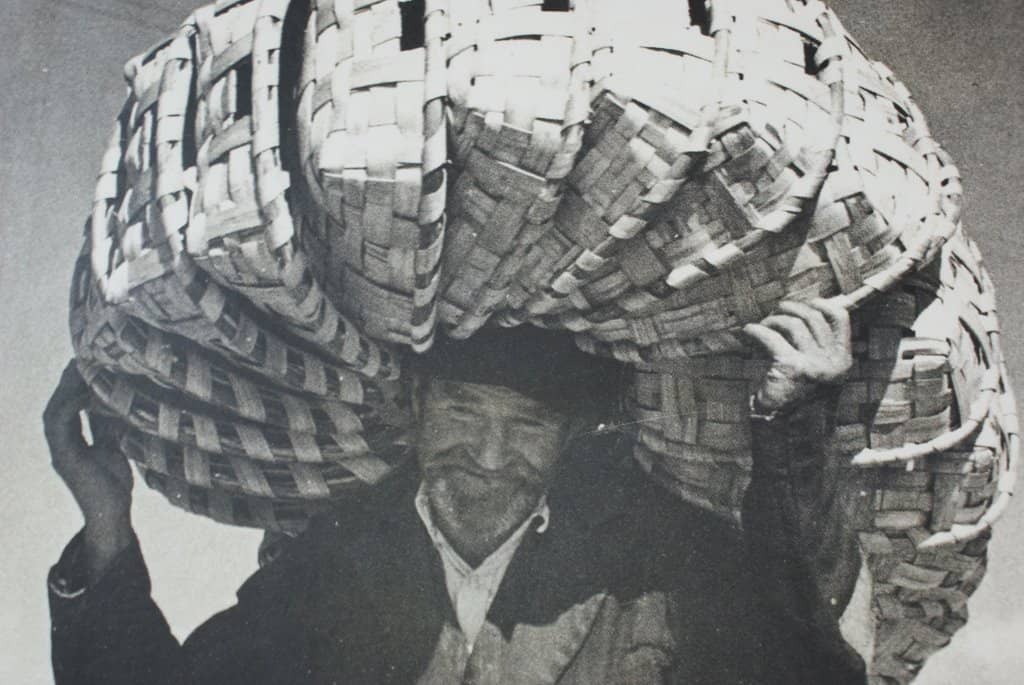
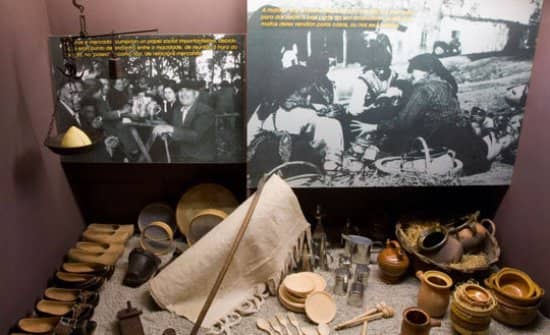
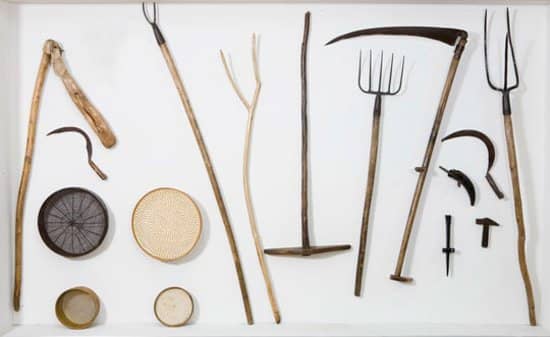
Galician Cultural Immersion
Various Exhibit Halls
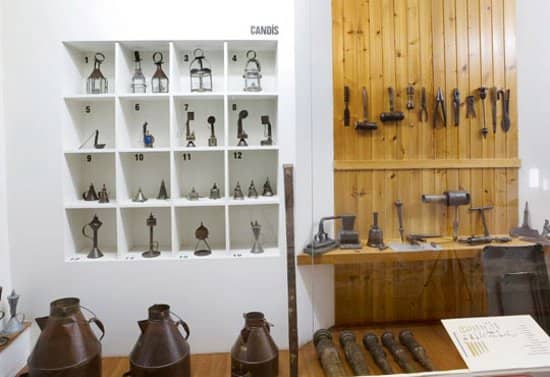
Explore exhibits on fishing, traditional crafts, music, and daily life, offering a profound understanding of Galician identity.
Pantheon of Galicia
Chapel
Pay respects at the final resting place of renowned Galician figures, including the celebrated poet Rosalía de Castro.
Plans like a pro.
Thinks like you
Planning Your Visit
Unlock Galicia's Soul
Navigating the Exhibits
Best Times
Insider Tips
from TikTok, Instagram & Reddit
Translate with Ease
Use Google Translate or similar apps for English descriptions, as they're not always available. :iphone:
Don't Miss the Staircase!
The triple helix staircase is an architectural marvel. Take your time to admire it. :camerawithflash:
Student/Senior Discounts
Reduced ticket prices are available for students and seniors. :moneybag:
Allow Ample Time
Give yourself at least 2-3 hours to fully appreciate the exhibits and architecture. :clock1:
Tips
from all over the internet
Translate with Ease
Use Google Translate or similar apps for English descriptions, as they're not always available. :iphone:
Don't Miss the Staircase!
The triple helix staircase is an architectural marvel. Take your time to admire it. :camerawithflash:
Student/Senior Discounts
Reduced ticket prices are available for students and seniors. :moneybag:
Allow Ample Time
Give yourself at least 2-3 hours to fully appreciate the exhibits and architecture. :clock1:
Multimedia Guide
Consider the multimedia guide for a richer experience, especially if you don't speak Galician or Spanish. : headphones:
What Travellers Say
Reviews Summary
Visitors consistently praise the Museo do Pobo Galego for its rich insights into Galician culture and its stunning architectural features, particularly the unique triple helix staircase. While the museum is highly recommended for understanding local heritage, some reviewers note that English translations for exhibits can be limited, suggesting the use of translation apps or multimedia guides for a more comprehensive experience.
"Well worth a visit. 2e you can't go wrong.
Strangely the upper floors have English translation but the entry level doesn't.
There is the incredible three stair spiral staircase and an elevated view of the adjacent church.
Personally I would have liked to see more about Galician influence on Spain, America and trade"
Nigel Dutson
"Wow, MPG swept me away! Housed in a stunning old convent, this gem dives deep into Galician life think fishing boats, intricate lacework, and ancient musical instruments that hum with history. The triple helix staircase is a total showstopper, spiraling like something out of a dream. Tickets are €5 (or €2 for students/seniors, free for kids under 18), and trust me, it’s worth every cent. Grab the multimedia guide on their app for a richer experience, especially if Galician isn’t your tongue. Oh, and did you know the Pantheon of Galicia here holds the remains of legendary Galician poet Rosalía de Castro? Don’t skip this soulful journey into Galicia’s heart!"
Petr Kovak
"Very good museum to understand Galicia culture. I gained a lot of knowledge about the stone building of the church and the method of farming. If you want to learn more about the people live here, please come. If you want to learn more about the people live here, please come."
Tonghui Tang
What People Like
What People Dislike
Frequently Asked Questions
🚇 🗺️ Getting There
The Museo do Pobo Galego is conveniently located in Santiago de Compostela's old town, a short walk from the Cathedral. You can easily reach it by foot from most central locations. If you're coming from further afield, local buses are available, though walking is often the most scenic option. +1
Parking in the historic center of Santiago can be challenging. It's recommended to use public parking garages located a short distance from the museum, such as the Praza de Galicia parking.
Many walking tours of Santiago de Compostela include a stop or pass by the Museo do Pobo Galego, especially those focusing on the historic old town and its cultural landmarks. +1
🎫 🎫 Tickets & Entry
General admission is typically around €5, with reduced prices for students and seniors (around €2). Children under 18 often get in for free. It's always a good idea to check their official website for the most current pricing.
The museum generally operates during standard daytime hours, but it's advisable to check their official website or social media for specific opening and closing times, as these can vary seasonally or for special events.
For general visits, booking in advance is usually not necessary, especially during weekdays. However, if you are visiting during peak season or with a large group, it might be wise to inquire about group bookings.
While specific free admission days are not widely advertised, children under 18 often have free entry. It's worth checking the museum's official channels for any special promotions or free entry periods.
🎫 🏛️ Onsite Experience
The museum's most celebrated feature is its incredible triple helix staircase, a stunning example of Baroque architecture. It's often described as a 'staircase to heaven' and is a highlight for many visitors. +1
Yes, the museum can be engaging for children, especially with its unique architecture and exhibits on traditional life. Free entry for those under 18 makes it an accessible option for families.
Most visitors find that 2 to 3 hours is sufficient to explore the museum's collections and appreciate its architecture. However, you could easily spend longer if you're particularly interested in Galician history and culture.
English translations for exhibits can be inconsistent, particularly on the entry level. Many visitors recommend using a translation app on their phone or opting for the museum's multimedia guide for a better understanding. +1
The Pantheon of Galicia, located within the museum, is a significant burial site for notable Galician figures, including the revered poet Rosalía de Castro. It's a place of historical and cultural importance.
📸 📸 Photography
Photography is generally permitted for personal use, especially for capturing the stunning architecture like the triple helix staircase. However, it's always best to check for any specific restrictions in certain exhibit areas.
The triple helix staircase is undoubtedly the star for photography. The exterior of the historic convent and views from the upper floors can also offer great photographic opportunities. 
While dedicated photography tours for the museum aren't common, many general Santiago photography tours might include it as a stop, focusing on its unique architectural elements.
You may also like
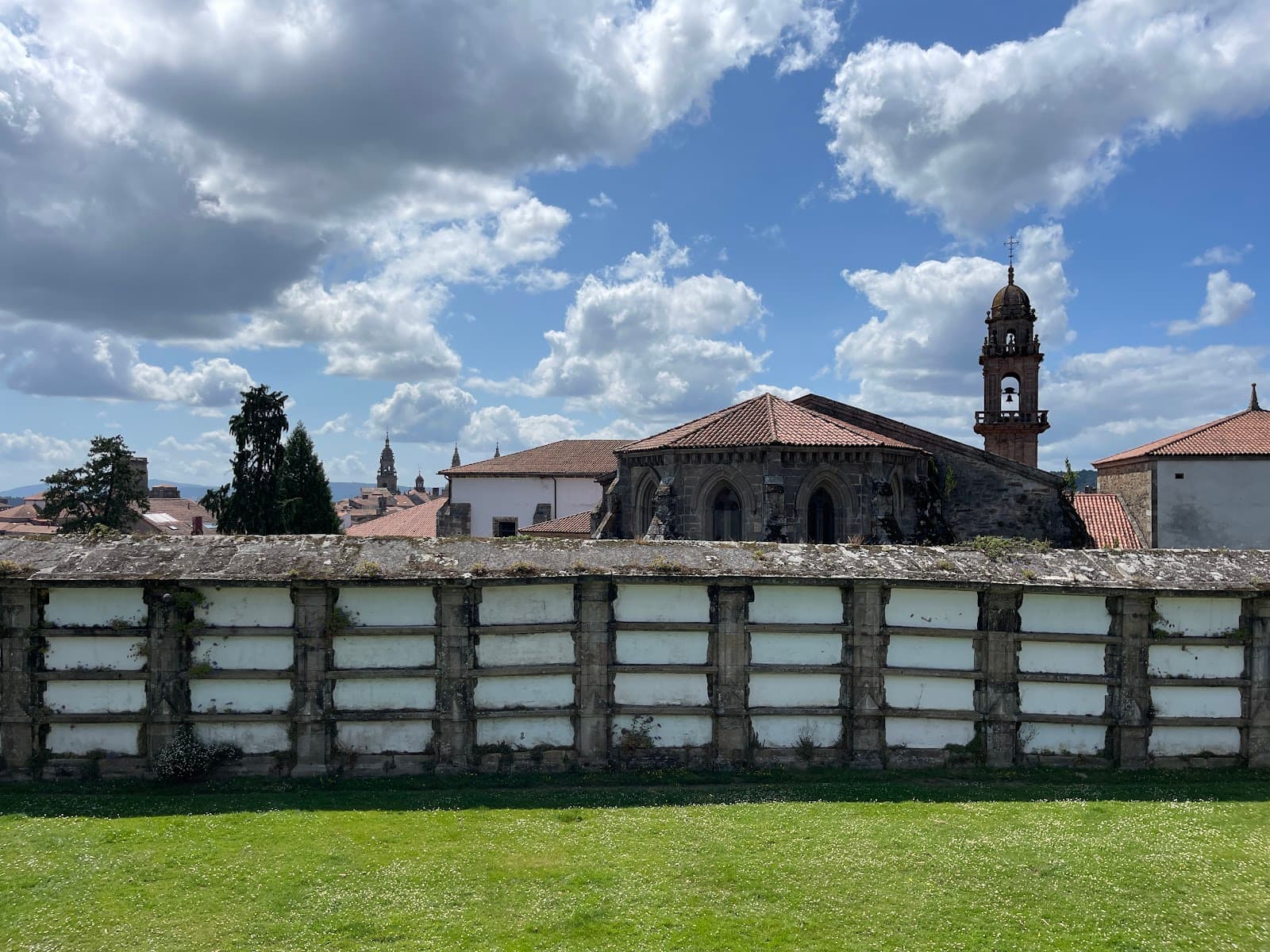
Cemiterio de Bonaval Santiago de Compostela

Museo das Peregrinacións e de Santiago Santiago de Compostela

Santo Domingo de Bonaval Church

Mercado de Abastos Santiago
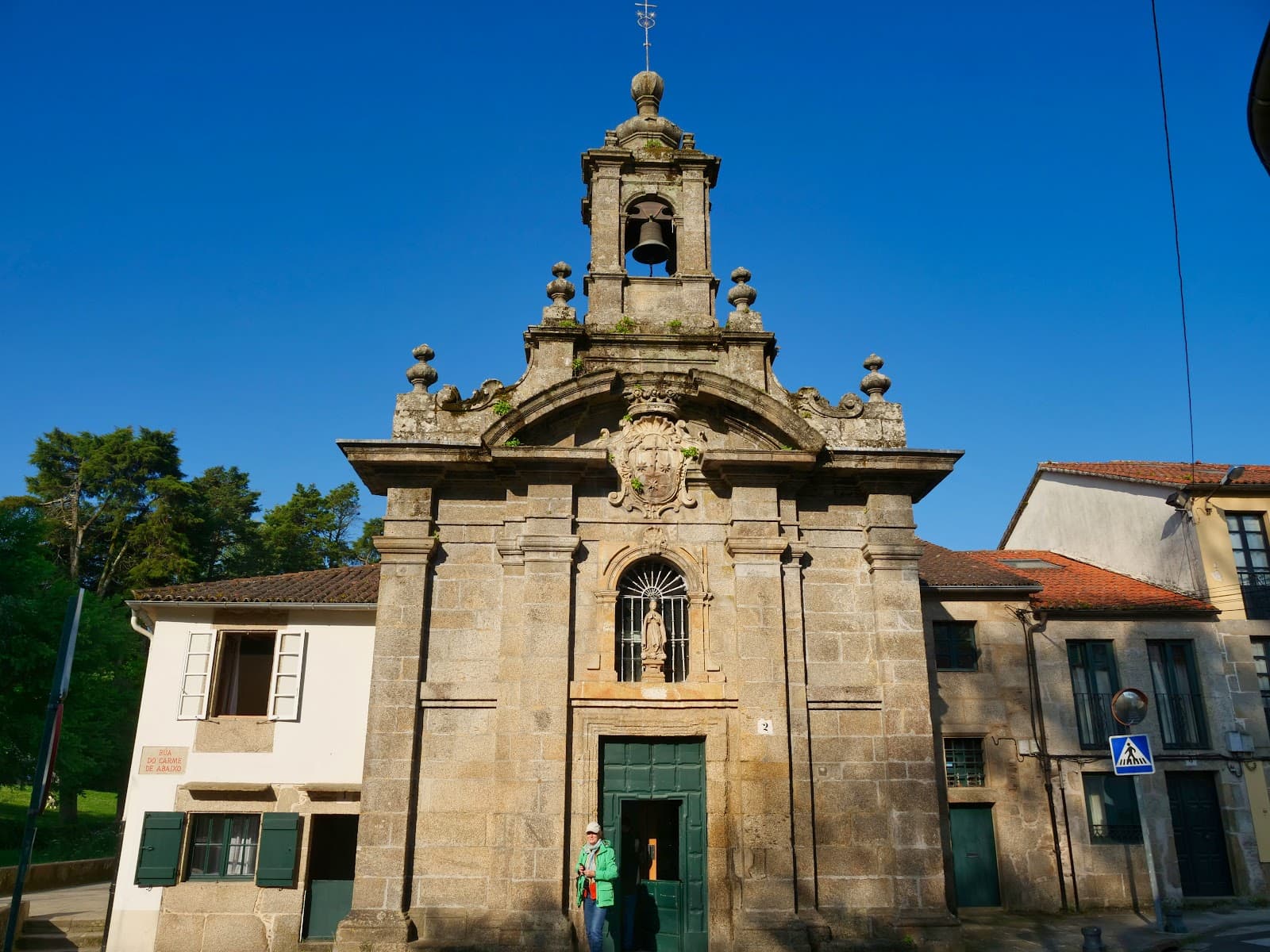
Church of Carme de Abaixo

Centro Galego de Arte Contemporánea CGAC
Cemiterio de Bonaval Santiago de Compostela
Museo das Peregrinacións e de Santiago Santiago de Compostela
Santo Domingo de Bonaval Church
Mercado de Abastos Santiago
Church of Carme de Abaixo
Centro Galego de Arte Contemporánea CGAC
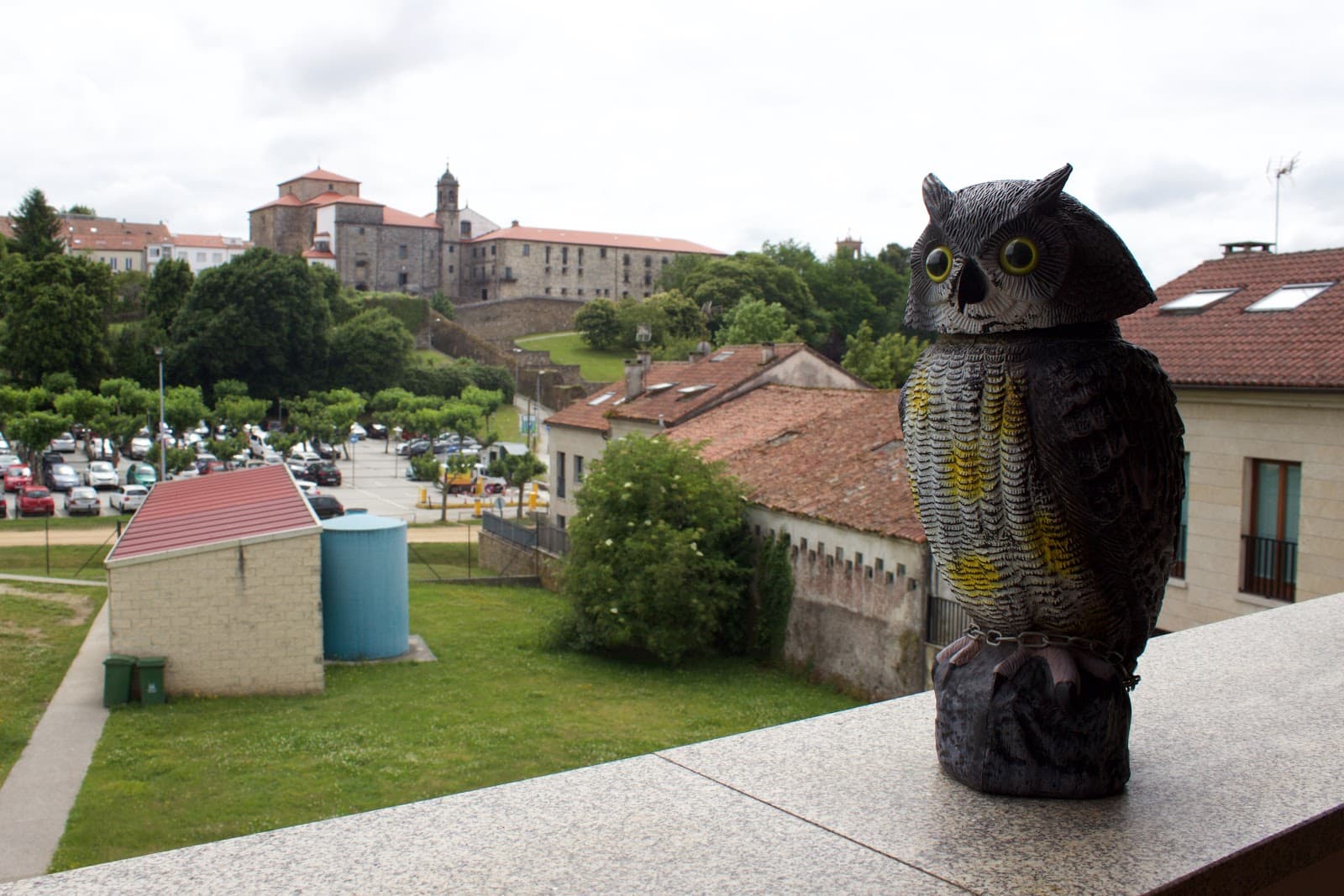
Miradoiro de Belvís
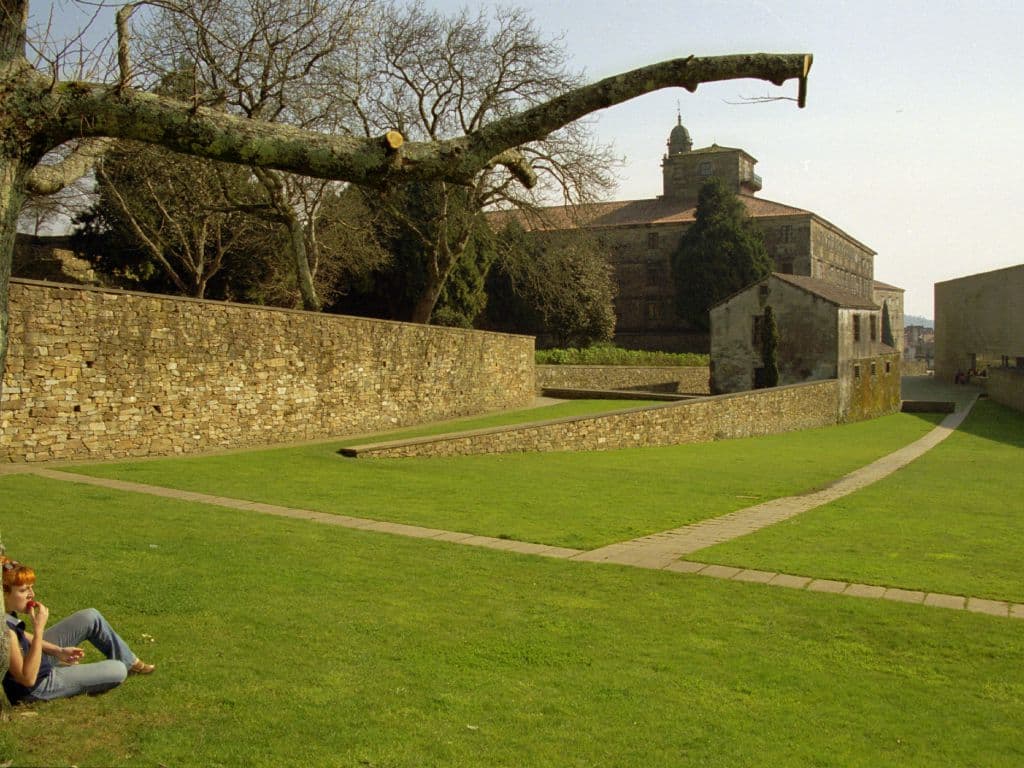
Bonaval Neighborhood

Cíes Islands National Park

Parque de Belvís Santiago de Compostela

San Roque Church and Fountain

Social
from TikTok, Instagram & Reddit