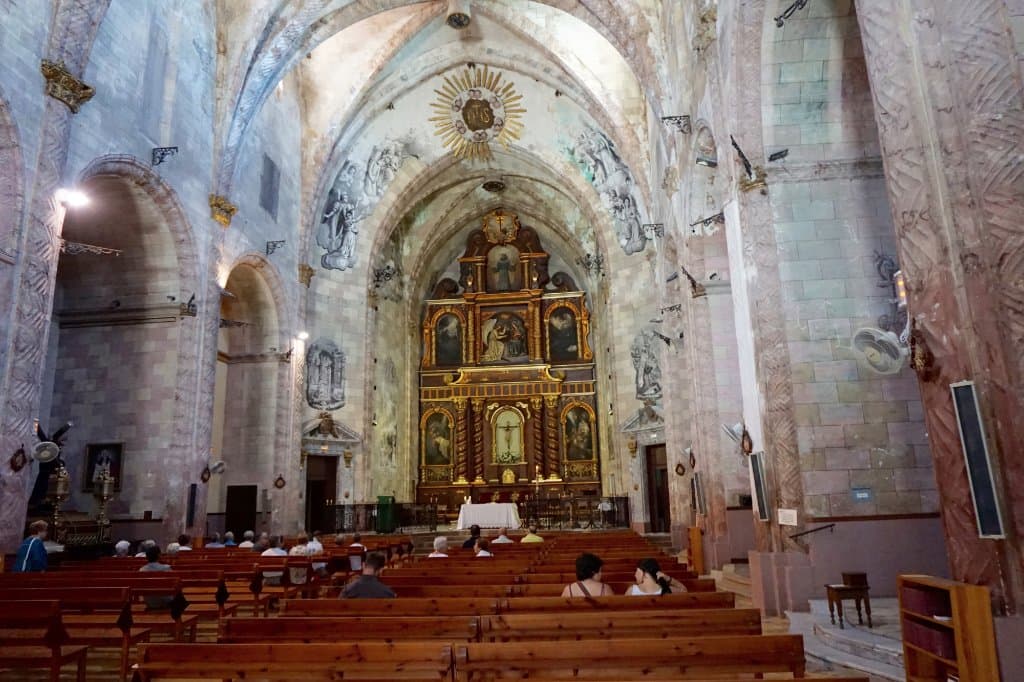
Cloister of Sant Francesc
A historic Baroque cloister featuring 26 vibrant 17th-century ceramic panels detailing the life of Saint Francis of Assisi. Free to visit.
Highlights
Must-see attractions

Social
From TikTok & Reddit
Best Time
Fewer crowds, peaceful atmosphere
Cloister of Sant Francesc
Best Time
Fewer crowds, peaceful atmosphere
Highlights
Must-see attractions
A historic Baroque cloister featuring 26 vibrant 17th-century ceramic panels detailing the life of Saint Francis of Assisi. Free to visit.
"A beautiful place with stunning ceramic panels, though some find it neglected."
🎯 Free Admission Alert!
Enjoy the beauty of the cloister without an entry fee. Guided tours are also an option for a richer experience.
🚶♀️ Respect the Surroundings
The cloister is part of a social-health complex. Be mindful and respectful of the environment and its residents.
Quick Facts
Rating
3.7 · 3 reviews
Type
Historical Landmark
Highlights
Discover the most iconic attractions and experiences
Ceramic Panels of Saint Francis' Life
Cloister Galleries
26 vibrant ceramic panels from the 17th century vividly illustrate the life and miracles of Saint Francis of Assisi.
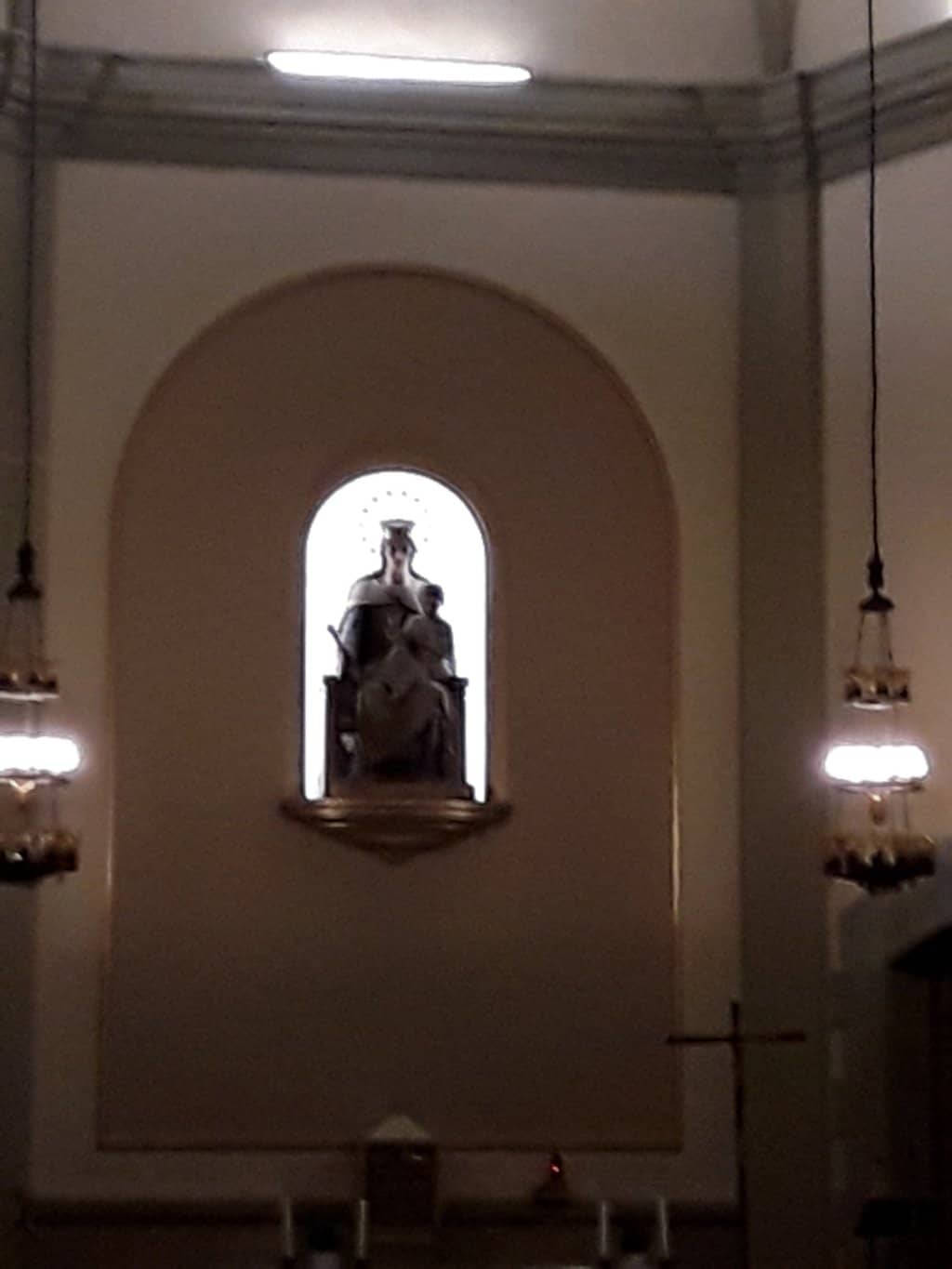
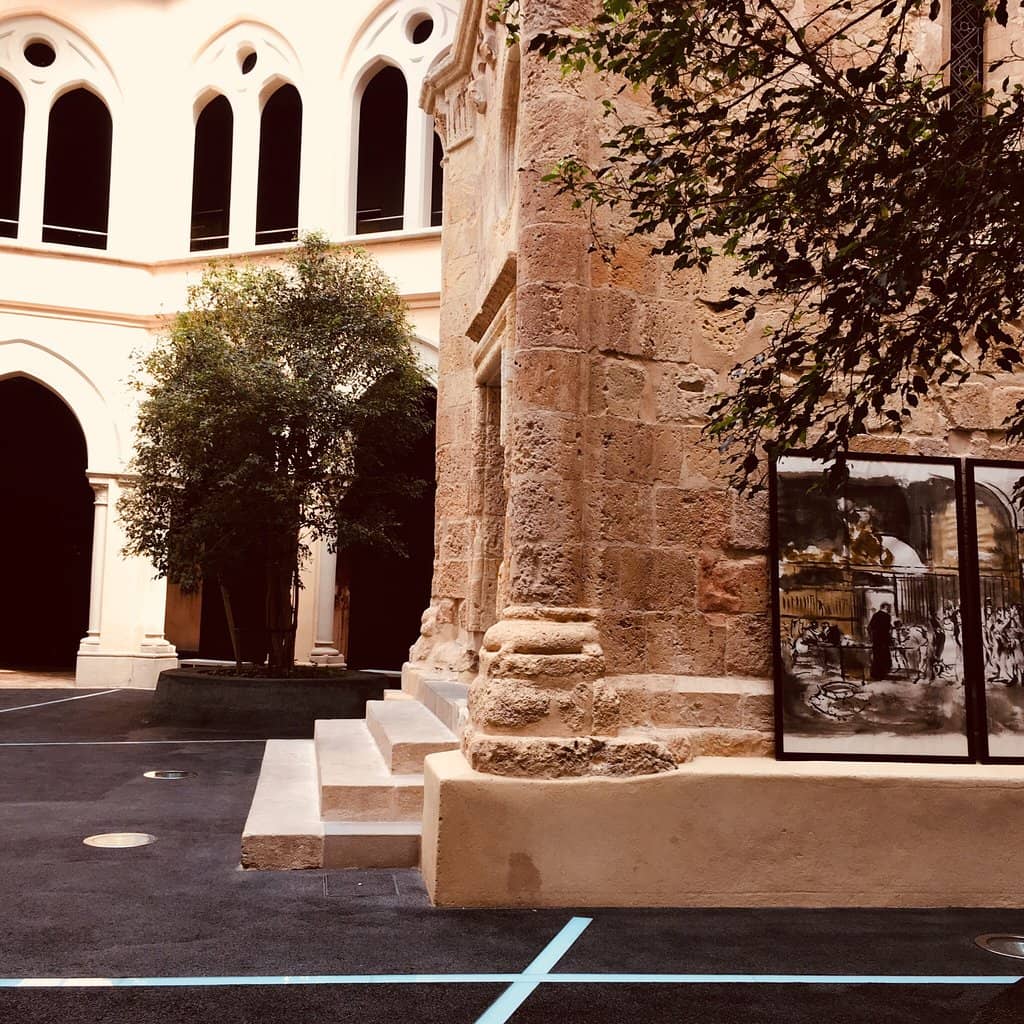
Baroque Architecture with Gothic Traces
The Cloister itself
Admire the architectural blend of Baroque style with hints of Gothic and Renaissance influences in this historic structure.
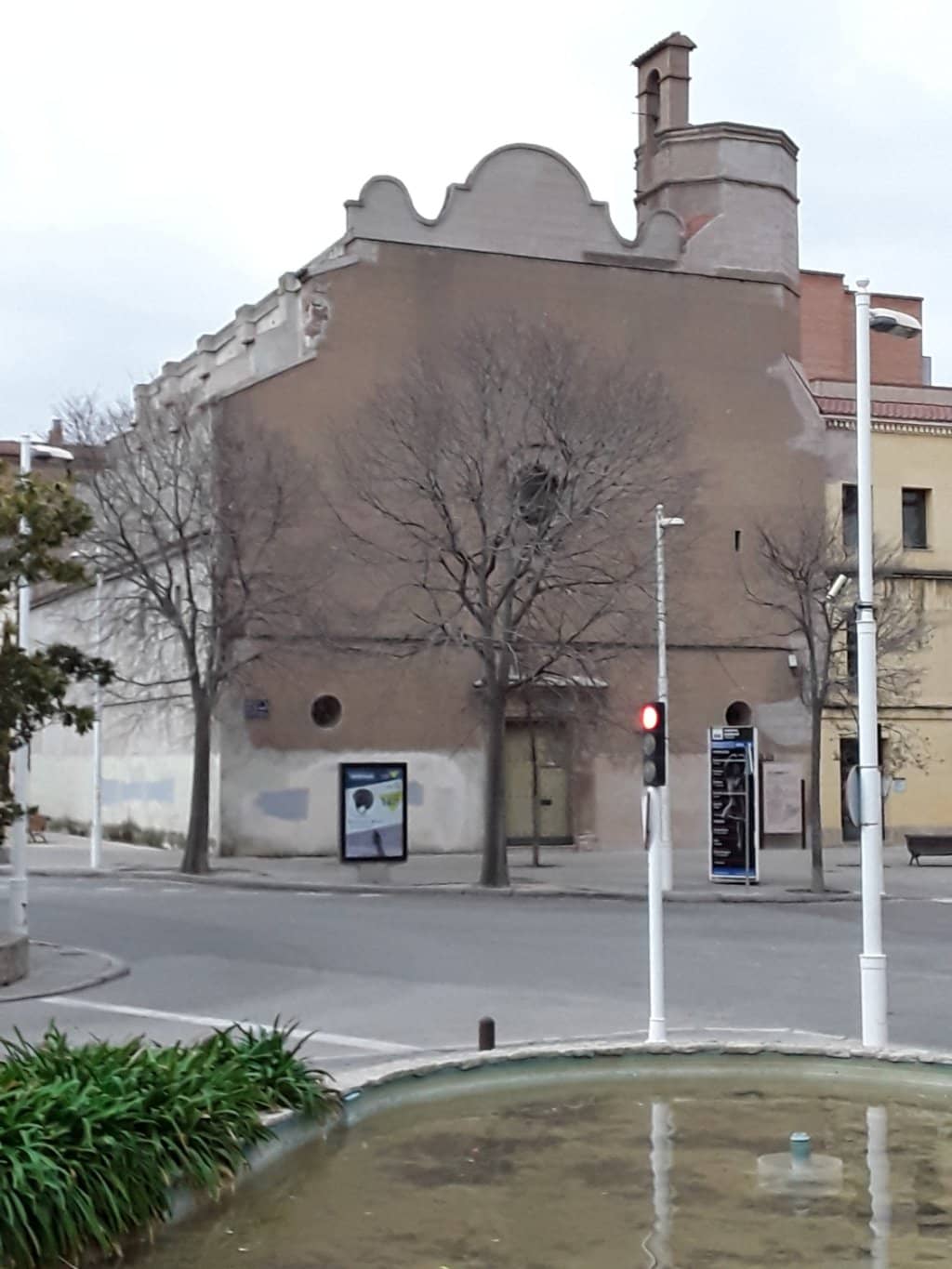
The Historic Cistern
Ground floor
Discover the functional beauty of the ancient cistern, once vital for collecting rainwater for the convent's needs.
Plans like a pro.
Thinks like you
Planning Your Visit
Free Entry, But Plan Your Visit
A Glimpse into History and Art
Best Times
Insider Tips
from TikTok, Instagram & Reddit
🎯 Free Admission Alert!
Enjoy the beauty of the cloister without an entry fee. Guided tours are also an option for a richer experience.
🚶♀️ Respect the Surroundings
The cloister is part of a social-health complex. Be mindful and respectful of the environment and its residents.
📸 Capture the Ceramic Art
The 26 ceramic panels are the main attraction. Take your time to appreciate the detailed storytelling.
🧐 Look for Historical Details
Beyond the panels, notice the architectural blend and the historic cistern.
Tips
from all over the internet
🎯 Free Admission Alert!
Enjoy the beauty of the cloister without an entry fee. Guided tours are also an option for a richer experience.
🚶♀️ Respect the Surroundings
The cloister is part of a social-health complex. Be mindful and respectful of the environment and its residents.
📸 Capture the Ceramic Art
The 26 ceramic panels are the main attraction. Take your time to appreciate the detailed storytelling.
🧐 Look for Historical Details
Beyond the panels, notice the architectural blend and the historic cistern.
What Travellers Say
Reviews Summary
Visitors find the Cloister of Sant Francesc to be a beautiful and historically significant site, particularly appreciating the free entry and the stunning 17th-century ceramic panels depicting the life of Saint Francis. However, some reviewers note that the cloister can feel neglected and its entrance is within a social-health complex, which may affect the overall visitor experience.
"FREE VISIT for anyone who wants to visit. Guided and group tours are available.
The entrance gate is located between the Church of Sant Francisco and the Clínica de los Remedios.
The church remains of the old convent, along with a cloister and the cistern where rainwater was collected.
Construction began in 1609 and was inaugurated in 1612.
It was initially formed by a community of 28 Franciscan friars.
They manufactured textiles, which supplied the Franciscan communities of Catalonia.
In 1855, the sacristy was demolished and a prison was built.
In 1862, the textile factory was used as a Civil Guard barracks.
The cloister is square, with a ground floor and two upper floors. On the ground floor, there are twenty-six perfectly preserved polychrome ceramic panels in vaults from 1617-1673 by the Barcelona pottery workshop of Llorenç Passoles. The ceramic collection focuses on the life of Saint Francis of Assisi: only two panels of his death and canonization are ornamental.
His biography:
Francis (1182-1226), son of a wealthy textile merchant from Assisi, received education and training in the arts of war. At the age of 17, he participated in a battle and was captured. Upon his release, he decided to help people, in poverty and humility, imitating Christ, and founded the Franciscan order in 1209. Two years after his death, Pope Gregory IX canonized him. In 1211, the order was established in Catalonia.
Currently, the former Convent of Sant Francesc is part of a large social, healthcare, and educational complex, run by the San Lázaro Hospital Foundation, which includes a hospital for chronic patients, a social-health center for terminally ill, convalescent, and long-stay patients; the Nursing School, located in the former Clínica del Remedio (Remedy Clinic); the Sant Llàtzer Primary Care Center (PCC), and a Mental Health Day Hospital; and the relocation of the Alba Association (2002) with a day center for drug addicts and a "crisis unit" for hospitalization.
Since October 2003, the cloister of the Convent of Sant Francesc has been a section of the Terrassa Museum, which offers visitors the possibility of visiting it.
History of each panel: (I've included photos of all of them) 🤩
WEST GALLERY: Conversion of Francis of Bernardone
1. The birth of Francis in a stable
2. The mantle's homage to the young Francis
3. The dream of military glory
4. The first vision of Christ crucified
5. The Virgin Mary gives the Child Jesus to Francis
6. The renunciation of earthly goods
SOUTH GALLERY: Approval and expansion of the order
7. Ornamental panel with the coat of arms of Peter of Fizes
8. The dreams of Pope Innocent III
9. Francis between Peter and Paul in Rome
10. The revelation of the crucifix at San Damiano
11. Confirmation of the plenary indulgence at the Porziuncola
12. The conversion of Friar Pacifico
13. The temptation of the flesh and of the family
EAST GALLERY: Penances and Miracles
14. Francis beaten by devils and comforted by an angel
15. Francis' sermon to the birds and fishes
16. The conversion of water from a well into wine
17. Divine love scorches Francis of Assisi
18. Francis rubs his body in brambles
19. Francis paraded naked through the streets of Assisi
NORTH GALLERY: Humility of Francis
20. Ornamental panel with the coat of arms of Peter of Fizes
21. The extreme humility of the saint of Assisi
22. The stigmatization of Francis
23. The death of Francis and his heavenly reception
24. The vision of Francis in a chariot of fire
25. Francis freeing souls from purgatory
26. Discovery of Francis's incorrupt body"
ppg nakita73
"It's really not what I expected. It's a very pretty place, but completely neglected. You can't even see the entrance because you enter through an area that houses a center for people with mental health issues. It has some very beautiful murals. It's a shame it's so dirty and neglected."
G Sánz
"The Convent of Sant Francesc d'Assís, of Recollected Friars Minor, began construction in 1609 and was inaugurated in 1612. Baroque style with Gothic and Renaissance traces.
Currently, the old convent of Sant Francesc is part of a large social, health and educational complex, governed by the Hospital de Sant Llàtzer Foundation: with the hospital for chronic patients, a socio-health center for terminally ill, convalescent and long-stay patients; the School of Nursing, located in the old Clínica del Remei, the CAP Sant Llàtzer and a Mental Health Day Hospital; and the transfer of the Alba Association (2002) with a day center for drug addicts and a "crisis unit", for hospitalization.
Since October 2003, the cloister of the convent of Sant Francesc has been a section of the Terrassa Museum that manages the possibility of it being visited."
Pere N.
What People Like
What People Dislike
Frequently Asked Questions
🚇 🗺️ Getting There
The entrance is located between the Church of Sant Francisco and the Clínica de los Remedios. It's part of a larger social, healthcare, and educational complex. Public transport options to Terrassa should be researched based on your starting point.
Information on specific parking availability directly at the complex is limited. It's advisable to look for public parking areas in the surrounding Terrassa city center and walk to the cloister.
Yes, Terrassa is well-connected by public transport. You can take trains or buses to the city center and then it's a walk to the cloister. Check local transport schedules for the most convenient routes.
🎫 🎫 Tickets & Entry
No, the Cloister of Sant Francesc offers free admission for all visitors. This makes it an accessible cultural experience.
As it's managed by the Terrassa Museum, it's best to check the museum's official website or contact them directly for the most up-to-date opening hours, as these can vary.
Since entry is free, advance booking is generally not required. However, if you plan to join a guided tour, it's wise to inquire about booking procedures.
Yes, guided and group tours are available. These tours offer a deeper understanding of the cloister's history, architecture, and the stories behind the ceramic panels.
📸 📸 Photography
Generally, personal photography is allowed for non-commercial purposes. However, it's always a good idea to be discreet and respectful, especially given the cloister's location within a healthcare complex.
The 26 ceramic panels are the highlight for photography. The central courtyard and the architectural details of the galleries also offer great photo opportunities.
Tripod usage might be restricted to avoid disruption, especially if the cloister is busy or during specific events. It's best to check with the management on-site if you plan to use one.
🎫 🏛️ History & Art
Construction began in 1609 and it was inaugurated in 1612. It was originally part of a Franciscan convent and has since been integrated into a social and healthcare complex, with the cloister managed by the Terrassa Museum since 2003.
The 26 polychrome ceramic panels, dating from 1617-1673, primarily depict scenes from the life of Saint Francis of Assisi, from his birth to his death and canonization.
The ceramic panels were created by the Barcelona pottery workshop of Llorenç Passoles.
The cloister is primarily Baroque in style, but it also features traces of Gothic and Renaissance architectural elements.



Social
from TikTok, Instagram & Reddit