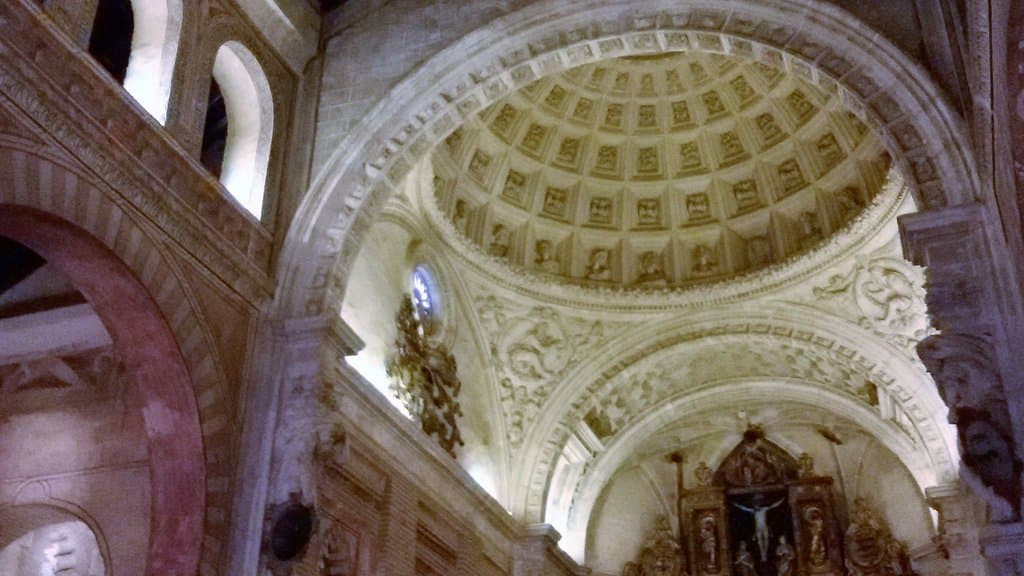
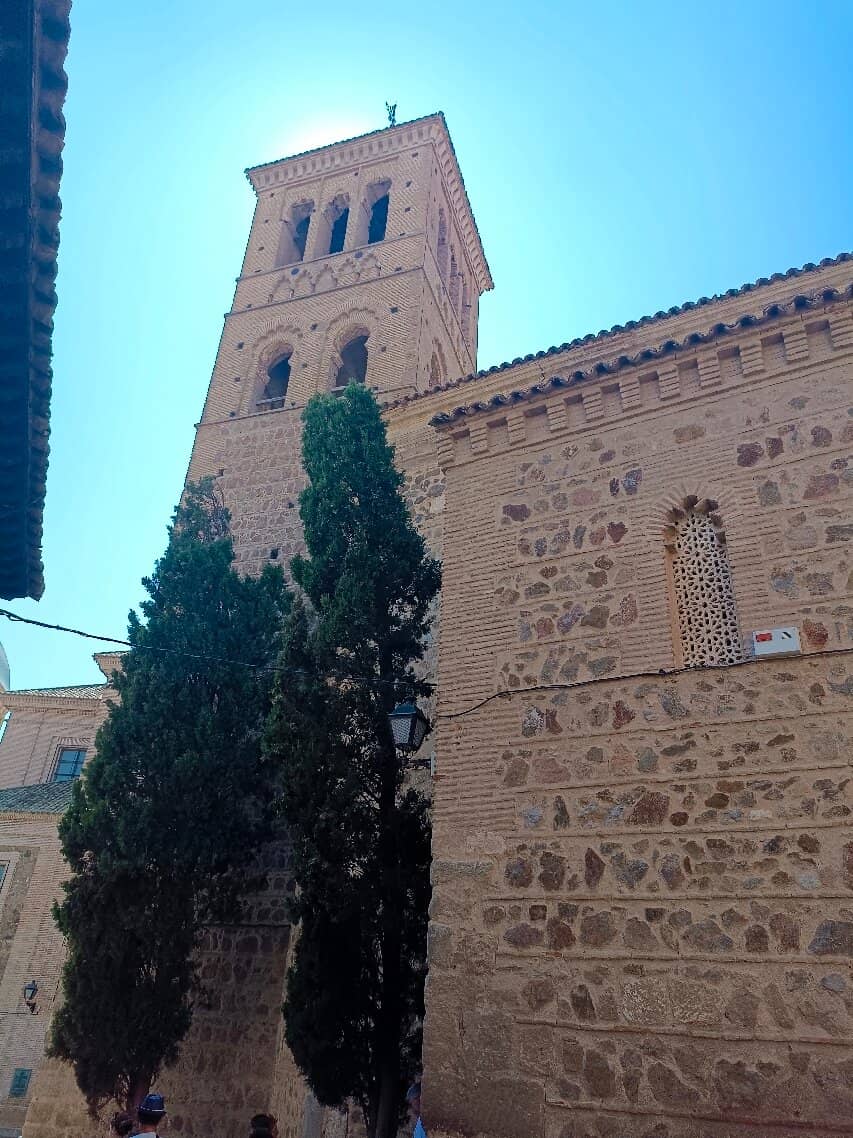
Iglesia de San Román Toledo (Museum of Visigothic Culture)
Discover Toledo's Visigothic past in a stunning former church, offering free entry to a rich collection of artifacts and history.

Highlights
Must-see attractions

Social
From TikTok & Reddit
Best Time
Fewer crowds, more peaceful exploration
Iglesia de San Román Toledo (Museum of Visigothic Culture)
Best Time
Fewer crowds, more peaceful exploration
Highlights
Must-see attractions
Discover Toledo's Visigothic past in a stunning former church, offering free entry to a rich collection of artifacts and history.
"A surprise gem! This desecrated church turned museum is stunning and a treasure for Visigothic history."
Free Admission! 🎉
Enjoy this historical treasure without any cost. A fantastic value for history buffs!
No Restrooms On-Site 🚻
Be prepared as there are no facilities available within the museum.
Quick Facts
Hours
Rating
4.6 · 623 reviews
Type
Museum
Highlights
Discover the most iconic attractions and experiences
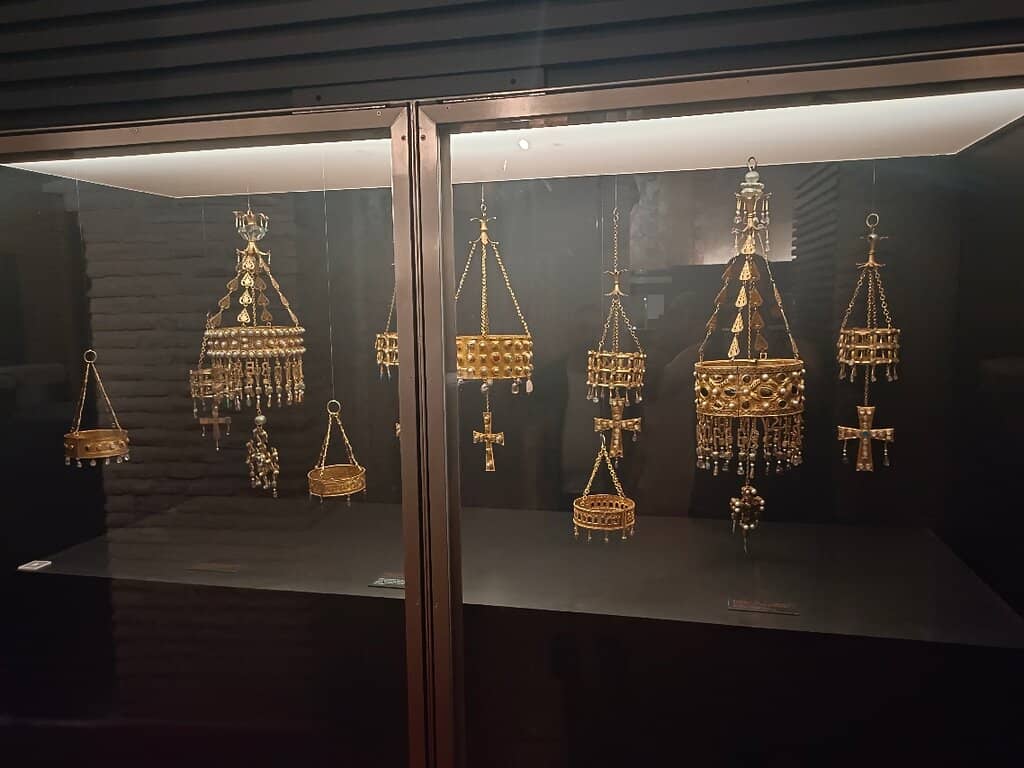
Visigothic Artifacts
Discover a rich collection of artifacts from a pivotal, often overlooked, period of Iberian history.
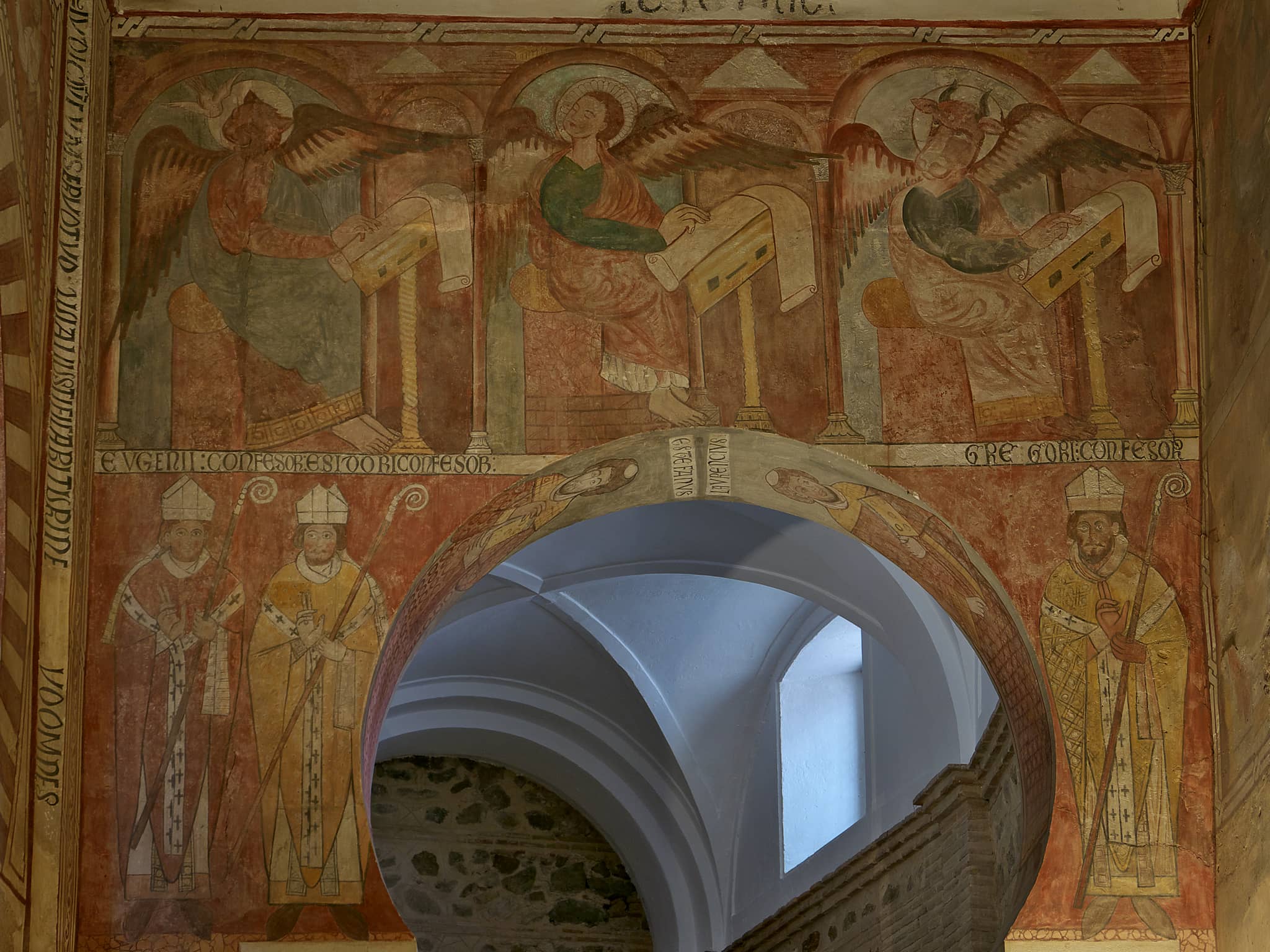
Restored Frescoes
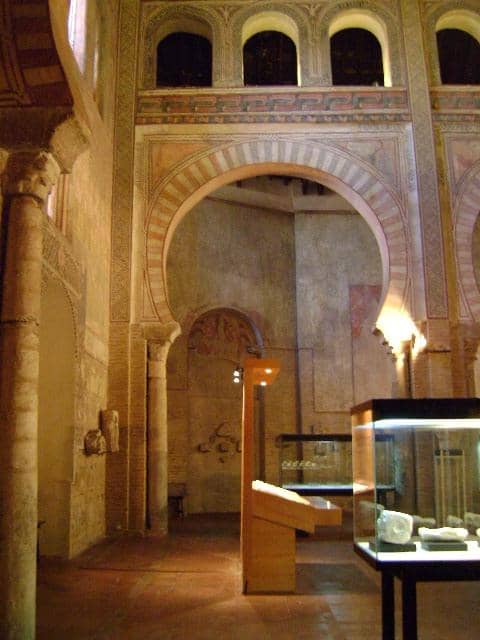
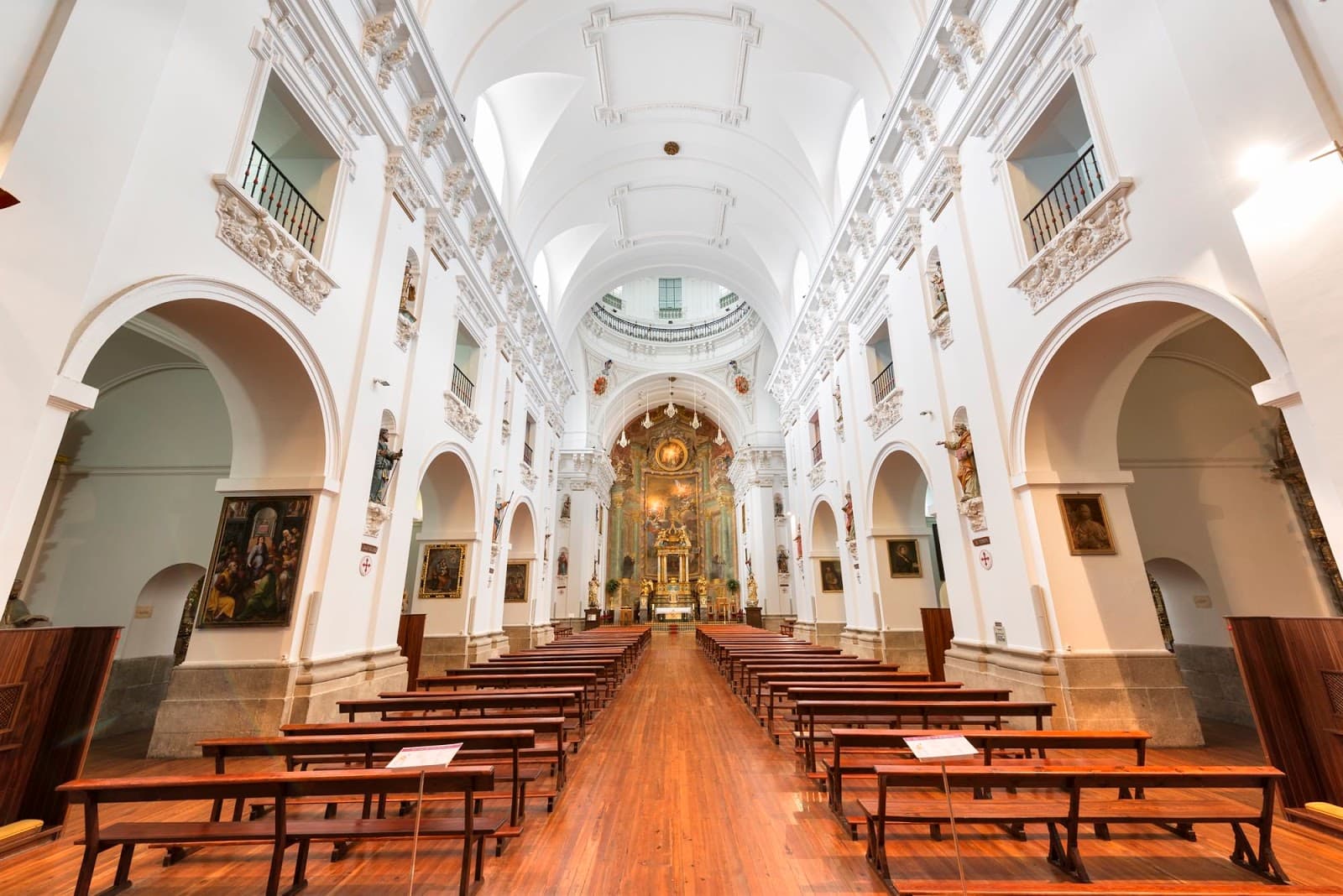
Marvel at the beautifully restored 20th-century frescoes, with visible fragments of those too deteriorated to save.
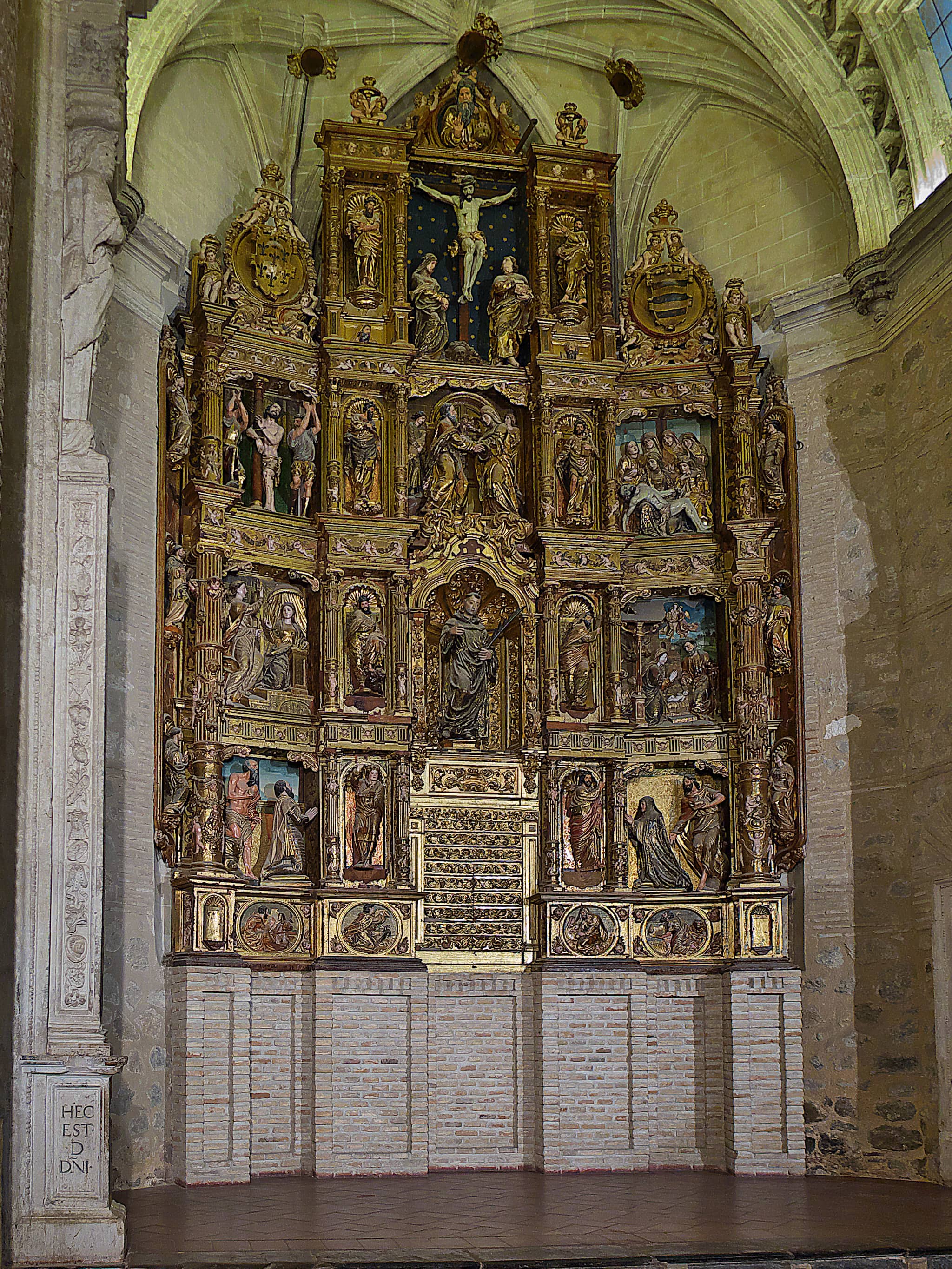
Architectural Layers
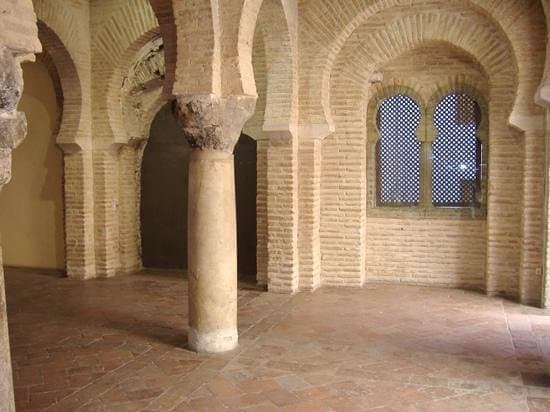
Explore a building that has served as a Visigoth basilica, a mosque, and a church, showcasing centuries of history.
Plans like a pro.
Thinks like you
Planning Your Visit
Free Entry, Big Rewards
Uncover Visigothic History
Best Times
Insider Tips
from TikTok, Instagram & Reddit
Free Admission! 🎉
Enjoy this historical treasure without any cost. A fantastic value for history buffs!
No Restrooms On-Site 🚻
Be prepared as there are no facilities available within the museum.
Translate with Your Phone 📱
Exhibits are in Spanish, but Google Translate's image feature works wonders.
A Quiet Gem 💎
Often overlooked, this museum offers a deep dive into Visigothic culture.
Tips
from all over the internet
Free Admission! 🎉
Enjoy this historical treasure without any cost. A fantastic value for history buffs!
No Restrooms On-Site 🚻
Be prepared as there are no facilities available within the museum.
Translate with Your Phone 📱
Exhibits are in Spanish, but Google Translate's image feature works wonders.
A Quiet Gem 💎
Often overlooked, this museum offers a deep dive into Visigothic culture.
What Travellers Say
Reviews Summary
Visitors are consistently surprised by the historical depth and beauty of the Iglesia de San Román, especially given its free admission. The museum's focus on the Visigothic period is highly praised, offering a unique educational experience. While the lack of restrooms is a minor inconvenience, the architectural significance and the well-presented artifacts make it a highly recommended stop for history enthusiasts.
"What a surprise! This desecrated church turned into a museum is stunning. A Visigoth basilica originally, it was turned into a mosque in the VIII century and then again in a church when the city was reconquered by Alfonso VI. The entrance is FREE!"
SolorToursBarcelona
"One of the few places to learn about Visigothic history. The archaeology information is amazing. The building is remarkable."
Gwen Carpenter
"The Visigothic Museum and the Church of San Roman are one and the same. The church has Visigothic features, Mozarabic, and numerous Visigothic artifacts, very well curated in Spanish, but you can use Google Translate and import images of the written text posted into any language. The frescos (muralles) were restored in the 20th Century. You can see some fragments that were too deteriorated to be restored."
MICHAEL LEE
What People Like
What People Dislike
Frequently Asked Questions
🚇 🗺️ Getting There
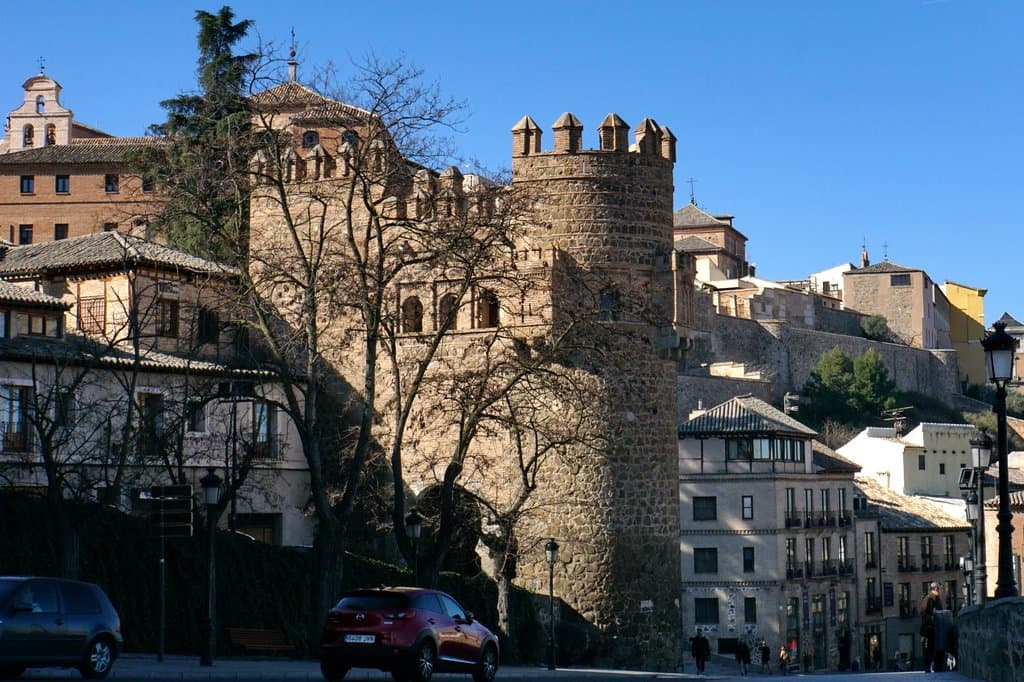
The Iglesia de San Román is located in the historic center of Toledo. It's easily accessible on foot from other major attractions like the Toledo Cathedral. If arriving by bus or train, you can take a taxi or walk through the charming streets to reach it.
Parking in Toledo's historic center is very limited and often restricted. It's best to park in one of the public parking garages outside the old town (like Safont or Estacion de Autobuses) and walk or take a local bus into the center.
Absolutely! Toledo is a very walkable city. The Iglesia de San Román is centrally located, making it easy to combine with visits to the Cathedral, Alcázar, or Jewish Quarter.
🎫 🎫 Tickets & Entry
The entrance to the Iglesia de San Román and the Museum of Visigothic Culture is completely FREE! This makes it an incredibly accessible and valuable historical experience.
Opening hours can vary, so it's always best to check locally or online before your visit. However, it's generally open during typical museum hours on weekdays and weekends.
No, booking tickets in advance is not necessary as the entry is free. You can typically walk in during opening hours.
While Toledo can get busy, the Museum of Visigothic Culture is often less crowded than some of the city's larger attractions, especially if you visit during weekday mornings.
🎫 🏛️ Onsite Experience
Inside, you'll find a remarkable collection of Visigothic artifacts, learn about the history of the building as a basilica, mosque, and church, and see beautifully restored frescoes.
The primary language for the exhibits is Spanish. However, many visitors find success using translation apps on their phones to read the information.
Unfortunately, there are no restroom facilities available on-site at the Iglesia de San Román. It's advisable to use facilities before or after your visit.
Yes, the building is a significant historical site, originally a Visigothic basilica, later converted into a mosque, and then reconverted into a church. Its architecture reflects these transformations.
Take your time to read the descriptions (even with translation) and observe the artifacts. The building's history is as important as the museum's collection.
📸 📸 Photography
Photography is generally allowed inside the museum, but it's always a good idea to check for any specific signage regarding flash photography or restrictions on certain exhibits.
The restored frescoes, the architectural details of the church, and the display of Visigothic artifacts offer excellent photographic opportunities.

Social
from TikTok, Instagram & Reddit