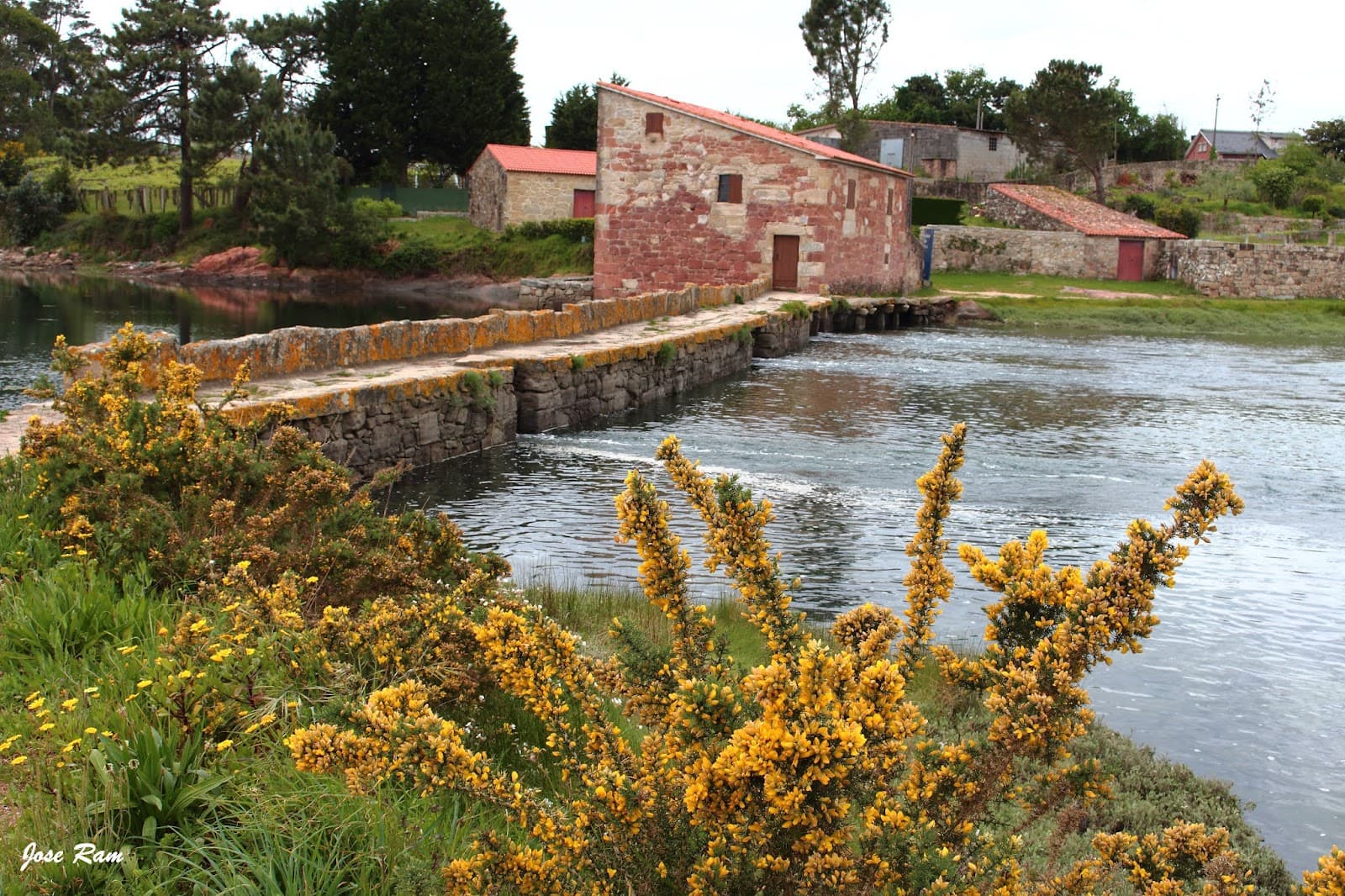
Muiño da Seca Tidal Mill
A 17th-century tidal mill powered by the sea, set against a backdrop of unique reddish stone architecture and scenic coastal walks.
Highlights
Must-see attractions

Social
From TikTok & Reddit
Best Time
See the mill in action
Muiño da Seca Tidal Mill
Best Time
See the mill in action
Highlights
Must-see attractions
A 17th-century tidal mill powered by the sea, set against a backdrop of unique reddish stone architecture and scenic coastal walks.
"A fascinating historical site where the power of the tides meets striking local architecture."
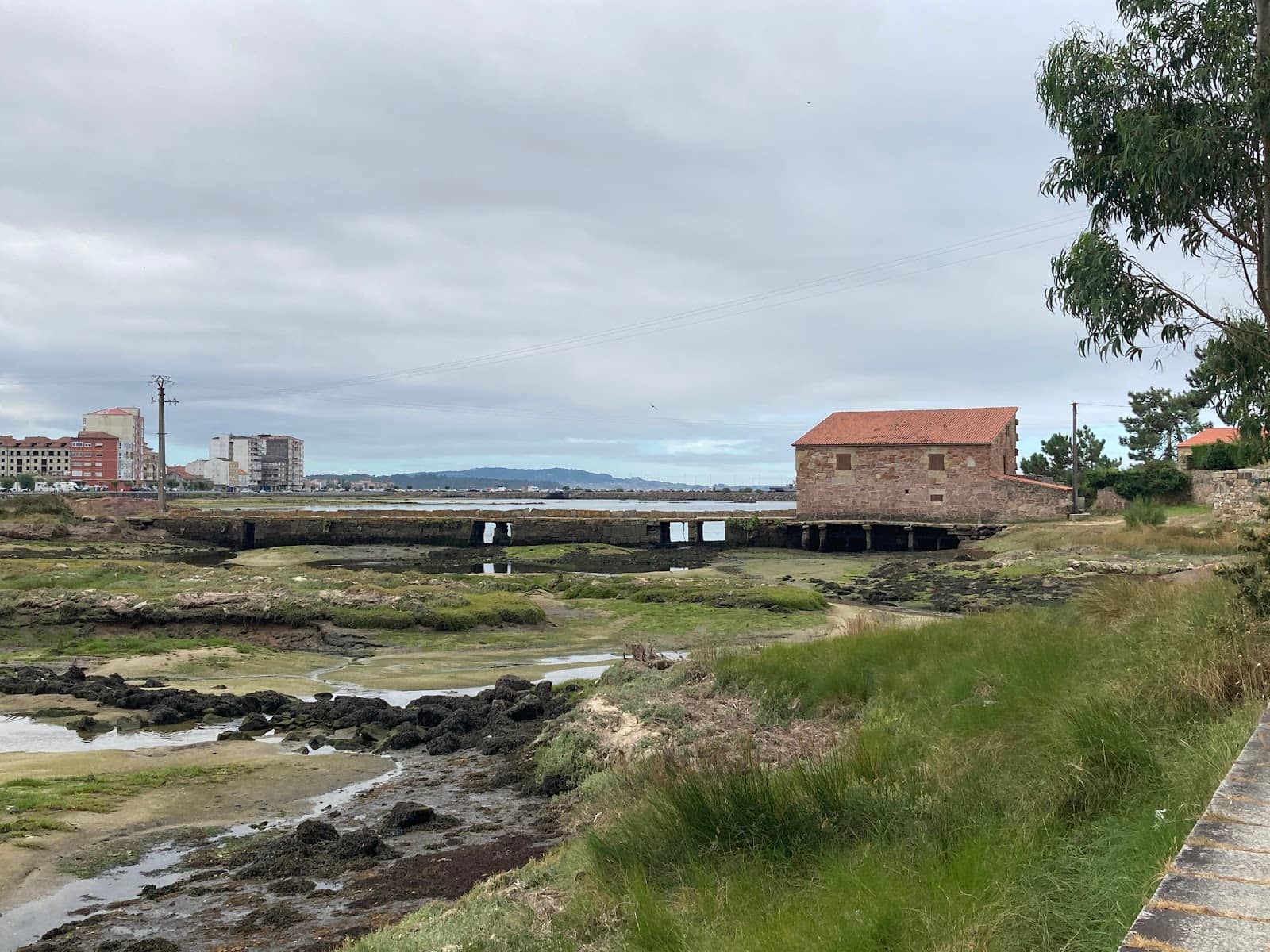
Check Tide Times First! 🌊
Crucial for seeing the mill work. Consult local tide charts before your visit to catch the action.
Wear Comfortable Shoes :athletic_shoe:
The Paseo de A Seca is a lovely walk, so comfortable footwear is recommended for exploring the area.
Quick Facts
Rating
4.2 · 68 reviews
Highlights
Discover the most iconic attractions and experiences
The Tidal Mill Mechanism
Main Mill Structure
Witness the ingenious system where tidal waters power four millstones, a testament to historical engineering.
Paseo de A Seca Walkway
Surrounding Area
Enjoy a scenic stroll along the 1,500m path, admiring the unique reddish stone architecture.
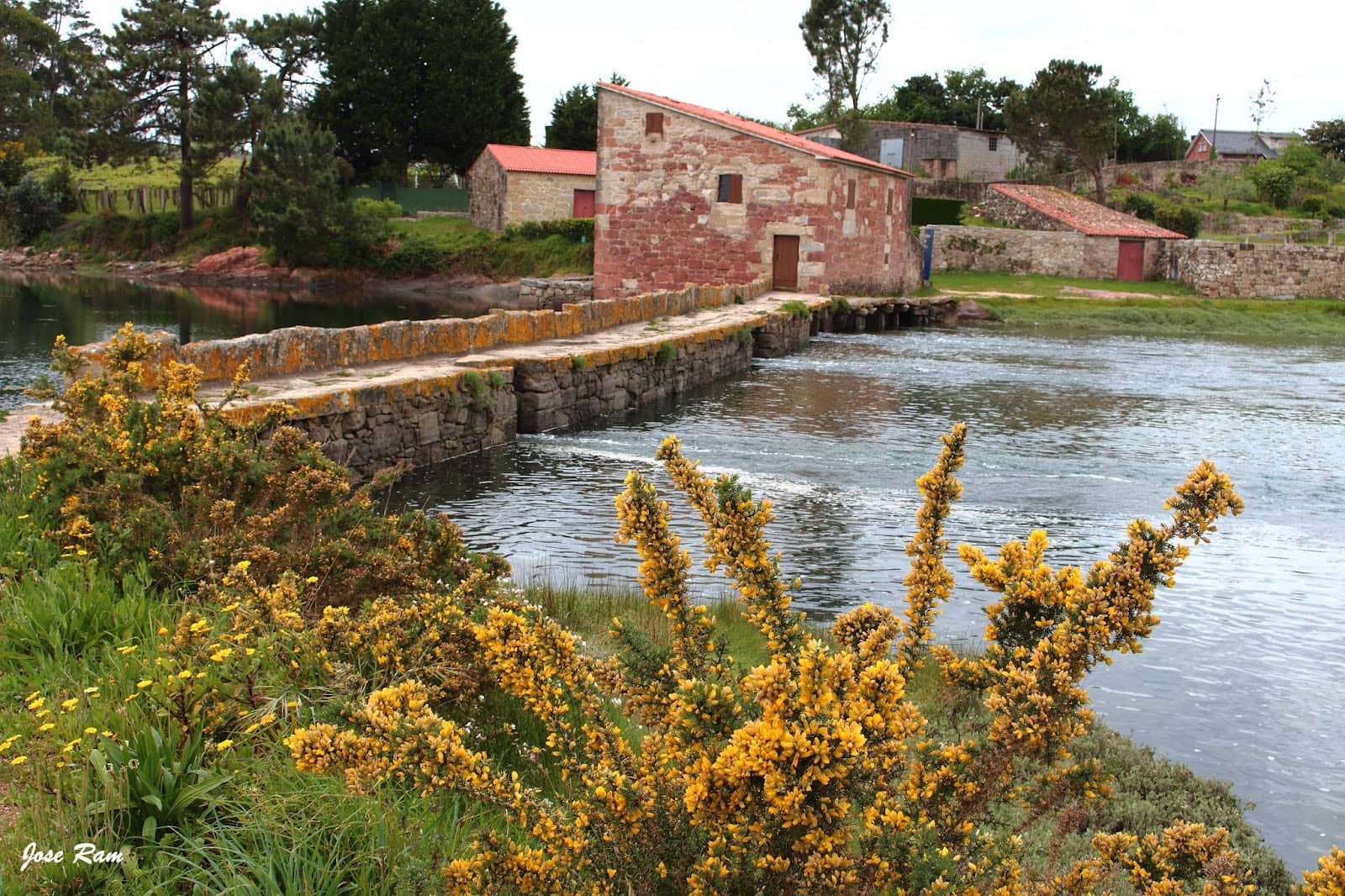
Restored Historic Architecture
Mill Building
Appreciate the fully restored 17th-century mill, a beautiful example of Galician heritage.
Plans like a pro.
Thinks like you
Planning Your Visit
Timing is Everything: Harnessing the Tides
Explore the Reddish Stone Surroundings
Best Times
Insider Tips
from TikTok, Instagram & Reddit
Check Tide Times First! 🌊
Crucial for seeing the mill work. Consult local tide charts before your visit to catch the action.
Wear Comfortable Shoes :athletic_shoe:
The Paseo de A Seca is a lovely walk, so comfortable footwear is recommended for exploring the area.
Appreciate the Reddish Stone 💎
The unique color of the stone is a defining feature. Take time to admire it up close.
Quiet & Serene Setting :peace_symbol:
Enjoy the peaceful atmosphere, perfect for a relaxing stroll and reflection.
Tips
from all over the internet
Check Tide Times First! 🌊
Crucial for seeing the mill work. Consult local tide charts before your visit to catch the action.
Wear Comfortable Shoes :athletic_shoe:
The Paseo de A Seca is a lovely walk, so comfortable footwear is recommended for exploring the area.
Appreciate the Reddish Stone 💎
The unique color of the stone is a defining feature. Take time to admire it up close.
Quiet & Serene Setting :peace_symbol:
Enjoy the peaceful atmosphere, perfect for a relaxing stroll and reflection.
What Travellers Say
Reviews Summary
Visitors are drawn to the Muiño da Seca Tidal Mill for its unique historical engineering and the striking beauty of its reddish stone architecture. The surrounding Paseo de A Seca offers a peaceful and scenic walk. However, the mill's operational status is entirely dependent on tide times, and interior access can be limited or unavailable due to repairs.
"Tide Mill of A Seca (Tragove / Cambados)
This tide mill was built by order of Don Gonzalo de Valladares, Viscount of Fefiñáns, who commissioned the work to Francisco Grie, a master stonemason, in 1622.
Its operation is based on the ebb and flow of the tides, which are used to power the four millstones, grinding up to 200 kg per millstone in two shifts, day and night.
The building has three floors, as it was also used as a home.
The reddish stone used in its construction is striking, and is present not only in the mill itself but also in the Paseo de A Seca area, a pleasant circular walkway of approximately 1,500 meters."
Lu Alar
"This mill gets its name because it runs on water that has been dammed by high tide. The current created by this water at low tide drives the mill's four millstones. The mill took advantage of the low tide, which lasted about three hours, to grind. Shifts were worked both day and night, and during this time, up to 200 kilos of grain could be ground."
Carlos Gago Dorna
"I like the area, and although the mill cannot be visited, if you are in the area, go see it."
assi aviles
What People Like
What People Dislike
Frequently Asked Questions
🚇 🗺️ Getting There
The Muiño da Seca Tidal Mill is located in Tragove, near Cambados, Spain. It's best accessed by car, with parking available nearby. Public transport options might be limited, so checking local bus routes in advance is advisable if you're not driving.
Yes, it's generally well-signposted in the area. The distinctive reddish stone construction makes it quite visible once you're close. Following signs for Tragove or the Paseo de A Seca should lead you there.
Many visitors enjoy walking the Paseo de A Seca, a pleasant circular path of about 1,500 meters that surrounds the mill and showcases the unique reddish stone. It's a great way to see the mill from different angles and enjoy the coastal scenery.
🎫 🎫 Tickets & Entry
Generally, access to view the exterior of the Muiño da Seca Tidal Mill and walk the surrounding Paseo de A Seca is free. However, it's always a good idea to check for any specific access restrictions or potential fees, especially if there are ongoing repairs or special events.
As it's primarily an exterior attraction and a historical site, there aren't strict 'opening hours' in the traditional sense for viewing the mill from the outside. However, if you wish to see it in operation, you must visit during low tide. Check local tide charts for the best times.
Information on interior access can vary. Some reviews mention it being closed for repair or not accessible for visits. It's best to inquire locally or check official tourism websites for the most current information on interior access.
The exterior viewing and the walkway are typically free. If there are any guided tours or specific exhibitions planned, there might be a fee, but this is not standard for casual visits.
🎫 🧭 Onsite Experience
The mill operates using tidal power, so the key is to visit during low tide. This is when the water flow is sufficient to turn the millstones. Always check local tide charts for the specific day you plan to visit to ensure you catch it in action.
The mill and the surrounding Paseo de A Seca are built with a distinctive reddish stone, which gives the area a unique and striking appearance. This local stone is a key characteristic of the architecture and the landscape.
To fully appreciate the mill and its surroundings, allow at least 1-2 hours. This will give you time to walk the Paseo de A Seca, observe the mill (if operational), and take in the peaceful atmosphere.
Information on nearby facilities can be scarce. It's advisable to use restrooms before arriving and perhaps pack some snacks and water, especially if you plan to spend a longer time exploring the walkway.
Absolutely! The unique architecture, the reddish stone, and the coastal setting make it a very photogenic spot. The golden hour light can be particularly beautiful on the stone.




Social
from TikTok, Instagram & Reddit