Tui Medieval Walls
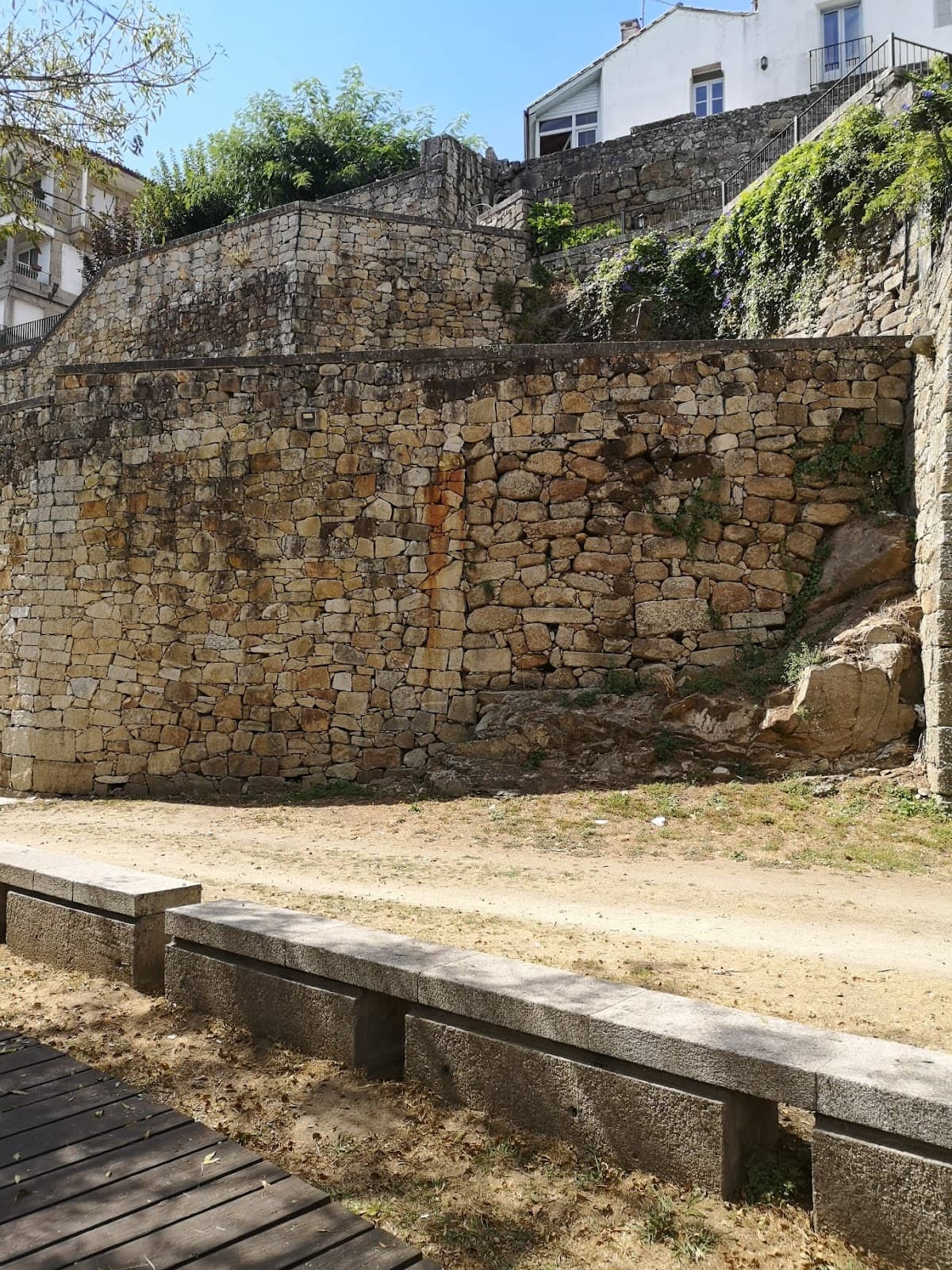
Explore the preserved remnants of Tui's medieval fortifications, including the historic Porta da Pía gate and riverside walls.
Highlights
Must-see attractions

Social
From TikTok & Reddit
Best Time
Fewer crowds, peaceful exploration
Tui Medieval Walls
Best Time
Fewer crowds, peaceful exploration
Highlights
Must-see attractions
Explore the preserved remnants of Tui's medieval fortifications, including the historic Porta da Pía gate and riverside walls.
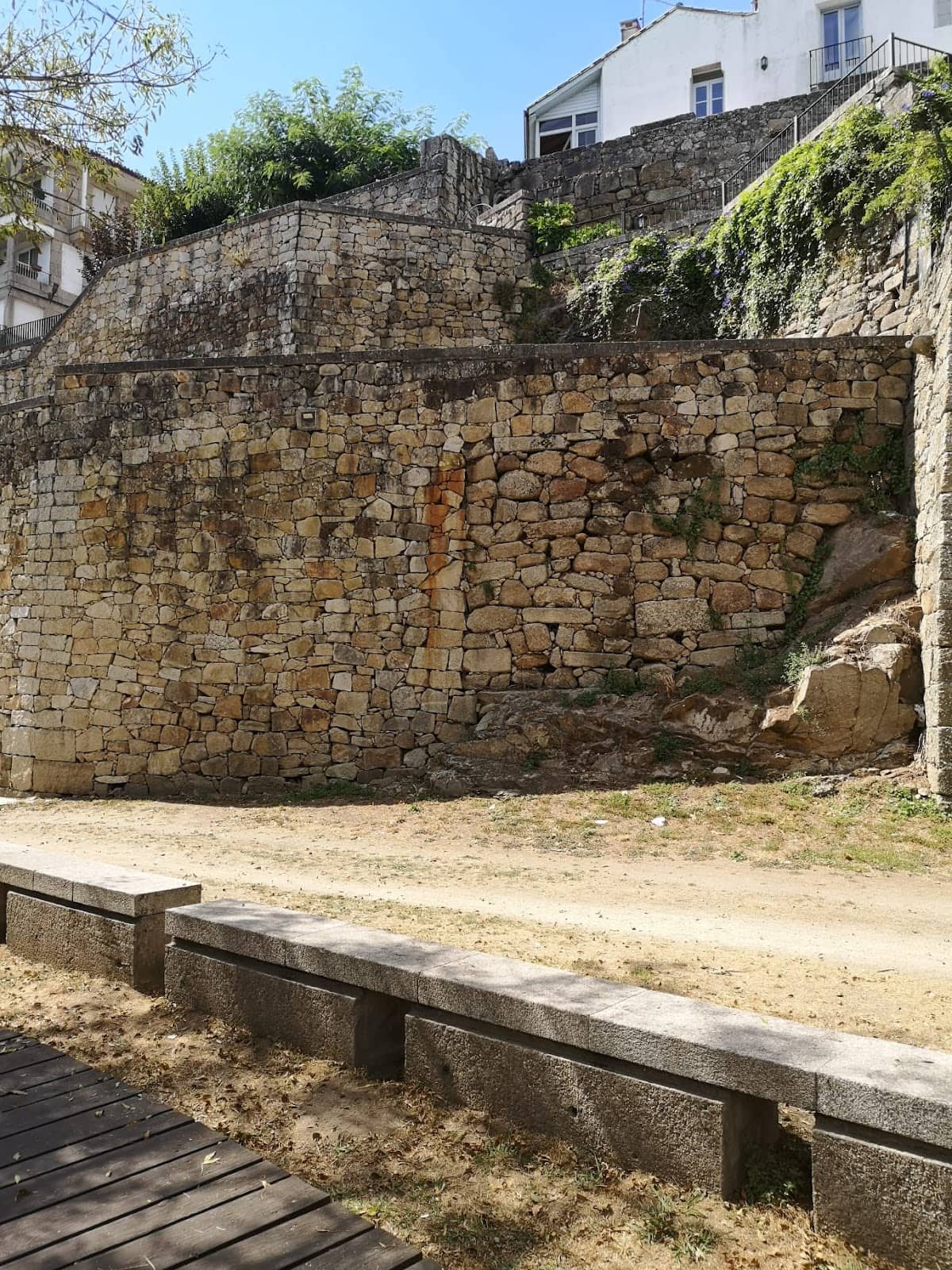
"Well-preserved remains of the wall that recall the city's other times."
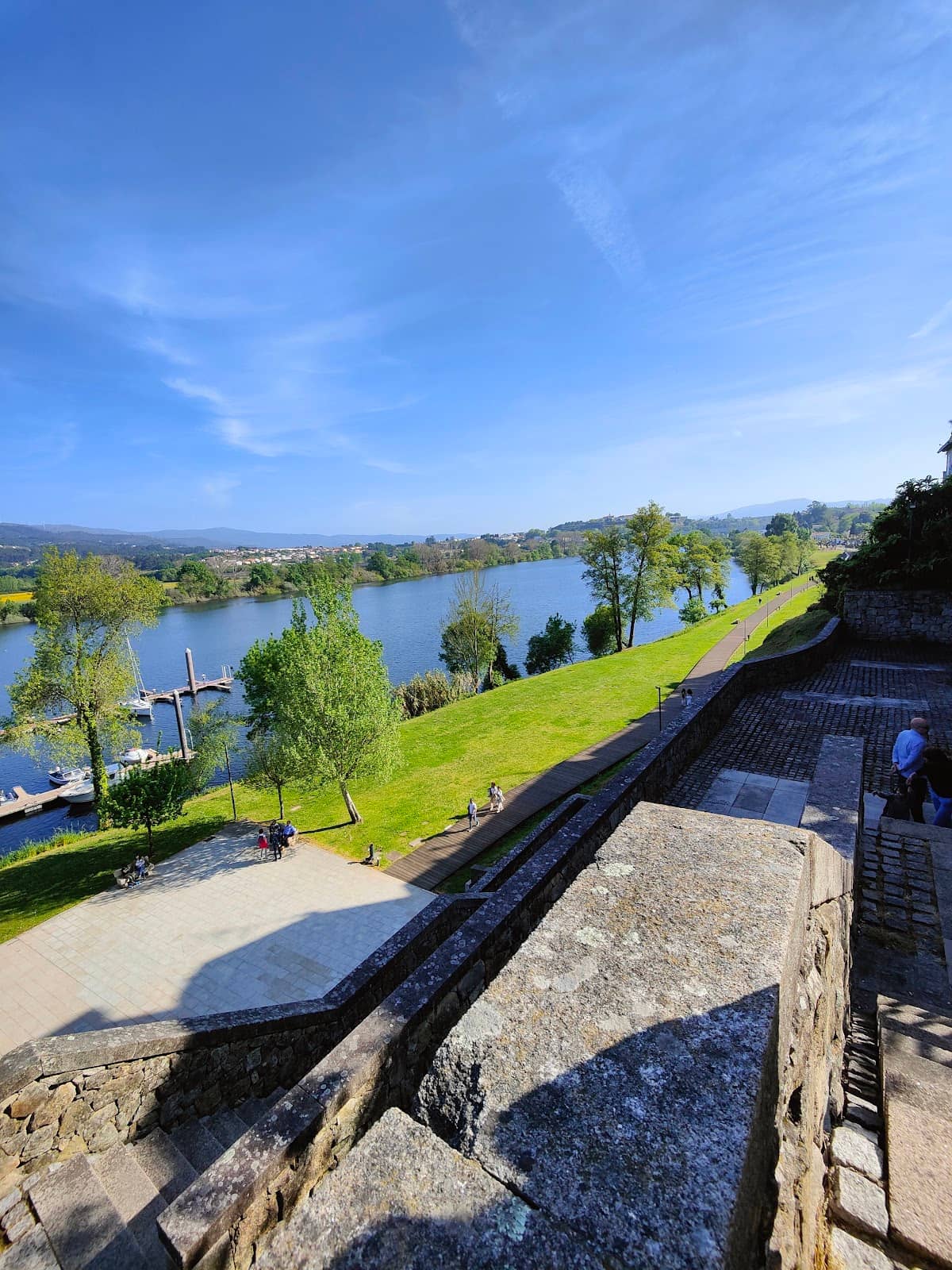
🚶♀️ Explore the Riverside
Walk along the Miño River for beautiful views and to see later wall fortifications. :camerawithflash:
🔍 Look for Plaques
While not always present, keep an eye out for historical markers to enhance your understanding. :informationdeskperson:
Quick Facts
Hours
Rating
4.6 · 21 reviews
Type
Historical Landmark
Address
Highlights
Discover the most iconic attractions and experiences
Porta da Pía Gate
Historic Center
The sole surviving gate of the medieval city, offering a glimpse into ancient access points.
Riverside Wall Remains
Miño River Walkway
Sections of the later, bastioned wall offering views of the Miño River and Portugal.
Preserved Defensive Towers
Historic Center
Watchtowers that once monitored the surrounding area, showcasing Tui's strategic importance.
Plans like a pro.
Thinks like you
Planning Your Visit
Timing Your Visit
Understanding the Remains
Best Times
Insider Tips
from TikTok, Instagram & Reddit
🚶♀️ Explore the Riverside
Walk along the Miño River for beautiful views and to see later wall fortifications. :camerawithflash:
🔍 Look for Plaques
While not always present, keep an eye out for historical markers to enhance your understanding. :informationdeskperson:
👟 Wear Comfortable Shoes
The historic center involves walking on uneven surfaces. :athletic_shoe:
Tips
from all over the internet
🚶♀️ Explore the Riverside
Walk along the Miño River for beautiful views and to see later wall fortifications. :camerawithflash:
🔍 Look for Plaques
While not always present, keep an eye out for historical markers to enhance your understanding. :informationdeskperson:
👟 Wear Comfortable Shoes
The historic center involves walking on uneven surfaces. :athletic_shoe:
What Travellers Say
Reviews Summary
Visitors appreciate the historical significance of the Tui Medieval Walls, particularly the Porta da Pía and the riverside remnants, which offer beautiful views. While the walls are not fully intact, they provide a tangible connection to Tui's past and its strategic importance. Some reviewers noted a lack of signage, which could enhance the visitor experience.
"One of the most interesting medieval cities to visit in Galicia is the city of Tui. One of the legacies of this medieval period are the remains of the walls that controlled access to the urban center and gave a defensive appearance to the entire city. The city of Tui preserves remains of both its first medieval wall and the one that was built later in the context of the wars with Portugal.
The first documented reference to the fortress of Tui dates back to 1125, in an order issued by Queen Teresa of Portugal to reform the defensive structure. However, the actual construction of the walls that constitute Tui's defensive structure did not occur until King Ferdinand II issued an order in 1170 to relocate the population and begin raising the necessary funds to build the walls, the fortress, the tower, and the episcopal palace.
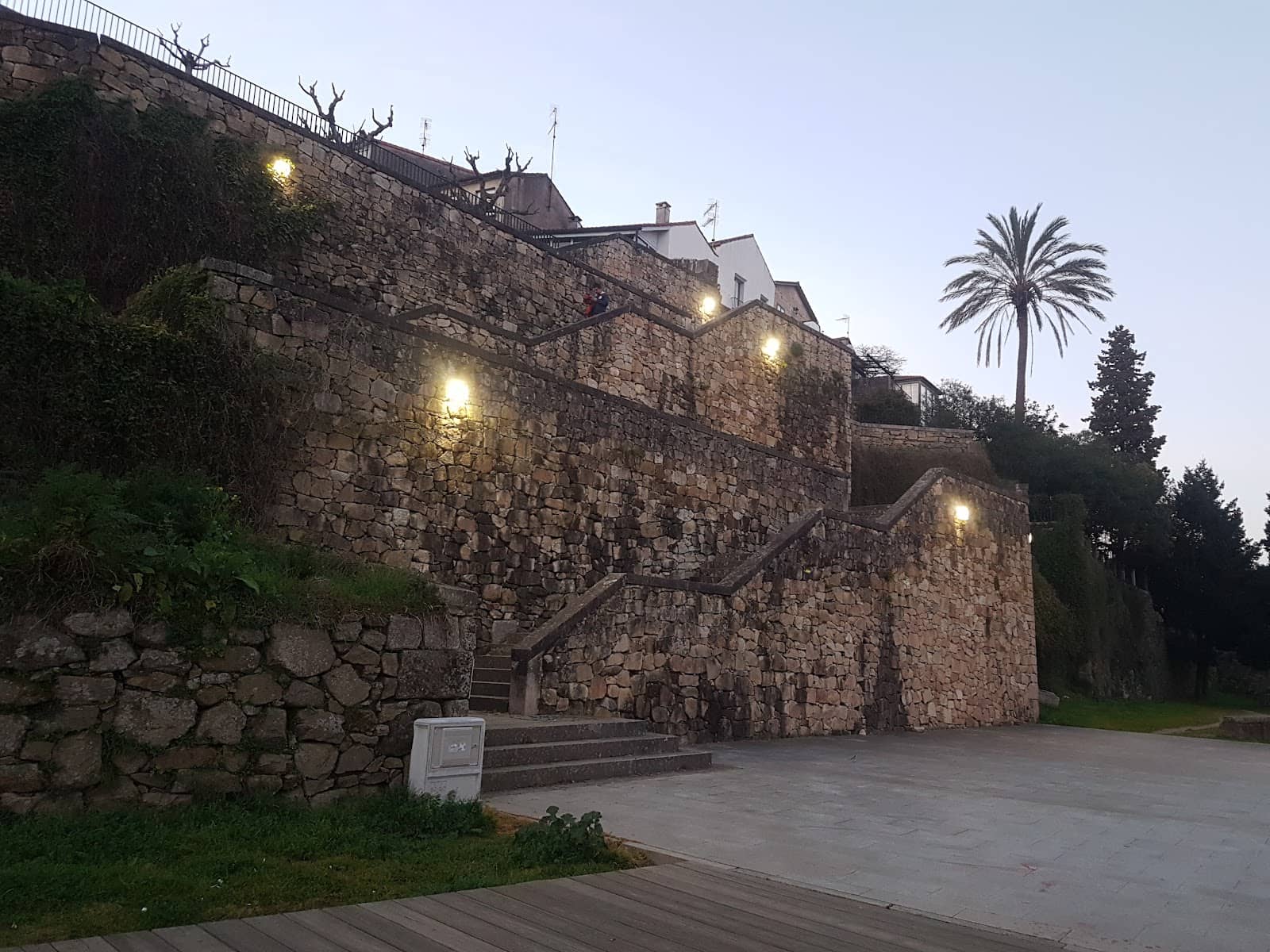
Along with those of Lugo, the walls of Tui are the oldest preserved in all of Galicia. The original wall was reinforced centuries later, during the 17th and 18th centuries, with another bastioned wall.
The medieval wall preserves three different sections that have unfortunately been significantly modified in modern times. It was built of granite ashlar laid out in horizontal courses.
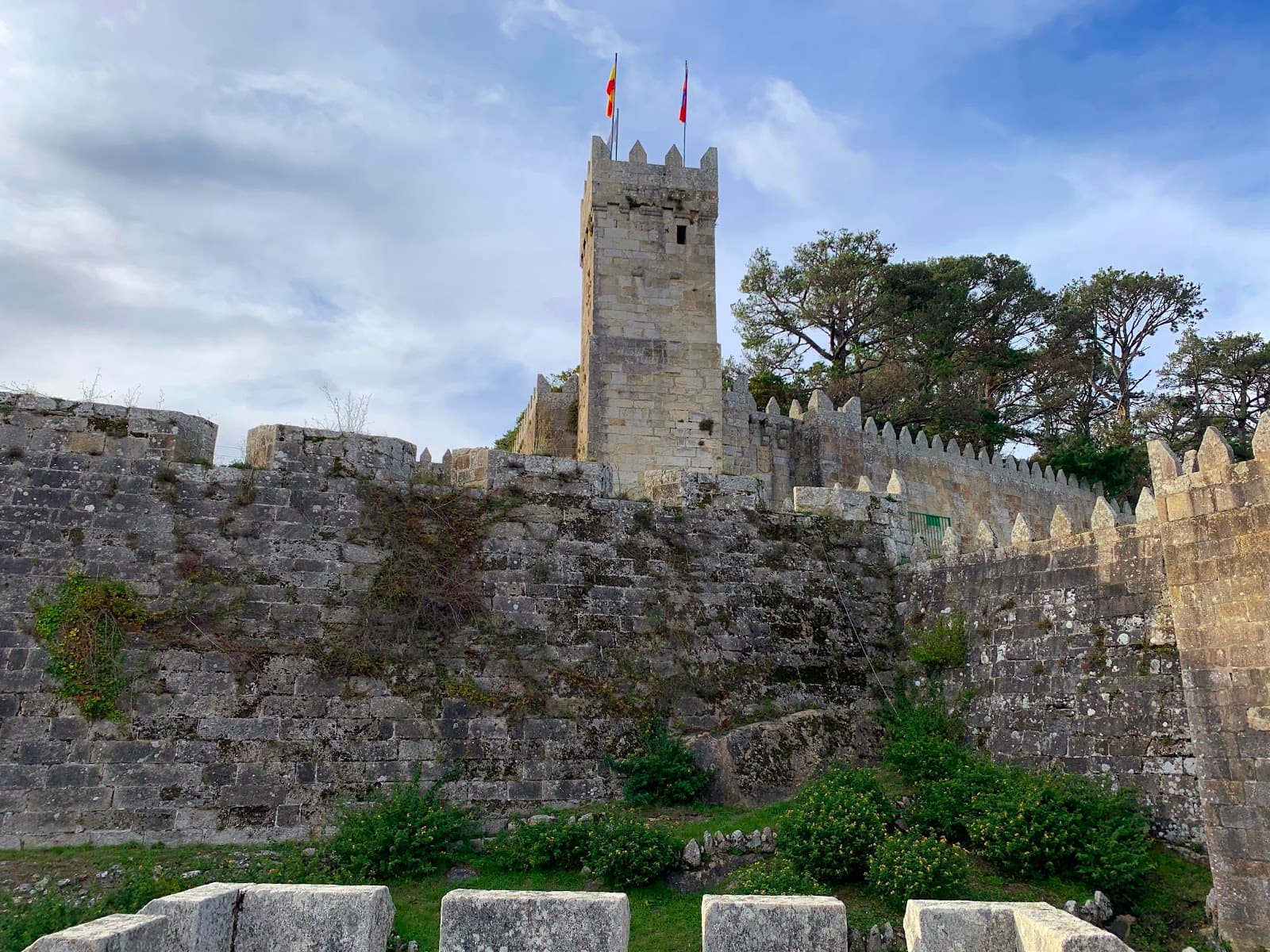
Today, only a few remains of what were once the ancient walls remain, located in the historic center. These are short sections of the wall and three defensive towers that, along with those that can be guessed from their remains, served as watchtowers to monitor the surrounding area.
It is known that access to the medieval city could be gained through four main gates. Only one of these gates, known as Porta da Pía, that gave access to the city through the walls, has survived. Although it is currently walled up, its shutters and the base of the defensive tower are still visible. This access served to connect the main part of the city with the A Corredoira suburb and the Muíños River, from where the Royal Road to Baiona arrived.
Along with the section where the Porta da Pía was located, there are two more that are still partially preserved today. One near Ordóñez Street and another parallel to the river entrance, where the remains of a tower can be seen.
Along the riverside walkway, we can also see the remains of the later walled system, which was larger and was built to offer greater protection to the town in a climate of bellicosity resulting from the wars with Portugal, a neighboring country located on the other side of the Miño River."
restitutio integrum
"It's good to highlight our history, and Tuy does a good job of that, although I do miss having a plaque or sign to commemorate it. Otherwise, it's quite well preserved."
Jaime Allegue
"Both the wall, which displays features of the period, surrounded by the modernity of new constructions, and the riverside promenade, undoubtedly offering beautiful views of the Minho River and the Valençã fortress in Portugal."
Evanklipse Evanklipse
What People Like
What People Dislike
Frequently Asked Questions
🚇 🗺️ Getting There
Tui is accessible by car, with parking available near the historic center. Public transport options include buses from nearby cities like Vigo. The walls are located within the old town, easily explored on foot once you arrive.
The medieval walls are integrated into the historic center of Tui. Following signs for the 'Casco Histórico' or 'Catedral' will lead you to the general area where wall remnants can be found.
Access to the immediate vicinity of the wall remains might be restricted for vehicles due to narrow streets in the historic center. It's best to park and explore on foot.
🎫 🎫 Tickets & Entry
No, the remains of the medieval walls are publicly accessible and do not require an entrance fee. You can explore them freely as part of the historic city.
As the walls are part of the city's historic fabric, there are no set opening hours. You can visit them at any time, though daylight hours are recommended for better visibility and safety.
There is no admission fee to view the preserved sections of the Tui medieval walls. They are an integral part of the city's landscape.
While official guided tours specifically for the walls might be limited, local tourist information centers may offer general city tours that include historical sites like the walls.
🎫 🧭 Onsite Experience
The best way is on foot, wandering through the historic center and along the riverside promenade. Wear comfortable shoes as the terrain can be uneven.
Allow at least 1-2 hours to explore the main sections of the walls, the Porta da Pía, and enjoy the riverside views. This can be extended if you wish to explore the broader historic center.
Some sections, particularly along the riverside promenade, are relatively flat and accessible. However, the historic center and some wall remnants have uneven terrain and steps, which may pose challenges for strollers and wheelchairs.
The riverside walkway offers great perspectives of the walls with the Miño River and Portugal in the background. The Porta da Pía area also provides good photographic opportunities.
Restrooms are typically available in cafes, restaurants, and public facilities within the historic center of Tui.
📸 📸 Photography
Late afternoons offer beautiful golden hour light, enhancing the textures of the stone. Early mornings can also be good for softer light and fewer people.
A standard camera or smartphone is sufficient. Consider a wide-angle lens to capture the scale of the wall sections and the surrounding landscape.
Try capturing the Porta da Pía from different angles. The riverside promenade provides excellent vantage points for panoramic shots of the wall remnants against the river.


Social
from TikTok, Instagram & Reddit