Antigua Alhóndiga Zafra
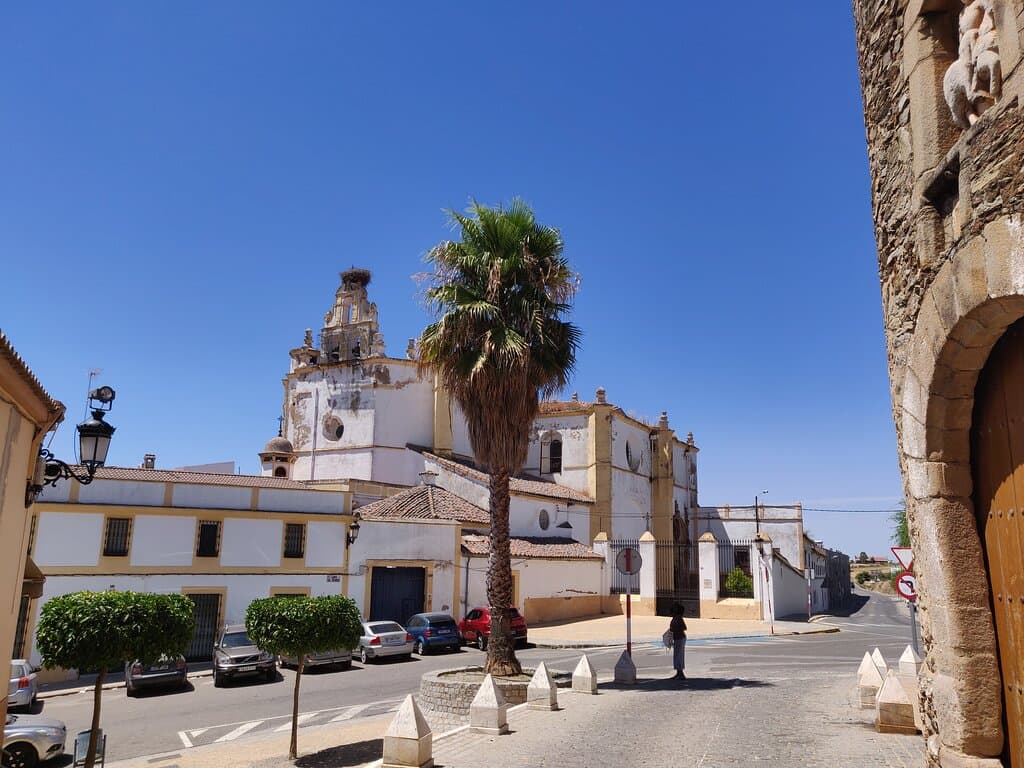
A historic 17th-century arch and tower, once Zafra's main northern gate, offering a glimpse into medieval life.
Highlights
Must-see attractions

Social
From TikTok & Reddit
Best Time
Fewer crowds, peaceful exploration
Antigua Alhóndiga Zafra
Best Time
Fewer crowds, peaceful exploration
Highlights
Must-see attractions
A historic 17th-century arch and tower, once Zafra's main northern gate, offering a glimpse into medieval life.
"A discreet arch, almost more so in this location than the wall that continues behind the arch."
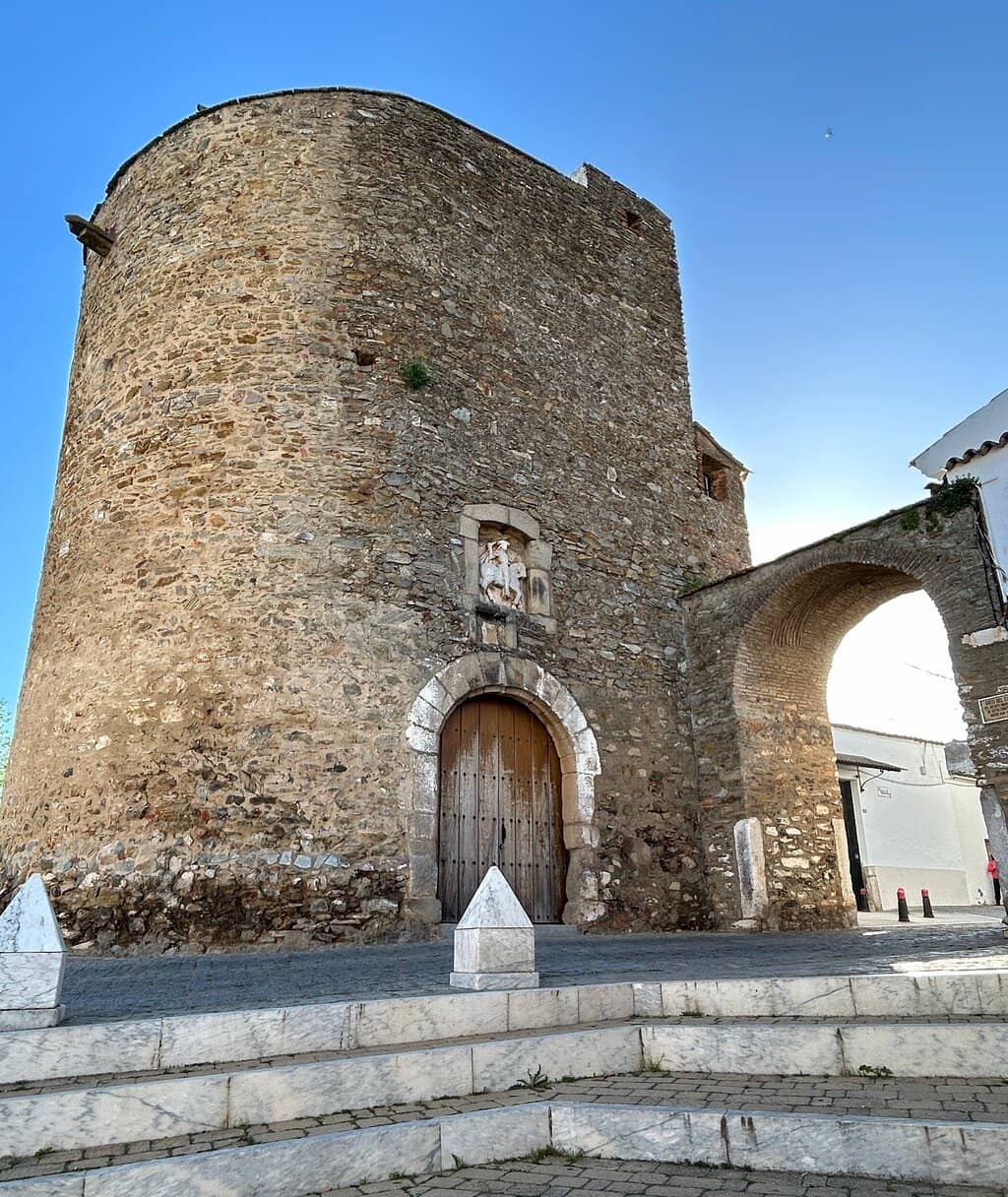
📸 Capture the Archway
The arch is a key photo spot. Try different angles to showcase its historical significance and the street beyond. :camerawithflash:
🚶♂️ Explore Beyond
Don't just stop at the arch. Walk through Calle Tetuán to discover more of Zafra's charming streets and plazas. 🚶
Quick Facts
Hours
Rating
4.4 · 238 reviews
Type
Historical Landmark
Highlights
Discover the most iconic attractions and experiences
The North Gate Arch
Entrance to Calle Tetuán
A 17th-century arch, once the main gateway to medieval Zafra, leading towards Badajoz.
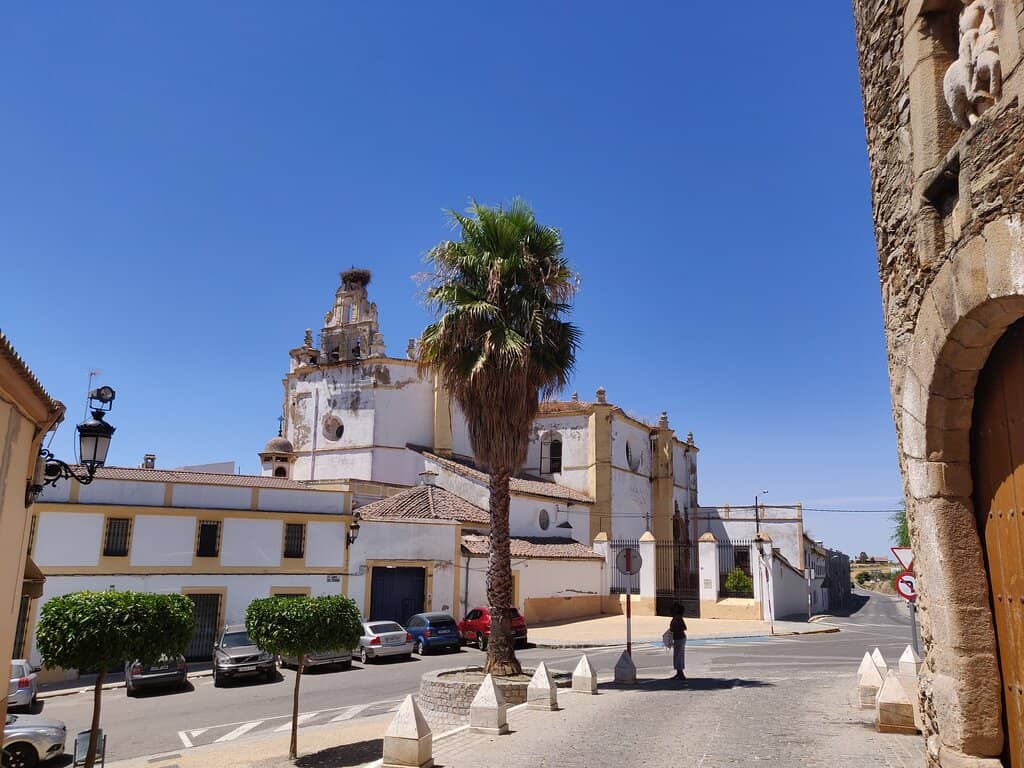
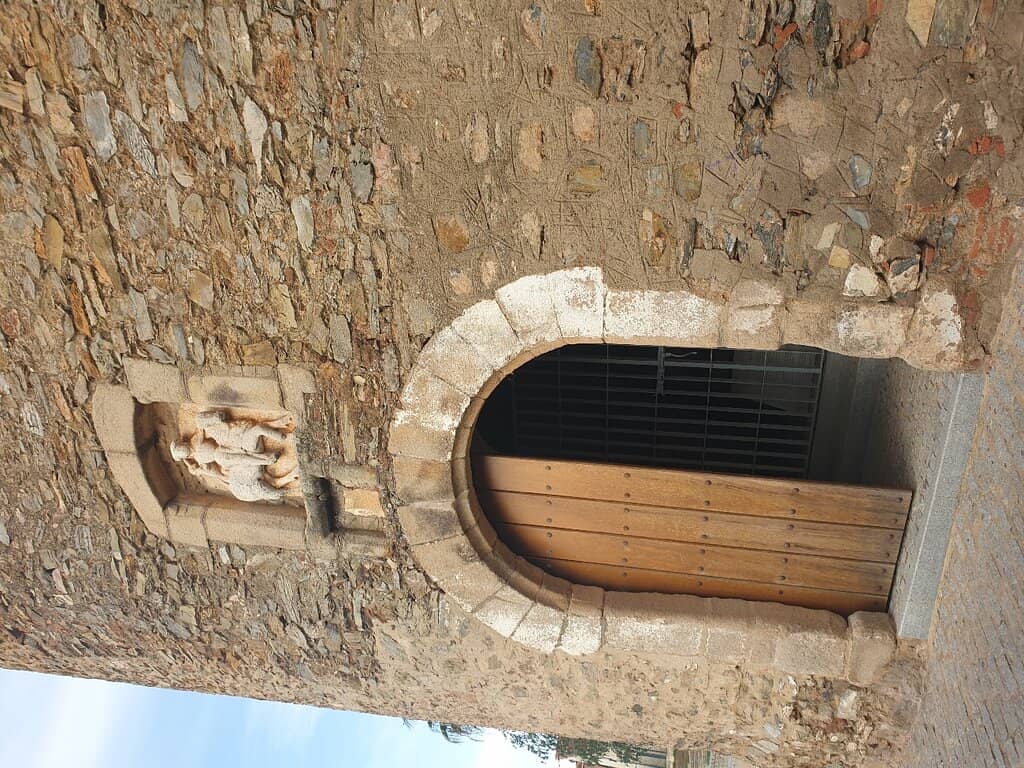
Tower of Santiago Matamoros
Adjacent to the arch
Features an equestrian statue of Saint James, hinting at Zafra's connection to the Order of Santiago.
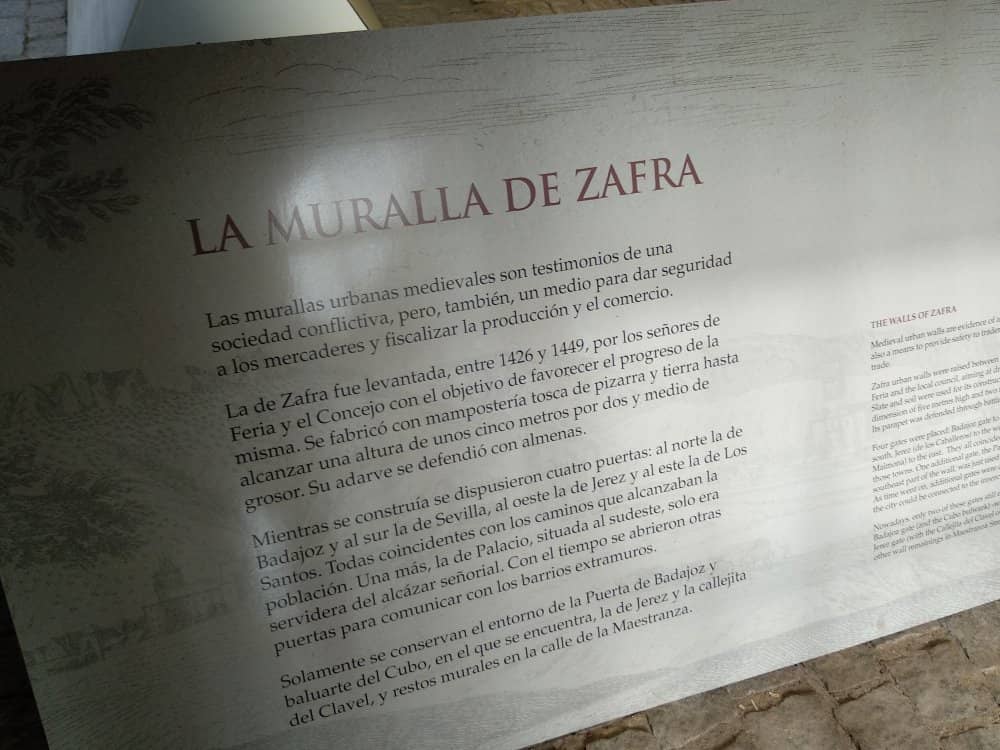
Calle Tetuán
Beyond the arch
The street you enter after passing through the arch, leading towards the Plaza Grande.
Plans like a pro.
Thinks like you
Planning Your Visit
Timing Your Visit
Understanding Its Significance
Best Times
Insider Tips
from TikTok, Instagram & Reddit
📸 Capture the Archway
The arch is a key photo spot. Try different angles to showcase its historical significance and the street beyond. :camerawithflash:
🚶♂️ Explore Beyond
Don't just stop at the arch. Walk through Calle Tetuán to discover more of Zafra's charming streets and plazas. 🚶
🧐 Understand the History
Read up on its role as the Puerta de Badajoz to truly appreciate its medieval importance. 📚
Tips
from all over the internet
📸 Capture the Archway
The arch is a key photo spot. Try different angles to showcase its historical significance and the street beyond. :camerawithflash:
🚶♂️ Explore Beyond
Don't just stop at the arch. Walk through Calle Tetuán to discover more of Zafra's charming streets and plazas. 🚶
🧐 Understand the History
Read up on its role as the Puerta de Badajoz to truly appreciate its medieval importance. 📚
What Travellers Say
Reviews Summary
Visitors find the Antigua Alhóndiga Zafra to be a charming and historically significant gateway to Zafra. Its role as the former Puerta de Badajoz and the presence of the Santiago Matamoros statue are frequently highlighted as points of interest. While some note its discreet nature, most appreciate it as an authentic piece of the town's medieval heritage.
"Another great town in the badajoz province"
Mauricio Burgos
"This arch opens onto what was once the northern gate of the wall, the one that opened onto the road to Badajoz, hence its name. It features an image of Saint James. What really draws attention is the tower. Once through the arch, we enter Calle Tetuán, which leads to Plaza Grande."
Elena De Miguel
"One of the gateways to medieval Zafra.
A must-see."
Andres Castillejo
What People Like
What People Dislike
Frequently Asked Questions
🚇 🗺️ Getting There
The Antigua Alhóndiga Zafra is located in the heart of Zafra, Spain. If you are arriving by car, there is parking available in the nearby streets or public parking lots. For those using public transport, Zafra has a bus station and a train station, from which you can walk to the monument.
Yes, the monument is situated in a central area of Zafra and is easily accessible on foot from most parts of the town. The surrounding streets are generally pedestrian-friendly.
Zafra is well-connected by road. The A-66 highway is nearby. If traveling by train, the Zafra railway station serves regional lines. Bus services also connect Zafra to major cities in Extremadura and beyond.
🎫 🎫 Tickets & Entry
No, the Antigua Alhóndiga Zafra, which includes the arch and the tower, is an open monument. You can view and walk through it freely without needing a ticket. 🆓
As it's an outdoor monument and a public thoroughfare, there are no specific opening or closing hours. You can visit it at any time of day or night. :clock1:
There is no entrance fee to access the arch or view the tower. It is a historical landmark integrated into the town's fabric. :moneywithwings:
Yes, you can visit the Antigua Alhóndiga Zafra at night. It is illuminated, offering a different, atmospheric perspective. However, be mindful of your surroundings and any local regulations.
📸 📸 Photography
The best times for photography are during the 'golden hours' – shortly after sunrise and before sunset. The soft light enhances the textures of the stone and creates beautiful shadows. Weekday mornings also offer fewer people for unobstructed shots.
You can capture the archway itself, framing the street beyond, or focus on the details of the stonework. The tower with the statue of Santiago Matamoros is also a key photographic subject. Consider wide-angle shots to include the surrounding context.
Generally, there are no restrictions on photography for personal use at the Antigua Alhóndiga Zafra. However, always be respectful of the area and any private residences or businesses nearby.
🎫 🏛️ Historical Context
The Antigua Alhóndiga Zafra served as the Puerta de Badajoz, the northern gate of medieval Zafra. It was a crucial entry point into the walled town, connecting it to the important road leading to Badajoz. The adjacent tower housed the figure of Santiago Matamoros, reflecting the town's ties to the Order of Santiago.
While the original gate was part of the medieval wall, the current archway is a later construction, dating from the 17th century. It replaced or was built alongside the older gate structure.
The equestrian statue of Santiago Matamoros (Saint James the Moor-slayer) on the tower highlights Zafra's historical connection to the powerful Order of Santiago. This order played a significant role in the region's history and economy.
Social
from TikTok, Instagram & Reddit