
Jetavanaramaya Anuradhapura
A colossal ancient stupa, once the world's tallest, showcasing Sri Lanka's architectural genius and deep Buddhist heritage.
Highlights
Must-see attractions

Social
From TikTok & Reddit
Best Time
Cooler temperatures, fewer crowds
Jetavanaramaya Anuradhapura
Best Time
Cooler temperatures, fewer crowds
Highlights
Must-see attractions
A colossal ancient stupa, once the world's tallest, showcasing Sri Lanka's architectural genius and deep Buddhist heritage.
"The sheer scale of the monument is breathtaking, and walking around its base, you can feel the deep spiritual energy."
👟 Wear Comfy Shoes
You'll be doing a lot of walking on mostly level ground.
💧 Stay Hydrated
Carry plenty of water, especially during hotter months.

Highlights
Discover the most iconic attractions and experiences
The Colossal Stupa
Jetavanaramaya Monastery Ruins
Once the world's tallest stupa, its sheer scale is breathtaking. A true ancient architectural marvel.

Jetavanaramaya Museum
Adjacent to the stupa
Discover ancient artifacts, including the famous Avalokiteshvara head and gold plates.

Monastic Ruins
Surrounding the stupa
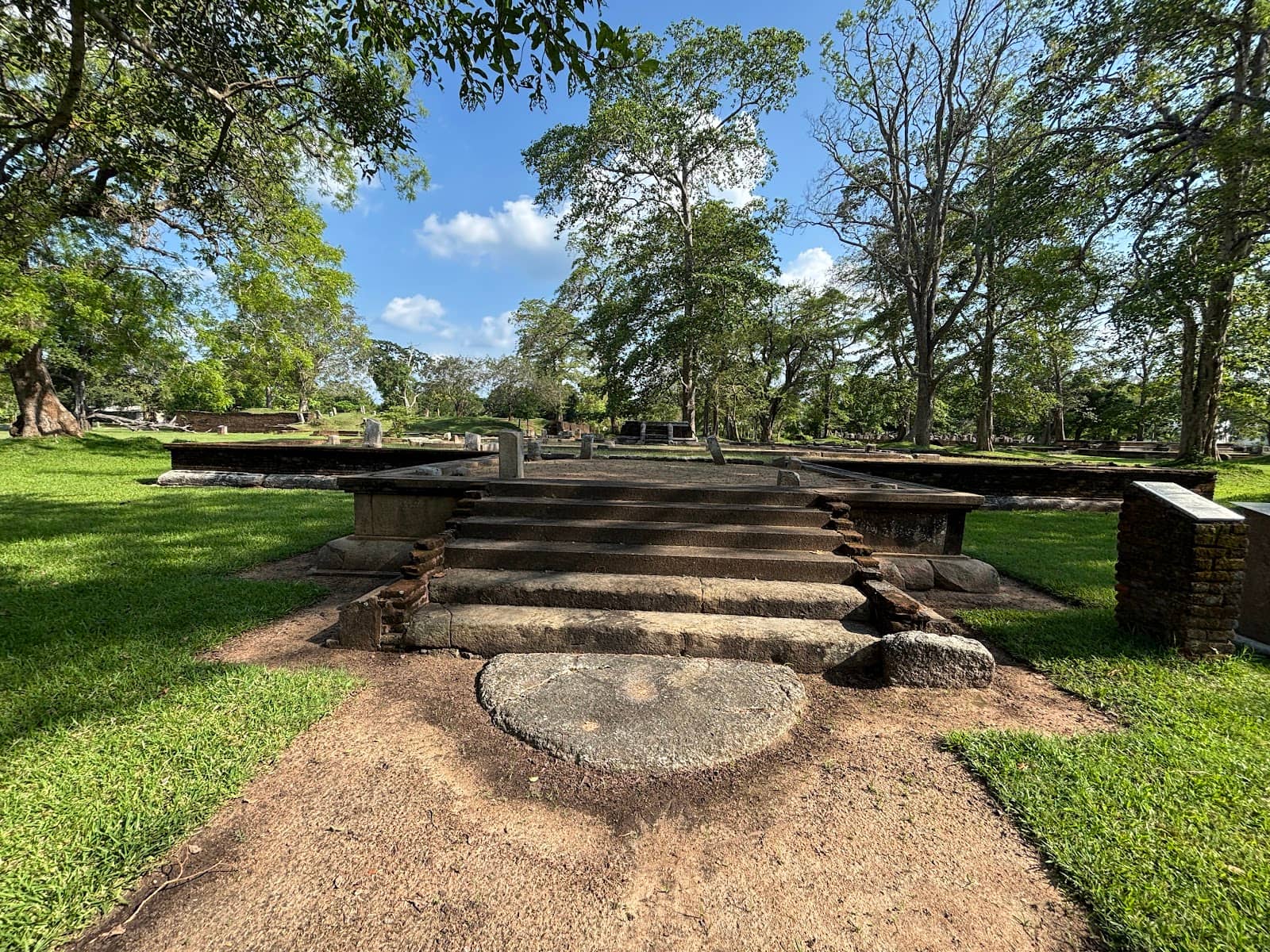
Explore the remnants of a vast monastic complex that once housed thousands of monks.
Plans like a pro.
Thinks like you
Planning Your Visit
Beat the Heat and Crowds
Respectful Attire is Key
Best Times
Insider Tips
from TikTok, Instagram & Reddit
👟 Wear Comfy Shoes
You'll be doing a lot of walking on mostly level ground.
💧 Stay Hydrated
Carry plenty of water, especially during hotter months.
☀️ Sun Protection
A hat and sunscreen are essential for exploring the open grounds.
💰 Entry Fees Apply
Be prepared for an entrance fee to access the site.
Tips
from all over the internet
👟 Wear Comfy Shoes
You'll be doing a lot of walking on mostly level ground.
💧 Stay Hydrated
Carry plenty of water, especially during hotter months.
☀️ Sun Protection
A hat and sunscreen are essential for exploring the open grounds.
💰 Entry Fees Apply
Be prepared for an entrance fee to access the site.
🐒 Wildlife Sightings
Keep an eye out for monkeys and various bird species!
What Travellers Say
Reviews Summary
Visitors are consistently awestruck by Jetavanaramaya's monumental scale and architectural brilliance, calling it a true wonder of ancient Sri Lanka. The site's historical and religious significance, coupled with its peaceful atmosphere, makes it a deeply impressive experience. Some note the extensive walking and the need for sun protection and modest attire.
"Jethawanaramaya is one of the most impressive ancient stupas in the world and a true wonder of Anuradhapura. Standing tall and majestic, it showcases the engineering brilliance and devotion of ancient Sri Lanka. The peaceful surroundings, combined with its sheer scale and historical importance, make it a must-visit site for anyone exploring the sacred city"
Janaka Neranjan
"1. Monumental Scale & Architectural Feats
Original Height & Scale: Built in the 3rd century CE by King Mahasena (273–301 CE) and completed by his son Sirimeghavanna, Jetavanaramaya originally soared to 122 meters (400 ft) in height—making it the third-tallest structure in the ancient world, after the pyramids of Giza. It held the title of tallest non-pyramidal building of its time.
Current Height: Following centuries of neglect and later renovation by King Parakramabahu I in the 12th century, the stupa today stands at approximately 71–72 meters (232–249 ft) tall.
Base Area & Magnitude: Its base spans a vast 233,000 m², or over 2.5 million ft², making it one of the largest brick structures ever built.
Construction Materials: Approximately 93 million baked bricks were used—highlighting advanced engineering and material science of ancient Sri Lankan builders.
2. Religious & Cultural Importance
Enshrined Relic: Jetavanaramaya was built to enshrine a relic—widely believed to be a part of the belt (or sash) tied by the Buddha—making it a highly venerated site.
Sectarian and Political Context: Its construction followed religious tensions between the Maha Vihara and Abhayagiri sects. Built on the site of the former, the stupa symbolized both religious conflict and reconciliation in Sri Lanka’s history.
Monastic and Scholarly Hub: The stupa formed the heart of a sprawling monastic complex that housed up to 10,000 monks across approximately 5.6 hectares, comprising chapter houses, image houses, and residential facilities.
3. Architectural Highlights within the Complex
Image House (Patimaghara): Boasts a monolithic entrance with stone pillars reaching 27 ft, and once housed a 37 ft-high limestone Buddha image inside—suggesting the whole structure rose to about 50 ft (15 m).
Chapter House (Uposathaghara): A multi-storied hall supported by 176 stone pillars for religious rituals and monastic governance.
Residential Layout: Monk quarters (Pancavasa) was arranged as four smaller units around a central senior monk’s residence, with architectural embellishments like moonstones, guard stones, and balustrades.
4. Excavation, Preservation & Relics
Modern Excavations: Archaeological investigations uncovered a one-meter-thick brick wall, along with ash and charcoal—possibly marking a cremation chamber for Mahinda Thero, the sage who introduced Buddhism to Sri Lanka.
Artifacts & Museum: The Jethawanaramaya Museum hosts a range of artifacts—from the Avalokiteshvara head, inscriptions, to gold plates inscribed with Mahayana sutras in 9th-century Sinhala, beads, reliquaries, Roman/Dutch/British coins, and ritual objects—evidencing the temple’s cultural and trade connections.
Restoration Efforts: Systematic conservation, including rebuilding using traditional bricks, began in the early 20th century and intensified in the late 1990s, though progress remains slow due to factors like brick shortages and past civil conflict.
Why Jetavanaramaya Matters
Aspect Significance
Architectural Marvel Largest brick structure of its era, showcasing extraordinary engineering and scale.
Religious Center Home to relics of the Buddha and a beacon for Buddhist pilgrims and scholars alike.
Cultural Symbol Embodies religious discord and reconciliation in Sri Lankan history.
Historical Repository Archaeological finds (e.g., gold plates) illuminate regional religious doctrine and trade.
Preservation Legacy Ongoing restoration reflects Sri Lanka’s commitment to heritage."
Shaluka Karunarathna
"Visiting Jethawanaramaya in Anuradhapura is a truly humbling and awe-inspiring experience. As one of the tallest and most significant brick structures of the ancient world, this massive stupa stands as a testament to Sri Lanka’s rich Buddhist heritage and architectural brilliance. The sheer scale of the monument is breathtaking, and walking around its base, you can feel the deep spiritual energy that still lingers in the air. Surrounded by ancient ruins, serene landscapes, and centuries of history, the site offers a peaceful escape from the hustle and bustle of daily life. The craftsmanship and symmetry of the stupa are remarkable, especially considering it was built over 1,800 years ago. It’s a place that not only connects you with Sri Lanka’s ancient past but also invites reflection and mindfulness. Whether you are a local pilgrim or a curious traveler, Jethawanaramaya is a must-visit site in the Cultural Triangle. Early mornings or late afternoons are ideal for visiting, especially when the sun casts a golden glow on the brickwork. Don’t forget to dress modestly and respect the sacredness of the site. This is more than just a monument — it’s a living legacy of devotion and history."
Ramidu Ranashanka
What People Like
What People Dislike
Frequently Asked Questions
🚇 🗺️ Getting There
Jetavanaramaya is located within the ancient city of Anuradhapura, a UNESCO World Heritage Site. You can reach Anuradhapura by bus or train from major cities like Colombo. Once in Anuradhapura, tuk-tuks are readily available to take you to the Jetavanaramaya complex.
Yes, there is plenty of parking available around the Jetavanaramaya complex, making it accessible for those traveling by car or hired vehicle.
Absolutely! Jetavanaramaya is one of the key sites in Anuradhapura and can easily be included in a day trip to explore the ancient city's wonders.
Many visitors opt for tuk-tuks to navigate between the various ancient sites in Anuradhapura, including Jetavanaramaya. This allows for flexibility and easy stops.
Yes, local guides can be hired at the entrance to the ancient city or through tour operators. They can provide in-depth historical context and stories about Jetavanaramaya and other sites.
🎫 🎫 Tickets & Entry
Yes, an entrance fee is required to visit Jetavanaramaya and the other ancient sites within the Anuradhapura UNESCO World Heritage Zone. It's advisable to purchase a combined ticket if you plan to visit multiple sites.
The ancient city of Anuradhapura, including Jetavanaramaya, is generally open from morning until evening. It's best to visit during daylight hours for exploration.
Photography is generally allowed at Jetavanaramaya, but always be respectful of the sacred nature of the site. Avoid intrusive photography, especially during religious ceremonies.
Yes, as a sacred Buddhist site, modest dress is required. Ensure your shoulders and knees are covered. You will also need to remove your shoes before entering the stupa area.
To fully appreciate the scale and explore the surrounding ruins, allocate at least 1-2 hours for Jetavanaramaya. This allows time for the stupa, museum, and nearby structures.
🎫 🧭 Onsite Experience
Jetavanaramaya is one of the most significant Buddhist stupas in Sri Lanka, built in the 3rd century CE. It was once the world's tallest stupa and is a testament to ancient Sri Lankan engineering and devotion. It is believed to enshrine a relic of the Buddha's sash.
The main attraction is the massive brick stupa. You can also explore the ruins of the surrounding monastery, including image houses, chapter houses, and monk quarters. The Jetavanaramaya Museum houses many ancient artifacts.
Yes, children can explore the vast grounds and learn about ancient history. However, ensure they are supervised and adhere to the dress code and respectful behavior.
Restroom facilities are usually available within the ancient city complex. It's advisable to carry your own water bottle as water fountains might be limited.
You might encounter monkeys and various bird species within the grounds of Jetavanaramaya and the surrounding ancient city.
📸 📸 Photography
The sheer scale of the stupa itself is a prime subject. Drone shots offer incredible perspectives of the entire complex.
Drone photography is often permitted and offers stunning aerial views, as seen in many social media posts. However, always check local regulations and be mindful of other visitors.
Early mornings and late afternoons, during the golden hours, provide beautiful lighting for photography, casting a warm glow on the ancient bricks.
Photography rules can vary within the museum. It's best to look for signage or ask museum staff before taking pictures of artifacts.
A wide-angle lens is great for capturing the immense scale of the stupa. A telephoto lens can be useful for details within the ruins or wildlife. A drone offers unique aerial perspectives.
For Different Travelers
Tailored advice for your travel style
👨👩👧 Families with Kids
Remember to dress them in comfortable, modest clothing and ensure they have plenty of water and sun protection. 🚶 Budget Travelers
📸 Photography Enthusiasts
The monumental stupa, the intricate details of the ruins, and the surrounding landscape offer endless photographic opportunities. Consider using a wide-angle lens to capture the scale of the stupa and a drone for breathtaking aerial shots. Remember to be respectful of the site and other visitors while capturing your shots. Deep Dives
In-depth insights and expert knowledge
The Monumental Scale of Jetavanaramaya
+2 Its base covers a vast area, and it's estimated that approximately 93 million baked bricks were used in its construction, a feat that highlights advanced engineering and material science. Today, after centuries of weathering and partial restoration, the stupa stands at around 71-72 meters (232-249 ft). Despite this, its sheer magnitude remains awe-inspiring. Visitors often describe feeling minuscule in comparison, emphasizing the monumental scale of this ancient structure.
The surrounding complex, once a thriving monastic center, adds to the historical depth of the site. Religious and Historical Significance
The sprawling monastic complex surrounding the stupa was once home to up to 10,000 monks, featuring chapter houses, image houses, and residential quarters.
Visiting Jetavanaramaya: Practical Insights
To make your visit comfortable, wear comfortable walking shoes, as you'll be covering a lot of ground.
Keep an eye out for local wildlife like monkeys and birds that inhabit the grounds.
Social
from TikTok, Instagram & Reddit