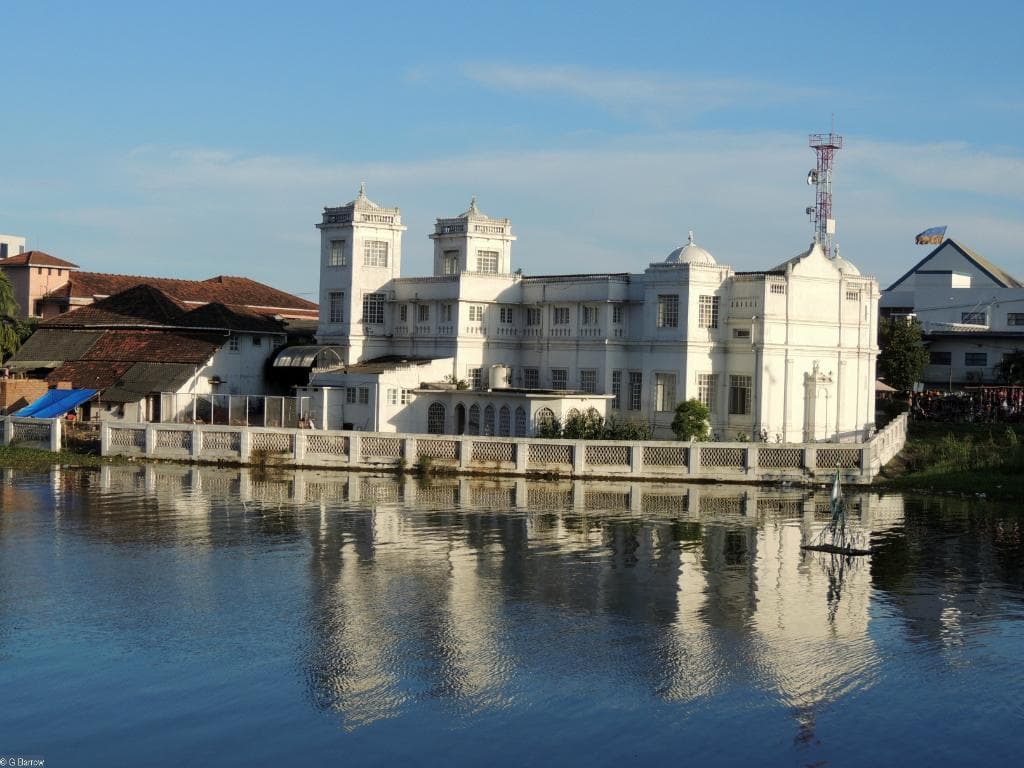
Matara Star Fort
A 1765 Dutch-built star-shaped fortress in Matara, Sri Lanka, featuring a museum on local history and colonial past.
Highlights
Must-see attractions

Social
From TikTok & Reddit
Best Time
Avoid midday heat & crowds
Matara Star Fort
Best Time
Avoid midday heat & crowds
Highlights
Must-see attractions
A 1765 Dutch-built star-shaped fortress in Matara, Sri Lanka, featuring a museum on local history and colonial past.
"A compact, yet incredibly well-preserved reminder of Sri Lanka’s colonial history."
⏳ Beat the Heat
Visit in the morning or late afternoon to avoid the strongest sun. :sunbehindcloud:
💰 Foreigner Ticket Price
Be aware that the entrance fee for foreigners is 600 LKR. :moneywithwings:
Quick Facts
Hours
Rating
4.4 · 721 reviews
Website
archaeology.gov.lkHighlights
Discover the most iconic attractions and experiences
The Star-Shaped Architecture
Exterior
A unique six-pointed star design offering 360-degree defense, a testament to Dutch military engineering.
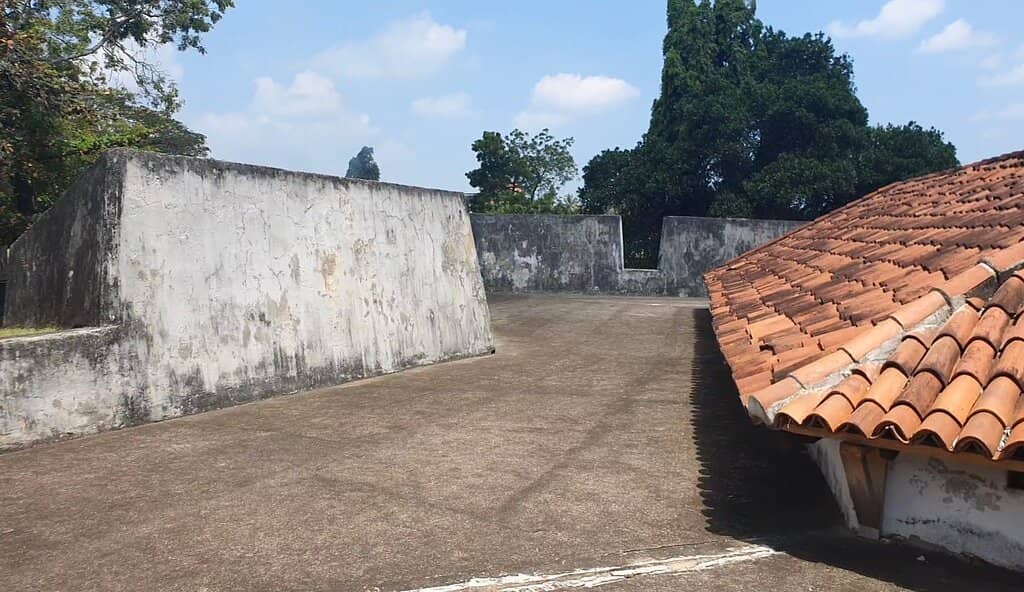
The Moat and Ramparts
Exterior
Walk along the well-preserved rampart walls and observe the deep moat that once protected this historic fortress.
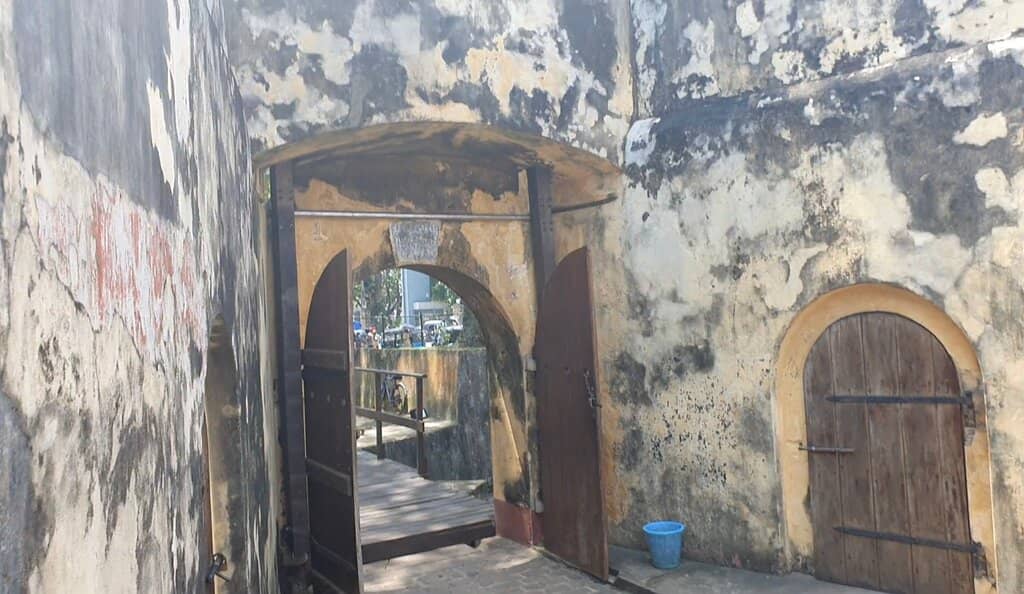
The On-site Museum
Interior
Explore exhibits detailing Matara's history, colonial past, and the fort's construction and purpose.
Plans like a pro.
Thinks like you
Planning Your Visit
Timing Your Visit
Understanding the History
Best Times
Insider Tips
from TikTok, Instagram & Reddit
⏳ Beat the Heat
Visit in the morning or late afternoon to avoid the strongest sun. :sunbehindcloud:
💰 Foreigner Ticket Price
Be aware that the entrance fee for foreigners is 600 LKR. :moneywithwings:
🧐 Museum Insights
The museum offers historical context, though some exhibits may have limited original artifacts. 📚
🚶♂️ Compact Exploration
The fort is small, so allow about an hour for a thorough visit. :stopwatch:
Tips
from all over the internet
⏳ Beat the Heat
Visit in the morning or late afternoon to avoid the strongest sun. :sunbehindcloud:
💰 Foreigner Ticket Price
Be aware that the entrance fee for foreigners is 600 LKR. :moneywithwings:
🧐 Museum Insights
The museum offers historical context, though some exhibits may have limited original artifacts. 📚
🚶♂️ Compact Exploration
The fort is small, so allow about an hour for a thorough visit. :stopwatch:
What Travellers Say
Reviews Summary
Visitors find the Matara Star Fort a historically significant and architecturally unique site, appreciating its star shape and well-preserved ramparts. However, some feel the museum's exhibits are limited and the foreigner ticket price is a bit steep for the size of the attraction.
"During our stay in Matara, we visited the Star Fort, a fascinating historical site originally built by the Dutch during their colonial period. It was later used by the British and subsequently by the Sri Lankan government. Since 2009, the fort has been open to the public as a museum, showcasing the rich history, cultural heritage and significant landmarks of Matara.
The museum also features a souvenir shop offering beautifully illustrated booklets on Sri Lankan heritage at very reasonable prices. I purchased two of them; one on Sri Lankan art and another on art preservation, both filled with valuable information and colorful photographs.
A special mention goes to Lahiru, a staff member from the Department of Archaeology, who warmly guided us through the exhibits with detailed explanations. His attentiveness and hospitality made our visit even more memorable.
No prior reservation is required, and the entrance fee is just Rs. 100 per person. We visited on a Sunday evening and truly enjoyed this enriching experience."
Shashini Mallikage
"A few months ago, I had the chance to visit the fascinating Star Fort in Matara, Sri Lanka — a place rich in history and unique in design. Built by the Dutch in 1765 on the east bank of the Nilwala River, the fort was constructed after they realized their main fort in Matara was vulnerable to inland attacks, especially after losing it briefly during the Matara Rebellion in 1761.
What makes this fort truly stand out is its shape — a perfect six-pointed star, designed to mount 12 cannons with a full 360-degree defense view. As I walked around, I was amazed by the strong rampart walls made of granite and coral, and the wide moat that still surrounds it. It’s clear that it was built not just for defense, but also for survival — complete with prison cells, food storage, and even a deep central well for water.
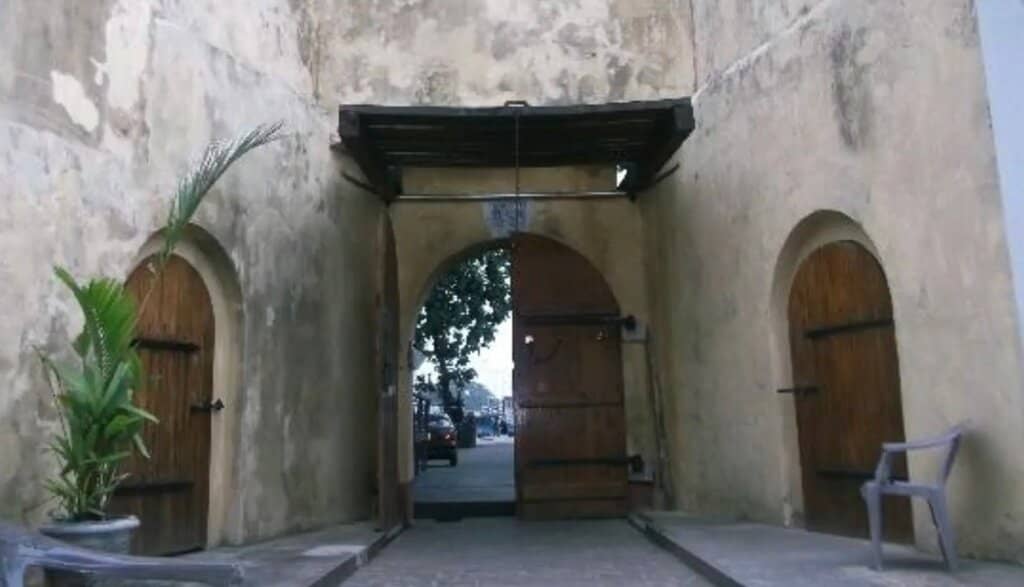
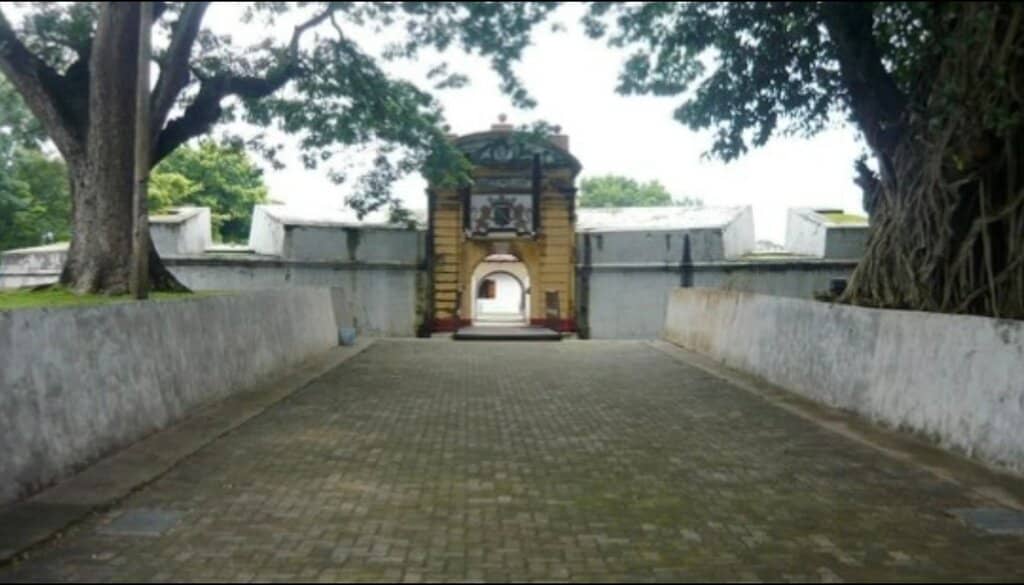
The entrance, marked with the date “1765” and the Dutch East India Company insignia, still carries the legacy of its builder, Dutch Governor Lubbert Jan van Eck. The gate also bears the name "Redoute Van Eck 1763," in his honor.
Interestingly, the fort never saw any real battle action, and in 1796, it was handed over to the British. Over the years, it served various roles — from a public library to government offices — before finally being restored by the Department of Archaeology in the late 1980s. Most recently, with support from the Dutch government, the historic drawbridge was restored in 2012.
Exploring the Star Fort was like stepping back in time. It’s a compact, yet incredibly well-preserved reminder of Sri Lanka’s colonial history — and one of the most memorable spots I’ve visited on the southern coast."
Priya Sangeeth
"The museum has many pictures of artifacts, but few original pieces, and most are poorly preserved. The English translations were not great, which made it harder to understand. At 600 LKR per person, it's a bit overpriced for just two small rooms."
Mike Rossmann
What People Like
What People Dislike
Frequently Asked Questions
🚇 🗺️ Getting There
The Matara Star Fort is located within Matara town, easily accessible by local buses or tuk-tuks from Mirissa or other nearby coastal towns. If driving, there is usually parking available nearby. 
Yes, it's centrally located in Matara town, often near the Nilwala River. Local signage and asking residents will help you find it.
Absolutely! Buses frequently travel along the southern coast, stopping in Matara. From the bus station, it's a short tuk-tuk ride to the fort.
🎫 🎫 Tickets & Entry
The fort is generally open during daylight hours. It's advisable to check locally for specific timings, especially around public holidays.
The entrance fee for foreigners is approximately 600 LKR, while locals may have a lower fee.
No, advance booking is typically not required. Tickets can be purchased at the entrance upon arrival.
The fort has ramparts and some uneven surfaces, so it might be challenging for those with mobility issues. The museum area is generally more accessible.
🎫 🧭 Onsite Experience
You can explore the star-shaped ramparts, the moat, prison cells, and a small museum showcasing local history and artifacts.
A visit typically takes about 1 to 1.5 hours, allowing time to explore the fort and the museum.
Sometimes a small tour with an explanation is offered, especially if you inquire. The museum also provides some information.
Built by the Dutch in 1765, it was designed for defense against inland attacks and is a well-preserved example of colonial military architecture.
Yes, photography is generally allowed inside the fort and museum. Capture the unique star shape and historical details.
🍽️ 🍽️ Food & Dining
No, there are no dining facilities within the fort itself. However, you can find local eateries and street food vendors in Matara town.
Matara offers a variety of Sri Lankan cuisine, from rice and curry to fresh seafood and local snacks. Don't miss trying some local fruits.
📸 📸 Photography
The exterior star shape, the ramparts overlooking the moat, and the entrance gate with its historical inscriptions are great photo opportunities.
Yes, visiting during the golden hours of morning or late afternoon provides beautiful, soft light for photography.



Social
from TikTok, Instagram & Reddit