Kumana National Park Sri Lanka
A serene bird sanctuary and wildlife haven on Sri Lanka's southeast coast, offering a quieter safari experience with diverse fauna.
Highlights
Must-see attractions

Social
From TikTok & Reddit
Best Time
Best chance for sightings
Kumana National Park Sri Lanka
Best Time
Best chance for sightings
Highlights
Must-see attractions
A serene bird sanctuary and wildlife haven on Sri Lanka's southeast coast, offering a quieter safari experience with diverse fauna.
"Quiet and less crowded, Kumana offers a peaceful, authentic experience of Sri Lanka’s wild beauty."
🎯 Arrive at 6 AM Sharp
Be at the gate when it opens for optimal wildlife viewing and fewer jeeps. :clock1:
💧 Pack Water & Sun Protection
Stay hydrated and protected from the sun; it gets hot and dusty. :droplet: :sunwithface:
Quick Facts
Highlights
Discover the most iconic attractions and experiences
Kumana Villu Wetland
Central wetland area
A vast 500-acre natural swamp, teeming with diverse birdlife and a crucial breeding ground.
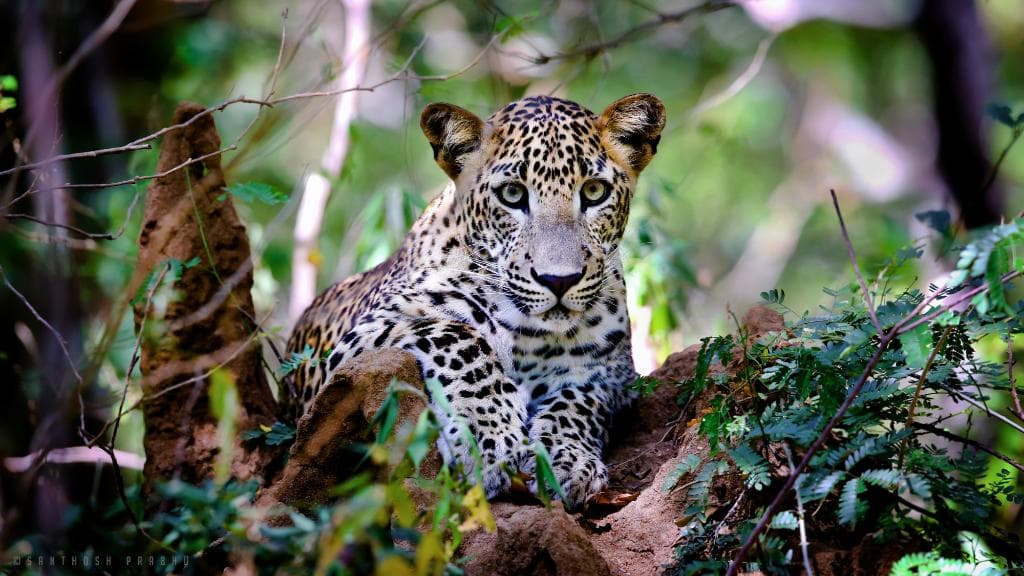
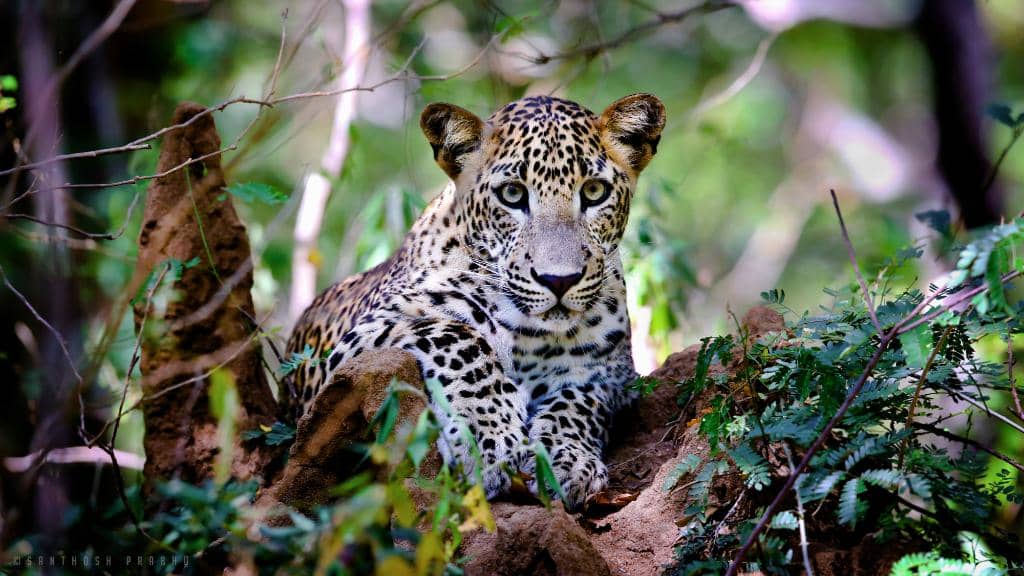
Leopard Sightings
Throughout the park
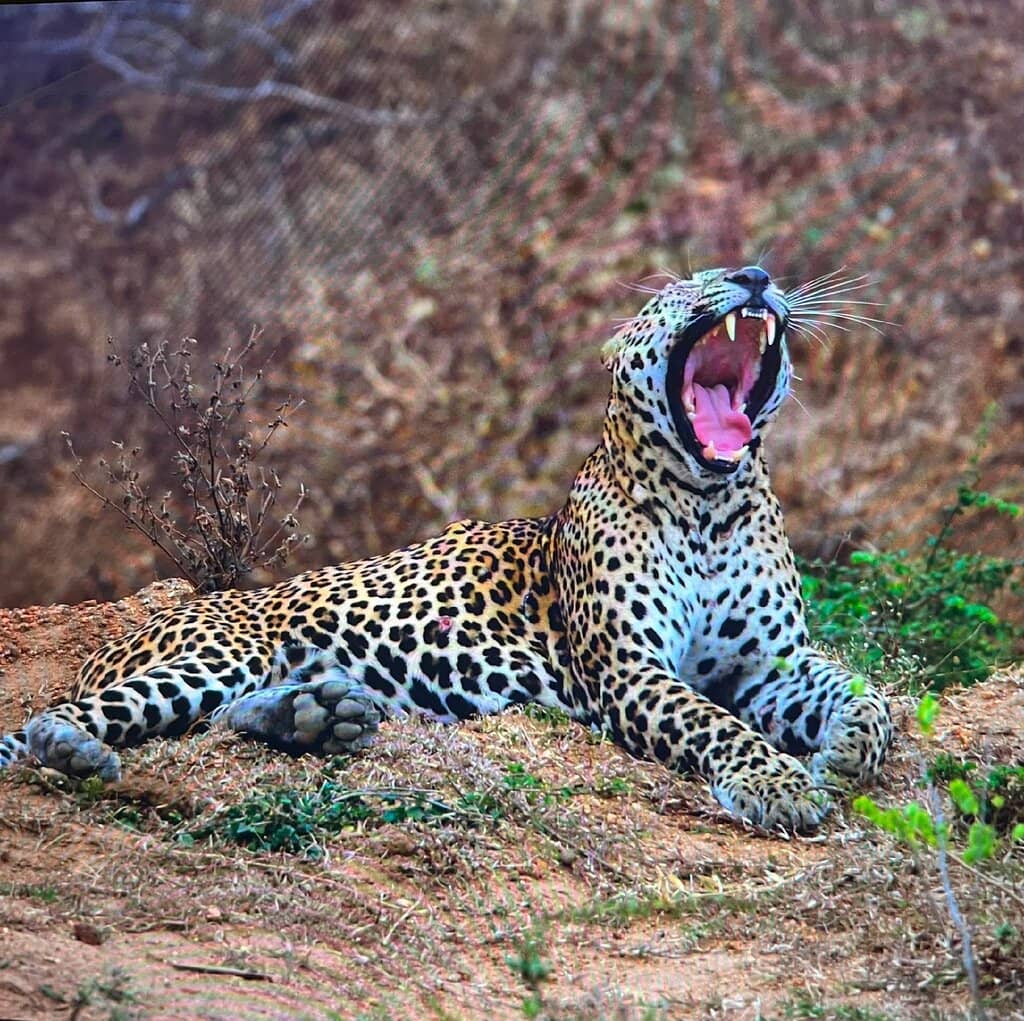
While not guaranteed, Kumana offers a quieter chance to spot elusive leopards compared to other parks.
Birdwatcher's Paradise
Wetlands and lagoons
Home to over 200 bird species, including painted storks, spoonbills, and pelicans.
Abandoned Village Ruins
Near Kumbukkan Oya
Explore remnants of a village abandoned in the 1990s, adding a layer of history to the park.

Plans like a pro.
Thinks like you
Planning Your Visit
Beat the Crowds, See More Wildlife
Pack Smart for the Elements
Best Times
Insider Tips
from TikTok, Instagram & Reddit
🎯 Arrive at 6 AM Sharp
Be at the gate when it opens for optimal wildlife viewing and fewer jeeps. :clock1:
💧 Pack Water & Sun Protection
Stay hydrated and protected from the sun; it gets hot and dusty. :droplet: :sunwithface:
💰 Safari Costs
Private safaris can be pricey. Consider value for money; animals are visible on nearby roads too. :moneybag:
🐒 Beware of Monkeys
Guard your belongings at the entrance; monkeys can be quick and forceful snatchers. 🐒
Tips
from all over the internet
🎯 Arrive at 6 AM Sharp
Be at the gate when it opens for optimal wildlife viewing and fewer jeeps. :clock1:
💧 Pack Water & Sun Protection
Stay hydrated and protected from the sun; it gets hot and dusty. :droplet: :sunwithface:
💰 Safari Costs
Private safaris can be pricey. Consider value for money; animals are visible on nearby roads too. :moneybag:
🐒 Beware of Monkeys
Guard your belongings at the entrance; monkeys can be quick and forceful snatchers. 🐒
🍽️ Bring Your Own Food
No food is available inside the park, so pack snacks and meals. :sandwich:
📸 Wildlife Photography Tips
Longer lenses (600mm+) are great for capturing elusive wildlife.
What Travellers Say
Reviews Summary
Kumana National Park is praised for its abundant birdlife and quieter, more authentic safari experience compared to busier parks. Visitors appreciate the chance to see leopards and other mammals in a serene environment. However, some find the safari costs high for the number of sightings, and facilities like restrooms are basic.
"Kumana National Park Safari
Authentic wildlife safari experience in a less visited national park in Sri Lanka
Located in the southeast corner of Sri Lanka, the 18,149 hectares Kumana National Park is a well-known eco-tourism attraction and bird sanctuary where a multitude of birds breed and roost. Kumana National Park is the eastern sector of Yala National Park. One of the most significant features of the Kumana National Park is the 'Kumana Villu' - a 200 hectare natural swamp lake, fed by the 'Kumbukkan Oya' through a half mile long narrow channel. It is at this mangrove swamp that many water birds’ nest in May and June. Regular sightings include such species of bird as pelicans, painted storks, spoonbills, white ibis, herons, egrets and little cormorants.
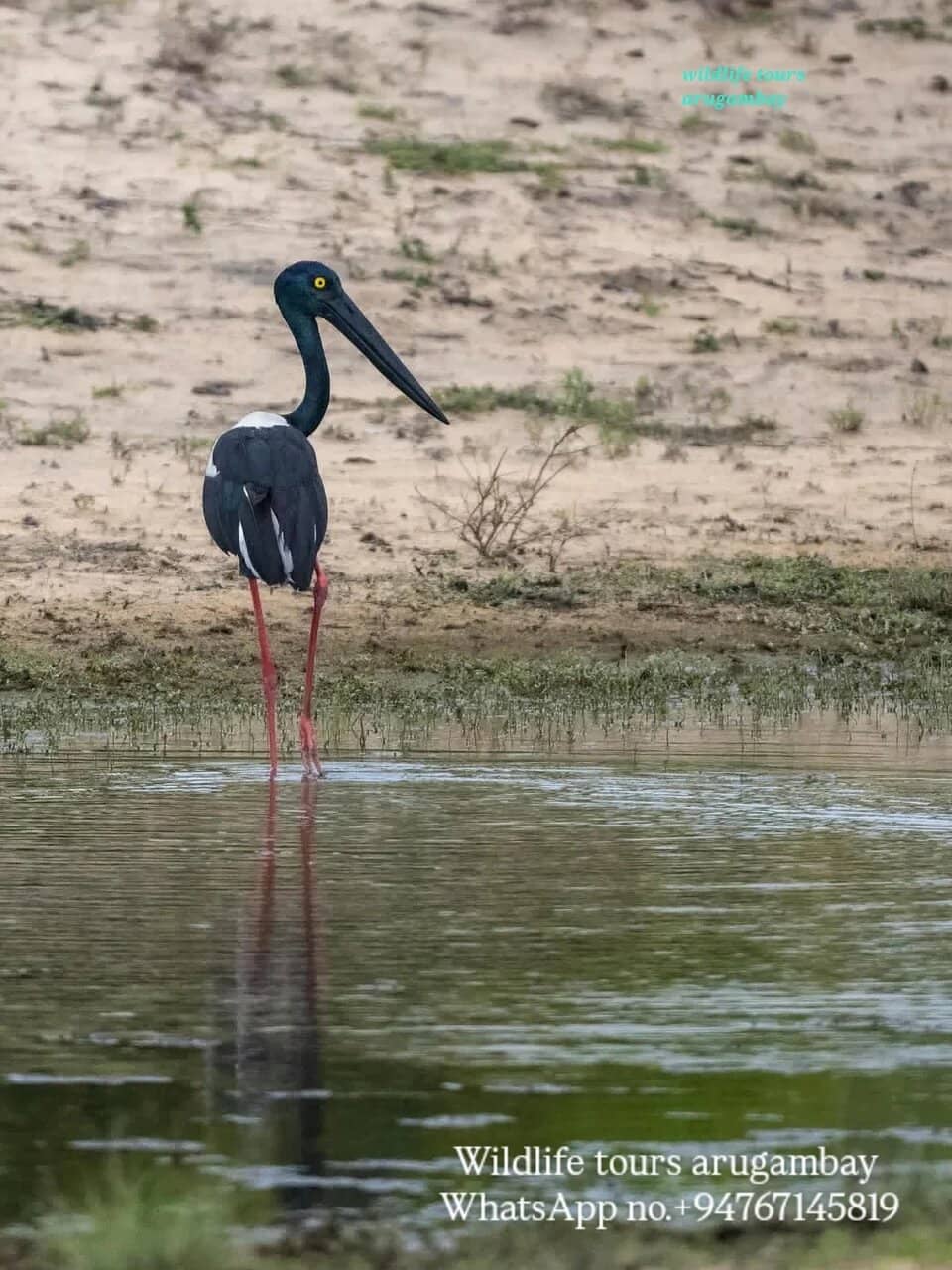
The very rare black-necked stork has also been spotted at the swamp in Kumana National Park. Besides the prolific birdlife, Kumana National Park is also home to some of the mammals found in the larger Yala National Park, such as Elephants and Leopards. The vegetation in Kumana National Park consists mainly of mangrove trees, kumbuk trees and the karan fern, as well as the open marsh area. If you are on a bird watching tour in Sri Lanka, Kumana National Park is an 'absolute must'."
LAHIRU HASARANGA
"One of the best places in Sri Lanka to see birds and occasionally leopards or sloth bears. Spotting leopards isn’t easy though – we went two days in a row and saw only two. The best time to visit is in the morning. Be at the gate when it opens at 6AM for the best chance of sightings.
Safari jeeps can be arranged in Panama town, and many hotels also provide their own. I’d recommend doing one safari focusing only on leopards (which means moving faster and covering more ground), and another just to enjoy the scenery at a slower pace. The landscapes are stunning, with the sea and beach forming the backdrop in the morning – but you won’t have much time to enjoy it if you’re chasing leopards. Unfortunately, I didn’t spot any sloth bears on my visits.
Conditions can be dusty and humid, so bring scarves, face masks, hats or caps, and keep plenty of water with you. By around 9AM it gets hot, so be prepared."
Dinesh Chandra Kumara
"Kumana National park, nestled on Sri Lanka’s southeast coast, is a serene haven for birdwatchers and wildlife lovers. Famous for its seasonal bird nesting at the Kumana Villu wetland, it hosts species like painted storks, spoonbills, and pelicans. The park also shelters elephants, leopards, and crocodiles amidst dry forests, lagoons, and mangroves. Ancient ruins found within add cultural depth to this natural wonder. Quiet and less crowded, Kumana offers a peaceful, authentic experience of Sri Lanka’s wild beauty."
Devon Perera
What People Like
What People Dislike
Frequently Asked Questions
🚇 🗺️ Getting There
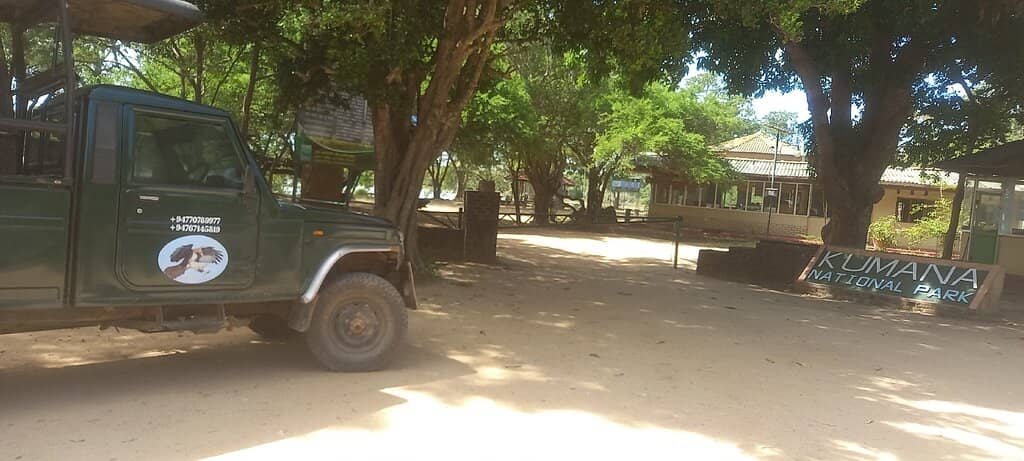
Kumana National Park is located less than an hour's drive from Arugam Bay. You can arrange a safari jeep directly through agencies in Panama town or via your accommodation in Arugam Bay.
While accessible from Arugam Bay, the park itself is somewhat remote, which contributes to its quieter atmosphere compared to more popular parks.
The primary way to explore Kumana National Park is by safari jeep. These can be booked for morning or afternoon tours.
Public transport directly to the park entrance is limited. Most visitors arrange private transport or safaris from nearby tourist hubs like Arugam Bay.
Kumana National Park is quite a distance from Colombo, typically a 5-6 hour drive. Many travelers visit as part of a larger Sri Lanka itinerary, often combining it with a stay in Arugam Bay.
🎫 🎫 Tickets & Entry
Kumana National Park typically opens at 6 AM and closes in the late afternoon. Arriving early is highly recommended for wildlife sightings.
The cost of a private safari can vary, with some reports indicating around 36,000 rupees (approx. $100 USD) for a tour, which includes travel time.
Yes, tickets can be purchased at the park entrance. It's advisable to confirm current pricing and any booking requirements with your safari operator.
Yes, you can opt for morning safaris for sunrise views or afternoon safaris. Some recommend a dedicated leopard-chasing tour and another for leisurely sightseeing.
There is an entrance fee for the park, in addition to the cost of the safari jeep. It's best to inquire about the combined cost when booking your safari.
🎫 🦁 Onsite Experience
Kumana is home to elephants, leopards, sloth bears, crocodiles, deer, foxes, and a vast array of bird species, including painted storks and pelicans. +1
Absolutely! Kumana is renowned as a birdwatcher's paradise, with over 200 species identified, especially in its extensive wetland areas.
Early mornings, starting around 6 AM, offer the best chances for spotting animals as they are most active. +1
Restroom facilities can be an issue, with reports of them being poorly maintained. Visitors are advised to be prepared for limited amenities.
Self-driving is generally not recommended or permitted for wildlife viewing within the park. Safari jeeps with experienced guides are the standard way to explore.
🍽️ 🍽️ Food & Dining
No, there are no food or dining facilities available within Kumana National Park. Visitors must bring their own food and drinks.
It's essential to pack plenty of water, snacks, and a packed lunch, especially for longer safari tours. +1
The nearest town with dining options is Panama, and more choices are available in Arugam Bay, which is about an hour away.
📸 📸 Photography
The wetlands and lagoons are excellent for bird photography, while the dry forests offer chances for mammals. Keep an eye out near water sources.
A telephoto lens (600mm or longer) is highly recommended for capturing wildlife, especially leopards and birds.
Yes, Kumana is known for its leopards, though sightings are not guaranteed. Patience and a good lens are key.
While dedicated photography tours might not be widely advertised, you can arrange private safaris with guides who understand photographers' needs.
Early morning and late afternoon offer the best light for photography, with softer shadows and more active wildlife.




Social
from TikTok, Instagram & Reddit