Gal Potha Stone Book
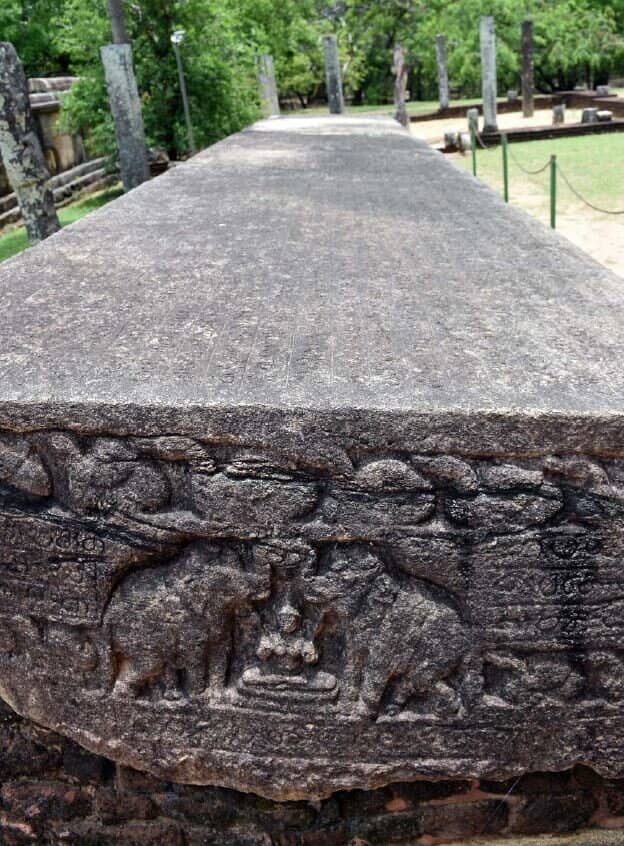
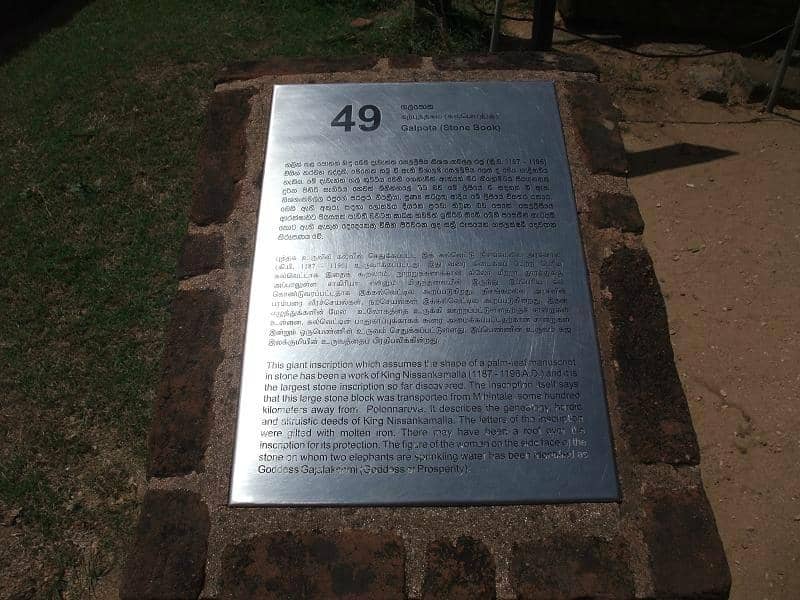
Sri Lanka's largest stone inscription, a 12th-century royal decree by King Nissanka Malla detailing his reign and virtues.
Highlights
Must-see attractions

Social
From TikTok & Reddit
Best Time
Escape the midday sun
Gal Potha Stone Book
Best Time
Escape the midday sun
Highlights
Must-see attractions
Sri Lanka's largest stone inscription, a 12th-century royal decree by King Nissanka Malla detailing his reign and virtues.
"A monumental stone book detailing a king's reign, impressive in its scale and historical depth."
☀️ Beat the Heat
It gets very hot and humid! Visit early or late. Bring water and wear light clothing.
📜 Understand the Inscription
This is a historical decree by King Nissanka Malla. Knowing its purpose adds depth to your visit.
Quick Facts
Rating
4.8 · 5 reviews
Type
Historical Landmark
Highlights
Discover the most iconic attractions and experiences
The Grand Stone Book
Dalada Maluwa, Polonnaruwa
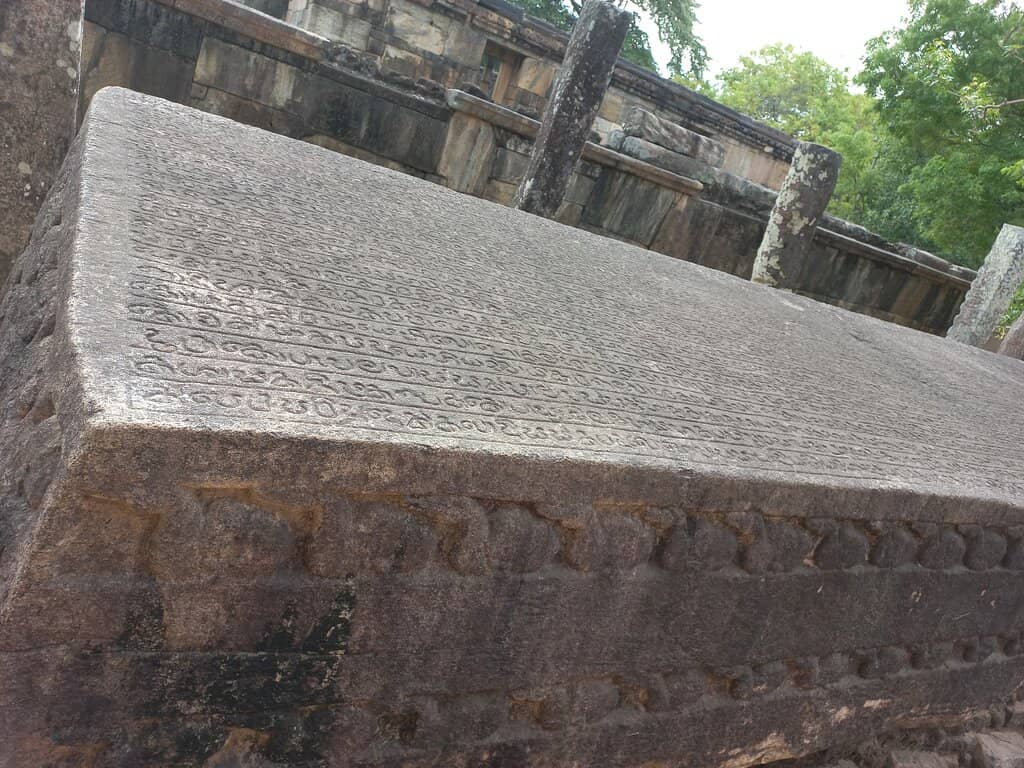
Sri Lanka's largest stone inscription, detailing King Nissanka Malla's reign and achievements. A monumental historical record.
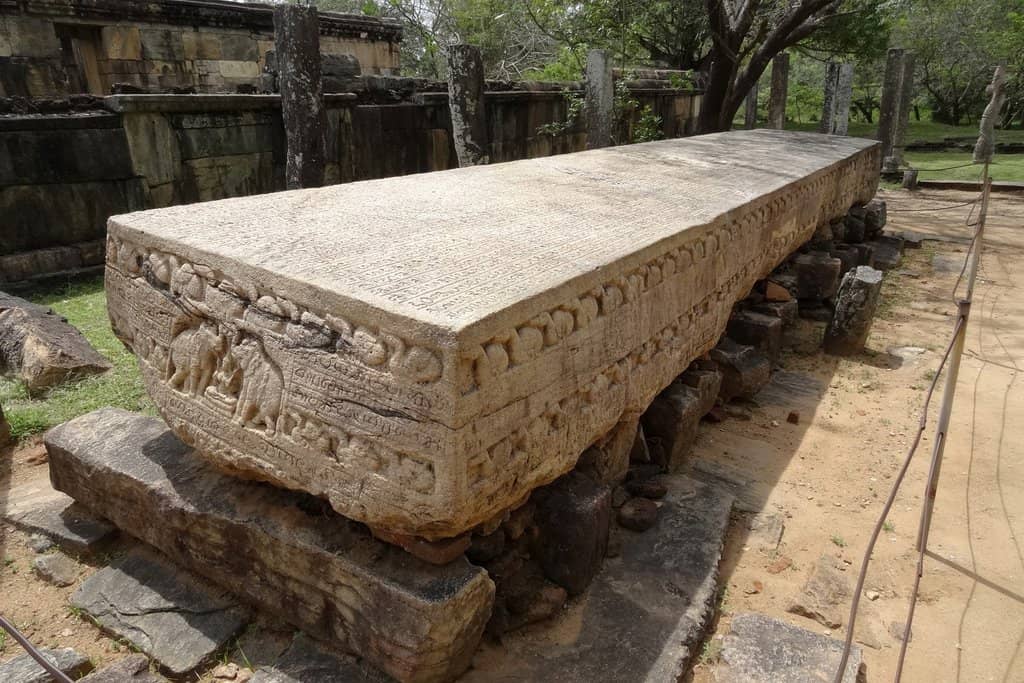
King Nissanka Malla's Decree
Dalada Maluwa, Polonnaruwa
Read about the king's self-proclaimed virtues and the epic journey of this massive stone slab from Minintale.
Plans like a pro.
Thinks like you
Planning Your Visit
Beat the Heat and Crowds
Understand the History
Best Times
Insider Tips
from TikTok, Instagram & Reddit
☀️ Beat the Heat
It gets very hot and humid! Visit early or late. Bring water and wear light clothing.
📜 Understand the Inscription
This is a historical decree by King Nissanka Malla. Knowing its purpose adds depth to your visit.
📍 Location Context
Situated near Gal Viharaya and other key ruins. Plan your exploration of the archaeological site accordingly.
Tips
from all over the internet
☀️ Beat the Heat
It gets very hot and humid! Visit early or late. Bring water and wear light clothing.
📜 Understand the Inscription
This is a historical decree by King Nissanka Malla. Knowing its purpose adds depth to your visit.
📍 Location Context
Situated near Gal Viharaya and other key ruins. Plan your exploration of the archaeological site accordingly.
What Travellers Say
Reviews Summary
Visitors find the Gal Potha Stone Book to be a historically significant and impressive monument, noting its immense size and the detailed inscriptions. However, many highlight the extreme heat and humidity, advising early or late visits. Its location within the larger Polonnaruwa archaeological site makes it a key point of interest.
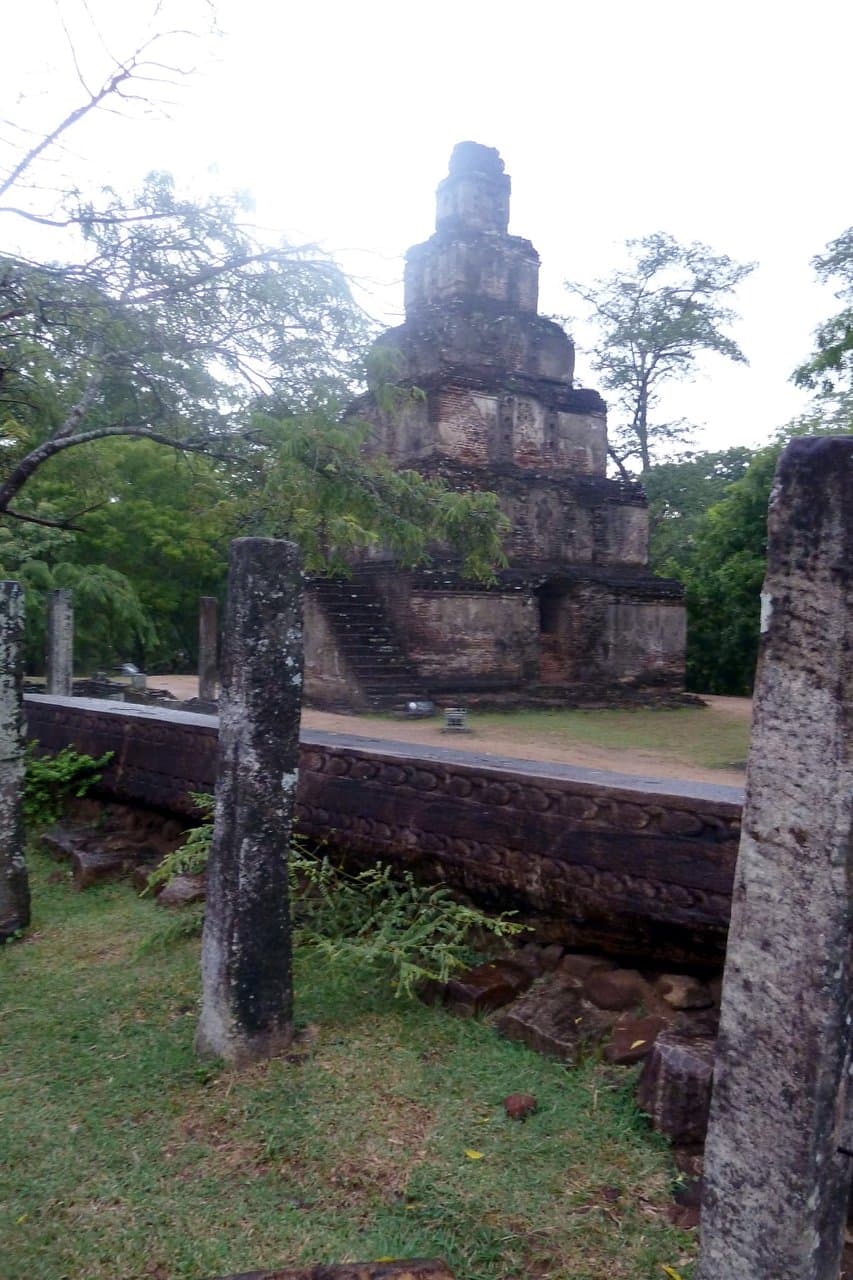
"Gal Potha is the largest stone slab inscription in Sri Lanka, it is situated at the main archaeological site of Polonnaruwa District in the premises of Dalada Maluwa. It was constructed between the exterior wall of Satmahal Prasada ( Seven- storied palace with a pyramidal shape ) and the Hetadage ( ancient relic shrine ). Gal Potha was built by King Nissanka Malla during the 12th Century, to describe his worthiness as a ruler of Polonnaruwa. As mentioned on the inscription, the stone of The Gal Potha was brought from Minintale which is located some hundred Kilometres away from Polonnaruwa."
Chamil Suresh
"Very important information wrote there in king nissanka malla."
Sudeera Thennakoon
"Near the gal wiharaya 🙏"
Chameera Madusanka
What People Like
What People Dislike
Frequently Asked Questions
🚇 🗺️ Getting There
The Gal Potha is located within the main archaeological site of Polonnaruwa. You can hire a tuk-tuk or a car to reach the Polonnaruwa ancient city. Once inside, it's a short walk or bike ride to the stone book, which is situated between the Satmahal Prasada and the Hetadage.
Yes, it's a prominent feature within the Dalada Maluwa section of the Polonnaruwa ancient city. Signs are usually available, and it's a central point of interest.
Many visitors rent bicycles or electric scooters to navigate the vast archaeological park. This allows for flexibility and a more immersive experience.
🎫 🎫 Tickets & Entry
Yes, you need an entrance ticket to access the Polonnaruwa ancient city, which includes the Gal Potha Stone Book. Tickets can be purchased at the main entrance to the archaeological park.
The archaeological site is generally open from early morning until late evening. However, it's best to check the most current hours upon arrival or online, as they can vary.
Ticket prices can change, but they are typically around $25 USD for foreign visitors. It's advisable to confirm the current rates before your visit.
🎫 🧭 Onsite Experience
The Gal Potha is the largest stone inscription in Sri Lanka, dating back to the 12th century. It was created by King Nissanka Malla to document his reign and virtues.
You'll see a massive, long stone slab with intricate carvings and inscriptions in ancient Sinhala script. It's a testament to the engineering and artistic capabilities of the era.
The stone book is an outdoor monument. While the area around it is generally flat, the inscription itself is a large stone slab. Visitors can walk around it.
It's located near other significant structures like the Satmahal Prasada (Seven-storied Palace) and the Hetadage (relic shrine), allowing you to explore multiple historical sites in one area.
📸 📸 Photography
Try capturing the sheer scale of the stone book by taking photos from a distance, showing its length. Close-ups of the inscriptions can also be fascinating.
Yes, photography is generally allowed at the Gal Potha Stone Book and within the Polonnaruwa ancient city. However, always be respectful of the historical site.
Social
from TikTok, Instagram & Reddit