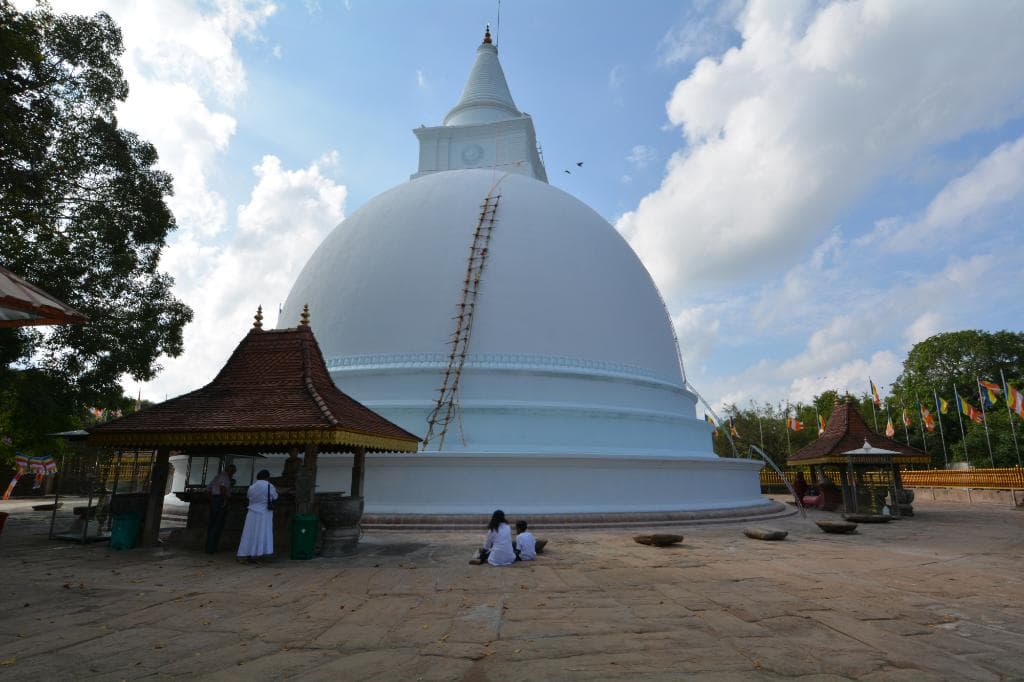
Seruwila Mangala Raja Maha Viharaya Trincomalee District
Ancient Buddhist temple in Trincomalee, home to the Buddha's forehead relic and one of Sri Lanka's most sacred sites.
Highlights
Must-see attractions

Social
From TikTok & Reddit
Best Time
Peaceful atmosphere
Seruwila Mangala Raja Maha Viharaya Trincomalee District
Best Time
Peaceful atmosphere
Highlights
Must-see attractions
Ancient Buddhist temple in Trincomalee, home to the Buddha's forehead relic and one of Sri Lanka's most sacred sites.
"A deeply spiritual journey to a sacred site, rich in history and devotion."
Modest Dress Code
Cover shoulders & knees. Essential for respectful visits to this sacred Buddhist site. 🙏
Plan Your Journey
It's a remote location. Consider hiring a vehicle or checking local transport options. 🚗
Quick Facts
Hours
Rating
4.7 · 1,102 reviews
Type
Place of Worship
Address
Highlights
Discover the most iconic attractions and experiences
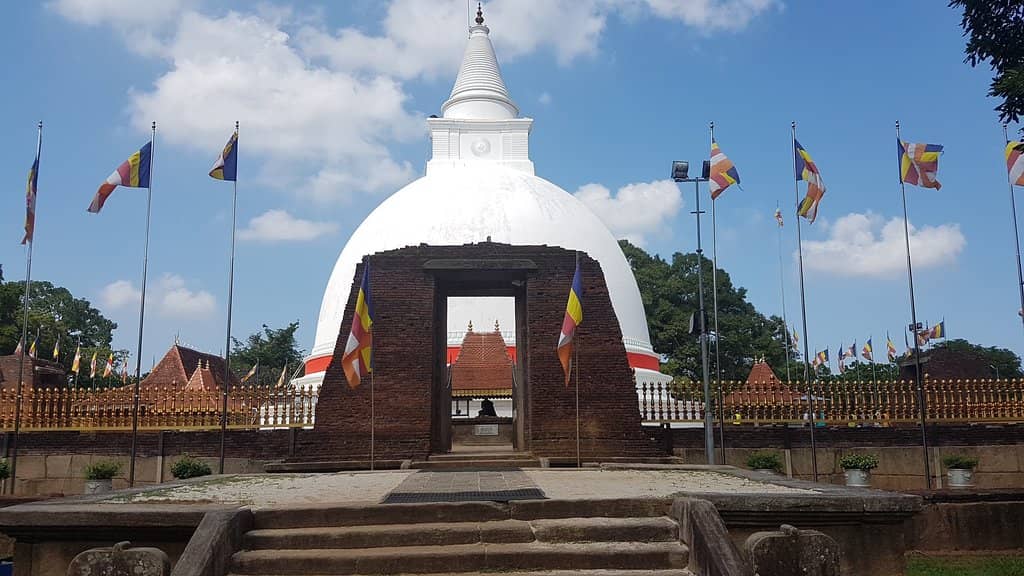
The Sacred Stupa (Dagoba)
Central shrine
Home to the Buddha's forehead relic, this ancient stupa is the heart of the pilgrimage.
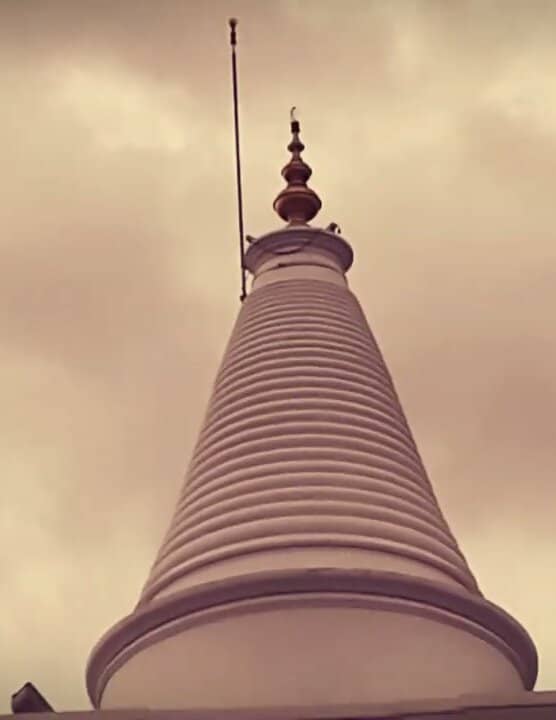
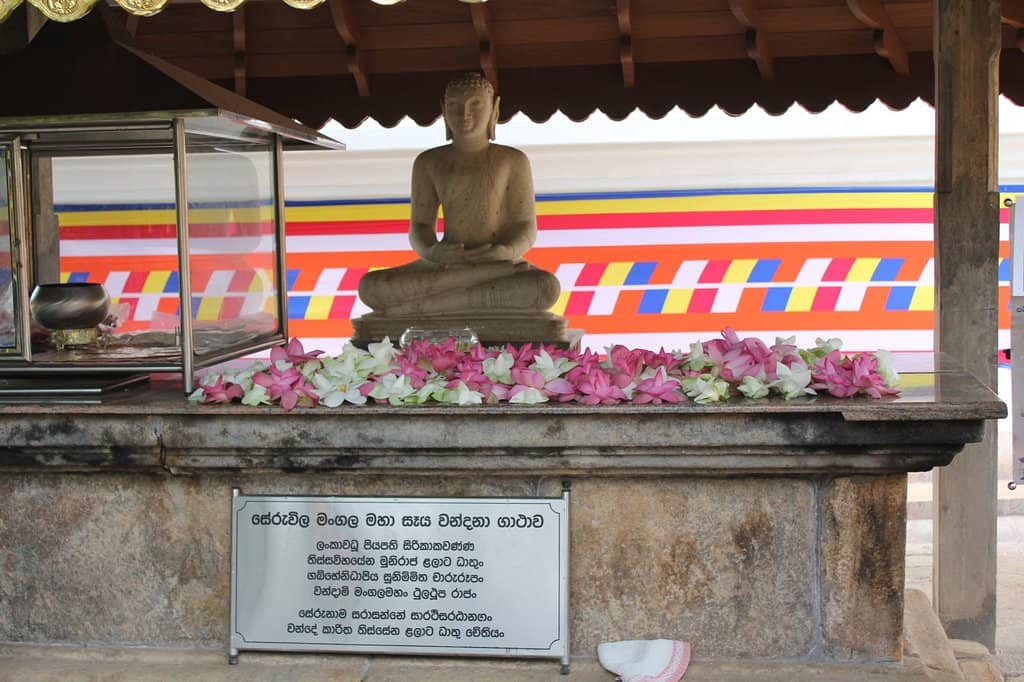
Forehead Relic (Lalata Dhatu)
Within the stupa
The primary reason for pilgrimage, this sacred relic draws devotees from across Sri Lanka.
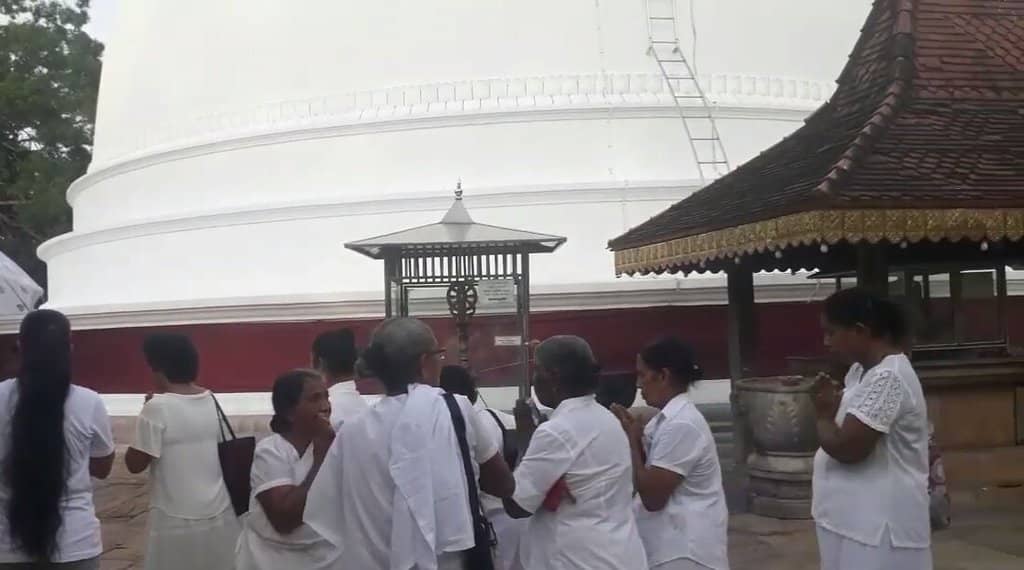
Solosmasthana Significance
Temple grounds
Experience a place of worship recognized as one of the 16 most sacred Buddhist sites.
Plans like a pro.
Thinks like you
Planning Your Visit
Plan Your Pilgrimage
Respectful Visit Essentials
Best Times
Insider Tips
from TikTok, Instagram & Reddit
Modest Dress Code
Cover shoulders & knees. Essential for respectful visits to this sacred Buddhist site. 🙏
Plan Your Journey
It's a remote location. Consider hiring a vehicle or checking local transport options. 🚗
Spiritual Atmosphere
Embrace the peace. This is a place for reflection and devotion. :lotus_flower:
Respect Local Customs
Be mindful of devotees and observe temple etiquette. 🏹
Tips
from all over the internet
Modest Dress Code
Cover shoulders & knees. Essential for respectful visits to this sacred Buddhist site. 🙏
Plan Your Journey
It's a remote location. Consider hiring a vehicle or checking local transport options. 🚗
Spiritual Atmosphere
Embrace the peace. This is a place for reflection and devotion. :lotus_flower:
Respect Local Customs
Be mindful of devotees and observe temple etiquette. 🏹
What Travellers Say
Reviews Summary
Visitors find Seruwila Mangala Raja Maha Viharaya to be a deeply spiritual and historically significant Buddhist pilgrimage site, particularly revered for housing the Buddha's forehead relic. The serene atmosphere and ancient stupa are highlights, though the remote location and basic facilities are noted drawbacks. It's a destination for those seeking a profound cultural and religious experience in Sri Lanka.
"Seruwila Dagoba, located in the Trincomalee District of Sri Lanka, is an ancient Buddhist stupa built in the 2nd century BCE by King Kavantissa. It is believed to enshrine sacred relics of the Buddha, including his forehead bone (Lalata Dhatu). Seruwila is one of the sixteen most sacred Buddhist pilgrimage sites in Sri Lanka (Solosmasthana) and remains a revered destination for devotees and tourists alike."
Kusal Hettiarachchi
"Significance
The Seruvawila Mangala Raja Maha Viharaya is a sacred site held in great esteem by Buddhist devotees in Sri Lanka, as it houses the forehead relic and hair relic of the Buddha. Its historical and religious significance has made it a prominent sacred site in Sri Lanka.❤️😊Seruvawila Mangala Raja Maha Viharaya
Seruvawila Mangala Raja Maha Viharaya is an ancient Buddhist temple located in the Trincomalee District of the Eastern Province of Sri Lanka. It is identified as the Tissamaha Viharaya, the 9th of the Solosmasthana (16 sacred Buddhist shrines in Sri Lanka). The temple is said to have been built by King Kavantissa in the 2nd century BCE.
Speciality
Forehead and Hair Relics: The Dhatuvamsa states that the forehead relic (forehead bone) of Gautama Buddha and a portion of the hair relic given by the Buddha to the merchant brothers Thapassu-Bhalluka during his lifetime are enshrined in the Maha Seya of this temple.
Mangala Maha Seya: This stupa was built under the patronage of the Magama royal family, and was built on the advice of the Chulla Pindapathika Tissa and Sagala monks of the Tissa Viharaya.
Dethis Phalaruha Bodhi: Archaeological findings have revealed that a Dethis Phalaruha Bodhi was planted near Seruvila during the reign of King Devanampiyatissa, and it was planted in the village of Kiliveddi. However, the Bodhi was destroyed by terrorists.
History
Construction: This temple was built by King Kavantissa, and it was located at the edge of the Ruhuna Kingdom. It is mentioned in the Buddhist history of Sri Lanka that five hundred great arahants resided here at that time.
Destruction and reconstruction: 1911 AD This sacred site fell into disrepair with the Kalinga Magha invasion around 1215, and in 1921, this site, which was covered in dense jungle, was rediscovered by Venerable Sri Sumedhankara Mahanayake Thero of Dambagasare. Since then, restoration work has been carried out.❤️❤️"
Sudila Buthsara
"Seruwawila Rajamaha Viharaya is an ancient Buddhist temple situated on the east coast of Sri Lanka. Renowned for its stunning ancient architectural designs, the temple is a popular pilgrimage site, often bustling with devotees. The best times to visit are during the morning or evening, as the daytime heat can make walking on the sand and stone tiles quite challenging."
Dimuthu Vidanagamage
What People Like
What People Dislike
Frequently Asked Questions
🚇 🗺️ Getting There
Seruwila Mangala Raja Maha Viharaya is located about 45 km southwest of Trincomalee town. The most common way to reach it is by hiring a taxi or a private vehicle from Trincomalee. Some travelers mention a scenic but somewhat remote road. There might be local bus options, but these can be less direct and more time-consuming. For a more adventurous route, some sources suggest a boat trip from Trincomalee to Muttur, followed by a 16 km road journey, though this is less common for general visitors.
Finding transportation can be a bit challenging due to its remote location. It's advisable to arrange your transport in advance, especially if you're not using public transport. Tuktuks might be available for shorter distances, but for the full journey, a car or van is recommended.
For a day trip from Trincomalee, hiring a private car or van is the most efficient method. This allows you to control your schedule and avoid the complexities of public transport. Ensure your driver is familiar with the route.
The roads leading to Seruwila can be somewhat remote and may not always be in perfect condition. While generally passable, be prepared for a potentially bumpy ride, especially closer to the temple.
While possible, reaching Seruwila solely by public transport can be time-consuming and involve multiple changes. It's generally recommended for those with ample time and a desire for a more local travel experience.
🎫 🎫 Tickets & Entry
Typically, there is no entrance fee to visit Seruwila Mangala Raja Maha Viharaya. As a sacred religious site, donations are often welcomed and appreciated to help with the upkeep and maintenance of the temple.
The temple is generally open to visitors year-round. While specific official hours might not be widely published, it's best to visit during daylight hours. Early mornings and late afternoons are often recommended for a more peaceful experience.
No, booking tickets in advance is not necessary as there is usually no admission fee. You can visit at your convenience during daylight hours.
The main restriction is the dress code. Visitors must dress modestly, covering shoulders and knees, to show respect for the sacred nature of the site.
You can visit Seruwila for a brief spiritual experience within an hour or two. However, if you wish to soak in the atmosphere and explore the surroundings, you might want to allocate a bit more time.
🎫 🧭 Onsite Experience
The primary attraction is the ancient stupa (dagoba) which is believed to enshrine the sacred forehead relic (Lalata Dhatu) of Gautama Buddha. It's one of the sixteen most sacred Buddhist pilgrimage sites in Sri Lanka.
Modest clothing is essential. This means covering your shoulders and knees. Avoid revealing attire. Wearing comfortable shoes is also advisable as you might be walking around the temple grounds.
Yes, the ancient architecture and serene surroundings offer good photographic opportunities. However, always be respectful and avoid intrusive photography, especially during prayer times or when devotees are present.
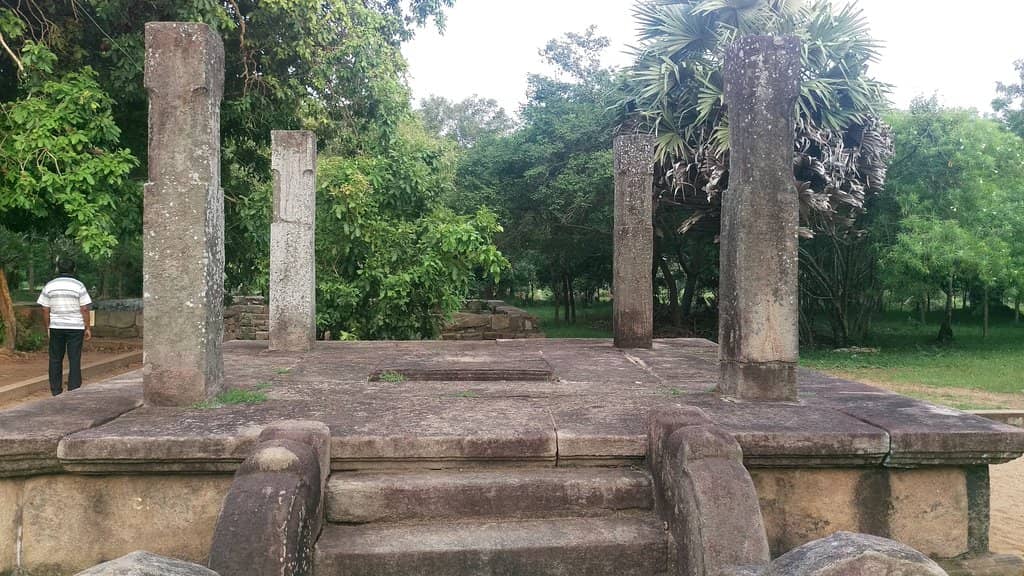
Seruwila is an ancient Buddhist temple built in the 2nd century BCE by King Kavantissa. It's historically significant as one of the Solosmasthana (16 sacred sites) and for housing the Buddha's forehead relic. It has a long history of destruction and reconstruction.
Basic facilities like restrooms might be available, but they can be rudimentary. It's always a good idea to use facilities before you arrive or be prepared for simple amenities.
🍽️ 🍽️ Food & Dining
Dining options directly at Seruwila Mangala Raja Maha Viharaya are very limited, if any. It's a sacred site, not a commercial hub. It's best to have your meals before or after your visit in Trincomalee or a larger town along your route.
Bringing your own water and snacks is generally acceptable, especially for a day trip. However, ensure you dispose of any waste responsibly and maintain the cleanliness of the sacred site.
If you are traveling via Trincomalee or Muttur, you will find local eateries offering Sri Lankan cuisine. Expect rice and curry, short eats, and local beverages.
It's generally advisable to eat in Trincomalee or a town before reaching Seruwila, as the immediate vicinity of the temple is focused on its religious significance.
While not specific to Seruwila itself, in the broader Trincomalee region, you can try fresh seafood and traditional Sri Lankan rice and curry dishes.
📸 📸 Photography
The ancient stupa itself is a prime subject. The surrounding natural landscape, if accessible and not restricted, can also offer scenic shots. Look for interesting architectural details and the serene atmosphere.
While general photography is usually permitted, it's crucial to be respectful. Avoid taking photos of people without their consent, especially devotees in prayer. Flash photography might be discouraged inside certain areas.
A versatile lens like a 24-70mm or a prime lens for low light would be useful. A wide-angle lens can capture the scale of the stupa. However, even a smartphone camera can capture the essence of the place.
Early morning or late afternoon offers softer light, which is ideal for photography. The golden hours can create a beautiful ambiance around the stupa.
Drone photography is generally not permitted at religious sites due to privacy and security concerns. It's best to assume drones are prohibited unless explicitly stated otherwise.
Social
from TikTok, Instagram & Reddit