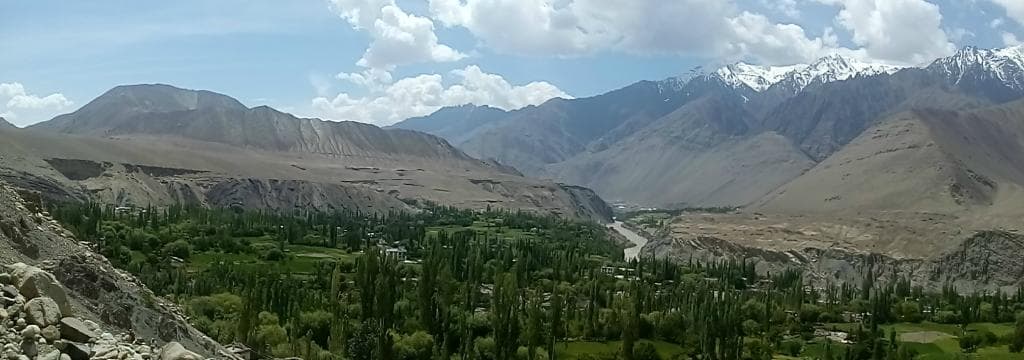
Saspol Caves Ladakh
Discover ancient Buddhist art in rock-cut caves with stunning Indus Valley views. A hidden gem of Ladakh.

Highlights
Must-see attractions

Social
From TikTok & Reddit
Best Time
Pleasant weather, fewer crowds
Saspol Caves Ladakh
Best Time
Pleasant weather, fewer crowds
Highlights
Must-see attractions
Discover ancient Buddhist art in rock-cut caves with stunning Indus Valley views. A hidden gem of Ladakh.
"Magical place with incredible views, but be wary of the loose stones on the approach."
👟 Wear Sturdy Shoes
The path to the caves is rocky and can be slippery. Good grip is essential!
💧 Carry Water
Stay hydrated, especially during warmer months. There are limited facilities nearby.
Quick Facts
Rating
4.6 · 34 reviews
Type
Buddhist Temple
Address
Highlights
Discover the most iconic attractions and experiences
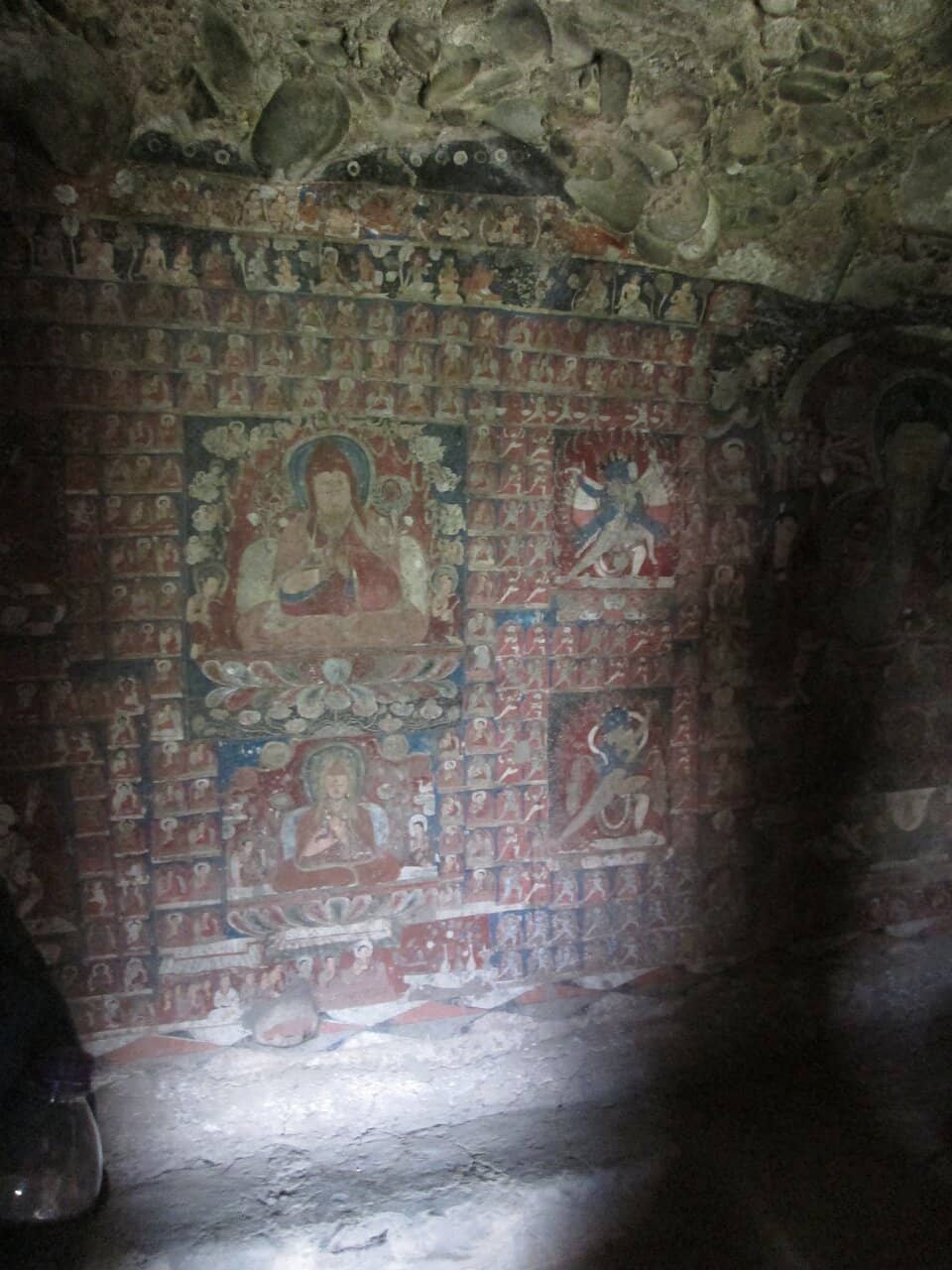
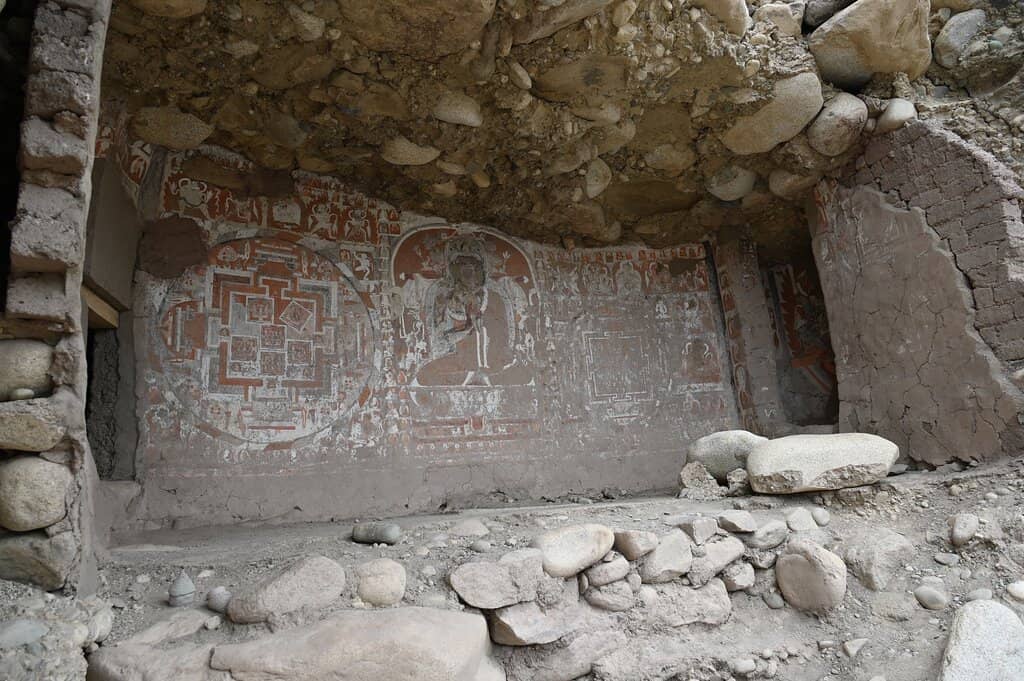
Ancient Buddhist Wall Paintings
Main painted caves
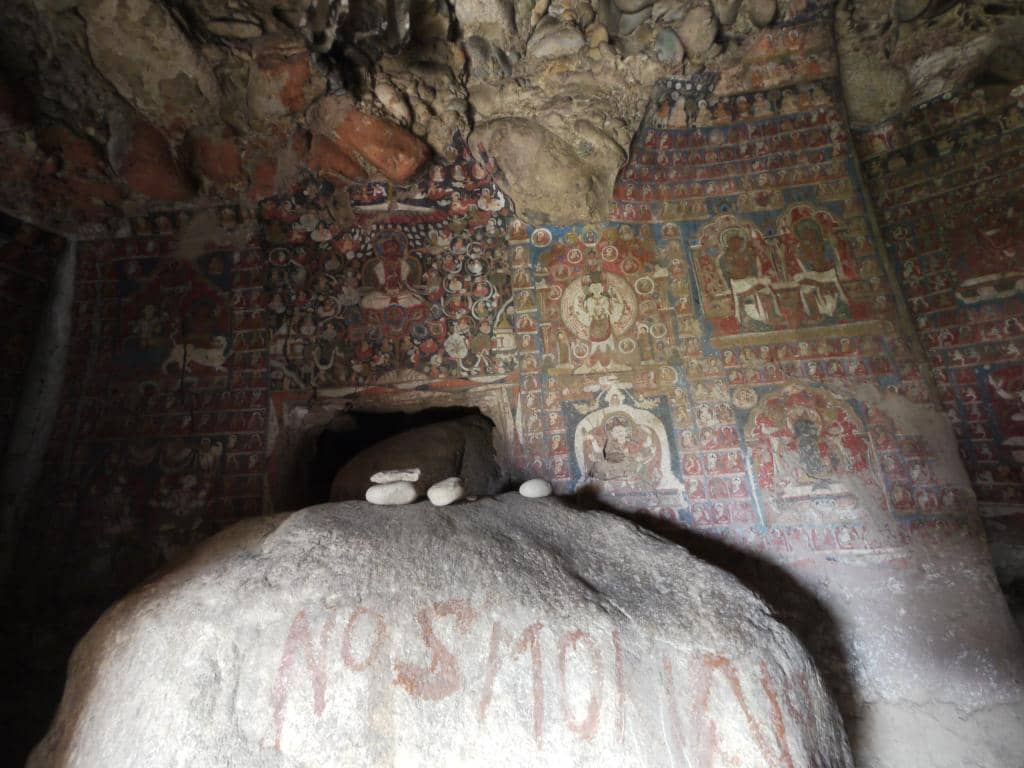
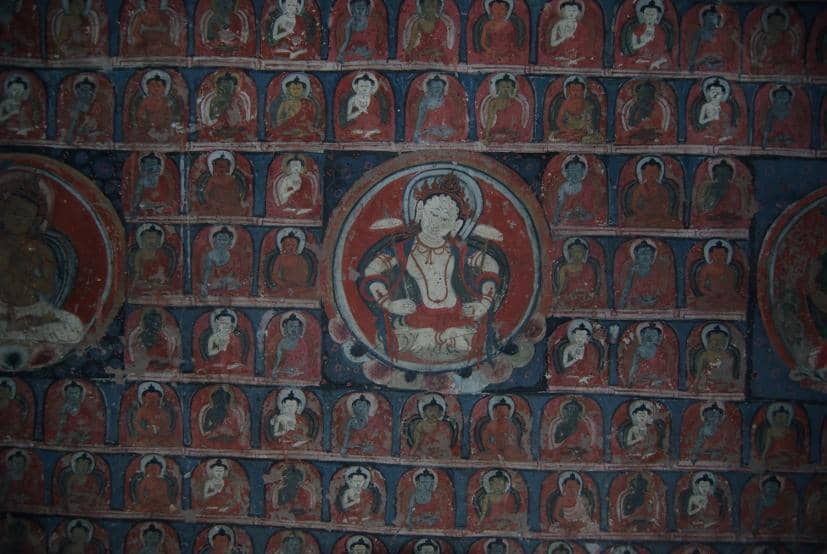
Vibrant 13th-15th century Buddhist art adorning cave walls, offering a glimpse into ancient Himalayan culture.
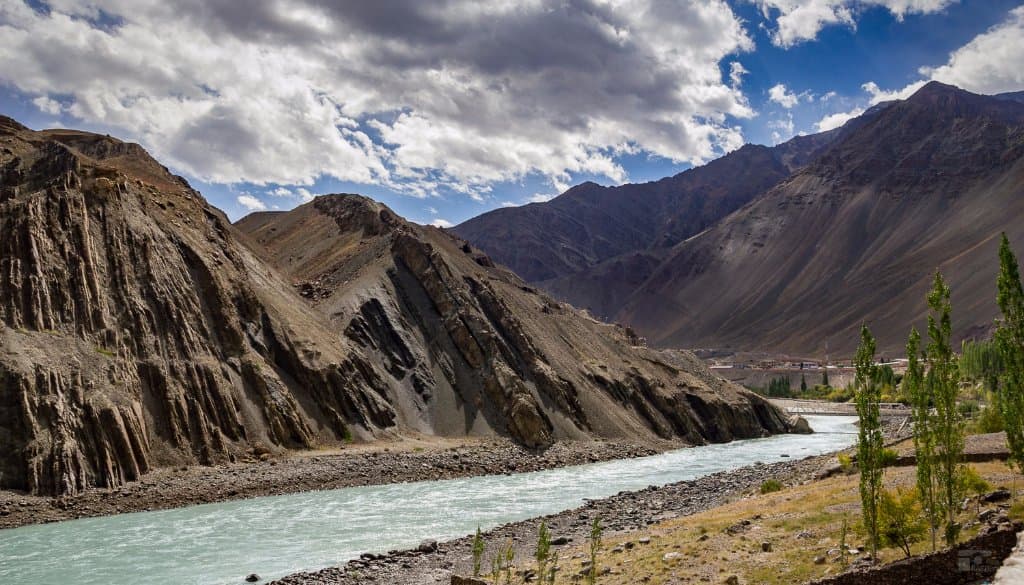
Panoramic Indus Valley Views
Hilltop near the caves
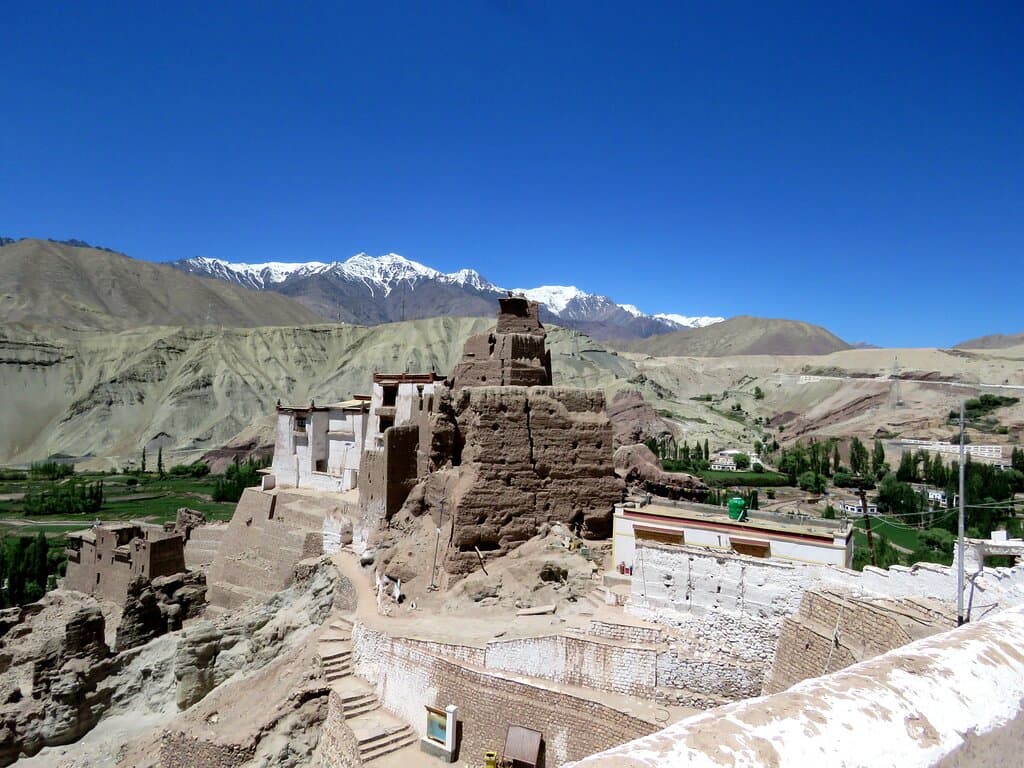
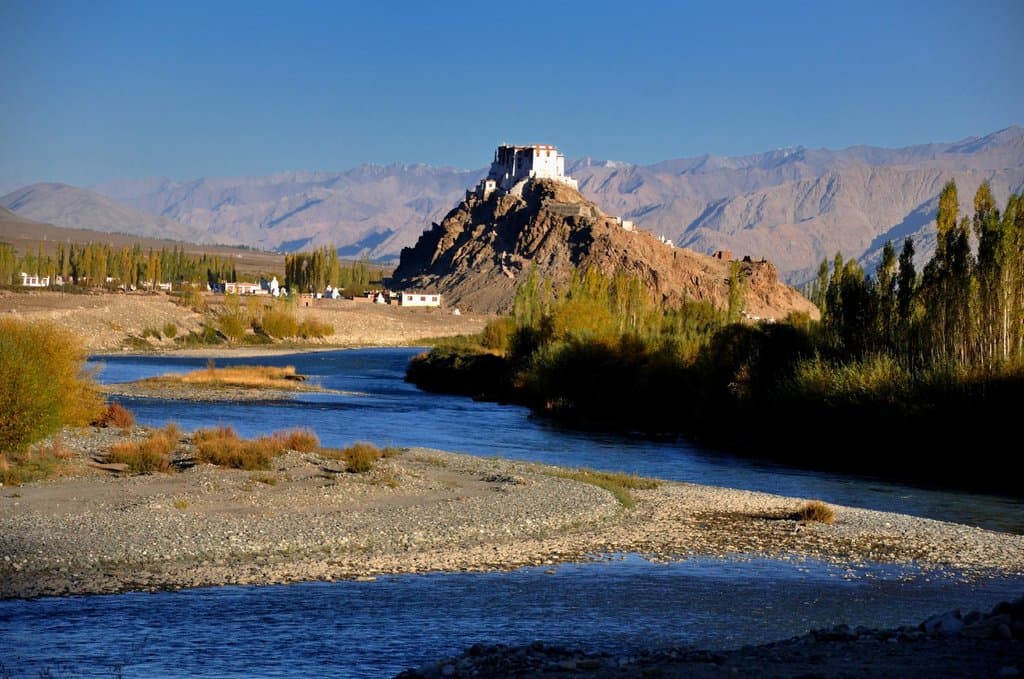
Breathtaking vistas of the Indus River and Ladakh's rugged terrain from the elevated cave locations.
Ruins of a 9th Century Fort
Top of the hill
Explore the remnants of an ancient fort, adding a layer of historical intrigue to your visit.
Plans like a pro.
Thinks like you
Planning Your Visit
Accessing the Ancient Art
Preserving the Past
 While efforts are being made, access to the most significant painted caves can sometimes be restricted or require careful navigation. Respect the delicate artwork and the natural environment.
Best Times
Insider Tips
from TikTok, Instagram & Reddit
👟 Wear Sturdy Shoes
The path to the caves is rocky and can be slippery. Good grip is essential!
💧 Carry Water
Stay hydrated, especially during warmer months. There are limited facilities nearby.
📸 Respect the Art
Avoid touching the ancient paintings. Flash photography might be restricted.
🗺️ Combine with Alchi
Saspol is conveniently located near Alchi Monastery, making it easy to visit both in one trip.
Tips
from all over the internet
👟 Wear Sturdy Shoes
The path to the caves is rocky and can be slippery. Good grip is essential!
💧 Carry Water
Stay hydrated, especially during warmer months. There are limited facilities nearby.
📸 Respect the Art
Avoid touching the ancient paintings. Flash photography might be restricted.
🗺️ Combine with Alchi
Saspol is conveniently located near Alchi Monastery, making it easy to visit both in one trip.
⏳ Allow Ample Time
Don't rush the experience. Explore the caves and soak in the views.
What Travellers Say
Reviews Summary
Saspol Caves are a hidden gem in Ladakh, praised for their ancient Buddhist wall paintings and breathtaking views of the Indus Valley. Visitors appreciate the raw, off-the-beaten-path experience and the historical significance of the site. However, the challenging, slippery approach and occasional lack of access to the main painted cave are noted drawbacks.
"The Saspol Caves is one of Ladakh's lesser-known treasures. Also known as the Gon-Nila-Phuk Cave Temples, are a series of rock-cut caves in Ladakh, India, known for their 13th-15th century Buddhist wall paintings. Situated in the hills behind Saspol village, the caves are about 76 km from Leh. While some caves have been difficult to access, stairs have been added to improve access to the main temple cave. The view from the caves are awesome. On top of the hill, one can also see the ruins of a ninth-century fort. #ladakh #ladakhdiaries #ancientmonasteries #ancientcaveexploration #ladakhtourism #india #ancientcivilization #ancientculture #travel #travelphotography"
Vinita Chhatwani
"The approach to these caves is full of slippery stones making the climb difficult.
There are no steps or railings and after a strenuous climb we see the caves with graffiti inside .
Wish they made a proper approach to these caves so that tourists can appreciate the paintings.
Since the caves with paintings were at a higher level,we did not venture there so didn't get to see them."
rajeshwari shankaranarayanan
"Very nice place to do together with Alchi. Newly asphalted road leads almost to them, then walk a minute and get inside the caves. The views are also super nice."
Miguel Stampa
What People Like
What People Dislike
Frequently Asked Questions
🚇 🗺️ Getting There
Saspol Caves are located about 76 km from Leh. You can hire a taxi or take a local bus heading towards Kargil. The road is newly asphalted for a good portion, getting you close to the village. From Saspol village, a marked path leads to the caves.
While some websites call it a trek, it's more of a hike with a steep and sometimes slippery approach over loose stones. It's not a technical trek, but sturdy footwear is a must.
Yes, a newly asphalted road leads almost to the caves, allowing you to drive very close to the base. From there, it's a short walk to the cave entrances.
Many visitors combine a trip to Saspol Caves with a visit to the nearby Alchi Monastery, as they are in close proximity and offer complementary cultural experiences.
Local buses that travel between Leh and Kargil usually pass through Saspol. However, schedules can be infrequent, so hiring a taxi offers more flexibility.
🎫 🎫 Tickets & Entry
There is typically no entrance fee for the Saspol Caves themselves. However, access to certain painted caves might be restricted or require a local guide's assistance.
The caves are generally accessible during daylight hours. However, the main painted cave, marked with red paint, might be locked outside of peak tourist seasons or specific times.
No, there isn't a separate fee for viewing the paintings. The experience is usually included with your visit to the caves, though access to some might be limited.
You can visit independently, but a local guide can enhance your experience by pointing out specific paintings and sharing historical context. Some of the more remote caves might be harder to find without guidance.
Visitors are advised to be cautious of slippery paths and loose stones. It's also important to respect the ancient artwork and avoid touching or damaging it.
🎫 🧭 Onsite Experience
The main attraction is the ancient Buddhist wall paintings dating back to the 13th-15th centuries. You can also explore the rock-cut chambers and enjoy the stunning views of the Indus Valley.
There are several rock-cut caves at Saspol, with paintings found in five of them. However, two are extensively damaged, and access to the most significant painted ones can vary.
The caves feature unique 15th-century wall paintings depicting Buddhist deities and scenes. Some still retain vibrant colors, showcasing ancient Tibetan Buddhist art.
The views from the caves and the hilltop are spectacular, offering panoramic vistas of the Indus River and the surrounding rugged Ladakh landscape.
While some efforts have been made, like adding stairs to the main cave, the approach can still be challenging with slippery stones. Graffiti has been noted inside some caves.
📸 📸 Photography
Photography inside the caves, especially of the delicate paintings, may be restricted or discouraged. It's best to check with local guides or signs. Flash photography is generally not allowed to protect the artwork.
The views of the Indus Valley from the cave entrances and the hilltop are excellent for photography. The exterior of the caves themselves also offer interesting photographic opportunities.
Consider visiting during the golden hours (early morning or late afternoon) for softer light. Be mindful of the challenging terrain when setting up shots.
Drone usage regulations can vary. It's advisable to check with local authorities or your tour operator before flying a drone in the area.
A versatile lens (like a 24-70mm) would be useful for both landscape shots and details within the caves. A wide-angle lens is great for the expansive views.
Social
from TikTok, Instagram & Reddit