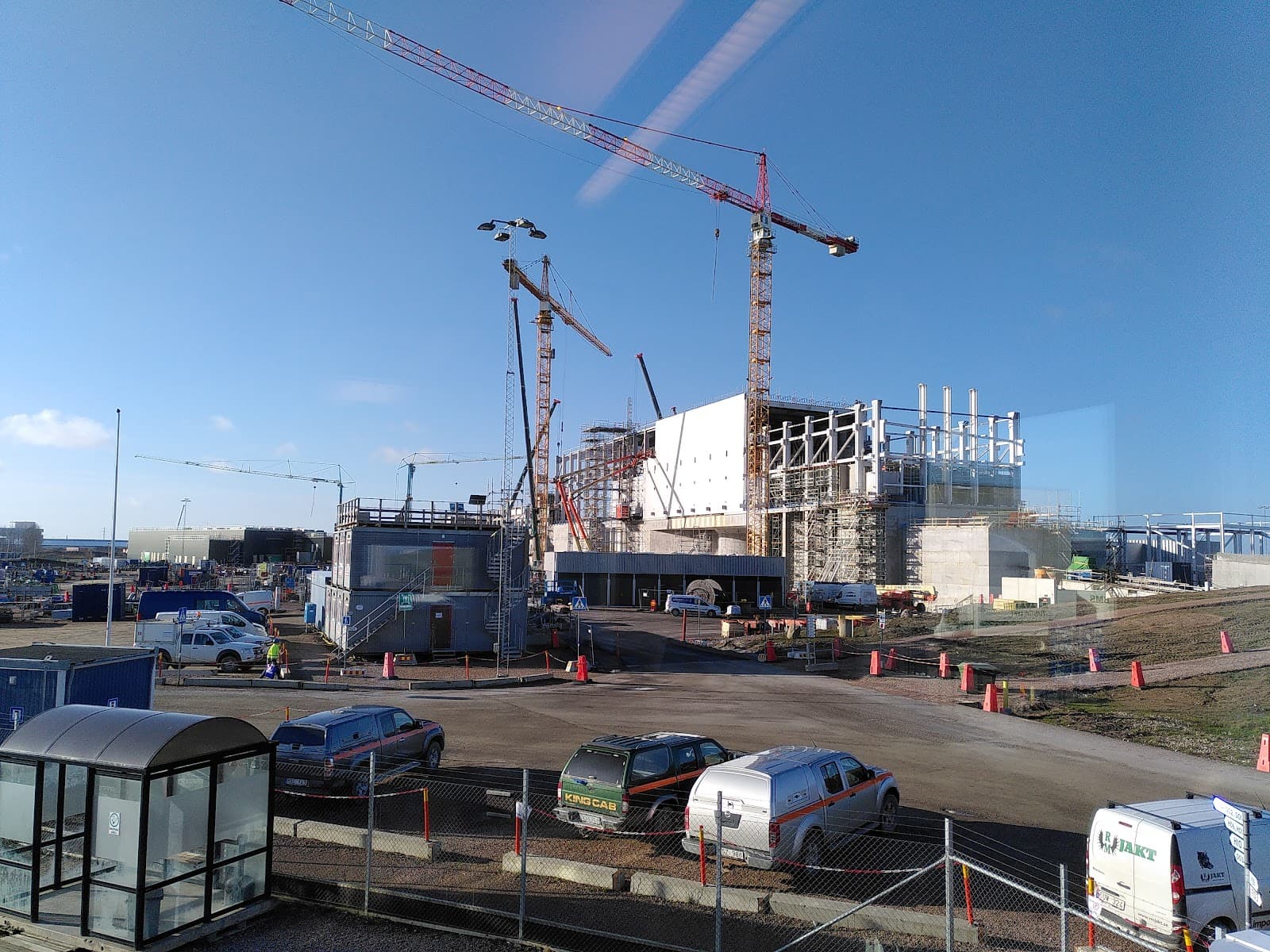
European Spallation Source
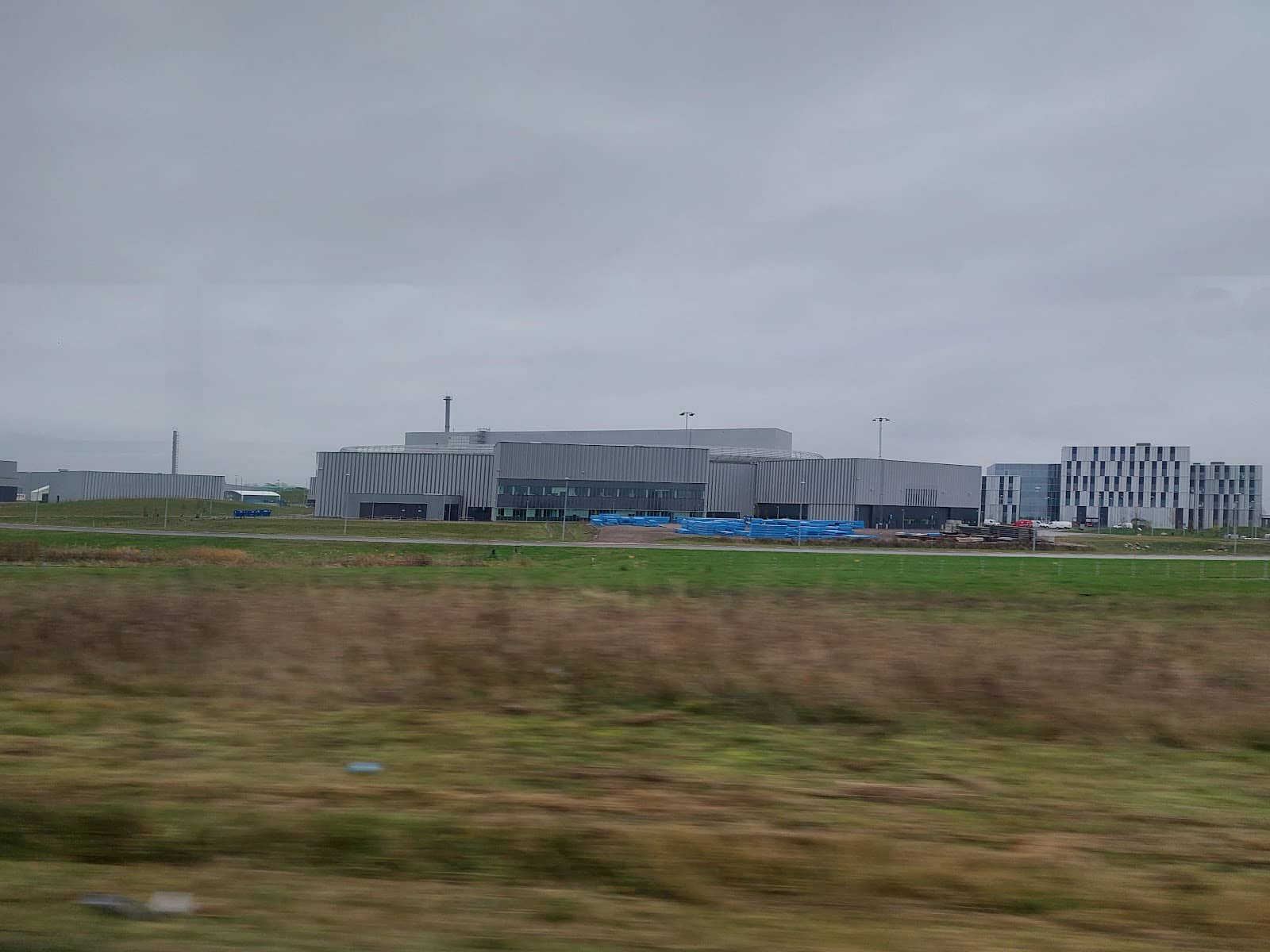
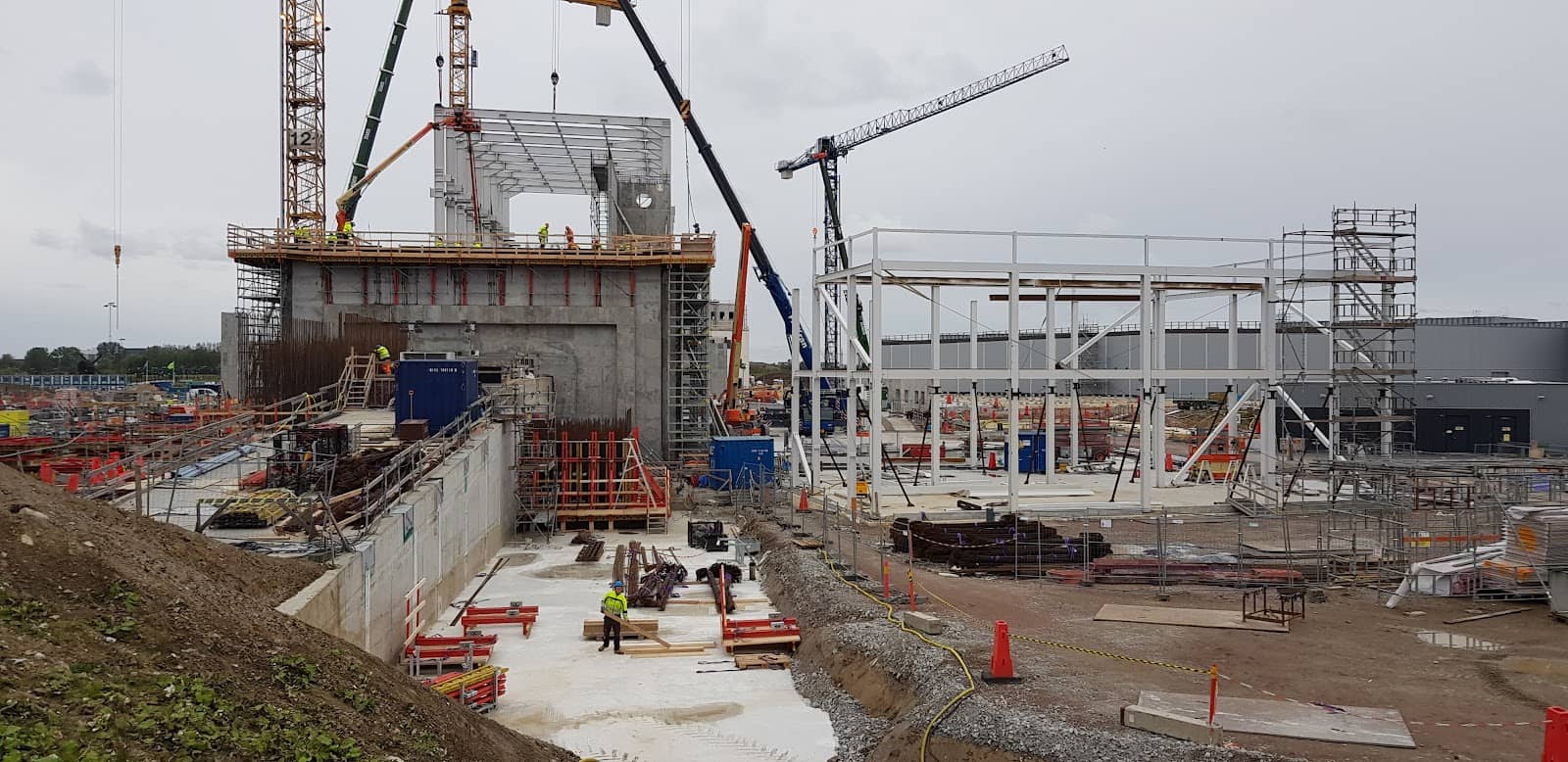
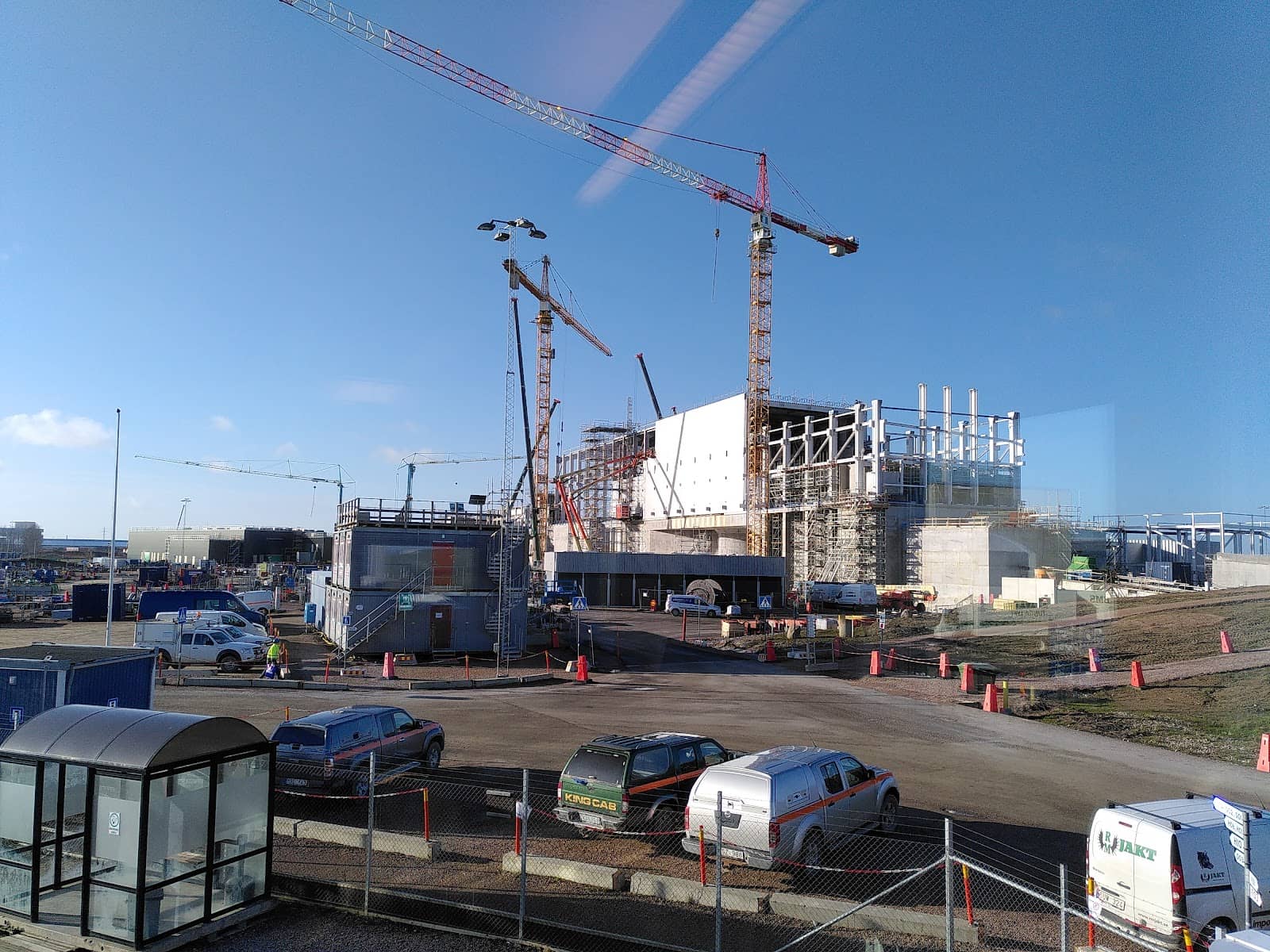
ESS is a groundbreaking research facility in Sweden, housing the world's most powerful neutron source for atomic-level material studies.
Highlights
Must-see attractions

Social
From TikTok & Reddit
Best Time
Rare opportunities for public access.
European Spallation Source
Best Time
Rare opportunities for public access.
Highlights
Must-see attractions
ESS is a groundbreaking research facility in Sweden, housing the world's most powerful neutron source for atomic-level material studies. 
"This is the future of science, a fantastic step forward in Swedish technology. "
Check for Open Days
Public access is limited; look for announced open days for a chance to visit.
Understand the Science
Familiarize yourself with neutron scattering to appreciate ESS's research.
Quick Facts
Highlights
Discover the most iconic attractions and experiences
The Neutron Source
Witness the heart of ESS – the world's most powerful accelerator-based neutron source, enabling groundbreaking scientific discovery.
+1Global Scientific Collaboration
Experience a facility where 550 researchers from 57 countries collaborate to push the boundaries of science.
Advancing Future Technologies
See how ESS research contributes to innovations in materials, energy, and health sciences for a better future.
+1Plans like a pro.
Thinks like you
Planning Your Visit
Plan Your Visit to ESS
Understanding ESS's Scientific Mission
+1Best Times
Insider Tips
from TikTok, Instagram & Reddit
Check for Open Days
Public access is limited; look for announced open days for a chance to visit.
Understand the Science
Familiarize yourself with neutron scattering to appreciate ESS's research.
Plan Your Travel
Lund's local tram provides easy access to the ESS site.
Follow ESS Updates
Stay informed about scientific progress and milestones via their annual reports.
Tips
from all over the internet
Check for Open Days
Public access is limited; look for announced open days for a chance to visit.
Understand the Science
Familiarize yourself with neutron scattering to appreciate ESS's research.
Plan Your Travel
Lund's local tram provides easy access to the ESS site.
Follow ESS Updates
Stay informed about scientific progress and milestones via their annual reports.
What Travellers Say
Reviews Summary
Visitors and observers are impressed by the European Spallation Source's technological ambition and its potential to drive future scientific discovery. The scale of the project and its global collaboration are frequently highlighted as positive aspects. Some note that public access is limited, requiring specific event attendance for visits.
"This a fantastic step forward in Sweden technology. So now Switzerland Cern has to pick up the quarks from this. Watch up for the black hole. Just kidding.
Make a visit, you will not be disappointed."
Gunnar Lundgren
"Thats the future
What comes after cern…"
Franz Helmli
"Interesting project ("gigantic microscope/macroscope" via neutron scattering/spallation) for the coming five-ten years. Really sticks out from far away (you can see it from the highway aswell)."
pX
What People Like
What People Dislike
Frequently Asked Questions
🚇 🗺️ Getting There
The ESS is located in Lund, Sweden. A local tram from Lund city center provides convenient access to the site, running approximately every 20 minutes.
Information regarding visitor parking is not widely available, but public transport is recommended. Check the official ESS website for the most current details.
Yes, the facility is quite large and can be seen from the highway, making it a visible landmark.
🎫 🎫 Tickets & Entry
Public access to ESS is generally restricted. Visits are typically for researchers or during specific, announced open days. It's crucial to check the official ESS website for any visitor information or event schedules.
As a research facility, ESS does not have standard public opening hours. Access is usually by appointment or during special events. Always verify with ESS directly.
Guided tours for the general public are not a regular offering. However, educational visits for students, like those from El- och energiprogrammet, do occur.
🎫 🔬 Onsite Experience
ESS is a multidisciplinary research facility that uses neutrons to study materials at the atomic and molecular level. It's designed to be the world's most powerful neutron source for scientific research.
The science at ESS focuses on understanding materials through neutron scattering. This helps in developing new materials, advancing energy solutions, and making breakthroughs in health sciences.
ESS is a European research infrastructure with collaboration from 13 nations, and it hosts researchers from 57 countries, highlighting its global scientific importance.
The facility is rapidly moving towards full operation, with initial operational tests planned. It's considered a significant project for the coming years.
📸 📸 Photography
Photography policies can vary, especially within a high-security research facility. If visiting during an open day or a scheduled tour, inquire about photography guidelines beforehand.
While access might be limited, the sheer scale of the facility and its advanced technology offer unique photographic opportunities. Focus on capturing the architectural grandeur and the sense of scientific endeavor.
Social
from TikTok, Instagram & Reddit