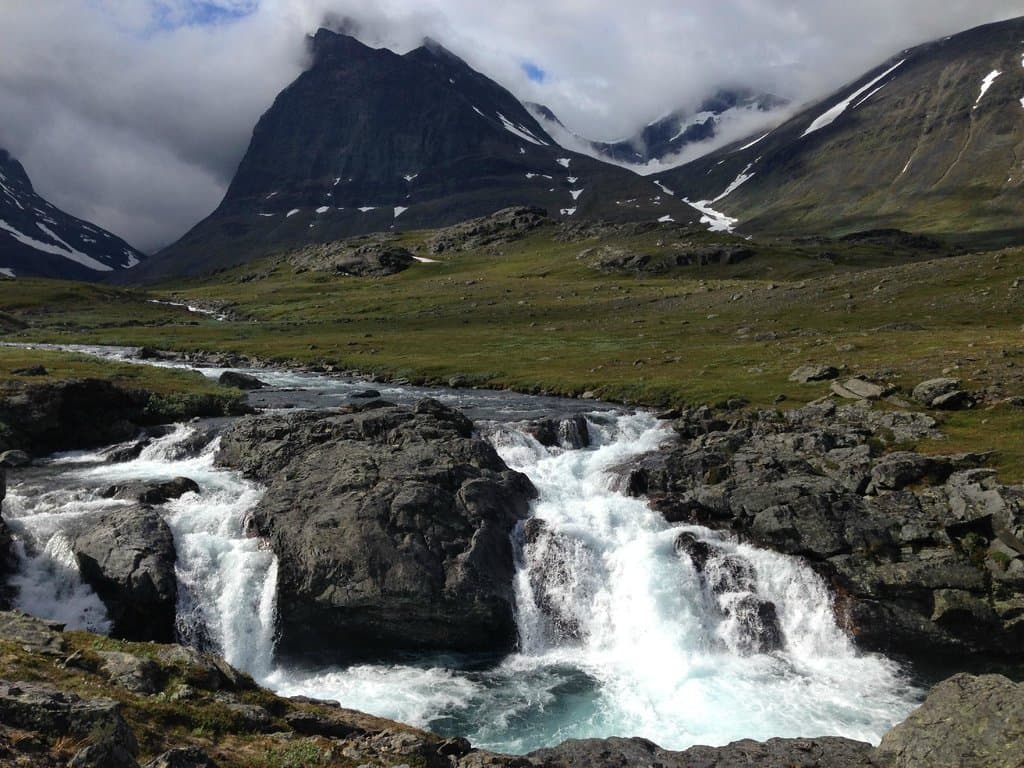
Kungsleden Trailhead Abisko
Gateway to the Kungsleden trail and a prime spot for Northern Lights. Experience Arctic wilderness, stunning landscapes, and unforgettable adventures.
Highlights
Must-see attractions

Social
From TikTok & Reddit
Best Time
Long daylight, accessible trails
Kungsleden Trailhead Abisko
Best Time
Long daylight, accessible trails
Highlights
Must-see attractions
Gateway to the Kungsleden trail and a prime spot for Northern Lights. Experience Arctic wilderness, stunning landscapes, and unforgettable adventures.
"Majestic landscapes and a cool waterfall through a man-made tunnel. The nature is especially beautiful in the autumn."
Pack for all weather
Layers are key! Be ready for sun, rain, and snow, even in summer. Warm clothing is a must for winter. :cloud_rain: :snowflake:
Book transport in advance
Trains and buses can fill up, especially during peak season. Book your SJ train tickets early. 🚌 🚂
Quick Facts
Hours
Rating
4.8 · 288 reviews
Type
Hiking Area
Highlights
Discover the most iconic attractions and experiences
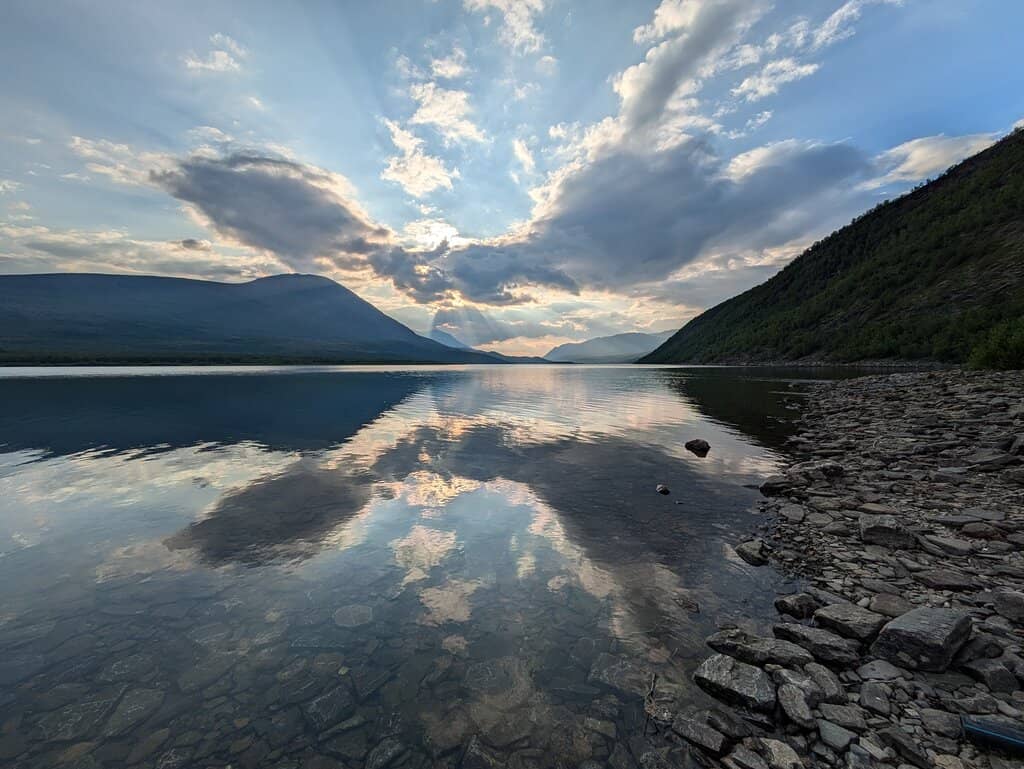
Abisko National Park
Abisko
Explore pristine Arctic landscapes, from frozen waterfalls to majestic mountain vistas. A must-see for nature lovers.
Northern Lights Viewing
Abisko
Witness the magical Aurora Borealis dance across the Arctic sky. Best seen during winter months.
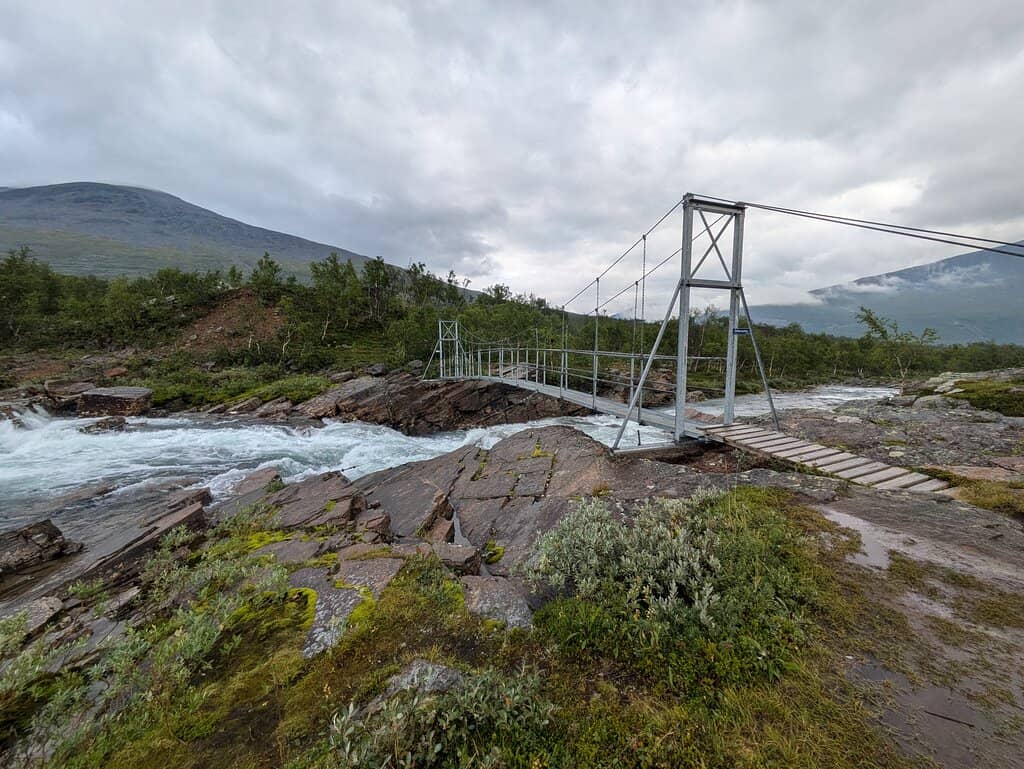
Kungsleden Trail Start
Abisko
The iconic starting point for one of the world's most famous hiking trails. Embark on an unforgettable adventure.
Frozen Waterfall
Near Abisko
A breathtaking sight, especially in winter. A short, accessible trail leads to this icy spectacle.
Plans like a pro.
Thinks like you
Planning Your Visit
Timing is Everything
Gear Up for the Arctic
Best Times
Insider Tips
from TikTok, Instagram & Reddit
Advice for a section-hike on the Kungsleden
Hi everyone! I am planning to hike a section of the Kungsleden in early august, namely, the part between Nikkaluokta and Abisko. I am planning to sleep in my tent. I have a few questions for this community, namely: 1. Is it feasible in 5 days? (about 20km per day would not be…
Pack for all weather
Layers are key! Be ready for sun, rain, and snow, even in summer. Warm clothing is a must for winter. :cloud_rain: :snowflake:
Book transport in advance
Trains and buses can fill up, especially during peak season. Book your SJ train tickets early. 🚌 🚂
Really wanting to do the Kungsleden trail (kings trail) but don't know where to get started
I'm from Australia and me and a friend who have started backpacking recently are wanting to do the kings trail sometime next year, neither of us have done any over seas travel and aren't sure how to get started booking and planning wise, can anyone help?
Looking for guidance! :)
Hi guys, I'm new here. I am planning to go on a hiking trip to Kungsleden by myself at the end of August, for maybe 8 or 9 days. All I have at the moment is the intention. I have no experience whatsoever in hiking/camping. I always enjoyed the idea and wanted to do it, but…
Consider an emergency beacon
For solo hikers, a device like Garmin InReach Mini offers peace of mind. Cell service is unreliable. 📡
Embrace the quiet
Evenings are magical for stargazing and potential Northern Lights. Enjoy the serene Arctic nights. :star2:
Kungsleden in September?
Hiya, I am in quite the dilemma. Previous season I did a part in the south of Kungsleden and I loved it. A bit too crowdy sometimes but nevertheless a great experience. This year I want to go back but the problem is that I can only go in june (start around the 12th) or go in…
Tips
from all over the internet
Pack for all weather
Layers are key! Be ready for sun, rain, and snow, even in summer. Warm clothing is a must for winter. :cloud_rain: :snowflake:
Book transport in advance
Trains and buses can fill up, especially during peak season. Book your SJ train tickets early. 🚌 🚂
Consider an emergency beacon
For solo hikers, a device like Garmin InReach Mini offers peace of mind. Cell service is unreliable. 📡
Embrace the quiet
Evenings are magical for stargazing and potential Northern Lights. Enjoy the serene Arctic nights. :star2:
Stay hydrated
Carry plenty of water, especially during summer hikes. Refill from streams if you have a filter. :droplet:
What Travellers Say
Reviews Summary
Visitors rave about Abisko's breathtaking natural beauty, from majestic mountains to the magical Northern Lights. The Kungsleden trail offers an unforgettable hiking experience, and the park provides year-round adventure. Some find the winter trails challenging due to closures, and the remoteness means planning is essential.
"Went here in the beginning of July 2025 for the first time, so I got up to Kiruna by car further to Nikkaluokta, parked my car (parking 40SEK/ day) and took Nikkaluoktaexpress back to Kiruna trainstation were i went to Abisko Turiststation by train (transfer were booked as a package via sj.se website and costs ~450SEK). (There are stops at both Abisko East and Abisko Turiststation).
First day was "easy", went 17km through Abisko nature preserve and found a campingspot at Šiellajohka just outside the preserve.
Second day started rough with some 220 meters incline over 4km. The start to feel small began here, were mountain tops stood high on the skyline. This day went by Alesjaure Cabins. Tented by a river made from all the melted ice and snow a few kilometers from Alesjaure towards Tjäktja cabins.
Third day started with easy hiking, the first kilometers towards Tjäktja cabins and passage was good for some pace. The shock came when the climb began to the passage, the snow was laying thick and the brigades made of snow over the rivers were risky. Well on top of the passage, i took a well-earned Fika accompied by a older couple from Denmark. We had our laughs, and I think they understood me more than I them. (Sorry! Haha!) Further I passed Sälka cabins, were I bought a beer and some beerwurst. Very good, well-deserved. Went for a couple of kilometers towards Singi cabins.
Fourth day went quickly to Singi, approx. 7km. Stopped at the cabins and talk to one of the polite cabin hosts. Even got free juice. (Maybe i looked a bit worn out..., the night sleep wasn't that great because of the weather). Further I went through the valley towards Kebnekaise station. Stopped by the reception and bought myself a softdrink (with sugar!) and some "chips". Camped the last night 2km towards Nikkaluokta.
Got back to Nikkaluokta after 5 days, with a sadness that the days passed so quickly. Awesome nature and the people that I have met along the way is indescribable. All so happy and passionate about this lifestyle.
P.s. If you are going alone or just want to feel safe, invest in a emergency transmitter such as Garmins Inreach Mini or any other.
Will definitely go back here!"
André
"Took the start of this trail to explore Abisko National Park. Though the water was mostly frozen over and there was snow everywhere, this place was still an amazing place to be with awesome views
Personally, I would come back here in the summer times to once again frolick in the general area"
Jorgen Chua Wei Shao
"Incredible place. There is so much to do. Great hiking. Awesome spots for northern light watching. Can do skiing in winter or walk with snowshoes. I spend here 3 days during February and it was not enough will go back in summer time. Nature is just stunning. National park - must see place. It can get very cold - warm clothing must have."
Martins Freidenfelds
What People Like
What People Dislike
Frequently Asked Questions
🚇 🗺️ Getting There
The most common way to reach Abisko is by train via SJ, which stops at Abisko East and Abisko Turiststation. You can also drive to Nikkaluokta and take a bus or taxi to Abisko. Many travelers book their train and transfer as a package online.
Yes, you can drive to Abisko. There is parking available, for example, in Nikkaluokta if you plan to start your hike from there. Parking fees may apply.
The train is a popular and scenic option. SJ operates regular services connecting Abisko to major cities like Kiruna and Stockholm.
Yes, bus services operate in the region, connecting Abisko to nearby towns like Kiruna. Check local bus schedules for specific routes and times.
The train journey from Stockholm to Abisko typically takes around 15-17 hours, often with an overnight component. It's a long but scenic trip.
🎫 🎫 Tickets & Entry
Abisko National Park is free to enter. There are no admission fees for exploring the park's natural beauty.
Parking fees may apply in certain areas, such as Nikkaluokta if you are starting your hike from there. It's advisable to check current rates before your arrival.
The STF Abisko Turiststation generally operates year-round, but specific opening hours for facilities like the reception or shop can vary by season. It's best to check their official website for the most up-to-date information.
Yes, accommodation options include the STF Abisko Turiststation, which offers rooms and dormitories, as well as campsites. Booking in advance is highly recommended, especially during peak season.
While the Kungsleden trail itself is open to all, staying overnight in STF mountain huts requires membership or a daily fee. Wild camping is permitted in designated areas, respecting nature conservation rules.
🎫 🥾 Onsite Experience
The summer months (June to September) offer the most favorable hiking conditions with long daylight hours and generally snow-free trails. Winter offers opportunities for Northern Lights and snow activities, but trails may be closed.
You might spot reindeer, arctic foxes, various bird species, and potentially moose. Keep a respectful distance and never feed the wildlife.
Yes, STF mountain huts provide facilities, and there are designated camping spots. Natural water sources are available, but using a water filter is recommended.
Winter hiking can be challenging with snow and ice. Some trails may be closed due to maintenance or safety concerns. Snowshoes or skis are often necessary.
Absolutely! Abisko is renowned for its clear skies and low light pollution, making it one of the best places in the world to see the Aurora Borealis, especially from late August to March.
📸 📸 Photography
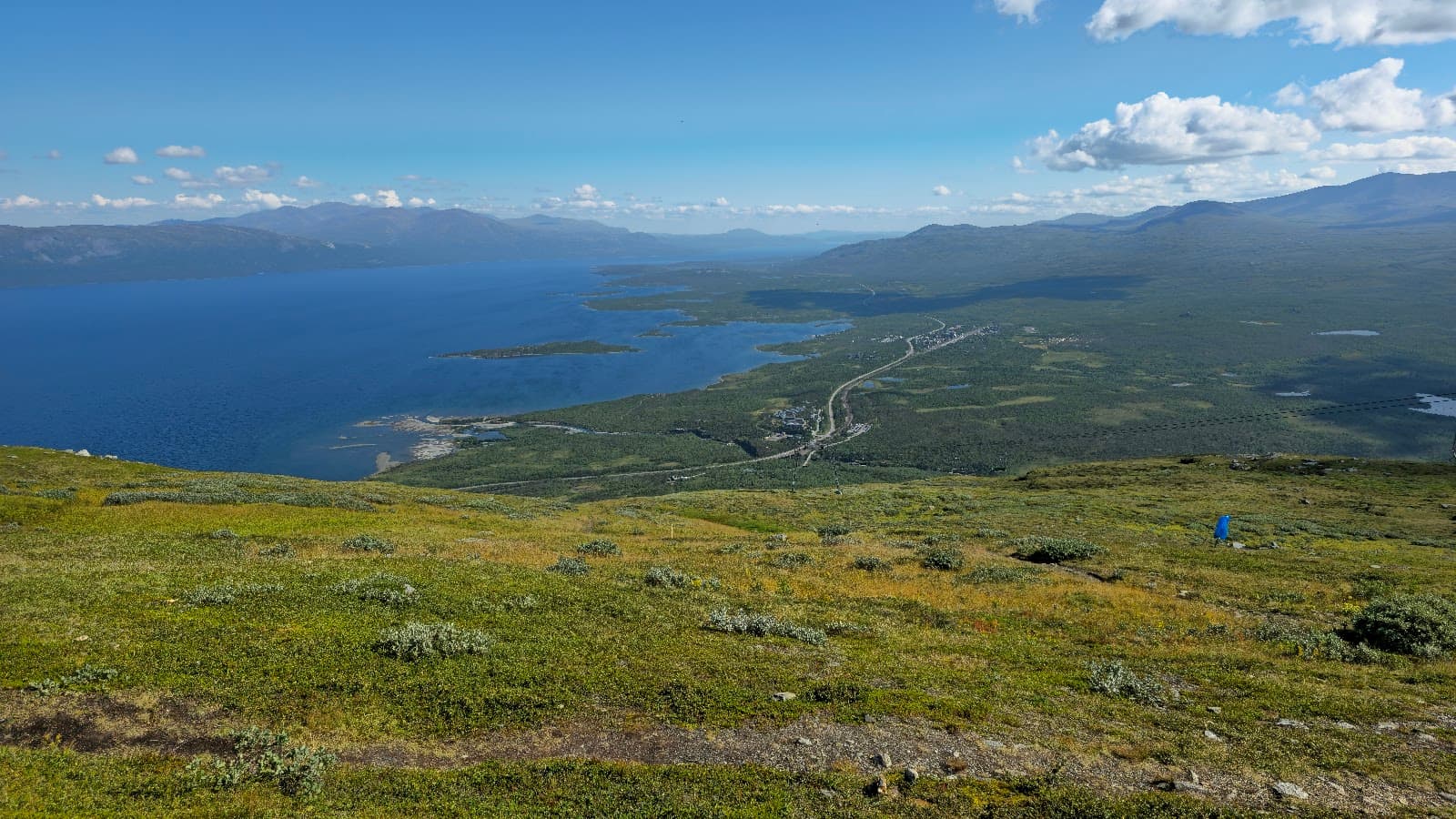
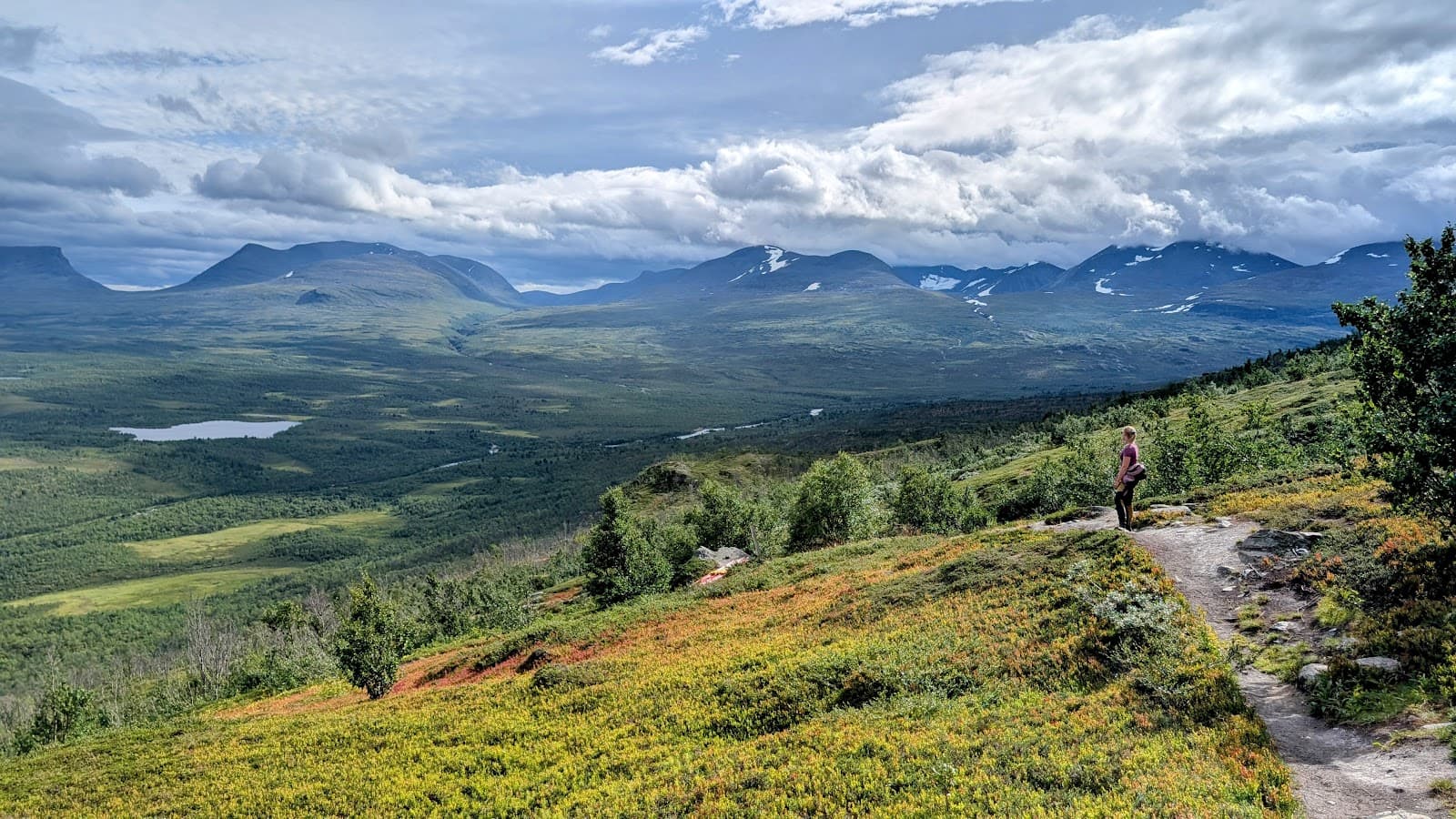
Abisko National Park offers stunning vistas, especially around the frozen waterfall and along the Kungsleden trail. The Aurora Borealis provides incredible night photography opportunities in winter.
A wide-angle lens is great for landscapes, and a telephoto lens can be useful for wildlife. For Northern Lights, a tripod and a camera with good low-light performance are essential.
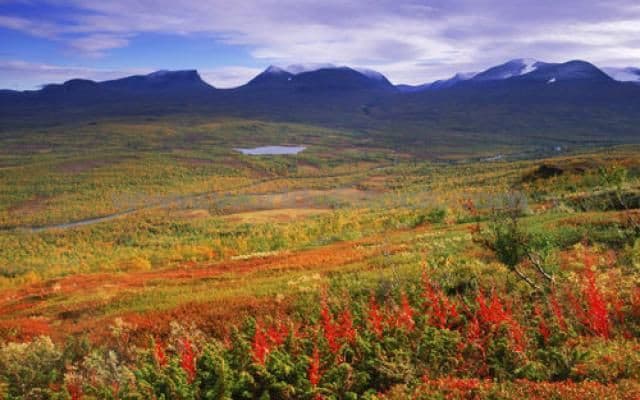
Sunrise and sunset offer beautiful golden hour light. Autumn provides vibrant colors, while winter's snow-covered landscapes are dramatic. Summer's long daylight allows for extended shooting.
Use a tripod, set your camera to a high ISO, a wide aperture, and a long exposure (15-30 seconds). Experiment with settings to capture the aurora's movement.
The frozen waterfall, the vast mountain panoramas, and the chance to capture reindeer or other Arctic wildlife are highly recommended photo subjects.
Social
from TikTok, Instagram & Reddit