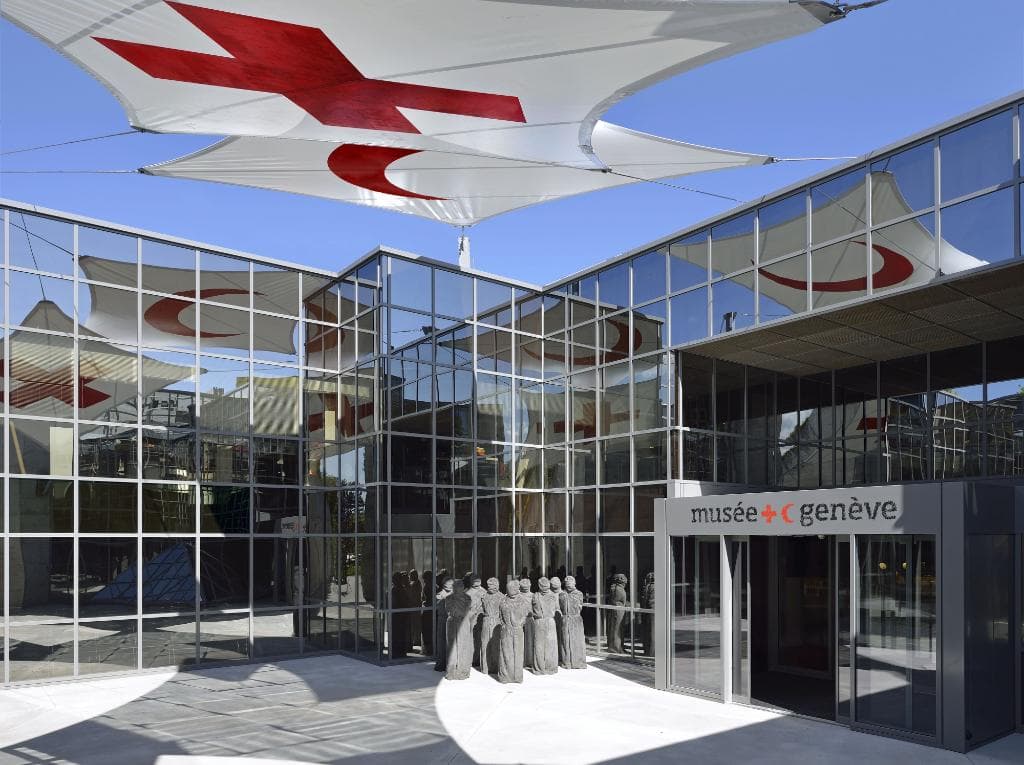
International Red Cross and Red Crescent Museum
A powerful museum exploring humanitarian action through moving exhibits, personal stories, and interactive displays.

Highlights
Must-see attractions

Social
From TikTok & Reddit
Best Time
Fewer crowds, more reflection
International Red Cross and Red Crescent Museum
Best Time
Fewer crowds, more reflection
Highlights
Must-see attractions
A powerful museum exploring humanitarian action through moving exhibits, personal stories, and interactive displays.
"Outstanding and inspiring experience, deeply moving and highly recommended for anyone visiting Geneva."

🎧 Use the Audio Guides
Excellent audio guides are available in multiple languages, enhancing your understanding of exhibits .
🚶♀️ Allow Ample Time
The museum is smaller but packed with information; plan for at least 2-3 hours to fully engage .

Quick Facts
Hours
Rating
4.5 · 2,726 reviews
Type
Museum
Highlights
Discover the most iconic attractions and experiences
Holographic Testimonies
Immersive holographic displays bring personal stories of humanitarian aid workers and beneficiaries to life, offering profound insights.

The 'Colours of Dignity' Light Wall
An interactive light installation that visually represents the diverse and impactful nature of humanitarian action.

Artifacts from Refuge Prisoners
Discover unique and poignant art pieces, like a tea set made from fish bones, created by individuals in refuge.

Outdoor Exhibition 'HUMANITY'
Lake Geneva
Photographs by Henry Leutwyler showcasing witness objects from humanitarian actions, displayed publicly.
Plans like a pro.
Thinks like you
Planning Your Visit
Timing Your Visit for Impact

Understanding the Core Message
Prepare for an emotionally resonant journey through historical conflicts and ongoing aid efforts, focusing on personal stories and the resilience of the human spirit.Best Times
Insider Tips
from TikTok, Instagram & Reddit
🎧 Use the Audio Guides
Excellent audio guides are available in multiple languages, enhancing your understanding of exhibits.
🚶♀️ Allow Ample Time
The museum is smaller but packed with information; plan for at least 2-3 hours to fully engage.
📚 Visit the Bookstore
Find insightful books and souvenirs, with prices noted as reasonable.
📍 Location Near UN
Conveniently located near the Palais des Nations, making it easy to combine with other Geneva sights.
Tips
from all over the internet
🎧 Use the Audio Guides
Excellent audio guides are available in multiple languages, enhancing your understanding of exhibits.
🚶♀️ Allow Ample Time
The museum is smaller but packed with information; plan for at least 2-3 hours to fully engage.
📚 Visit the Bookstore
Find insightful books and souvenirs, with prices noted as reasonable.
📍 Location Near UN
Conveniently located near the Palais des Nations, making it easy to combine with other Geneva sights.
💡 Interactive Engagement
Experience interactive games and displays that make learning about humanitarian work engaging.
What Travellers Say
Reviews Summary
Visitors consistently describe the International Red Cross and Red Crescent Museum as an outstanding, inspiring, and deeply moving experience. The modern, interactive exhibits effectively convey the profound impact of humanitarian work through personal stories and historical artifacts. While some found it a bit dry if not deeply interested, the overall consensus is that it's a well-organized, thought-provoking, and highly recommended visit for anyone in Geneva.
"Visiting the International Museum of the Red Cross and Red Crescent in Geneva was a deeply moving and enlightening experience. The museum’s innovative exhibits, including holographic testimonies and immersive installations, effectively convey the profound impact of humanitarian work across the globe. The interactive displays and multimedia presentations are designed to engage visitors of all ages, making complex topics accessible and compelling.
One of the most poignant aspects of the museum is its focus on personal stories and real-life accounts, which highlight the resilience and dignity of individuals affected by conflict and disaster. The museum’s architecture complements its mission, with thoughtfully designed spaces that encourage reflection and dialogue.
Located near the United Nations headquarters, the museum is easily accessible and offers a unique opportunity to understand the principles and challenges of humanitarian action. Whether you’re a student, professional, or simply curious, this museum offers valuable insights into the importance of compassion and solidarity in our interconnected world."
Jianshu Cui
"Loved it! I didn't know that the Red Cross started in Switzerland. It's small but filled with lots of information. Lots of videos to watch and there's an interactive game. I saw some very nice at pieces constructed by the refuge prisoners. My favorite was a tea set made out of fish bones! There's a snack shop and a bookstore area too. The prices weren't ridiculous. This was a really good trip to this museum."
Shelly Miss
"⭐️⭐️⭐️⭐️⭐️ Outstanding and Inspiring Experience
The Red Cross Museum in Geneva is truly exceptional. From the moment you enter, you're immersed in powerful stories of humanity, compassion, and global impact. The exhibitions are modern, interactive, and deeply moving — combining audio, visuals, personal testimonies, and historical artifacts in a way that really makes you reflect on the importance of humanitarian work.
The section on humanitarian actions across different crises around the world was especially impactful. I loved how the museum highlighted real people and their stories — it felt very personal and emotional. The audio guides were excellent and available in many languages, making the experience even more engaging.
The museum is well-organized, easy to follow, and beautifully designed. It’s not just a historical place, but also a reminder of our shared responsibility toward others. I left feeling inspired and grateful.
Highly recommended for anyone visiting Geneva — it’s a must-see!"
Aaditi Shreenivas Prabhune
What People Like
What People Dislike
Frequently Asked Questions
🚇 🗺️ Getting There
The museum is easily accessible by public transport in Geneva. Several bus lines stop nearby. It's also a pleasant walk from the United Nations European headquarters, making it convenient to visit both attractions.
While direct parking at the museum might be limited, there are public parking garages in the vicinity of the international district. It's often recommended to use public transport or walk if possible, as Geneva is a very walkable city.
Yes, depending on your starting point, walking to the museum from Geneva's city center is feasible and can be quite scenic, especially along the lake. It offers a great way to see more of the city.
From Geneva Airport (GVA), you can take a train to Geneva's main train station (Gare Cornavin) and then transfer to a local bus, or take a taxi directly to the museum. The journey is relatively short.
Absolutely! The museum is located in the heart of Geneva's international district, close to the Palais des Nations (UN European Headquarters) and the iconic Broken Chair sculpture. This makes it easy to plan a day exploring these significant landmarks.
🎫 🎫 Tickets & Entry
The museum typically opens around 10 AM and closes in the late afternoon or early evening. It's always best to check their official website for the most current opening hours, as these can vary seasonally or for special events.
Admission fees are generally considered reasonable, and the museum offers a bookstore and snack shop with prices that are not exorbitant. Check the museum's official website for the latest ticket prices and any potential discounts.
For general visits, booking in advance is usually not required, but it's a good idea, especially during peak tourist seasons or if you're part of a group. For special events like the DJ nights, advance booking is likely necessary.
Information on free admission days is not widely publicized. It's recommended to consult the museum's official website or contact them directly for any specific promotions or free entry opportunities.
The museum is designed to be accessible, with modern exhibits and thoughtful spaces. Visitors with disabilities should find the exhibits engaging and easy to navigate. Contact the museum directly for specific accessibility needs.
🎫 🧭 Onsite Experience
You'll encounter innovative exhibits, including holographic testimonies, interactive displays, and historical artifacts that highlight the history and ongoing work of the Red Cross and Red Crescent movement. The museum focuses on personal stories and the impact of humanitarian action.
Yes, the museum features interactive elements, such as an interactive game and the 'Colours of Dignity' light wall, designed to engage visitors and make complex humanitarian issues more accessible.
While the themes can be serious, the interactive nature of some exhibits and the focus on human stories can be engaging for older children and teenagers. It's a place for reflection and learning about compassion.
Most visitors spend around 2 to 3 hours exploring the museum to fully appreciate the depth of the exhibits and engage with the interactive elements.
While not always explicitly advertised, the excellent audio guides provide a comprehensive narrative. For group visits, inquire directly with the museum about the possibility of guided tours.
📸 📸 Photography
Photography policies can vary. Generally, personal photography without flash is often permitted for non-commercial use, but it's best to check for specific signage within the museum or ask staff. Some exhibits might have restrictions.
The 'Colours of Dignity' light wall offers visually striking opportunities. The outdoor 'HUMANITY' exhibition by Henry Leutwyler also provides unique photographic subjects.
The interactive light wall and the outdoor exhibition are particularly good for photography. The historical artifacts and personal testimonies, while deeply moving, might be more for personal reflection than extensive photography.
A smartphone with good low-light capabilities is usually sufficient for capturing the essence of the exhibits. If you plan to take more professional shots, a camera with a good wide-angle lens and low-light performance would be beneficial.
Searching for 'International Red Cross Museum Geneva' on platforms like Instagram or Google Images will yield many visitor photos. Look for hashtags like #RedCrossMuseum or #GenevaMuseum for inspiration.


Social
from TikTok, Instagram & Reddit