La Chaux-de-Fonds Watchmaking Urbanism (UNESCO) - Image 1
1 / 2

La Chaux-de-Fonds Watchmaking Urbanism (UNESCO)

5
·4 reviews·La Chaux-de-Fonds, Switzerland

A UNESCO World Heritage city renowned for its revolutionary grid-like urbanism and deep-rooted watchmaking industry.

Highlights

Must-see attractions

Social content

Social

From TikTok & Reddit

Best Time

Spring & Autumn mornings

Pleasant weather for exploring

CrowdLow
Loading map...
La Chaux-de-Fonds Watchmaking Urbanism (UNESCO) - Image 1

La Chaux-de-Fonds Watchmaking Urbanism (UNESCO)

Best Time

Spring & Autumn mornings

Pleasant weather for exploring

CrowdLow

Highlights

Must-see attractions

A UNESCO World Heritage city renowned for its revolutionary grid-like urbanism and deep-rooted watchmaking industry.

5
(4 reviews)

"A truly unique city, a living testament to functional urban planning and the art of watchmaking."

Vertical photo
TIP

🚶‍♀️ Walk the City

Explore the unique grid layout on foot to truly appreciate its design. Wear comfortable shoes! :athletic_shoe:

🎟️ Museum Tickets

Consider purchasing a combined ticket for multiple museums to save money. :admission_tickets:

Third hero image

Highlights

Discover the most iconic attractions and experiences

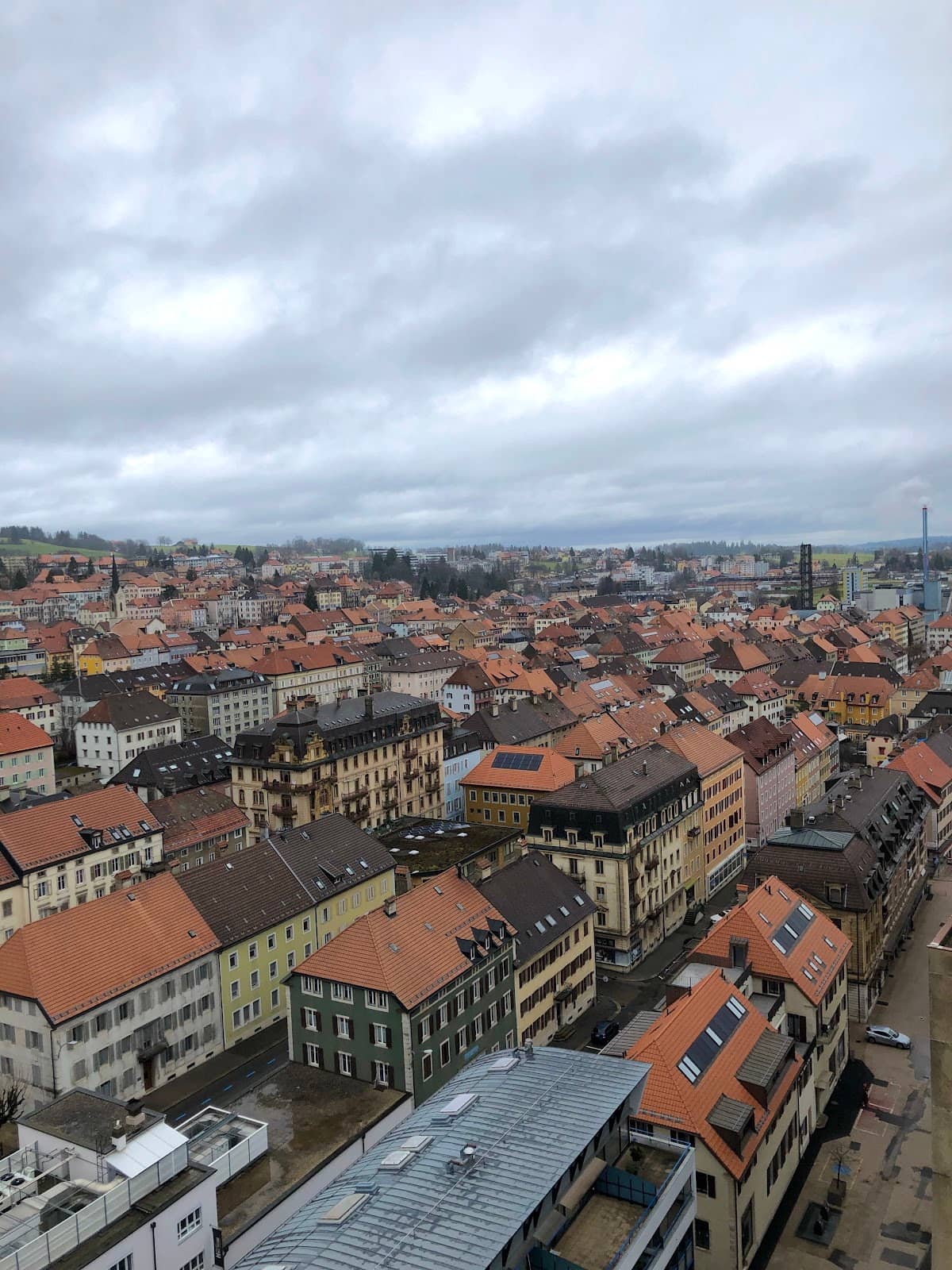
The Grid-Like City Layout

The Grid-Like City Layout

City-wide

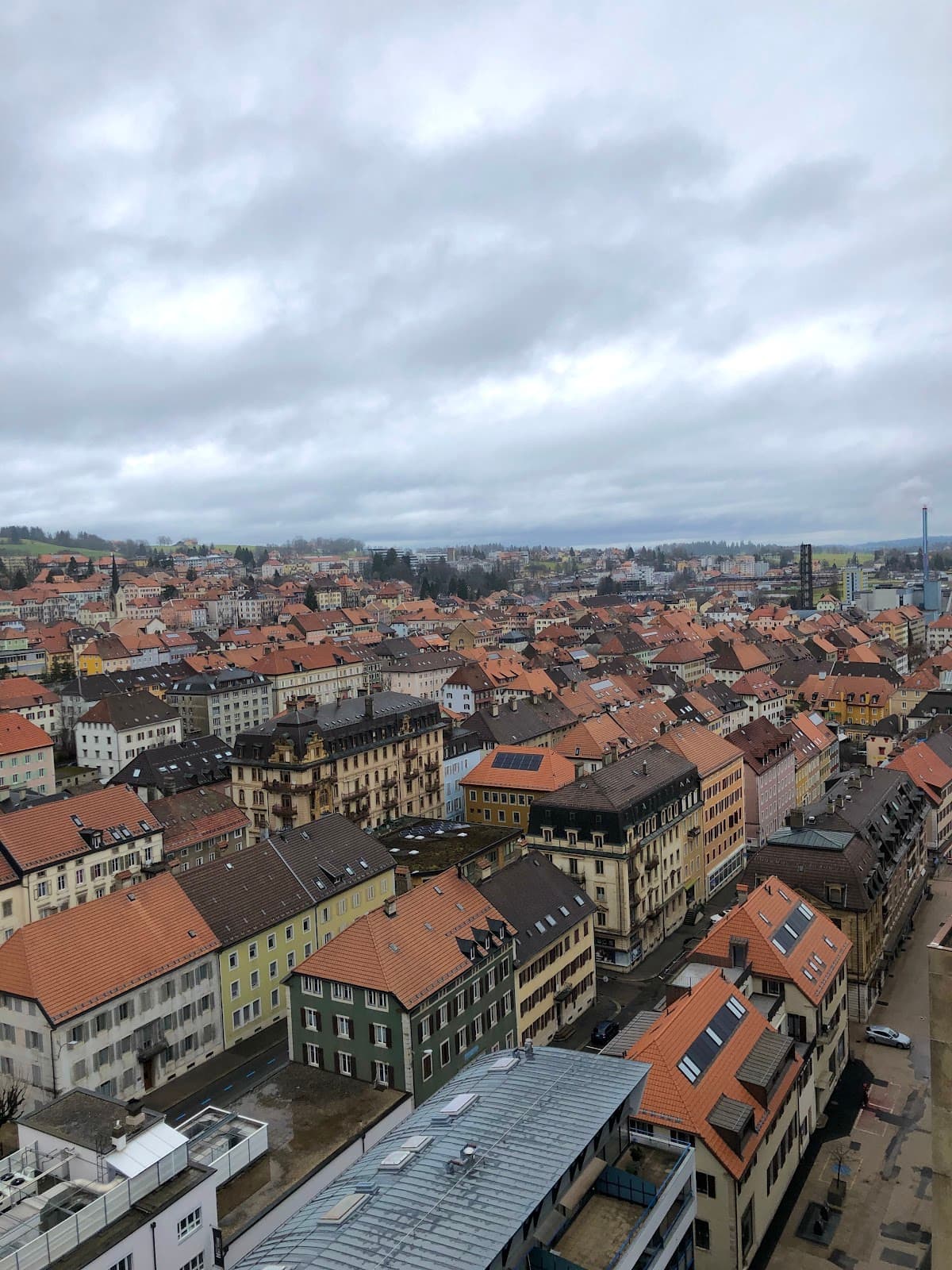
A revolutionary urban plan born from necessity, showcasing functional industrial design.
Musée International d'Horlogerie

Musée International d'Horlogerie

Rue des Musées 1

Discover the evolution of timekeeping with an unparalleled collection of historical timepieces.

Architecture of Le Corbusier

Architecture of Le Corbusier

Various locations

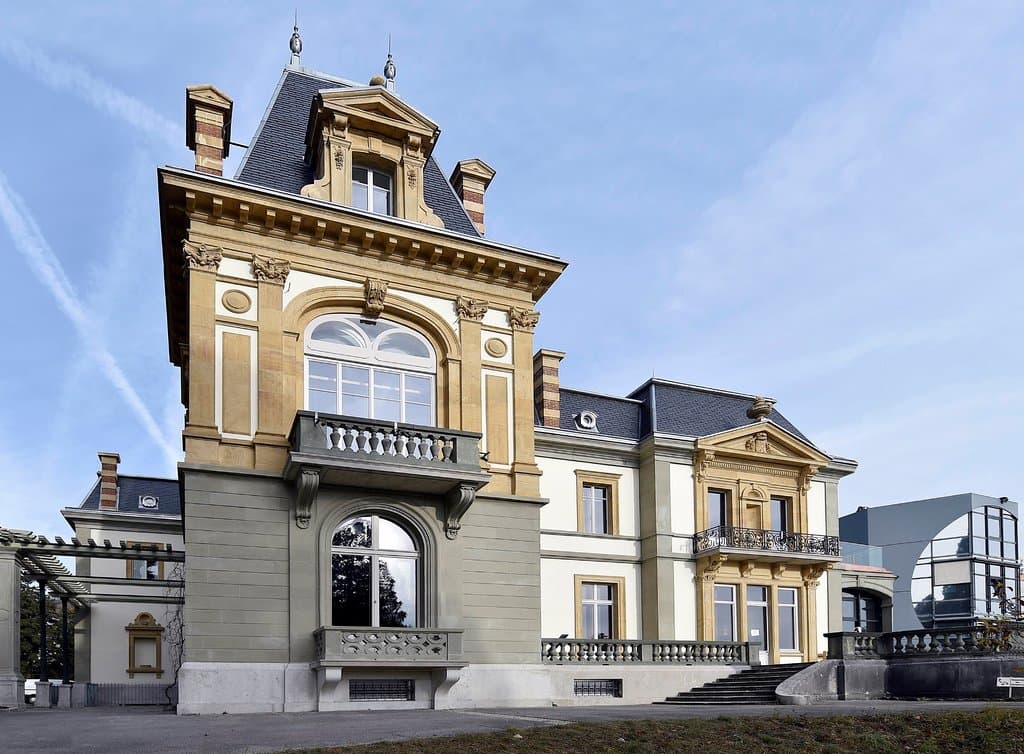
See early works of the modernist architect, including Villa Fallet and Villa Stotzer.

Your AI travel agent

Plans like a pro.
Thinks like you

Start Chatting

Planning Your Visit

Plan Your UNESCO Visit

La Chaux-de-Fonds' unique urban planning is a UNESCO World Heritage site. Explore its grid layout and watchmaking heritage. Book guided tours in advance for deeper insights into its industrial past.

Embrace the Watchmaking Spirit

This city is synonymous with watchmaking. Immerse yourself in its history by visiting museums and workshops. Consider visiting during a local event to experience the vibrant watchmaking culture firsthand.

Best Times

When
Spring & Autumn mornings
Why
Pleasant weather for exploring
Crowd
Low
When
Weekdays
Why
Fewer crowds at museums
Crowd
Low

Insider Tips

from TikTok, Instagram & Reddit

🚶‍♀️ Walk the City

Explore the unique grid layout on foot to truly appreciate its design. Wear comfortable shoes! :athletic_shoe:

🎟️ Museum Tickets

Consider purchasing a combined ticket for multiple museums to save money. :admission_tickets:

🗣️ Guided Tours

Book a guided tour to get the best historical context and insights. :tour_guide:

No content available

Tips

from all over the internet

🚶‍♀️ Walk the City

Explore the unique grid layout on foot to truly appreciate its design. Wear comfortable shoes! :athletic_shoe:

🎟️ Museum Tickets

Consider purchasing a combined ticket for multiple museums to save money. :admission_tickets:

🗣️ Guided Tours

Book a guided tour to get the best historical context and insights. :tour_guide:

What Travellers Say

5
(4 reviews)

Reviews Summary

Visitors consistently praise La Chaux-de-Fonds for its unique UNESCO-listed urbanism and rich watchmaking heritage. The city's functional design and the International Watchmaking Museum are standout attractions. Some find the city a bit quiet outside of museum visits, but its distinct character is widely appreciated.

"Top"

Miguel Pereira

"Beautiful"

Rachel Beyeler Ventura

""

Etienne Brand

What People Like

Unique UNESCO urbanism
Fascinating watchmaking history
Architectural significance

What People Dislike

Can be quiet

Frequently Asked Questions

🚇 🗺️ Getting There

La Chaux-de-Fonds is accessible by train from major Swiss cities like Geneva, Zurich, and Bern. The train journey itself offers scenic views of the Jura mountains. Driving is also an option, with parking available in the city center.

Yes, the city has a reliable public bus system that connects different parts of the town, making it easy to get around without a car.

While possible, a day trip might feel rushed. To truly appreciate the UNESCO site and its museums, an overnight stay is recommended.

🎫 🎫 Tickets & Entry

It's advisable to check the specific museum websites for advance booking recommendations, especially during peak season. Some may offer online discounts.

Opening hours can vary seasonally. It's best to consult the official Musée International d'Horlogerie website for the most up-to-date information.

While museums have entry fees, simply walking through the city and admiring the unique urban planning and architecture is a free and rewarding experience.

Yes, there is a tourist information center that can provide maps, brochures, and guided tour information for the UNESCO World Heritage site.

🎫 🧭 Onsite Experience

The best way is to walk or cycle through the city, observing the distinctive grid layout, the functional architecture, and the historical watchmaking workshops. Guided tours offer deeper historical context.

Beyond the museums, seek out early works by Le Corbusier like Villa Fallet and Villa Stotzer. The town hall and the market hall are also notable architectural landmarks.

Absolutely! The unique urban layout, modernist architecture, and industrial heritage offer fantastic photographic opportunities. Early morning or late afternoon light can be particularly striking.

Given its heritage, watch-related items are popular. You can also find local crafts and products from the Jura region.

🍽️ 🍽️ Food & Dining

As a mountain region, expect hearty Swiss cuisine. Local cheese dishes like fondue and raclette are popular. Try regional charcuterie as well.

Look for local brasseries and cafes that offer daily specials (plat du jour). These are often more affordable than fine-dining establishments.

Many traditional restaurants in the city center serve classic Swiss dishes. Ask locals for recommendations for authentic experiences.

📸 📸 Photography

The entire city grid is a photographer's dream. Look for elevated viewpoints to capture the urban planning. The architecture of Le Corbusier's villas also makes for striking shots.

Early mornings offer soft light and fewer people, ideal for capturing the city's atmosphere. Golden hour in the late afternoon can also create beautiful light on the buildings.

Focus on the functional design of the buildings, the uniformity of the street grid, and any remaining industrial elements that speak to its watchmaking past.

For Different Travelers

Tailored advice for your travel style

👨‍👩‍👧 Families with Kids

La Chaux-de-Fonds offers a unique educational experience for families. The Musée International d'Horlogerie can be fascinating for older children interested in how things work, with its displays of intricate mechanisms. The city's grid layout is also easy for kids to navigate, making exploration less daunting. Consider a guided tour that highlights interesting historical facts or architectural quirks that might capture their imagination. Pack snacks and drinks, as finding kid-friendly dining options might require a bit of searching.

🚶‍♀️ Solo Travelers & Explorers

For solo travelers, La Chaux-de-Fonds is a gem for independent exploration. The well-organized urban plan makes it easy to get around and discover its unique character on your own terms. The museums offer plenty to absorb, and simply wandering the streets allows for personal discovery of its architectural heritage. Consider joining a walking tour to connect with other travelers and gain local insights. The city's compact nature means you can cover a lot of ground comfortably.

🏛️ Architecture Enthusiasts

This city is a pilgrimage site for architecture lovers. The UNESCO World Heritage status is primarily due to its revolutionary grid-like urbanism, a prime example of functional industrial city planning. Seek out the early works of Le Corbusier, such as Villa Fallet and Villa Stotzer, to witness the genesis of modernist architecture. Don't miss the town hall and other public buildings that exemplify the city's rational design principles. A dedicated architectural tour is highly recommended to fully grasp the historical and theoretical significance of the site.

Deep Dives

In-depth insights and expert knowledge

The Genesis of a UNESCO City

La Chaux-de-Fonds' designation as a UNESCO World Heritage site is a testament to its unique urban planning, born out of necessity and innovation. After a devastating fire in the late 18th century, the city was rebuilt with a revolutionary grid system. This design was not merely aesthetic; it was highly functional, optimizing the layout for the burgeoning watchmaking industry. The wide, parallel streets and clearly defined blocks facilitated the movement of goods and workers, reflecting the industrial spirit of the era. This rational and utilitarian approach to urban design is what sets La Chaux-de-Fonds apart and earned it its prestigious UNESCO status.

This urbanism is deeply intertwined with the city's identity as a global center for watchmaking. The layout was conceived to support the decentralized production of watches, with many artisans working from home. The city's structure allowed for efficient distribution and trade, fostering an environment where watchmaking could thrive for generations. Exploring the city today means walking through a living museum of industrial history and urban planning ingenuity, a place where the past is visibly etched into its very foundations.

Exploring the Watchmaking Heritage

The heart of La Chaux-de-Fonds' UNESCO status lies in its profound connection to the art and industry of watchmaking. The Musée International d'Horlogerie (MIH) is an absolute must-visit, housing an extraordinary collection that spans centuries of horological innovation. From intricate pocket watches to complex astronomical clocks, the museum offers a comprehensive journey through the evolution of timekeeping. Beyond the MIH, numerous smaller workshops and ateliers still practice the traditional craft, offering a glimpse into the meticulous skill required.

To truly appreciate this heritage, consider taking a guided tour that focuses specifically on the watchmaking aspect. These tours often lead you through historical districts, pointing out former workshops and explaining the social and economic impact of the industry on the city. Some tours might even include visits to active watchmakers, providing a hands-on understanding of the precision and dedication involved. Experiencing this legacy firsthand offers a deeper appreciation for why La Chaux-de-Fonds is celebrated globally for its contribution to horology.

Le Corbusier's Early Footprints

La Chaux-de-Fonds holds a special place in the architectural history of the 20th century as the birthplace of the renowned modernist architect, Le Corbusier (Charles-Édouard Jeanneret). His early architectural experiments and theoretical writings were deeply influenced by his upbringing in this unique urban environment. Visitors can explore some of his pioneering works here, most notably the Villa Fallet and the Villa Stotzer, which showcase his nascent ideas about form, function, and materials.

These early villas, though smaller in scale than his later iconic buildings, offer crucial insights into the development of his architectural philosophy. They demonstrate his early engagement with the principles of functionalism and his innovative use of materials. Exploring these sites provides a tangible connection to the formative years of one of the most influential architects of all time, adding another layer of cultural significance to the UNESCO World Heritage site.

You may also like

1 of 2