Hofkirche St. Leodegar
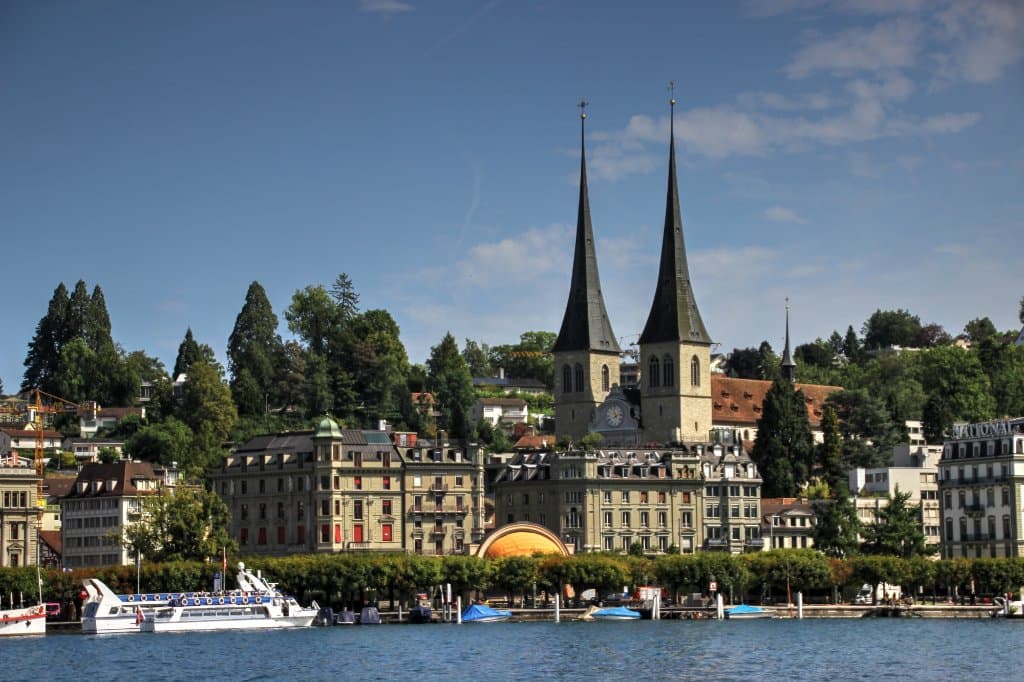
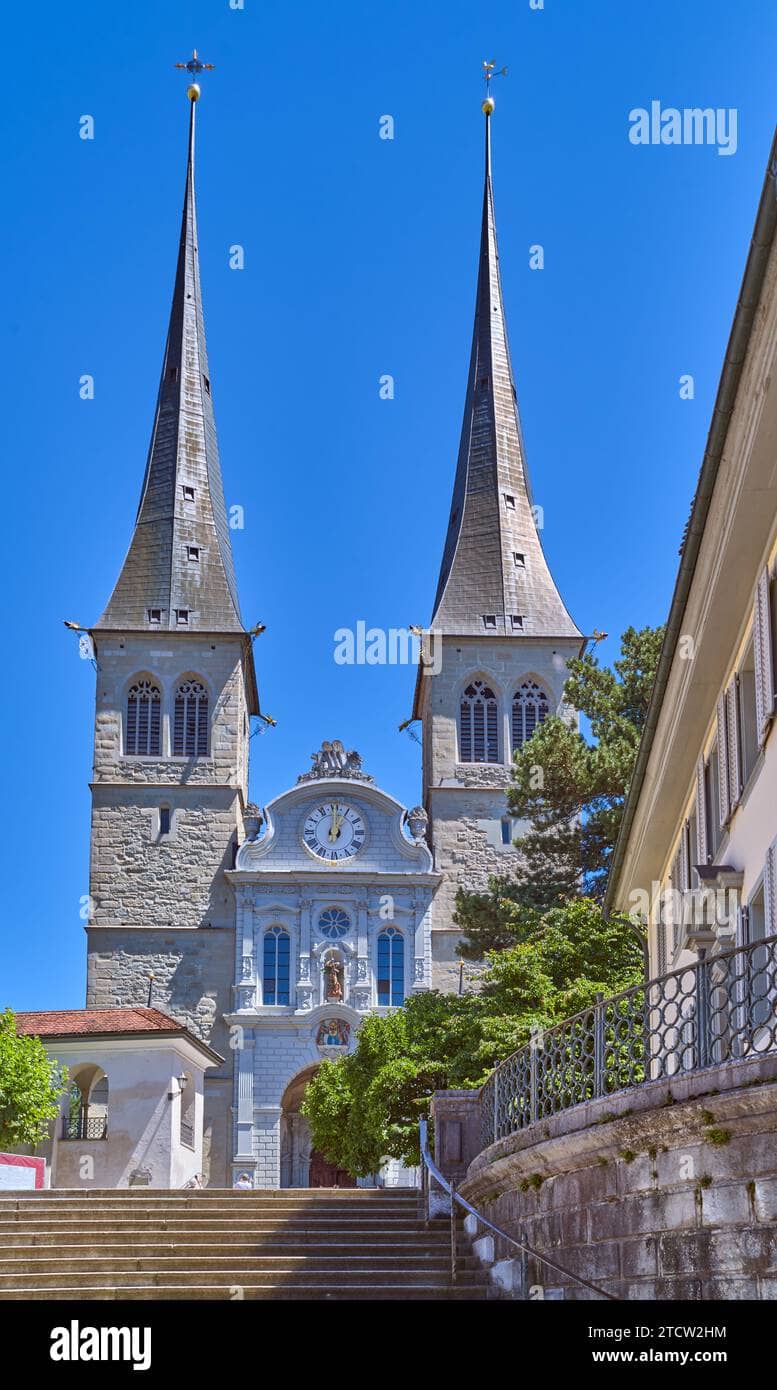
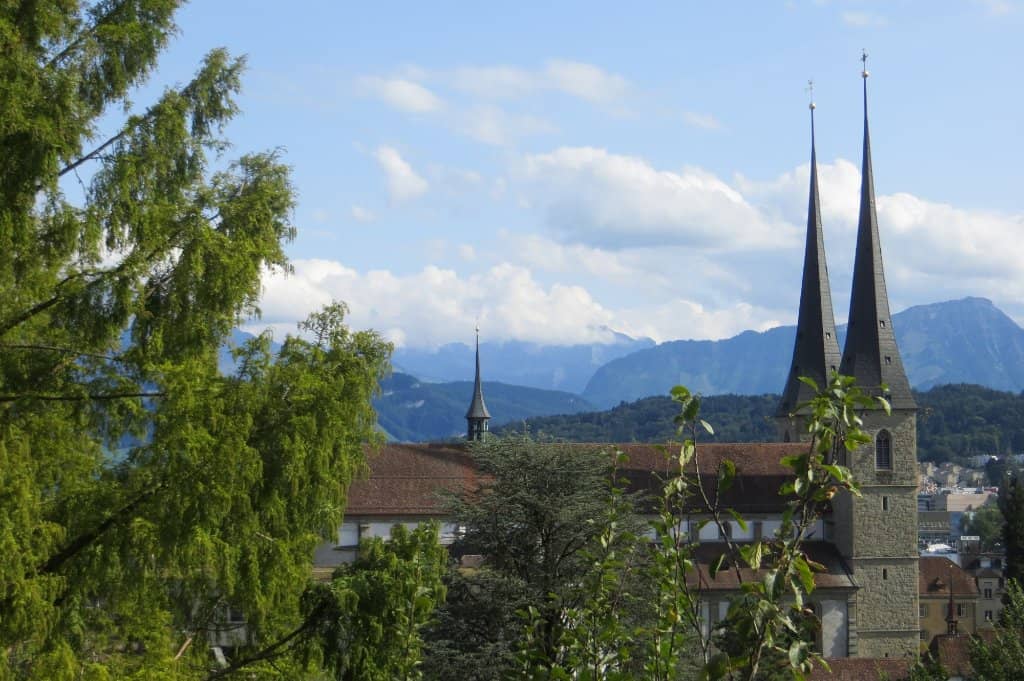
A monumental 17th-century church in Lucerne, renowned for its stunning white stone interior and iconic twin Gothic belltowers.
Highlights
Must-see attractions

Social
From TikTok & Reddit
Best Time
Fewer crowds, peaceful atmosphere
Hofkirche St. Leodegar
Best Time
Fewer crowds, peaceful atmosphere
Highlights
Must-see attractions
A monumental 17th-century church in Lucerne, renowned for its stunning white stone interior and iconic twin Gothic belltowers.
"Blown away by this place... the grandeur of the church's walls, along with the breathtaking ceiling paintings and detailed carvings, is simply remarkable."
📸 Capture the Grandeur
The interior is stunning, but be respectful when taking photos. Natural light is best for capturing the white stone details.
🚶♀️ Stroll the Perimeter
Don't miss the interesting tombstones and graves lining the perimeter wall for a glimpse into history.
Quick Facts
Hours
Rating
4.6 · 3,230 reviews
Type
Church
Highlights
Discover the most iconic attractions and experiences
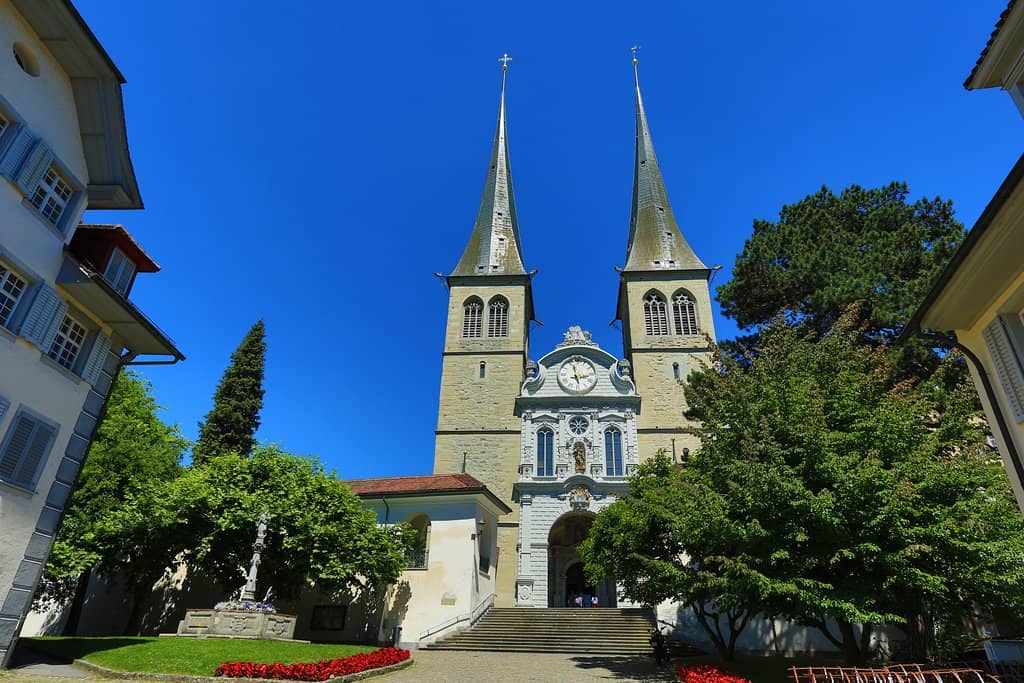
Twin Gothic Belltowers
Exterior
Iconic twin belltowers that dominate the Lucerne skyline, a testament to 17th-century Gothic architecture.
Vaulted White Stone Interior
Main Nave
A breathtaking, spacious interior with a soaring vaulted ceiling and pristine white stone, creating an atmosphere of grandeur and peace.
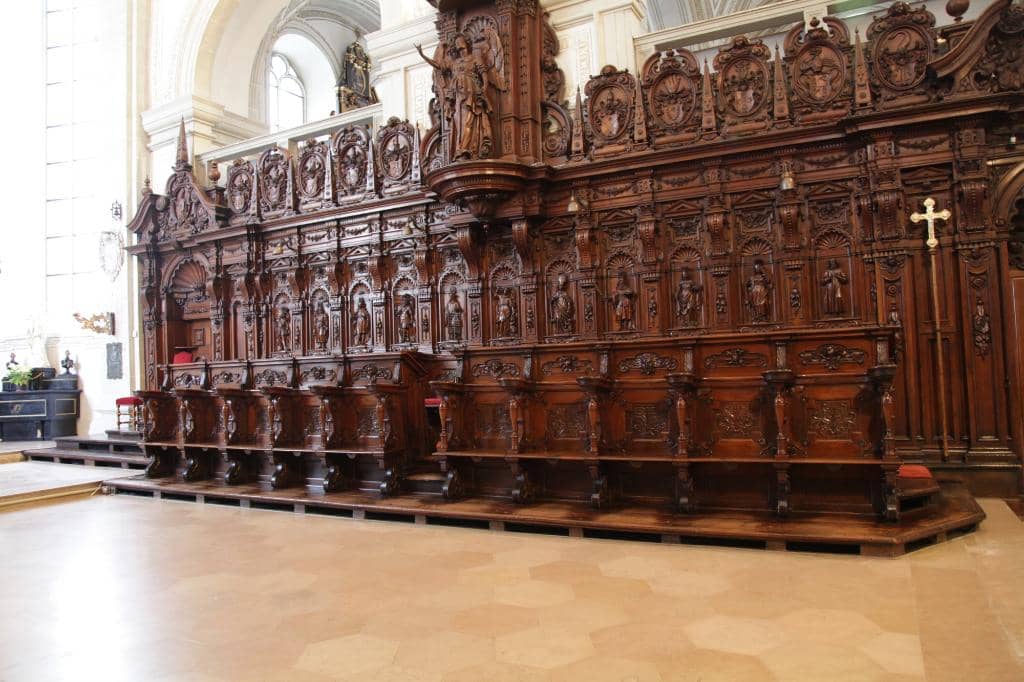
Intricate Carvings & Artistry
Altars and Walls
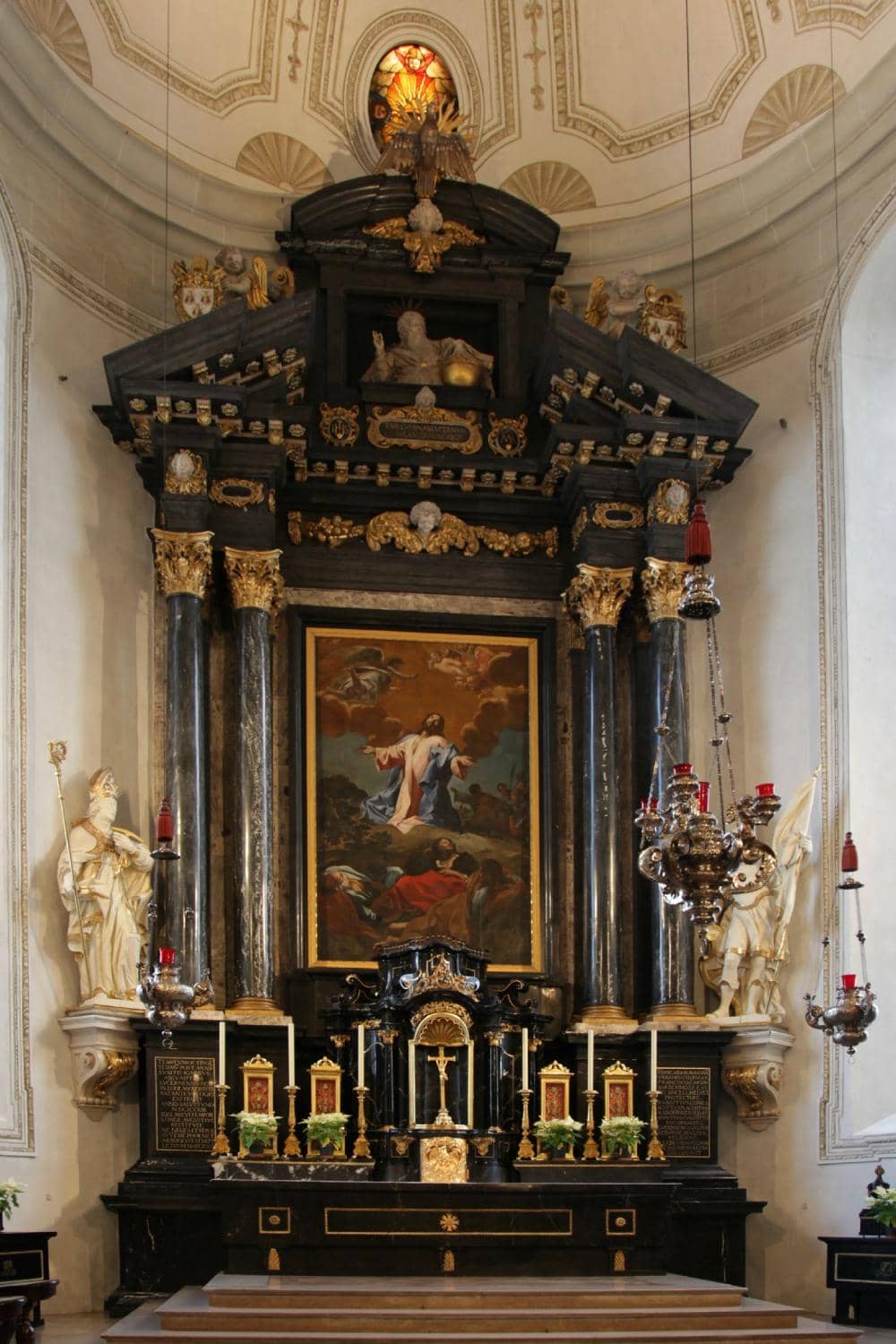
Marvel at the detailed gold-worked sculptures, altars, and wooden carvings that showcase exceptional craftsmanship and artistic heritage.
Plans like a pro.
Thinks like you
Planning Your Visit
Timing Your Visit
Respectful Exploration
Best Times
Insider Tips
from TikTok, Instagram & Reddit
📸 Capture the Grandeur
The interior is stunning, but be respectful when taking photos. Natural light is best for capturing the white stone details.
🚶♀️ Stroll the Perimeter
Don't miss the interesting tombstones and graves lining the perimeter wall for a glimpse into history.
🤫 Embrace the Serenity
Even amidst a bustling city, the church offers a peaceful escape. Take a moment to absorb the tranquil environment.
📍 Heart of Lucerne
Easily accessible and a must-visit landmark when exploring the city center.
Tips
from all over the internet
📸 Capture the Grandeur
The interior is stunning, but be respectful when taking photos. Natural light is best for capturing the white stone details.
🚶♀️ Stroll the Perimeter
Don't miss the interesting tombstones and graves lining the perimeter wall for a glimpse into history.
🤫 Embrace the Serenity
Even amidst a bustling city, the church offers a peaceful escape. Take a moment to absorb the tranquil environment.
📍 Heart of Lucerne
Easily accessible and a must-visit landmark when exploring the city center.
What Travellers Say
Reviews Summary
Visitors consistently praise the Hofkirche St. Leodegar for its breathtaking beauty, serene atmosphere, and rich historical significance. Many are struck by the grandeur of the white stone interior and the exquisite artistry of the carvings and sculptures, finding it a profoundly moving experience regardless of their faith. It's considered a must-visit landmark in Lucerne.
"Beautiful, quiet church right near the water. Several interesting tombstones and graves line the perimter wall. A serene spot amidst the bustling city."
Brian Baker
"This Roman Catholic Church of St. Leodegar in the city of Lucerne, Switzerland was built and completed in 1639 (the basilica was burnt in 1633). It was one of the largest rich in art history churches of Germany in the late renaissance period."
Jun Herrera
"Review: A Breathtaking Experience
Wow! As someone who isn't a Christian and doesn't typically seek out church visits, I was truly blown away by this place. From the moment I approached, the intricate entrance carvings and the stunning tower left me in awe. The grandeur of the church's walls, along with the breathtaking ceiling paintings and detailed carvings, is simply remarkable.
The level of artistry in the gold-worked sculptures is mind-blowing. Each piece is a testament to the incredible craftsmanship and attention to detail that has gone into creating this space. While the tranquility you'd expect from a church was certainly present, there was an added layer of depth due to the church's rich history. The atmosphere felt almost sacred, as if you could sense a divine presence watching over you.
I can't quite put it into words, but the experience was profoundly moving. If I were Catholic, I would love to pray here. It left a lasting impression on me, and I highly recommend visiting, regardless of your faith. This place is a true gem that offers beauty and serenity in abundance."
Nitin Patel
What People Like
What People Dislike
Frequently Asked Questions
🚇 🗺️ Getting There
The Hofkirche St. Leodegar is conveniently located in the heart of Lucerne, making it easily accessible on foot from most central areas. If you're arriving by public transport, buses frequently stop near the church. It's a prominent landmark, so it's hard to miss!
While there isn't direct parking at the church itself, several public parking garages are available within a short walking distance in Lucerne's city center. Consider parking at the nearby City Parking or Kesselturm parking garage.
Yes, the Hofkirche St. Leodegar is about a 10-15 minute walk from the Lucerne train station. The walk is pleasant and takes you through charming parts of the city.
🎫 🎫 Tickets & Entry
Entry to the Hofkirche St. Leodegar is generally free. As a functioning church, donations are appreciated to help with its upkeep and preservation.
The church is typically open daily, but hours can vary. It's best to check the official website or local listings for the most up-to-date opening times, especially around holidays or special events.
Photography is usually permitted inside the Hofkirche St. Leodegar, but it's important to be respectful. Avoid using flash photography, especially during services, and be mindful of other visitors.
Yes, the Hofkirche St. Leodegar is an active place of worship. You are welcome to attend mass or other services. Check the church's schedule for service times.
📸 📸 Photography
For exterior shots, the area across the Reuss River offers a great perspective of the twin towers. Inside, focus on the grand scale of the nave and the intricate details of the altars and ceiling.
The interior is well-lit by natural light filtering through the windows, which helps. However, the sheer scale can be challenging. Using a wide-angle lens can be beneficial for capturing the vastness of the space.
🎫 🏛️ History & Architecture
The Hofkirche St. Leodegar is a significant example of 17th-century Baroque architecture, built on the site of a former Roman basilica. Its twin Gothic belltowers are a striking feature.
This church is one of the most important landmarks in Lucerne and was one of the largest churches in Germany during the late Renaissance period. It was rebuilt after a fire in 1633 and completed in 1639.





Social
from TikTok, Instagram & Reddit