
Antalya Museum
Explore ancient Anatolian history with stunning Roman sarcophagi, Byzantine mosaics, and well-preserved statues.
Highlights
Must-see attractions

Social
From TikTok & Reddit
Best Time
Fewer crowds, better viewing
Antalya Museum
Best Time
Fewer crowds, better viewing
Highlights
Must-see attractions
Explore ancient Anatolian history with stunning Roman sarcophagi, Byzantine mosaics, and well-preserved statues.
"Incredible collection, so well preserved. 10/10 would recommend!"

Verify Opening Status
Confirm museum hours and potential closures before visiting, as it may be under renovation. :informationdeskperson:
Get a Museum Pass
Consider a Museum Pass for access to multiple sites, including the Antalya Museum if open. 🎟️

Quick Facts
Rating
4.7 · 14,178 reviews
Type
Museum
Highlights
Discover the most iconic attractions and experiences
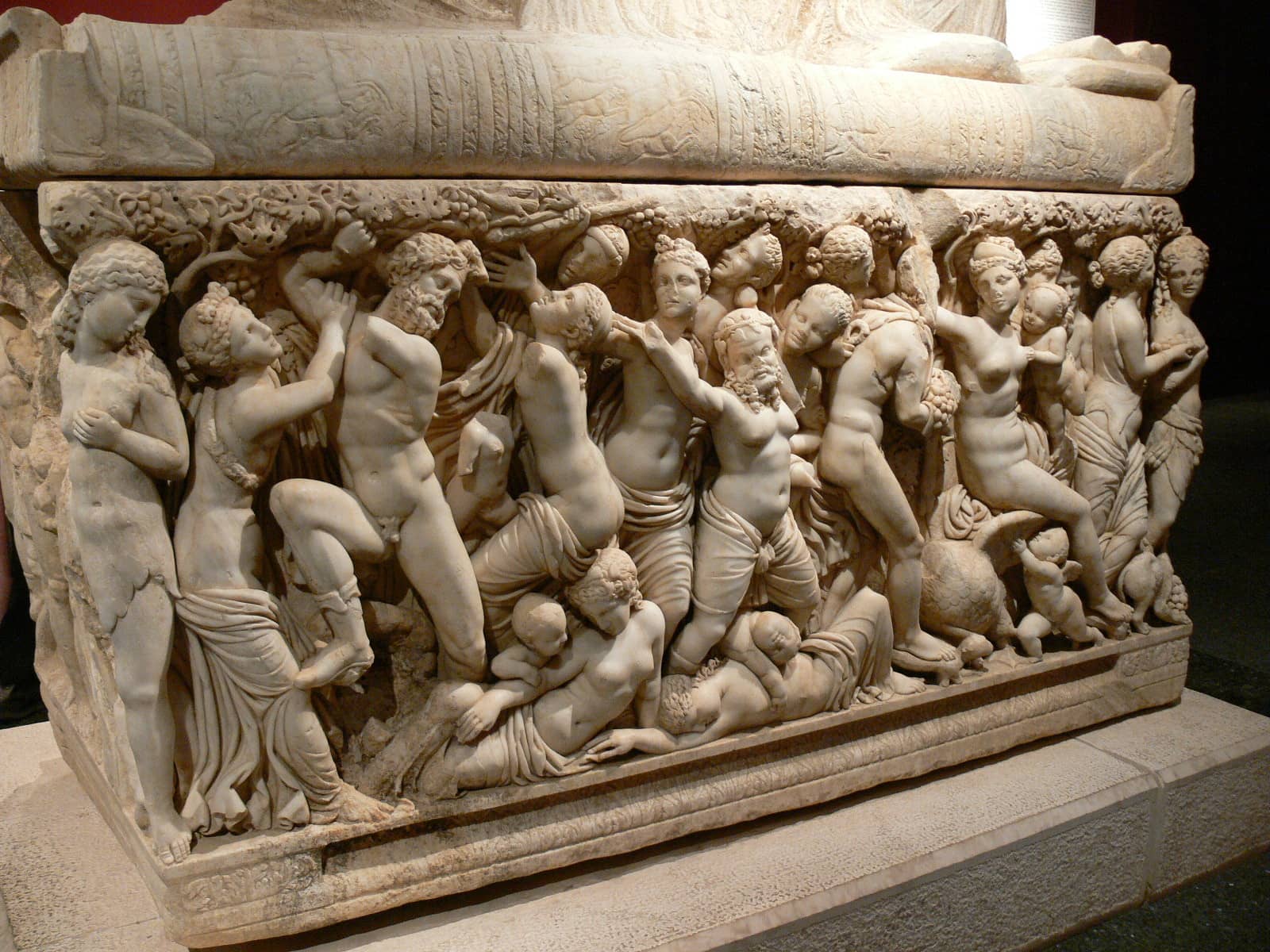
Roman Sarcophagi
Hall of Sarcophagi
Marvel at intricately carved sarcophagi, offering a glimpse into ancient Roman burial customs and artistry.
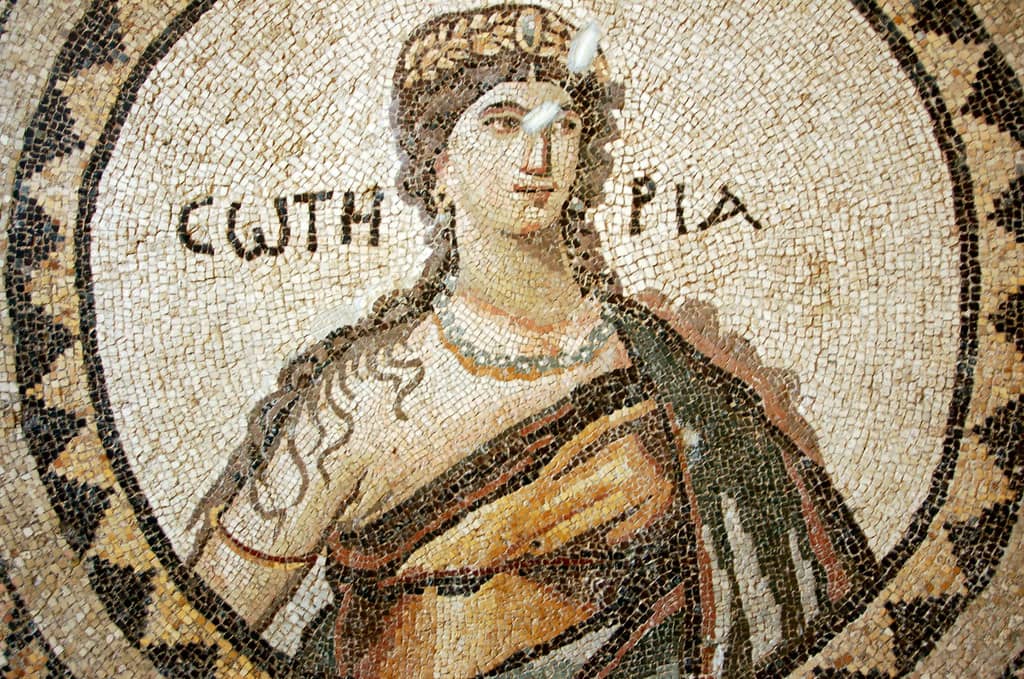
Byzantine Mosaics
Mosaic Hall
Admire stunning Byzantine mosaics, showcasing vibrant scenes and detailed craftsmanship from a bygone era.

Statues of Gods and Emperors
Sculpture Halls
See impressive marble statues of Roman emperors and mythological figures, remarkably well-preserved.
Plans like a pro.
Thinks like you
Planning Your Visit
Check Opening Status Before You Go
Combine with Nearby Ruins
Best Times
Insider Tips
from TikTok, Instagram & Reddit
Verify Opening Status
Confirm museum hours and potential closures before visiting, as it may be under renovation. :informationdeskperson:
Get a Museum Pass
Consider a Museum Pass for access to multiple sites, including the Antalya Museum if open. 🎟️
Combine with Ruins
Enhance your visit by pairing the museum with nearby Perge and Aspendos ruins. :ruins:
Understand Statue Damage
Missing parts on statues are often due to age and natural wear, not just iconoclasm. 🗽
Tips
from all over the internet
Verify Opening Status
Confirm museum hours and potential closures before visiting, as it may be under renovation. :informationdeskperson:
Get a Museum Pass
Consider a Museum Pass for access to multiple sites, including the Antalya Museum if open. 🎟️
Combine with Ruins
Enhance your visit by pairing the museum with nearby Perge and Aspendos ruins. :ruins:
Understand Statue Damage
Missing parts on statues are often due to age and natural wear, not just iconoclasm. 🗽
What Travellers Say
Reviews Summary
Visitors praise the Antalya Museum for its impressive collection of well-preserved artifacts, particularly Roman sarcophagi and Byzantine mosaics. The Necropolis Museum offers a unique outdoor experience. However, potential visitors should be aware of possible renovation closures, as the museum has been reported to be closed until 2026.
"Absolutely amazing museum to visit, so many relics of history. They have several languages available for audio guides, and they also have Turkish and English signs and descriptions. There's a cute gift shop at the end where you can also sit and rest up after walking around."
Aanikka Holder
"The Antalya Archaeology Museum is a great place to explore, especially if you enjoy Roman history — they have an impressive collection of statues, mosaics, and artifacts.
Entry is about 30 GBP per person for foreigners, which feels a bit expensive but the exhibits are well worth it.
One thing to note: they try to sell you an audio guide at the entrance, but honestly, it’s not really worth the extra cost — the museum has plenty of written descriptions in English.
Overall, a beautiful and rich museum experience, just be mindful of the extras."
Nabin Nazeer
"Interesting and very well maintained museum, not too big - you will probably not get too tired :) Too expensive though...€15 for the entrance fee without the audio guide, which costs extra (€5-7)....And no WI-FI available for visitors.."
Tatiana Blyudnik
What People Like
What People Dislike
Frequently Asked Questions
🚇 🗺️ Getting There
The Antalya Museum is located a bit west of Kaleiçi (Old Town). You can reach it by local bus, taxi, or a longer walk from the city center. Many visitors opt for a taxi for convenience.
Yes, local buses frequently run from the city center towards the museum. Taxis are also readily available and offer a quicker, though more expensive, option.
It's a considerable walk from Kaleiçi to the Antalya Museum, likely around 30-40 minutes. While doable, consider the heat and time if you choose to walk.
Information on dedicated parking for visitors is limited, but taxis and private vehicles can usually find nearby street parking or designated areas.
From Lara Beach, taking a taxi is the most direct and convenient option to reach the Antalya Museum. Public transport might involve multiple transfers.
🎫 🎫 Tickets & Entry
Ticket prices can vary. It's crucial to check the official museum website or recent visitor information for the most up-to-date pricing for Antalya Museum tickets.

A Museum Pass, like the Müzekart, can often be used at the Antalya Museum, potentially offering significant savings if you plan to visit multiple historical sites.
Opening hours for the Antalya Museum typically vary by season. Always check the official website for the most current Antalya Museum opening hours before your visit.
There have been reports of the Antalya Museum being closed for renovations until 2026. It is essential to verify its current operational status before planning your visit.
Booking in advance is generally not required unless there are special exhibitions or peak season demands. However, confirming this closer to your visit is advisable.
🎫 🏛️ Onsite Experience
Don't miss the remarkably preserved Roman sarcophagi, the intricate Byzantine mosaics, and the impressive collection of Roman-era statues of gods and emperors.
A typical visit to the Antalya Museum can take anywhere from 1.5 to 3 hours, depending on your interest level and how much time you spend admiring each exhibit.
While the museum offers a wealth of historical artifacts, its appeal to younger children might be limited. However, older children interested in history could find it engaging.
This is often due to age, wear, and accidental damage over centuries, rather than deliberate iconoclasm. Some protrusions are simply more fragile and prone to breaking.
Yes, the museum complex includes outdoor areas, such as the Necropolis Museum, which showcases ancient burial sites and artifacts in an open-air setting.
📸 📸 Photography
Photography rules can vary. Generally, non-flash photography is permitted for personal use, but it's always best to check for specific signage or ask museum staff.
The halls with the most impressive sarcophagi and mosaics offer fantastic photo opportunities. The outdoor Necropolis area also provides unique shots.
Drone usage is typically restricted in and around cultural heritage sites like museums. It's highly unlikely to be permitted and may require special permits.
While casual filming for personal social media might be tolerated, professional filming or large-scale content creation may require prior authorization from the museum.
The museum lighting can be dim in some areas. Using a camera with good low-light performance or a phone with a capable night mode will help capture better images.
You may also like

Aspendos Theatre Antalya

Suna & İnan Kıraç Kaleiçi Museum Antalya

Muratpaşa Mosque Antalya

Antalya Culture and Arts (AKS) Antalya
Kaleiçi Antalya

Antalya Aquarium
Aspendos Theatre Antalya
Suna & İnan Kıraç Kaleiçi Museum Antalya
Muratpaşa Mosque Antalya
Antalya Culture and Arts (AKS) Antalya
Kaleiçi Antalya
Antalya Aquarium

Termessos Ancient City Antalya

Perge Ancient City Antalya

Antalya Ethnography Museum Antalya

Yivli Minaret Mosque Antalya

Atatürk Culture Park Antalya

Social
from TikTok, Instagram & Reddit