Carchemish (Karkamış) Ancient City
An ancient Hittite capital on the Euphrates, site of a pivotal battle, now a unique blend of history and birdwatching.
Highlights
Must-see attractions

Social
From TikTok & Reddit
Best Time
Pleasant temperatures for exploring
Carchemish (Karkamış) Ancient City
Best Time
Pleasant temperatures for exploring
Highlights
Must-see attractions
An ancient Hittite capital on the Euphrates, site of a pivotal battle, now a unique blend of history and birdwatching.
"A historically significant site with free entry, offering a glimpse into ancient empires and rich birdlife."
Check Access Status
Border location means access can change. Confirm opening times and any restrictions before you go. :informationdeskperson:
Guided Tours Available
A guard often provides a tour. Ask questions and learn about the site's history. :man_teacher:
Highlights
Discover the most iconic attractions and experiences
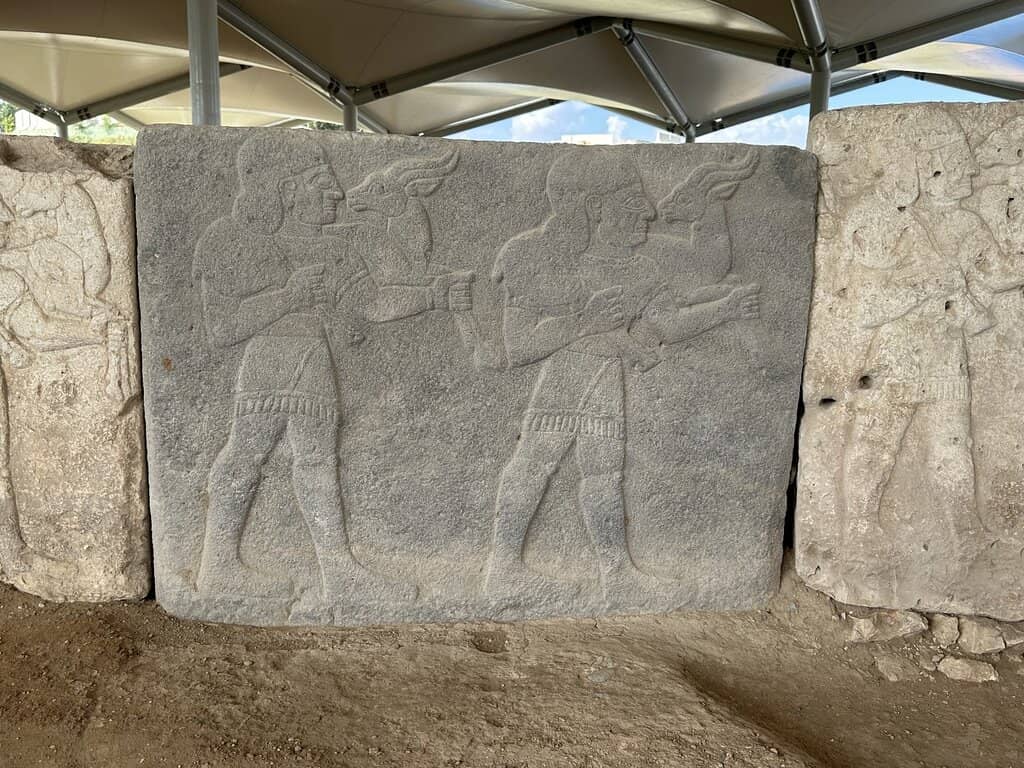
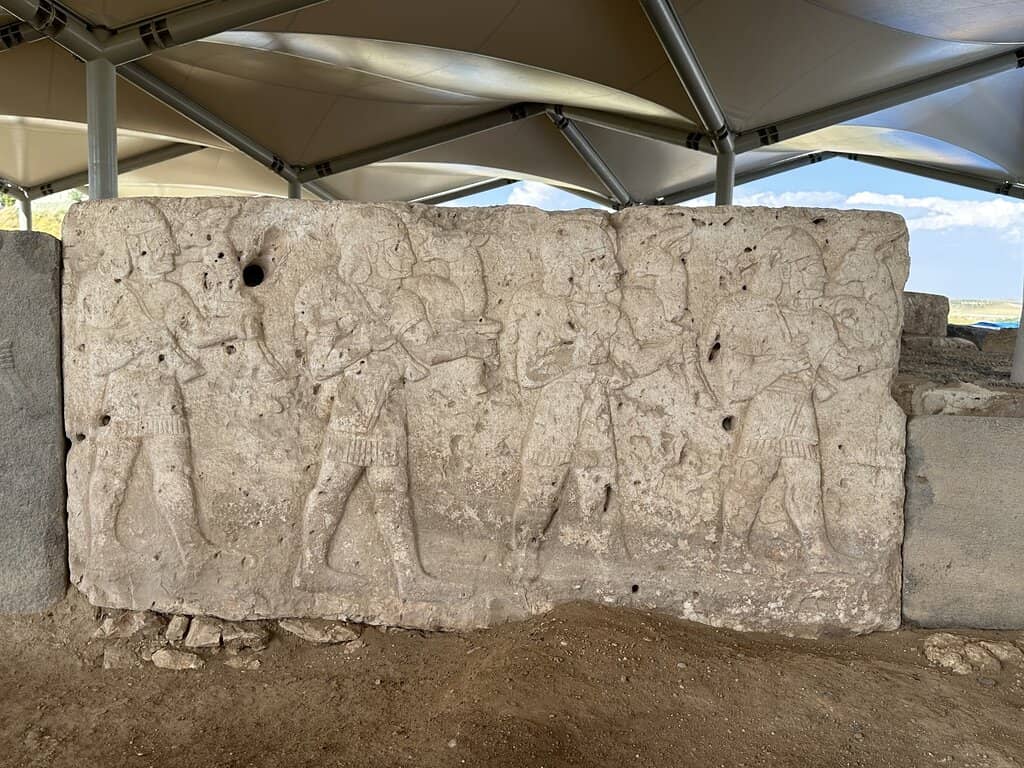
Neo-Hittite Reliefs
Processional Way
Marvel at ancient warrior processions and royal celebrations carved into stone.
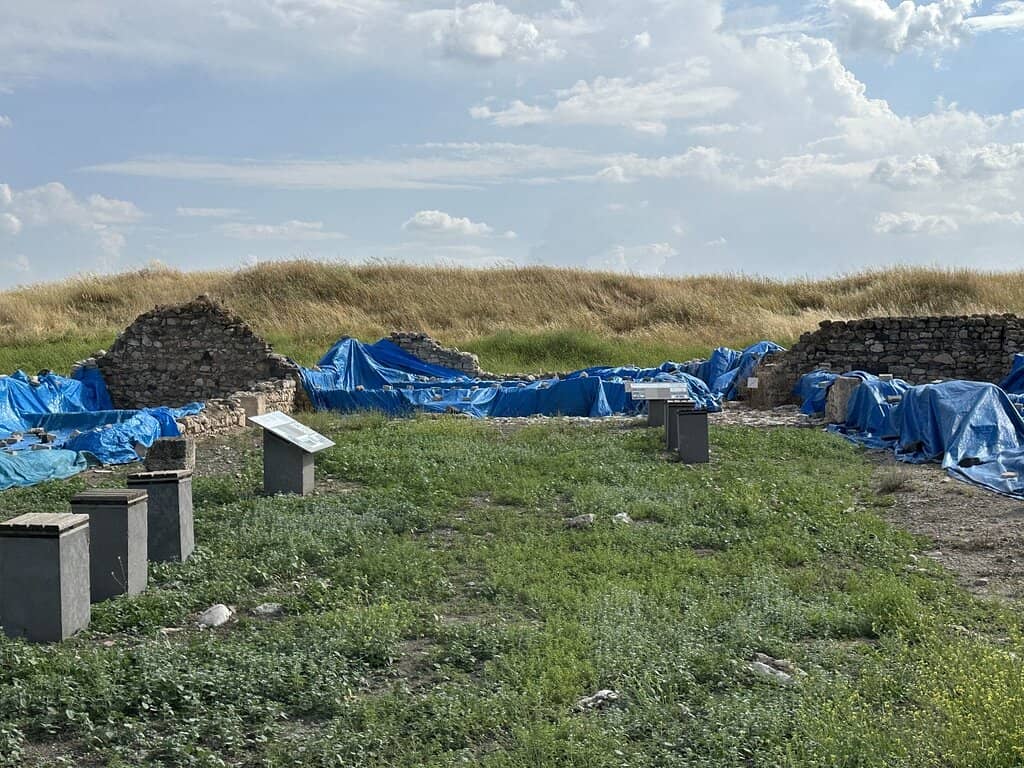
The Great Wall
Outer fortifications
Imagine the grandeur of this ancient defensive structure, once a formidable barrier.
Euphrates River Views
Site perimeter
Enjoy scenic vistas of the mighty Euphrates River, a vital artery of ancient civilizations.
Plans like a pro.
Thinks like you
Planning Your Visit
Access & Security
Archaeological Significance
Best Times
Insider Tips
from TikTok, Instagram & Reddit
Check Access Status
Border location means access can change. Confirm opening times and any restrictions before you go. :informationdeskperson:
Guided Tours Available
A guard often provides a tour. Ask questions and learn about the site's history. :man_teacher:
Respect Border Sensitivity
Be mindful of military presence and avoid sensitive areas. :police_car:
Wear Comfortable Shoes
The terrain can be uneven. Sturdy footwear is essential for exploring. :athletic_shoe:
Tips
from all over the internet
Check Access Status
Border location means access can change. Confirm opening times and any restrictions before you go. :informationdeskperson:
Guided Tours Available
A guard often provides a tour. Ask questions and learn about the site's history. :man_teacher:
Respect Border Sensitivity
Be mindful of military presence and avoid sensitive areas. :police_car:
Wear Comfortable Shoes
The terrain can be uneven. Sturdy footwear is essential for exploring. :athletic_shoe:
Bring Water & Snacks
Facilities are limited. Pack essentials for your visit. :water_wave: :apple:
What Travellers Say
Reviews Summary
Carchemish is a historically significant site on the Turkish-Syrian border, offering a glimpse into Hittite and Neo-Hittite periods. Visitors appreciate the free entry, the potential for guided tours by guards, and the unique birdwatching opportunities. However, access can be restricted due to its sensitive location, and some find the visible ruins limited, with parts of the site off-limits.
"Carchemish (now Karkamis) was an important ancient city of the northern Hittite empire, located on the border between Turkey and Syria. It was also the location of one of the decisive battles in world history. It was here that the armies of Babylon and Egypt met in battle (Jer. 46:2; 2 Chr. 35:20-24). The prophet Isaiah lists Carchemish as one of the kingdoms overthrown by Sargon II of Assyria in 717 BC (Isa. 10:9). Carchemish is also mentioned in Egyptian and Assyrian texts.
The ruins of Carchemish are located on the West bank of Euphrates River, about 35 miles southeast of Gaziantep, Turkey. The site lies in Turkish territory on the border of Syria. A large Turkish military now stands on the Carchemish acropolis, and access to the site is now heavily restricted and is out of bounds to archaeological exploration.
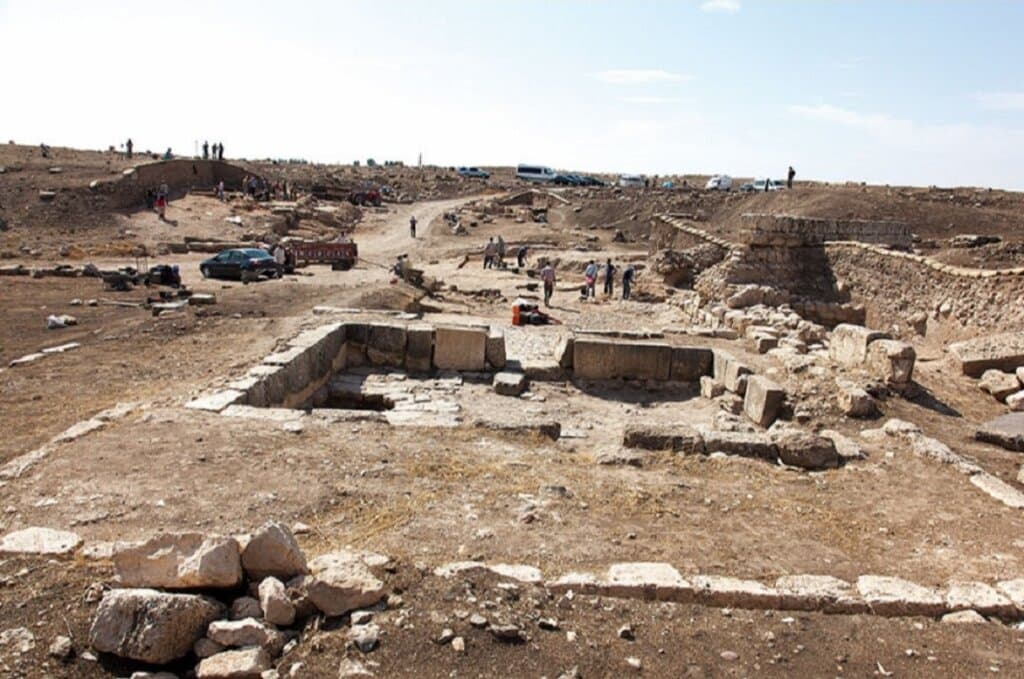
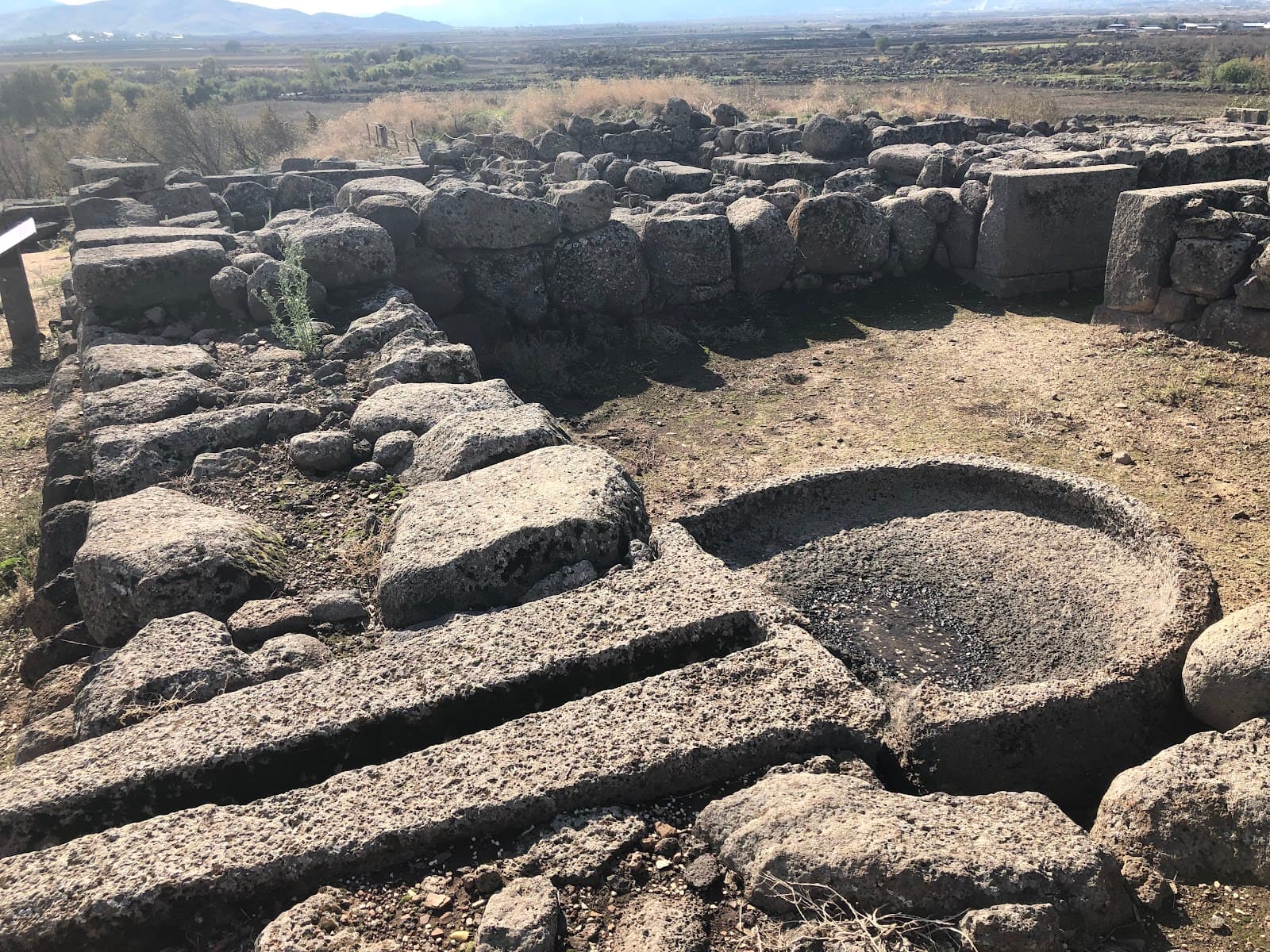
The site was excavated three different times before World War One by the British Museum, led by David George Hogarth, Reginald C. Thompson, Leonard Woolley, and T. E. Lawrence ("Lawrence of Arabia"). These expeditions uncovered substantial remains of the Assyrian and Neo-Hittite periods, including forts, palaces, temples, market places, and a great wall sculptured with a procession of warriors, with the king and crown prince celebrating a great victory.
The Battle Of Carchemish
The Battle of Carchemish was fought in May/June of 605 BC between an allied army of Egyptians and Assyrians against the Babylonian army.
When the Assyrian capital of Ninevah was overrun by the Babylonians in 612 BC, the Assyrians moved their capital to Harran (now in Turkey). When the Babylonians captured Harran in 608 BC, the Assyrian capital was moved to Carchemish.
Egypt was allied with the Assyrians, and marched to their aid against the Babylonians. In 609 BC, the Egyptian army of Pharaoh Necho II was delayed at Megiddo (in Israel) by the forces of King Josiah of Judah. Josiah was killed and his army was defeated.
"After all this, when Josiah had prepared the temple, Necho king of Egypt came up to fight against Carchemish by the Euphrates; and Josiah went out against him. But he sent messengers to him, saying, 'What have I to do with you, king of Judah? I have not come against you this day, but against the house with which I have war; for God commanded me to make haste. Refrain from meddling with God, who is with me, lest He destroy you.' Nevertheless Josiah would not turn his face from him, but disguised himself so that he might fight with him, and did not heed the words of Necho from the mouth of God. So he came to fight in the Valley of Megiddo. And the archers shot King Josiah; and the king said to his servants, 'Take me away, for I am severely wounded.' His servants therefore took him out of that chariot and put him in the second chariot that he had, and they brought him to Jerusalem. So he died, and was buried in one of the tombs of his fathers. And all Judah and Jerusalem mourned for Josiah." (2 Chr. 35:20-24).
The Egyptians were further delayed at Riblah, and Necho arrived at Carchemish too late. Babylonian king Nebuchadnezzar had surprised the Assyrians and had captured Carchemish. He then turned on the Egyptians and thoroughly defeated them in a bloody battle and the combined Egyptian and Assyrian forces were devastated."
Sherry Bartee
"The archaeological site of Karkemish is fantastic and open to tourists all days (except Mondays) all year long. Free but compulsory accompanying personnel will join you at the entrance (which you can reach following Antik Kent signs from Karkamis city). New bathrooms and facilities are available since August 2023 at the entrance"
Nicolo' Marchetti
"You can visit the guard will kindly give you a tour of the site, but understandably you are not allowed to visit all parts and take picture of certain sensitive facilities since it is on the border.
See if you can find T E Lawrence there!"
Amir Zaribaf
What People Like
What People Dislike
Frequently Asked Questions
🚇 🗺️ Getting There
To reach Carchemish Ancient City from Gaziantep, you can take a 'dolmuş' (shared taxi) to Nizip, and then another 'dolmuş' towards Karkamış town. From Karkamış town, follow signs for 'Antik Kent'. Be aware that the area is near the border, so security personnel are present.
Yes, public transport like 'dolmuş' is available from Gaziantep to Nizip and then to Karkamış town. From Karkamış town, you can reach the site.
Taking a dolmuş from Gaziantep to Nizip, then another to Karkamış town, is a common and practical way to reach the site.
The area is near the border, so you might encounter military presence. Some visitors have reported being detained for 'spying around the border', so be cautious and aware of your surroundings.
Driving is possible, but be prepared for security checkpoints due to its border location. Follow signs from Karkamış town to the site.
🎫 🎫 Tickets & Entry
The archaeological site of Karkemish is free to visit. However, you will be accompanied by compulsory personnel at the entrance.
Carchemish is open to tourists all days of the year, except for Mondays.
No, booking tickets in advance is not necessary as the site is free to enter.
Due to its border location, access to certain parts of the site and photography of sensitive facilities may be restricted. You are not allowed to visit all parts.
New bathrooms and facilities have been available since August 2023 at the entrance of the site.
🎫 🧭 Onsite Experience
You can explore remains of the Assyrian and Neo-Hittite periods, including forts, palaces, temples, and a great wall sculptured with processions of warriors.
Yes, a guard will kindly give you a tour of the site upon arrival.
Photography is generally allowed, but you are not permitted to photograph certain sensitive facilities due to the site's border location.
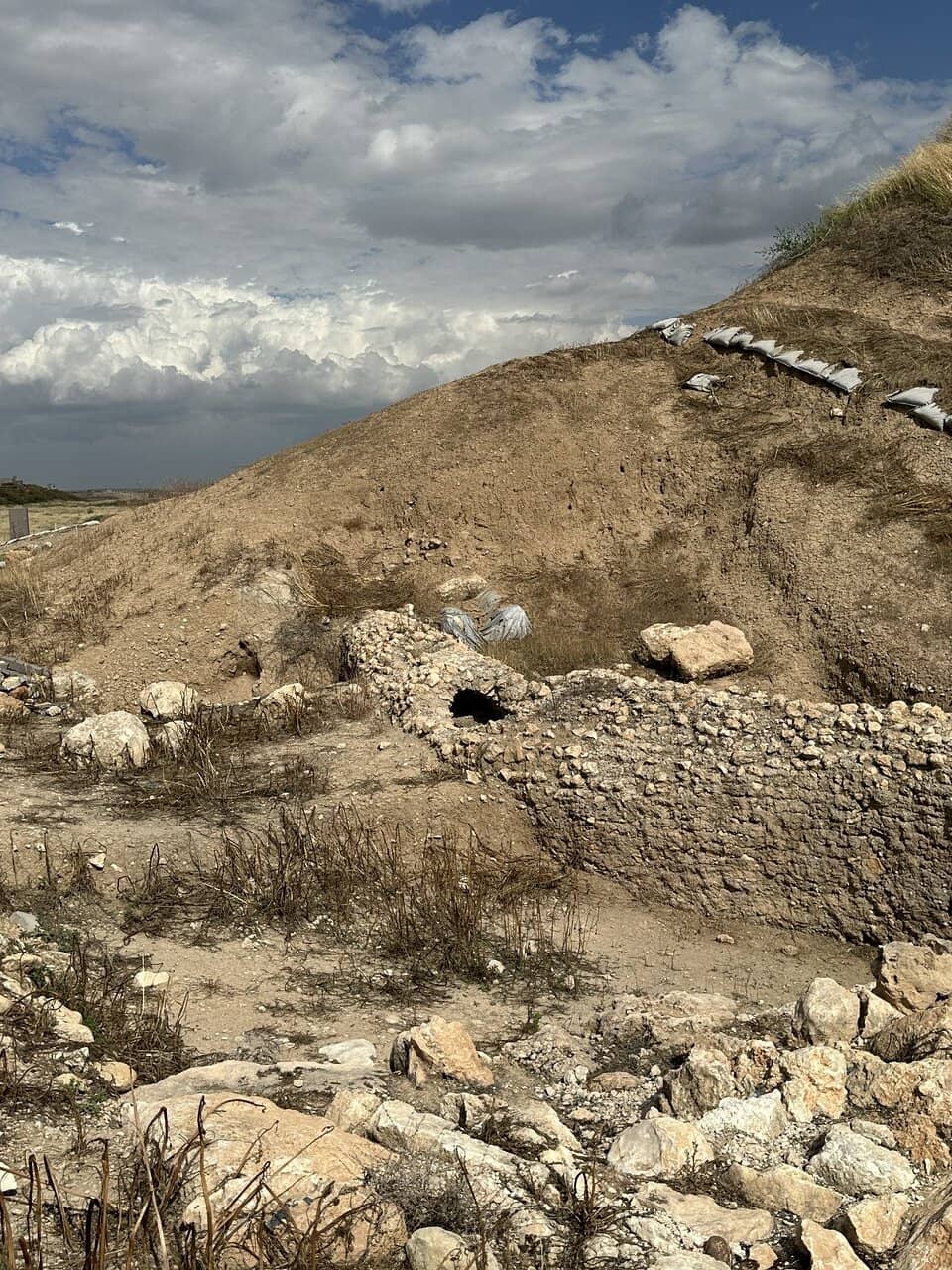
The terrain can be uneven and desolate in some parts. It's recommended to wear comfortable and sturdy shoes for exploration.
Yes, Carchemish is known for its rich bird diversity, with more species than some famous birdwatching spots.
📸 📸 Photography
The Neo-Hittite reliefs on the Great Wall, the ancient ruins, and the scenic views of the Euphrates River offer excellent photographic opportunities.
Yes, photography of certain sensitive facilities is restricted due to the site's proximity to the border.
Early morning or late afternoon light can be ideal for capturing the ancient stones and landscapes.
Drone usage is likely restricted due to the military presence and border sensitivity. It's best to avoid bringing drones. :noentrysign:
A versatile lens (e.g., 24-70mm) is good for general shots, and a wide-angle lens can capture the expansive ruins and river views.
For Different Travelers
Tailored advice for your travel style
👨👩👧 Families with Kids
Tips for families: Wear comfortable shoes as the terrain can be uneven. Bring plenty of water and snacks, as facilities are limited. Emphasize the 'ancient city' and 'battle' aspects to make it exciting. Be mindful of the border location and any security personnel present. The birdwatching aspect can also be a fun bonus for kids interested in nature.
🏛️ History Buffs & Archaeologists
Explore the remnants of forts, palaces, and temples, and imagine the bustling city it once was. The site's excavation history, including the involvement of T.E. Lawrence, adds another layer of historical intrigue. Consider researching the Battle of Carchemish and the Neo-Hittite period before your visit to fully appreciate the context.
📸 Photographers
Photography tips: Visit during the golden hours (early morning or late afternoon) for the best light. Wide-angle lenses are great for capturing the scale of the ruins and the river. Be aware of photography restrictions in sensitive areas due to the border location. The birdlife also presents opportunities for wildlife photography.
Deep Dives
In-depth insights and expert knowledge
The Battle of Carchemish: A Turning Point in History
The strategic importance of Carchemish, situated on the Euphrates River, made it a crucial stronghold. Its capture by Nebuchadnezzar II was a decisive moment, leading to the subjugation of various kingdoms and influencing the geopolitical landscape for decades to come. The site's historical weight is immense, making it more than just ruins but a testament to ancient warfare and empire building.
While the exact battlefield is not precisely delineated within the ruins, the very ground of Carchemish resonates with the echoes of this monumental conflict. Understanding this battle adds a profound layer to any visit, transforming the ancient stones into silent witnesses of a world-changing event.
Archaeological Discoveries and T.E. Lawrence
The discoveries included impressive fortifications, palaces, temples, and marketplaces. Perhaps most striking were the large walls adorned with intricate carvings depicting processions of warriors and royal victories. These findings provided invaluable insights into the art, architecture, and military prowess of these ancient civilizations.
Lawrence's involvement in the Carchemish excavations adds a layer of intrigue to the site's history. His experiences here, alongside his later wartime exploits, contribute to the mystique surrounding this ancient city. Visitors can ponder the legacy of these early archaeologists as they explore the exposed ruins.
Birdwatching Paradise on the Euphrates
The proximity to the Euphrates River and the surrounding natural landscape create a rich habitat for numerous avian species. This makes Carchemish an unexpected delight for nature enthusiasts and photographers alike, offering a unique blend of ancient history and natural beauty.
Visitors interested in ornithology can find a rewarding experience here, observing a wide array of birds in a historically significant setting. It's a reminder that ancient sites can offer multifaceted attractions, appealing to a broad range of interests.

Social
from TikTok, Instagram & Reddit