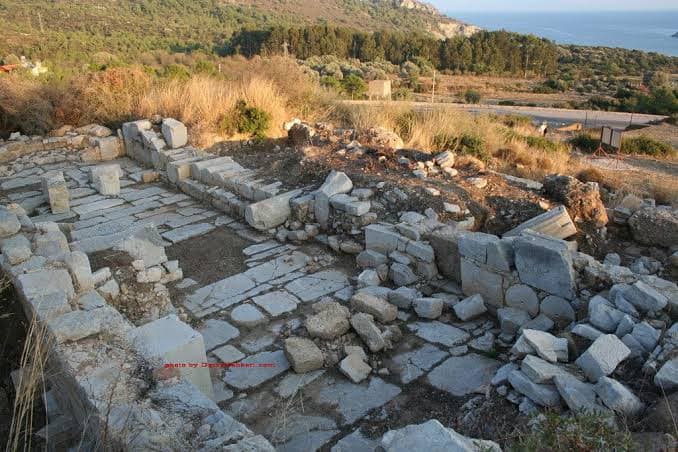
Emecik Apollo Sanctuary
An ancient sanctuary dedicated to Apollo, showcasing layers of history from Archaic to Roman periods with significant archaeological finds.
Highlights
Must-see attractions

Social
From TikTok & Reddit
Best Time
Pleasant weather for exploration
Emecik Apollo Sanctuary
Best Time
Pleasant weather for exploration
Highlights
Must-see attractions
An ancient sanctuary dedicated to Apollo, showcasing layers of history from Archaic to Roman periods with significant archaeological finds.
"A temple site dating back to the Archaic period, one of the most important ancient cities in the Carian region."
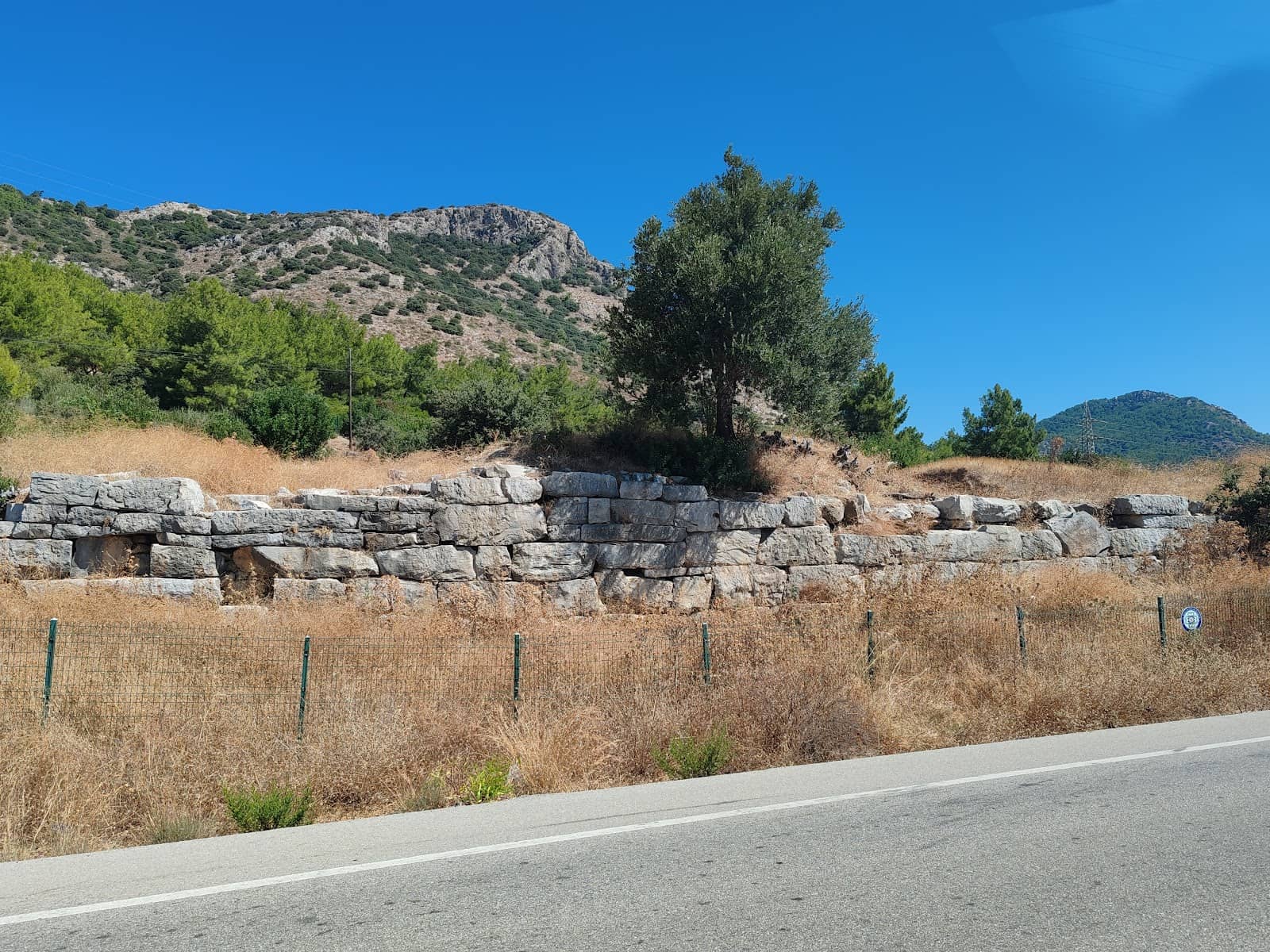
Check Gate Status
Gates are often locked. Inquire locally about access or guided tours to avoid disappointment. 🔒
Visit Marmaris Museum
Many artifacts are displayed here. See the rich finds from the sanctuary's excavations. :museum:
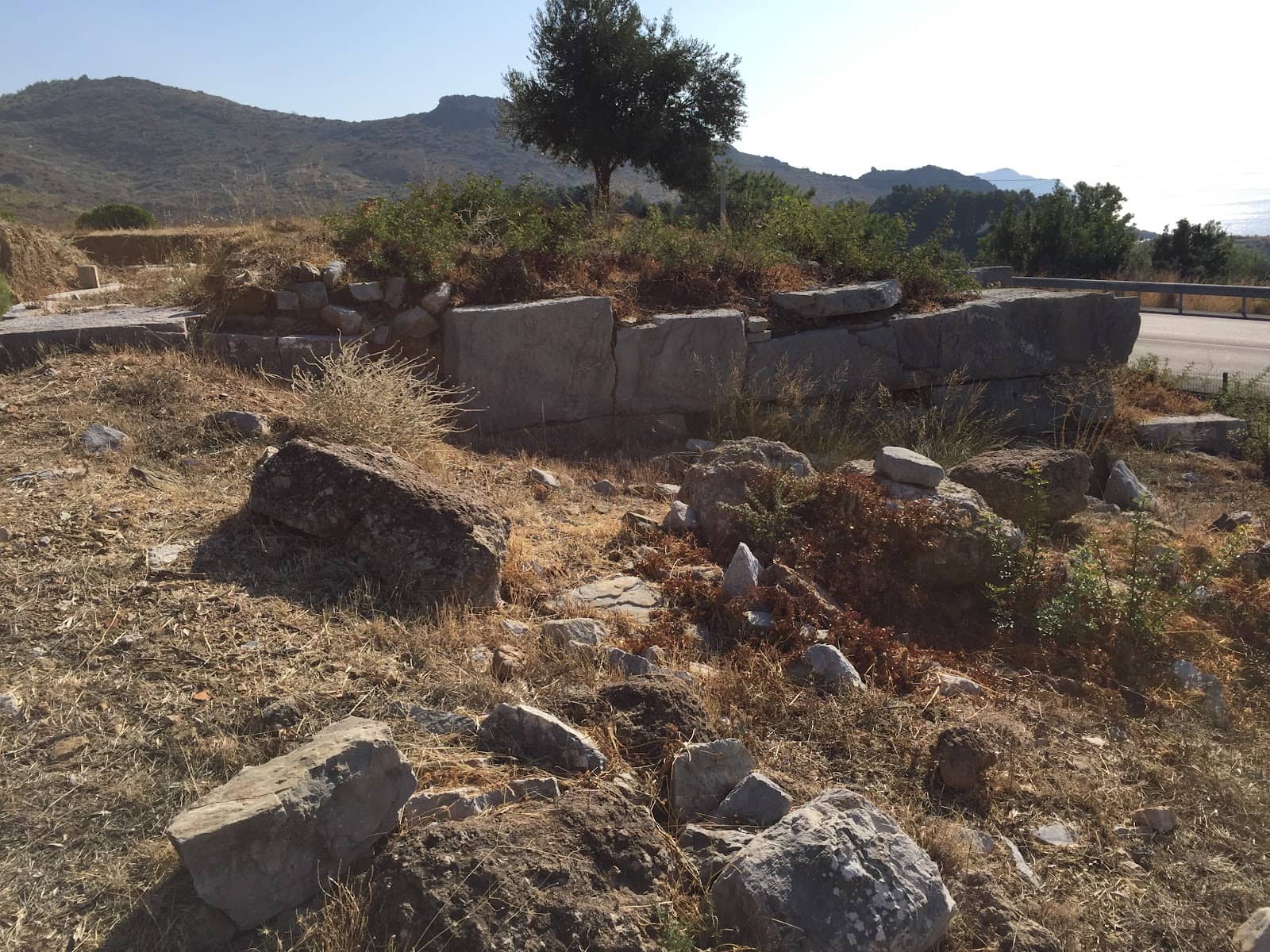
Quick Facts
Rating
3.7 · 76 reviews
Type
Historical Place
Highlights
Discover the most iconic attractions and experiences
Temple of Apollo Ruins
Upper Terrace
Discover the remnants of a monumental Doric temple, a testament to Hellenistic architectural prowess.
Cult Cave and Sacred Spring
Lower Terrace
Explore the ancient heart of worship, a cave with stone block paving and a sacred water source.
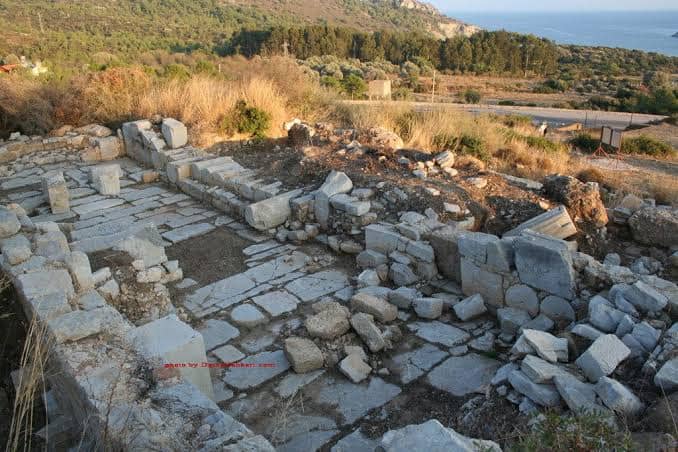
Byzantine Basilica
Upper Terrace
See the foundations of an Early East Roman basilica, later converted into a small church.
Plans like a pro.
Thinks like you
Planning Your Visit
Access & Opening Hours
Understanding the Site
Best Times
Insider Tips
from TikTok, Instagram & Reddit
Check Gate Status
Gates are often locked. Inquire locally about access or guided tours to avoid disappointment. 🔒
Visit Marmaris Museum
Many artifacts are displayed here. See the rich finds from the sanctuary's excavations. :museum:
Wear Comfortable Shoes
The terrain can be uneven. Sturdy footwear is essential for exploring the site. :athletic_shoe:
Bring Water
Especially during warmer months, stay hydrated as facilities are limited. :droplet:
Tips
from all over the internet
Check Gate Status
Gates are often locked. Inquire locally about access or guided tours to avoid disappointment. 🔒
Visit Marmaris Museum
Many artifacts are displayed here. See the rich finds from the sanctuary's excavations. :museum:
Wear Comfortable Shoes
The terrain can be uneven. Sturdy footwear is essential for exploring the site. :athletic_shoe:
Bring Water
Especially during warmer months, stay hydrated as facilities are limited. :droplet:
What Travellers Say
Reviews Summary
Visitors describe the Emecik Apollo Sanctuary as a site of significant historical and archaeological importance, showcasing Greek treasures from a glorious period. While many appreciate its ancient roots and the potential for discovery, the frequent issue of locked gates leads to disappointment for those unable to access the interior. The artifacts themselves are highly regarded, though their display in the Marmaris Museum means the on-site experience can be limited.
"Greek tresures of a period of glory and power....."
AGELOS PAPADIMITRIOU
"Super"
Songül Akbulut
"It is a temple site dating back to the Archaic period, originating in the Knidos-Dorian period and one of the most important ancient cities in the Carian region.
Emecik Mountain (743 meters), which rises abruptly from the flat land at the end of the eastern plain of the Datça Peninsula, is part of a mountain range that extends from Marmaris and the interior of Caria to the western tip of the peninsula, rising over 1,000 meters above sea level.
Many artifacts from Datça and Emecik were sold to European art enthusiasts through the Greek art trade in Smyrna, while others were sent to the Istanbul Archaeological Museum.
A rescue excavation was carried out at the Apollon Sanctuary between 1998 and 2006 by the Middle East Technical University, under the leadership of the Marmaris Museum Directorate, on behalf of the Turkish Ministry of Culture, in collaboration with the German Scientific Research Council.
The worship, which likely began around this cave in early times, developed with the addition of various structures in the Archaic Period, culminating in the construction of a monumental temple in the Hellenistic Period, and continued with the construction of a church in the Early East Roman Period.
The Temple of Apollo at the Emecik Sanctuary, which experienced its heyday in the 7th and 6th centuries BC, was built in the Doric order. The first phase of the temple dates to the Archaic Period. However, the existing structure, which was significantly damaged by the construction of a church on top, dates to the Hellenistic Period. Within the temenos area, there is a cult cave, paved with stone blocks, and a sacred water spring.
The Hellenistic monumental structure unearthed was understood to be a traditional Doric temple with a peripteral plan, a stylobate of 6x11 columns, and a crepidoma of three crepis. Excavations on the upper terrace in 1999 unearthed a large basilica dating to the Early East Roman (Byzantine) Period. The basilica was converted into a small church during the Middle East Roman Period.
The ruins and rich finds unearthed during the excavation demonstrate the significance of the Sanctuary of Apollo for the archaeology of the Datça Peninsula. It has been understood that the lower terrace was used extensively for votive offerings as a ceremonial promenade, particularly during the Archaic Period, from at least the Late Geometric Period onward. The sanctuary was abandoned throughout the Classical Age, until the Hellenistic period.
It has been understood that the Sanctuary of Emecik/Sarıliman held international significance until the late 6th century BC. Excavations have unearthed imported wares of Egyptian, Phoenician, and Etruscan origin. Limestone and terracotta figurines, as well as pottery, previously known as East Greek but now proven to be Cnidian, display a rich variety. Written documents and valuable archaeological artifacts discovered at the sanctuary demonstrate the association of the Archaic Emecik Sanctuary with Apollo. The sacred site was used from the Late Geometric Period to the 12th century AD.
Archaeological finds from the excavations are exhibited in the Marmaris Archaeological Museum. The Hiero-Gamos rock-carved depiction is currently on display in front of the Datça Municipality."
Abdurrahim Vural
What People Like
What People Dislike
Frequently Asked Questions
🚇 🗺️ Getting There
The sanctuary is located on the side of the road near Emecik, on the Datça Peninsula. It's accessible by car, but public transport options might be limited. Consider renting a car for flexibility.
It's situated on Emecik Mountain, rising from the Datça Peninsula's eastern plain. While visible, access can be tricky due to locked gates.
Renting a car or scooter offers the most freedom to explore sites like the Emecik Apollo Sanctuary and other attractions on the peninsula.
🎫 🎫 Tickets & Entry
Information on ticketing is scarce as the site is often inaccessible due to locked gates. It's advisable to check with the Datça Museum or local authorities for current access policies.
Specific opening hours are not widely published, and the site is frequently found locked. It's best to inquire locally about potential visiting times or guided tour availability.
Independent visits can be challenging as the gates are often locked. Some visitors have reported being unable to enter.
While not always advertised, inquiring at the Datça Museum or local tourist information centers might reveal options for guided tours that can grant access.
🎫 🏛️ Onsite Experience
You can see the ruins of a temple dedicated to Apollo, a cult cave, a sacred spring, and a Byzantine basilica. Many artifacts are housed in the Marmaris Archaeological Museum.
The site involves uneven terrain. Comfortable walking shoes are highly recommended for exploring the archaeological remains.
It was a significant ancient city in the Carian region, with worship dating back to the Archaic period and continuing through the Hellenistic and Roman eras. It held international importance until the late 6th century BC.
Facilities are generally limited. It's advisable to bring your own water and snacks, especially during warmer months.
Excavations revealed limestone and terracotta figurines, pottery, and imported wares from Egypt, Phoenicia, and Etruria, demonstrating its international connections.
📸 📸 Photography
Capture the atmospheric ruins against the natural landscape. The cult cave and temple foundations offer unique photographic perspectives.
Photography is generally permitted for personal use. Be mindful of the archaeological nature of the site and avoid disturbing any remains.

Social
from TikTok, Instagram & Reddit