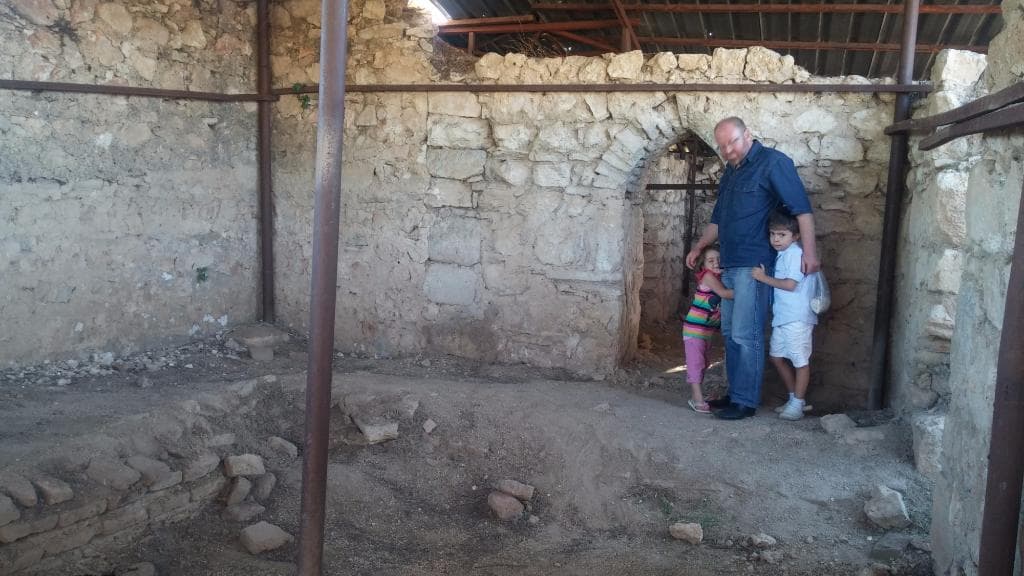
Kubadabad Palace Ruins
Explore the remnants of the 13th-century Anatolian Seljuk Grand Palace, a site of historical significance with unique tile art.

Highlights
Must-see attractions

Social
From TikTok & Reddit
Best Time
Fewer crowds, better for photos
Kubadabad Palace Ruins
Best Time
Fewer crowds, better for photos
Highlights
Must-see attractions
Explore the remnants of the 13th-century Anatolian Seljuk Grand Palace, a site of historical significance with unique tile art.
"It's a ruin site, but imagining the palace amidst natural beauty makes the visit worthwhile."

Manage Expectations
It's a ruin site, not a fully preserved palace. :information_source:
Check Road Conditions
The last 3km can be rough. Drive carefully or consider alternatives. :car:

Highlights
Discover the most iconic attractions and experiences
Seljuk Architectural Features
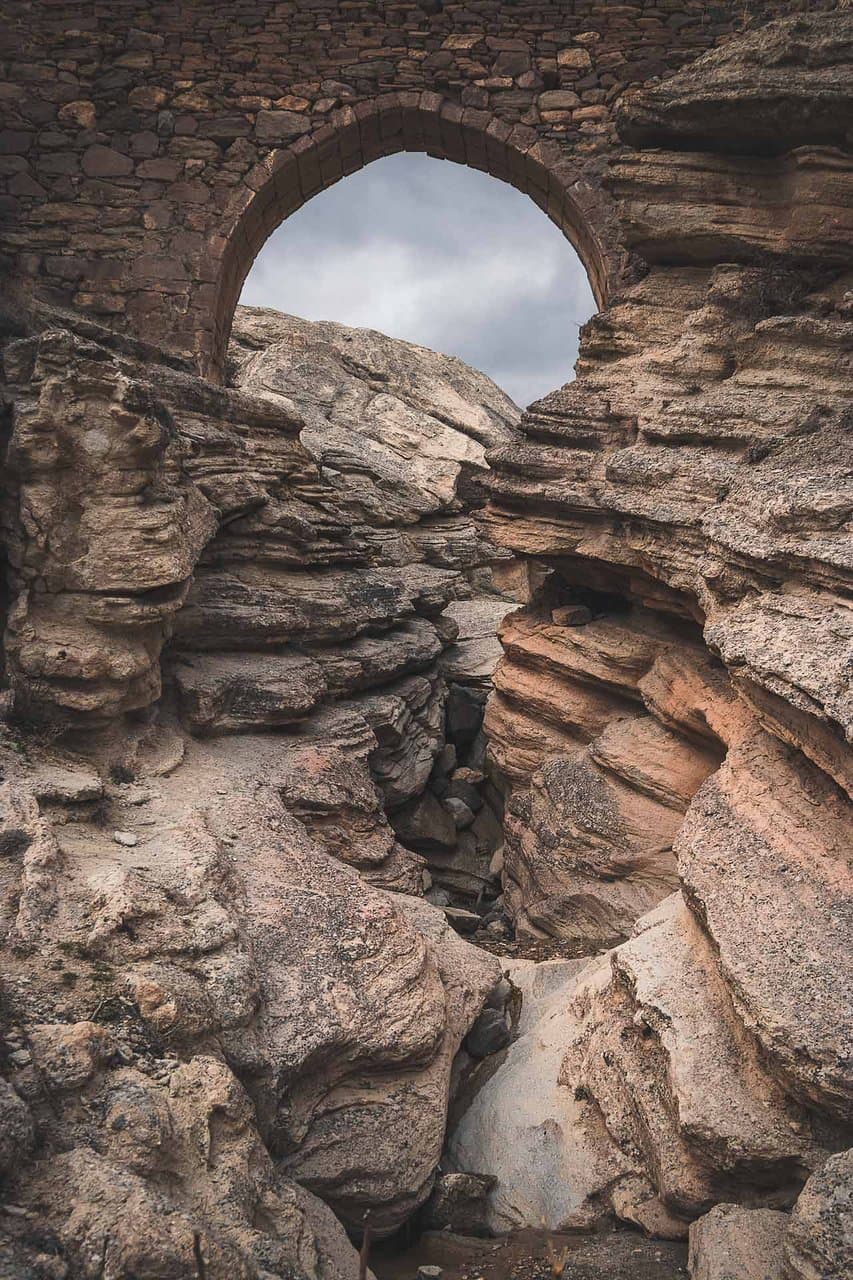
Palace Ruins
Examine the 13th-century Seljuk architectural remnants of the Grand Palace.

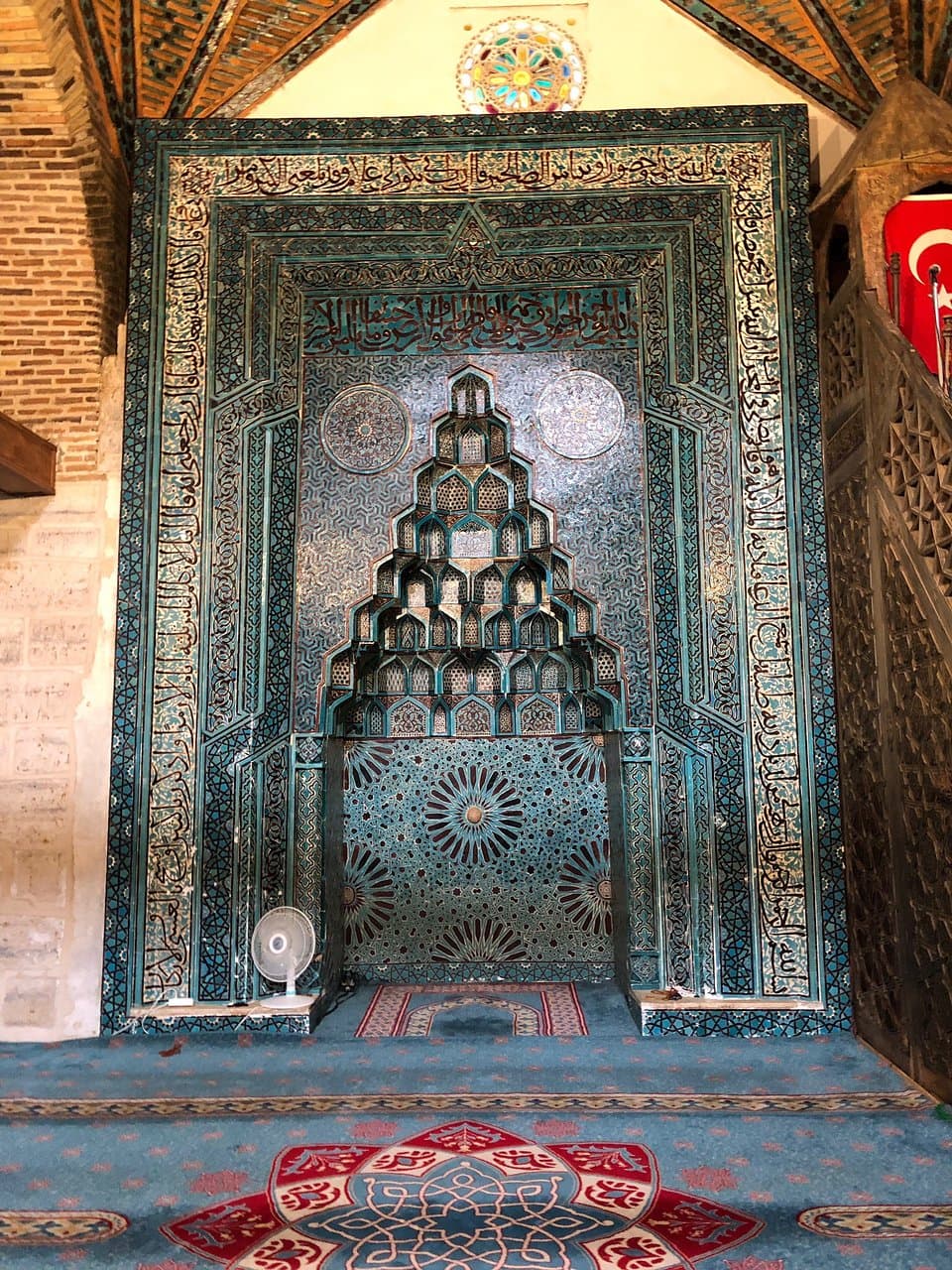
Cobalt Blue Tiles
Karatay Madrasa and Tile Works Museum
See the impressive cobalt blue tiles, a hallmark of Seljuk artistry.

Lake Beyşehir Views
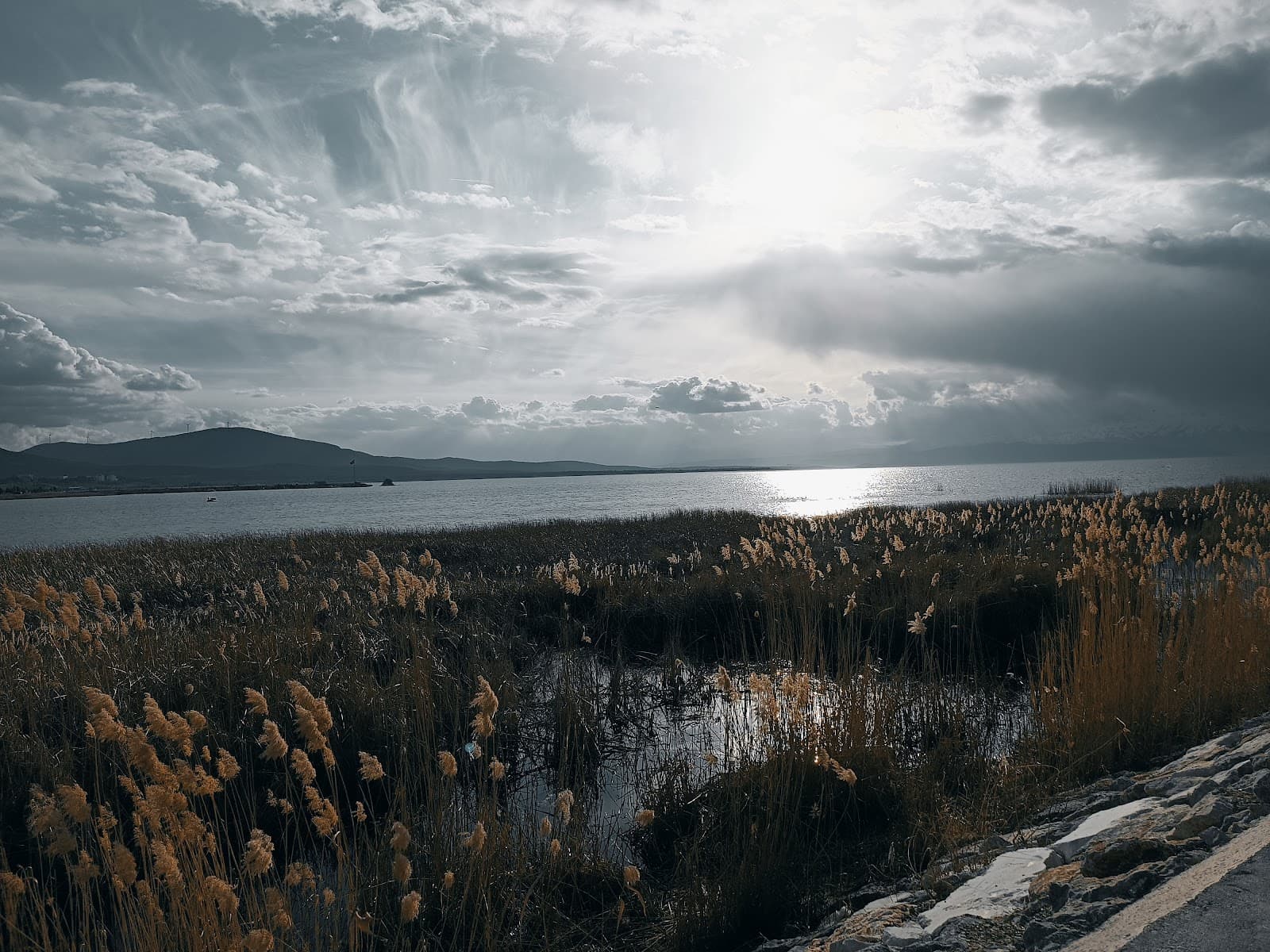
Overlooking Lake Beyşehir
Enjoy the natural beauty and imagine the palace in its prime.
Plans like a pro.
Thinks like you
Planning Your Visit
Manage Expectations: It's a Ruin Site
Location & Access
Best Times
Insider Tips
from TikTok, Instagram & Reddit
Manage Expectations
It's a ruin site, not a fully preserved palace. +1 :information_source:
Check Road Conditions
The last 3km can be rough. Drive carefully or consider alternatives. :car:
Visit Karatay Madrasa
See the original cobalt blue tiles here. :museum:
Imagine the Past
Picture the palace in its glory amidst the scenery. :thought_balloon:
Tips
from all over the internet
Manage Expectations
It's a ruin site, not a fully preserved palace. +1 :information_source:
Check Road Conditions
The last 3km can be rough. Drive carefully or consider alternatives. :car:
Visit Karatay Madrasa
See the original cobalt blue tiles here. :museum:
Imagine the Past
Picture the palace in its glory amidst the scenery. :thought_balloon:
What Travellers Say
Reviews Summary
Visitors find Kubadabad Palace Ruins historically significant, offering insights into Seljuk architecture and art, especially with its famous cobalt blue tiles displayed elsewhere. However, many note that it's primarily a ruin site with ongoing, slow renovations, and the final road access can be challenging. +2
"The site is quite beautiful, offering excellent historical insights, and one shouldn't expect modern features from a structure dating back nearly 100 years. Much of it has been reduced to ruin, but work continues, and new remains are being discovered. The only problem is that they haven't protected the area. They did create a small strip, but the wind has made it quite flexible, practically flush with the ground. I wouldn't recommend a visit, but if you're in the area, I recommend a visit."
Elif Güldemir
"Renovation is ongoing. Don't come with too high expectations."
Özkan Bilgin
"The buildings cannot be entered and they are all in ruins.
One of the most interesting historical buildings in Konya is the Kubadabad Palace and Complex, built by Alaeddin Keykubad I between 1220 and 1236. The impressive structure, which is frequently visited because it is the only Anatolian Seljuk palace that has survived to this day, is also mentioned as the Grand Palace in historical records.
The cobalt blue tiles of the palace, which hosts some of the most impressive tile decorations of the Seljuk period, are currently exhibited in the Karatay Madrasa and Tile Works Museum. You can explore Konya with history and culture tours, take wonderful photographs of the interior of the Kubadabad Palace and Social Complex, which is located very close to Lake Beyşehir, and examine the 13th century Seljuk architectural features."
KoSeKu
What People Like
What People Dislike
Frequently Asked Questions
🚇 🗺️ Getting There
Kubadabad Palace Ruins are located near Lake Beyşehir, about 90 km from Konya. While public transport options are limited, driving is the most common method. Be aware that the final 3 kilometers of the road can be in poor condition, potentially damaging vehicles. Some visitors suggest it might be better to visit a caravanserai in Beyşehir instead if road conditions are a concern.
The road is partially paved, but the last 3 km are reported to be rough and can ruin a car. It's advisable to check local conditions or drive a vehicle suitable for unpaved roads.
Public transport options directly to the ruins are scarce. It's best to arrange private transportation or join a guided tour that includes the site.
Given the location near Lake Beyşehir, combining a visit with other historical sites like caravaserais in Beyşehir or exploring the lake itself can make for a more comprehensive trip. +1
Yes, the palace is close to Lake Beyşehir, and the Karatay Madrasa and Tile Works Museum in Konya houses many of the original artifacts, including the famous cobalt blue tiles.
🎫 🎫 Tickets & Entry
Information on ticket prices and availability for the ruins themselves is not widely available, as it's primarily an archaeological site. However, access to the Karatay Madrasa, where the tiles are displayed, will require an entrance fee.
As an active excavation and ruin site, specific opening hours may not be strictly enforced or published. It's best to visit during daylight hours.
No, the buildings are in ruins and cannot be entered. The site is an archaeological excavation area.
While the site itself is largely ruins, there might be a nominal fee or it may be freely accessible. It's advisable to check locally upon arrival.
The most impressive artifacts, particularly the cobalt blue tiles, are exhibited at the Karatay Madrasa and Tile Works Museum in Konya.
📸 📸 Photography
The ruins themselves offer a dramatic backdrop, especially with the natural landscape and Lake Beyşehir in the distance. Capturing the scale of the excavation and the remaining architectural fragments can be very rewarding.
Photography is generally allowed at outdoor archaeological sites. However, always be respectful of the site and any ongoing work.
Expect to capture images of ancient stone structures, remnants of walls, and the expansive views over Lake Beyşehir. The site offers a sense of history and desolation.
While the original tiles are in Konya, you can photograph the architectural styles that hint at the grandeur of the Seljuk period. +1
Early morning or late afternoon light can create dramatic shadows and highlight the textures of the ruins. Weekdays are also less crowded, allowing for unobstructed shots.
🎫 🏛️ History & Culture
Kubadabad Palace was built by Alaeddin Keykubad I between 1220 and 1236 and is the only Anatolian Seljuk palace that has survived to this day. It was also known as the Grand Palace in historical records.
The palace was built by Alaeddin Keykubad I, a prominent Sultan of the Seljuk Empire.
The palace is renowned for its impressive tile decorations from the Seljuk period, particularly the cobalt blue tiles, which are now exhibited in the Karatay Madrasa.
Yes, renovation and excavation work is ongoing at the site, though progress may appear slow to visitors. +1
It served as a grand palace and likely a summer residence for the Seljuk rulers, overlooking the scenic Lake Beyşehir. +1
For Different Travelers
Tailored advice for your travel style
👨👩👧 Families with Kids
Tips for families: Pack plenty of water and snacks, wear sturdy shoes for walking on uneven ground, and consider bringing a book or visual aids about Seljuk history to engage children. The open space around the ruins can be good for letting kids run around a bit, but always supervise them closely.
🏛️ History Buffs & Archaeology Enthusiasts
Recommendations: Focus on understanding the ongoing excavation efforts and the historical context provided by local guides or prior research. Visiting the Karatay Madrasa to see the original tiles is a must to complete the experience.
🚗 Road Trip Adventurers
Advice for road trippers: Ensure your vehicle is suitable for potentially rough unpaved roads.
Deep Dives
In-depth insights and expert knowledge
The Seljuk Legacy: Architecture and Artistry
The most celebrated artistic feature of Kubadabad Palace was its tile work. The cobalt blue tiles are particularly famous and are considered some of the most impressive examples of Seljuk tile artistry.
Despite its current state as an archaeological site, imagining the palace in its prime, overlooking the serene Lake Beyşehir, provides a powerful connection to history.
Navigating the Site: Practicalities and Perspectives
The journey to the palace also presents practical challenges. The final 3 kilometers of the road leading to the site are reported to be in poor condition, potentially damaging vehicles.
Despite these challenges, many find the visit worthwhile for the historical insights and the natural beauty of the location.


Social
from TikTok, Instagram & Reddit